
New York City, a metropolis brimming with iconic landmarks and vibrant neighborhoods, holds a special place for a district known by a rather intriguing, almost cinematic name: Hell’s Kitchen. Far from its intimidating moniker, this area, also referred to as Clinton or Midtown West, is one of Manhattan’s most dynamic and sought-after destinations. It’s a place where history intertwines with modern chic, offering travelers a rich tapestry of cultural experiences, world-class dining, and convenient access to some of the city’s most famous attractions. If you’ve ever wondered about the exact whereabouts of this legendary New York neighborhood and what makes it such a compelling spot for tourism and travel, you’ve come to the right place. This guide will take you on a journey through its geographical boundaries, historical evolution, and the contemporary allure that draws visitors from all corners of the globe, making it an essential stop for any New York City itinerary.
Unveiling the Enigmatic Neighborhood: Location and Legacy
Understanding Hell’s Kitchen begins with pinpointing its exact location within the sprawling urban landscape of Manhattan. Its strategic position is undoubtedly one of its greatest assets, offering visitors unparalleled accessibility to the heart of New York City’s theatre district and beyond. But beyond its coordinates, the neighborhood boasts a fascinating history, a gritty past that has shaped its unique character and contributed to its enduring legend.
Defining Hell’s Kitchen: Geographical Coordinates
Hell’s Kitchen is situated on the West Side of Midtown Manhattan, a prime location that places it at the epicenter of much of New York City’s vibrant activity. Its geographical boundaries are generally understood as follows: it extends from Eighth Avenue on the east to the Hudson River on the west, and from 34th Street (or sometimes 40th Street) to 59th Street on the north. More specifically, its core runs between Eighth Avenue and Eleventh Avenue, and from 42nd Street to 59th Street.
This strategic placement means Hell’s Kitchen is immediately adjacent to some of New York’s most iconic attractions. To its east lies the dazzling spectacle of Times Square and the world-renowned Broadway theater district, making it an incredibly convenient base for theater-goers. A short stroll north leads to Columbus Circle and the southwest corner of Central Park, offering a verdant escape from the urban hustle. To the south, one finds the Port Authority Bus Terminal and the bustling Garment District, while the western edge offers scenic views and waterfront activities along the Hudson River at Hudson River Park. This central location makes Hell’s Kitchen an ideal spot for any visitor looking to immerse themselves in the pulse of the city.
A Dive into History: From Gritty Past to Modern Hub
The name “Hell’s Kitchen” itself is steeped in urban legend, with several theories attempting to explain its origin. One popular anecdote attributes the name to a seasoned police officer remarking that the neighborhood was “hell itself,” while his partner added, “This is hell’s kitchen.” Another theory links it to a specific tenement on 49th Street and Tenth Avenue, notoriously known for its rough inhabitants. Regardless of its exact genesis, the name vividly reflects the area’s tumultuous past.
In the 19th and early 20th centuries, Hell’s Kitchen was predominantly a working-class neighborhood, a melting pot of successive waves of immigrants, primarily Irish, German, and later Puerto Rican and Dominican communities. It gained a reputation for poverty, crime, and gang activity, becoming synonymous with gritty urban life. Its proximity to the industrial waterfront, including the bustling docks along the Hudson River, meant it was home to longshoremen, railway workers, and laborers, giving it a tough, no-nonsense character.
However, the late 20th and early 21st centuries saw a remarkable transformation. Gentrification swept through the area, spurred by its unbeatable location and the revitalization of Midtown West. Old tenements gave way to modern apartment buildings and chic boutique hotels. The raw, edgy authenticity of its past, however, has not been entirely erased; it has rather evolved, blending with a new wave of upscale dining, trendy bars, and vibrant cultural institutions. This rich historical backdrop makes exploring Hell’s Kitchen an experience that transcends mere sightseeing, offering a glimpse into the evolving soul of New York.
Hell’s Kitchen Today: A Vibrant Destination for Travelers
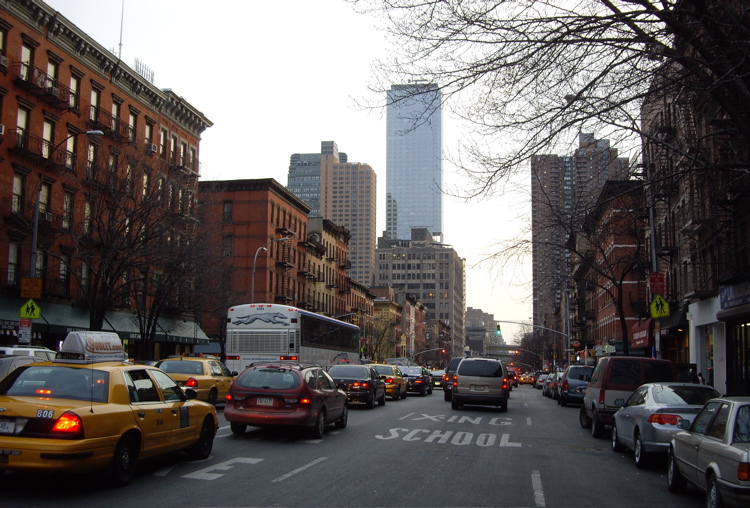
Today, Hell’s Kitchen stands as a testament to New York’s capacity for reinvention. It’s no longer the notorious slum of yesteryear but a thriving, multicultural neighborhood that offers a fantastic array of experiences for every type of traveler. From its world-renowned culinary scene to its thriving arts community and lively nightlife, Hell’s Kitchen has firmly cemented its place as a must-visit destination.
Culinary Capital: A Food Lover’s Paradise
One of the most compelling reasons to visit Hell’s Kitchen is its incredible food scene. The neighborhood has earned a reputation as a true culinary capital, boasting an astonishing diversity of restaurants that cater to every palate and budget. Walking through its streets, particularly along Ninth Avenue and Tenth Avenue, is an olfactory delight, with aromas from kitchens around the world wafting through the air.
You’ll find everything from authentic Thai and Vietnamese eateries to classic American diners, sophisticated French bistros, and vibrant Mexican taquerias. A particular highlight is Restaurant Row on West 46th Street between Eighth and Ninth Avenues, a block absolutely packed with an impressive concentration of diverse dining options, many offering pre- and post-theater menus. Whether you’re craving upscale dining before a Broadway show, a casual slice of New York-style pizza, or an exotic meal from a faraway land, Hell’s Kitchen delivers. This vibrant culinary landscape is a reflection of the neighborhood’s diverse population and its welcoming embrace of different local cultures, making it a truly immersive experience for food enthusiasts.
Arts, Entertainment, and Local Culture
Beyond its gastronomic delights, Hell’s Kitchen is a hub for arts and entertainment, resonating with the creative energy that defines New York City. While the bright lights of Broadway are just a stone’s throw away, Hell’s Kitchen proudly hosts numerous Off-Broadway and Off-Off-Broadway theaters, showcasing experimental plays, emerging talent, and intimate performances. This thriving theater scene provides a more raw and authentic cultural experience, often at a fraction of the price of mainstream productions.
The neighborhood also nurtures a growing number of art galleries and studios, particularly along the western stretches, where industrial spaces have been repurposed. For a unique cultural experience, the Intrepid Sea, Air & Space Museum, featuring the legendary aircraft carrier Intrepid, a space shuttle Enterprise, and a Concorde supersonic jet, is a major draw located on Pier 86 along the Hudson River. Nearby, Pier 84 in Hudson River Park offers recreational activities, stunning river views, and hosts seasonal events.
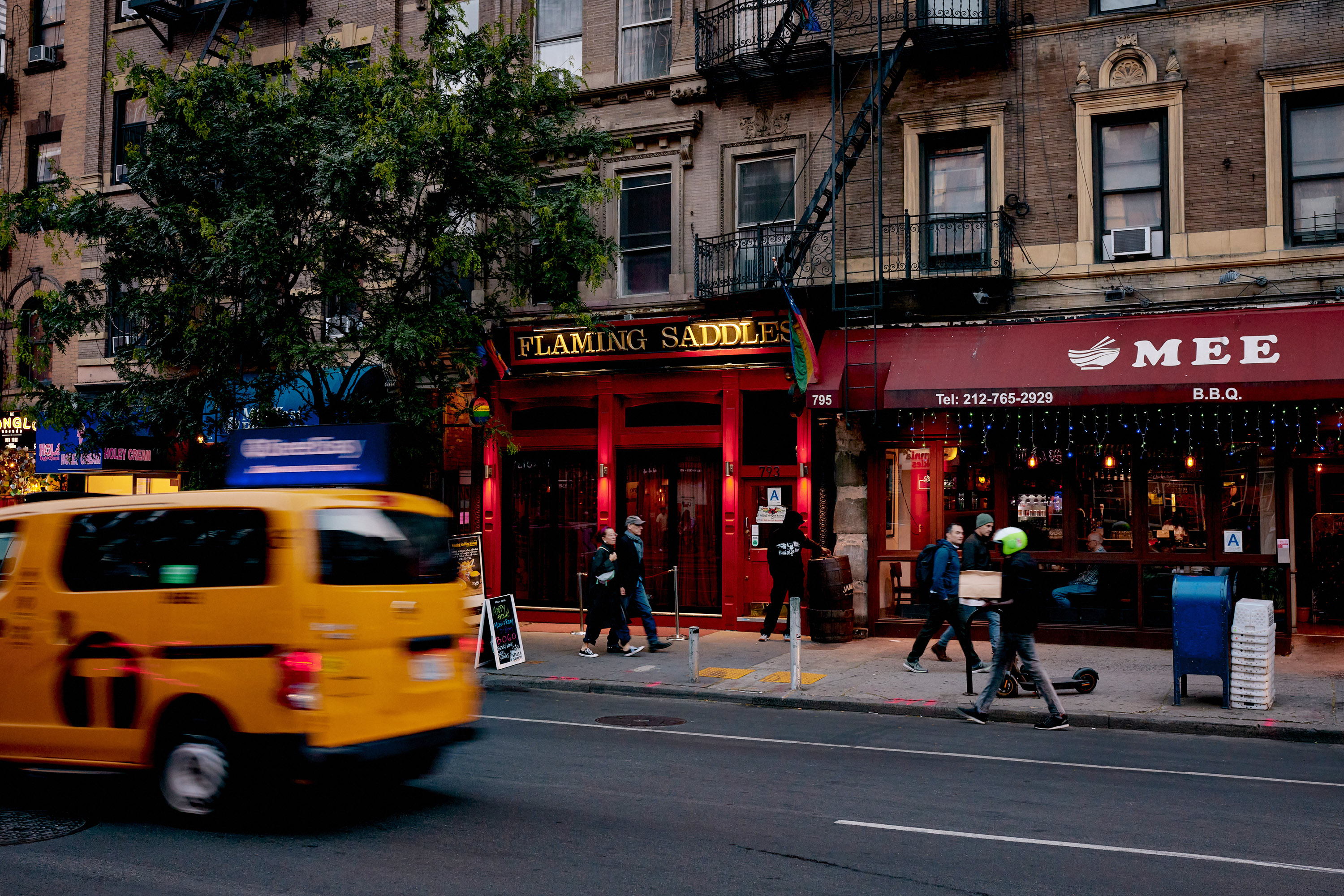
When the sun sets, Hell’s Kitchen’s nightlife truly comes alive. Its bars range from cozy pubs and sophisticated cocktail lounges to energetic dance clubs, reflecting the diverse lifestyle of its residents and visitors. There are also numerous music venues where you can catch live performances, from jazz to rock. This blend of traditional and avant-garde entertainment options ensures that there’s always something exciting to discover, catering to both the casual tourist and the discerning culture enthusiast.
Shopping and Unique Finds
While not primarily known as a shopping mecca like Fifth Avenue or SoHo, Hell’s Kitchen offers its own distinct flavor of retail therapy. The neighborhood is home to an assortment of charming boutiques, specialty shops, and independent retailers, providing a refreshing alternative to mainstream department stores. Here, you can unearth unique fashion pieces, artisanal crafts, and quirky souvenirs that reflect the area’s creative spirit.
A notable attraction for shoppers and treasure hunters is the Hell’s Kitchen Flea Market (also known as the Hell’s Kitchen Market), often held on weekends. This iconic market is a paradise for vintage lovers, antique collectors, and anyone seeking one-of-a-kind items. From retro clothing and antique furniture to rare collectibles and handcrafted jewelry, the flea market offers a delightful experience of discovery. Exploring these local markets is not just about shopping; it’s an opportunity to engage with the community, support local artisans, and experience a different facet of New York’s vibrant lifestyle.

Planning Your Stay: Accommodation and Travel Tips
When venturing to New York City, especially a bustling district like Hell’s Kitchen, careful planning can significantly enhance your experience. From selecting the perfect accommodation to navigating the city’s extensive transportation network, having a few travel tips in your arsenal will ensure a smooth and memorable trip.
Where to Stay: Hotels and Accommodation Options
Hell’s Kitchen’s prime location and vibrant atmosphere make it an excellent choice for accommodation in New York City. The neighborhood offers a wide range of hotels, catering to various preferences and budgets. You’ll find everything from luxurious boutique hotels and full-service resorts to more budget-friendly options and extended-stay apartments.
For those seeking modern amenities and a vibrant atmosphere, hotels like YOTEL New York offer a unique, technology-driven stay with smart rooms and communal spaces. Other popular choices include The Time New York or the Kimpton Muse Hotel, known for their stylish design and proximity to Broadway. Many hotels in the area provide excellent facilities such as fitness centers, rooftop bars, and concierge services, enhancing the overall travel experience.
When booking accommodation, consider factors like proximity to public transport, specific attractions you plan to visit, and guest reviews. Many apartments and villas are also available for short-term or long-term stays, providing a more localized and potentially cost-effective alternative, especially for families or groups. Utilizing comparison websites and checking for special deals can help secure the best value for your trip, ensuring your accommodation perfectly complements your lifestyle and travel needs.
Navigating Hell’s Kitchen: Transport and Accessibility
One of Hell’s Kitchen’s biggest advantages is its exceptional accessibility. The neighborhood is incredibly well-served by New York City’s extensive public transportation system, making it easy to reach any part of Manhattan and beyond. The Port Authority Bus Terminal, a major transportation hub, sits right on its southern border, providing connections to numerous subway lines (A, C, E trains) and regional bus routes.
Further north, the Times Square-42nd Street complex offers access to virtually every major subway line (1, 2, 3, N, Q, R, W, S, 7 trains), placing the entire city at your fingertips. Given its dense urban layout, Hell’s Kitchen is also incredibly walkable, allowing visitors to explore its vibrant streets, discover hidden gems, and soak in the local atmosphere on foot. Many of Midtown’s key attractions, including Times Square, the Broadway theater district, and Hudson River Park, are just a short walk away. For those arriving from out of town, its proximity to Penn Station (a major railway hub) and the availability of direct links to JFK Airport, LaGuardia Airport, and Newark Liberty International Airport further underscore its convenience as a base for both leisure and business stays.
Essential Travel Tips for an Unforgettable Experience
To make the most of your visit to Hell’s Kitchen and New York City in general, here are a few essential travel tips:
- Best Time to Visit: Spring (April-June) and Fall (September-November) offer pleasant weather for exploring on foot and outdoor activities, avoiding the intense summer heat and harsh winter cold. However, the city’s festive atmosphere during the holidays is also a unique experience.
- Embrace Walking: While public transport is excellent, much of Hell’s Kitchen is best explored on foot. Wear comfortable shoes, as you’ll likely be doing a lot of walking.
- Book in Advance: For popular Broadway shows, acclaimed restaurants, or specific hotel accommodations, especially during peak season, booking well in advance is highly recommended to secure your spot and potentially better prices.
- Explore Beyond Main Streets: While Ninth Avenue and Restaurant Row are popular, venture onto the side streets and deeper into Tenth and Eleventh Avenues for hidden gems, local bars, and unique shops.
- Stay Aware of Your Surroundings: Like any major city, it’s wise to be aware of your belongings and surroundings, especially in crowded areas or late at night. Hell’s Kitchen is generally safe, but common sense precautions are always advisable.
- Budgeting: New York City can be expensive. Plan your budget for accommodation, food, attractions, and transport. Consider purchasing a MetroCard for easy and economical use of subways and buses.
- Engage with Locals: Don’t hesitate to ask for recommendations from residents, shopkeepers, or hotel staff. They can often provide invaluable insights into the best local spots and experiences, helping you discover the true spirit of Hell’s Kitchen.
In conclusion, Hell’s Kitchen is much more than just a name on a map; it’s a dynamic, culturally rich, and historically significant neighborhood in the heart of New York City. Its prime location, diverse culinary scene, vibrant arts and entertainment options, and welcoming atmosphere make it an exceptional choice for any traveler seeking an authentic and unforgettable Manhattan experience. Whether you’re drawn by its dramatic past or its contemporary allure, Hell’s Kitchen offers a unique slice of the Big Apple that continues to captivate and inspire.
LifeOutOfTheBox is a participant in the Amazon Services LLC Associates Program, an affiliate advertising program designed to provide a means for sites to earn advertising fees by advertising and linking to Amazon.com. Amazon, the Amazon logo, AmazonSupply, and the AmazonSupply logo are trademarks of Amazon.com, Inc. or its affiliates. As an Amazon Associate we earn affiliate commissions from qualifying purchases.