
Embarking on an exploration of any travel destination often involves understanding more than just its scenic beauty or historical landmarks. For the discerning traveler, especially those conscious of budget, local economies, and the broader socio-economic fabric, details such as the minimum wage can offer profound insights. While perhaps not the first thought for someone planning a vacation, the minimum wage in a state like Oklahoma has ripple effects that touch upon everything from the cost of accommodation and dining to the quality of local service and the overall affordability of a trip. This article delves into the specifics of Oklahoma’s minimum wage, dissecting its implications for travelers, tourism professionals, and the vibrant lifestyle within the Sooner State.
Understanding Oklahoma’s Minimum Wage Landscape
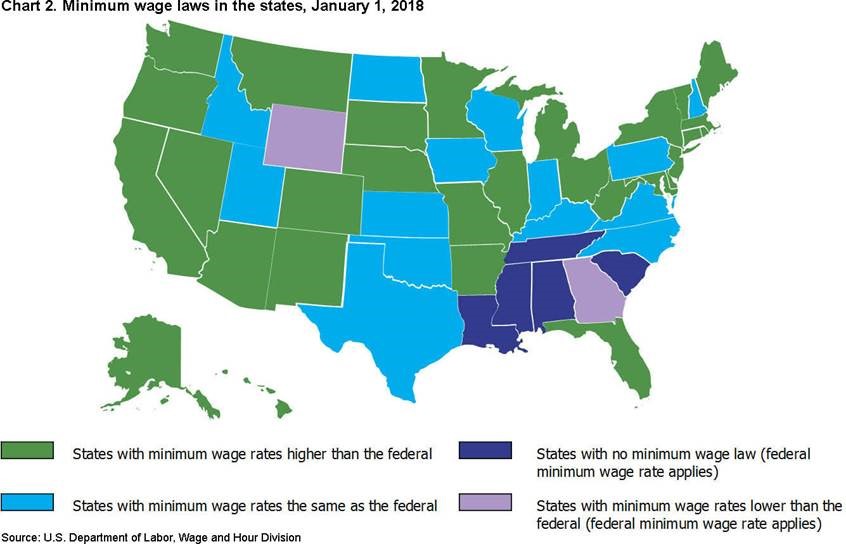
Before we can fully appreciate the impact of minimum wage on travel and lifestyle in Oklahoma, it’s crucial to grasp the foundational legal and economic aspects. Unlike many states that have established their own minimum wage rates exceeding the federal standard, Oklahoma primarily defers to the federal rate. This has significant implications for both residents and visitors alike, influencing everything from daily expenditures to the broader economic climate.
The Federal Standard vs. State Reality
The federal minimum wage in the United States has stood at $7.25 per hour since July 24, 2009. In Oklahoma, the state’s minimum wage law generally aligns with this federal benchmark. This means that, for most non-exempt employees in Oklahoma, the floor for their hourly earnings is $7.25. While some municipalities or specific industries in other states might establish higher local minimums, Oklahoma has not adopted a statewide minimum wage that surpasses the federal mandate. There are, however, specific exemptions and provisions. For instance, tipped employees, such as waiters and waitresses in the bustling restaurants of Oklahoma City or Tulsa, can be paid a lower direct wage, provided their tips bring their total hourly earnings up to at least the federal minimum wage. Similarly, certain full-time students, young workers, and individuals with disabilities may also be subject to different minimum wage regulations. This adherence to the federal standard positions Oklahoma as a state with a relatively stable, albeit lower, labor cost environment compared to states with significantly higher minimum wages, influencing everything from the pricing of a hotel room to the cost of a meal.

Who Earns Minimum Wage in Oklahoma?
The demographic of workers earning minimum wage in Oklahoma is diverse, but a significant portion falls within the service and hospitality sectors – precisely the industries that form the backbone of the state’s tourism appeal. Think of the friendly faces greeting you at a budget hotel near Lake Texoma, the staff serving local delicacies in a diner along Route 66, or the attendants at an attraction like the Oklahoma City National Memorial & Museum. These roles, vital to the traveler’s experience, often see employees compensated at or near the minimum wage.
Many entry-level positions in retail, food service, and accommodation industries across cities like Norman, Stillwater, and Lawton are filled by individuals earning this baseline wage. This also includes part-time workers, students, and those gaining initial work experience. Understanding this workforce dynamic provides context for how the costs of goods and services are structured in Oklahoma, and how local communities support those who make travel and tourism possible. It’s a subtle but important factor in the overall value proposition Oklahoma offers as a travel destination.
The Minimum Wage and the Oklahoma Travel Experience
For visitors to Oklahoma, the state’s minimum wage directly or indirectly shapes their travel experience. It influences the pricing structure of various services, from lodging to dining, and plays a role in the overall affordability that draws many travelers to the Sooner State. From a practical standpoint, understanding this economic baseline can help travelers make more informed decisions when planning their itinerary and managing their budget.
Budgeting for a Trip to the Sooner State
Oklahoma’s adherence to the federal minimum wage often translates into a more budget-friendly travel environment compared to states with higher labor costs. This is particularly good news for families, solo adventurers, or budget-conscious travelers looking to explore the natural beauty of the Ouachita Mountains or the cultural richness of Tulsa without breaking the bank. The cost of daily essentials like meals, transportation within cities, and entry fees to many attractions can often be found at more accessible price points.
For instance, a casual dinner at a local eatery in Broken Arrow or Edmond might be less expensive than a comparable meal in a state like California or New York, where minimum wages are substantially higher. This allows travelers to stretch their dollars further, perhaps enabling them to extend their stay, indulge in more activities, or opt for slightly more comfortable accommodations. When crafting a travel budget for Oklahoma, visitors can generally anticipate good value for money, making it an attractive destination for those seeking an authentic American experience without extravagant costs.
Impact on Hospitality and Service Costs
The minimum wage directly impacts the operational costs for businesses in the hospitality and service industries, which in turn influences consumer pricing. In Oklahoma, where labor costs are kept lower by the federal minimum wage, hotels, restaurants, and local attractions can often maintain more competitive pricing.
- Hotels & Accommodation: Whether you’re seeking a luxury stay at the Omni Oklahoma City Hotel or a quaint boutique hotel in Tahlequah, the underlying labor costs for housekeeping, front desk staff, and maintenance contribute to the nightly rate. With lower minimum wages, these costs are comparatively less, potentially allowing hotels to offer more attractive rates or invest more in amenities without significantly raising prices. This means travelers might find better deals on comfortable suites, family resorts, or even long-term stay apartments throughout the state.
- Dining: From upscale restaurants in Bricktown to casual diners, food service establishments are highly labor-intensive. Lower minimum wages can translate into more affordable menu prices, making dining out a more frequent and enjoyable part of the travel experience in Oklahoma. This affordability allows visitors to sample more of Oklahoma’s diverse culinary scene, from traditional barbecue to Native American cuisine.
- Attractions & Activities: Local tour operators, museums like the Philbrook Museum of Art in Tulsa, and outdoor adventure companies also factor labor costs into their pricing. The minimum wage environment in Oklahoma helps keep entry fees and activity costs relatively low, encouraging greater participation from tourists. This allows for a richer and more varied itinerary, including visits to landmarks like the Oklahoma State Capitol or a day trip to Turner Falls Park.
For travelers, this means Oklahoma often presents excellent value, whether they are on a luxury travel adventure or a carefully planned budget trip. The state’s economic structure, anchored by the minimum wage, plays a quiet but crucial role in shaping this appealing aspect of the Oklahoma tourism landscape.
Living and Working in Oklahoma’s Tourism Sector
Beyond the tourist’s perspective, understanding Oklahoma’s minimum wage also offers a glimpse into the daily lives of the people who make the state’s tourism sector thrive. These are the individuals who staff the hotels, prepare the meals, guide the tours, and maintain the attractions that draw visitors from far and wide. Their economic reality is directly shaped by the minimum wage, impacting their lifestyle choices and the vibrancy of the local communities they call home.
A Look at the Cost of Accommodation for Service Workers
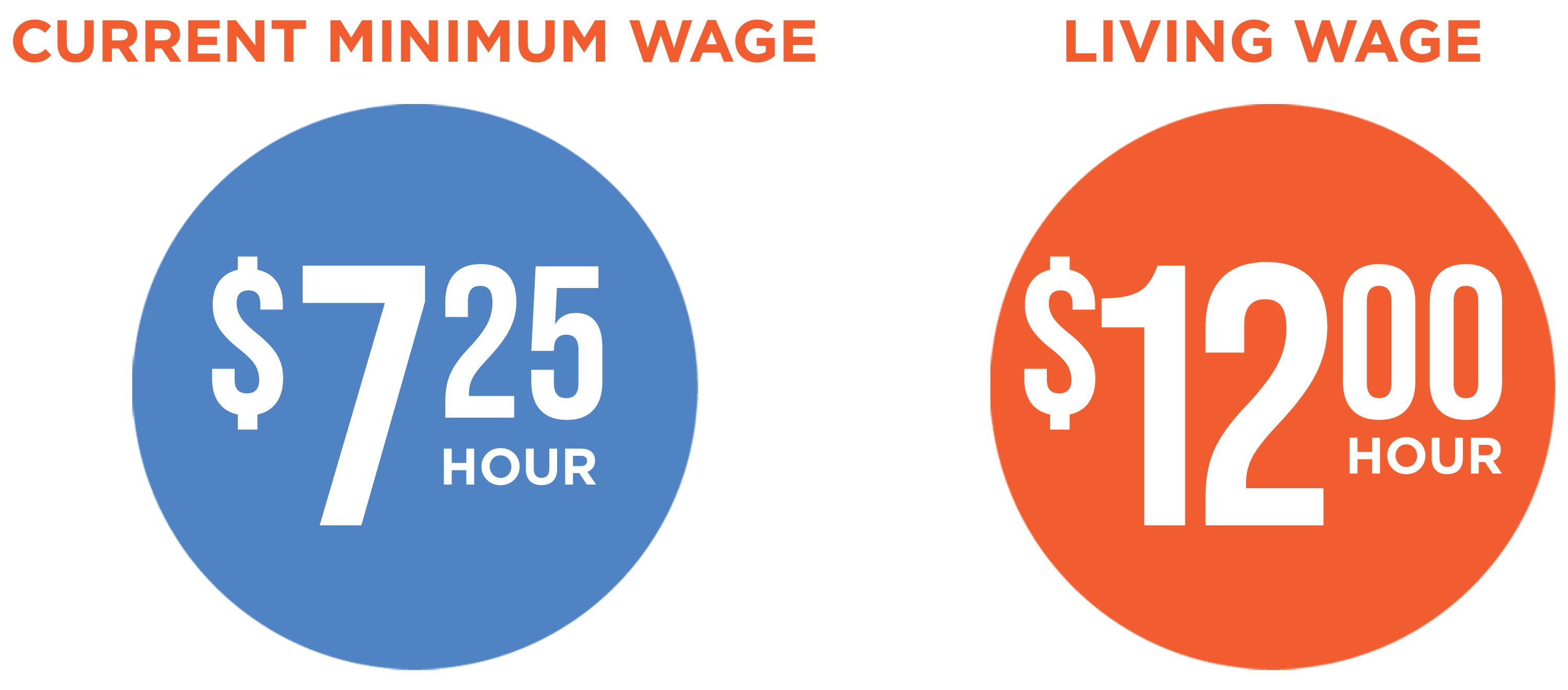
For those earning the minimum wage in Oklahoma, finding affordable accommodation is a significant challenge, especially in popular tourist hubs like Oklahoma City or Tulsa. While the cost of living in Oklahoma is generally lower than the national average, housing can still consume a substantial portion of a minimum wage earner’s income. An individual working 40 hours a week at $7.25 an hour earns approximately $1,160 per month before taxes. This makes it difficult to afford even modest apartments, particularly when considering the general recommendation that housing costs should not exceed 30% of one’s gross income.
This economic reality often leads service workers to seek housing further from city centers or to engage in shared living arrangements. The proximity to their workplace is a significant factor, as transportation costs can further strain a tight budget. For example, a housekeeper at the Skirvin Hilton Oklahoma City or a chef at the Hard Rock Hotel & Casino Tulsa might face a considerable commute if they cannot afford housing within the immediate vicinity of these popular tourist destinations. This situation underscores the balance between keeping tourism services affordable for visitors and ensuring a sustainable lifestyle for the workforce behind those services. Understanding this dynamic adds depth to the appreciation of the experiences provided by Oklahoma’s hospitality professionals.
Exploring Lifestyle on a Minimum Wage Income
The lifestyle afforded by a minimum wage income in Oklahoma is typically one of careful budgeting and prioritizing necessities. While the cost of living is relatively low, an income of $7.25 per hour necessitates a very modest existence. Daily expenses for food, utilities, transportation, and healthcare leave little room for discretionary spending, travel, or savings. For many, simply making ends meet is the primary focus.
This reality contrasts sharply with the aspirational travel experiences often promoted by tourism websites. While visitors enjoy comfortable stays at resorts like the Osage Casino Hotel or family-friendly amenities, the workers enabling these experiences often cannot afford similar luxuries. However, this doesn’t mean a lack of local culture or community engagement. Oklahoma’s rich history and vibrant communities offer many free or low-cost activities, such as exploring public parks like Gathering Place in Tulsa, visiting state lakes, or attending community festivals. For those on a minimum wage, these accessible options become crucial for maintaining a sense of lifestyle and well-being. The challenge, therefore, lies in finding a balance between the economic viability of the tourism industry and the welfare of its essential workforce, ensuring that Oklahoma remains a place where both visitors and residents can thrive.
Strategic Travel Planning: Maximizing Your Oklahoma Adventure
Understanding the economic landscape of Oklahoma, particularly concerning its minimum wage, can be a valuable asset for travelers. It allows for more strategic planning, ensuring that even on a tighter budget, one can fully immerse themselves in the rich experiences the Sooner State has to offer. For those who appreciate budget travel or family trips, Oklahoma’s economic structure often means better value, enabling extended stays or more diverse activities.
Affordable Destinations and Experiences
Oklahoma is rich in affordable, engaging destinations and experiences, perfectly suited for travelers looking to maximize their adventure without overspending. The state’s natural beauty, historical sites, and cultural attractions often come with low or no entry fees, making them ideal for budget-conscious exploration.
- Natural Wonders: Explore the diverse landscapes of Oklahoma at minimal cost. Destinations like the Wichita Mountains Wildlife Refuge offer stunning vistas, hiking trails, and wildlife viewing opportunities for free. State parks across Oklahoma generally have very low entrance fees, often just a few dollars per vehicle, allowing access to lakes, campgrounds, and scenic overlooks. Turner Falls Park in the Arbuckle Mountains is another prime example, offering waterfalls and swimming holes at a reasonable daily rate.
- Cultural & Historical Sites: Many of Oklahoma’s museums and historical markers provide free or inexpensive access. The Chickasaw Cultural Center in Sulphur, for instance, offers a deep dive into Native American history and culture with a modest admission fee. Exploring the historic districts of Oklahoma City or walking through the Myriad Botanical Gardens can be enjoyed at little to no cost. The stretch of Route 66 through Oklahoma is dotted with quirky, free roadside attractions and photo opportunities.
- Local Events: Keep an eye on local community calendars in cities like Ardmore or Stillwater. Many towns host free festivals, farmers’ markets, and outdoor concerts, especially during warmer months, offering authentic local experiences without breaking the bank.
By focusing on these accessible attractions, travelers can craft a rich itinerary that celebrates the essence of Oklahoma while respecting their budgetary limits, illustrating how the state’s economic environment makes it an excellent destination for value-driven travel.
Tips for Budget-Conscious Travelers
Leveraging Oklahoma’s generally lower cost of living, savvy travelers can employ several strategies to further enhance their budget travel experience:
- Seek Value Accommodation: While Oklahoma offers luxury options, a plethora of budget-friendly hotels, motels, and vacation rentals are available. Consider booking accommodations slightly outside the main tourist centers in cities like Tulsa or Oklahoma City for potentially lower rates. Exploring options like extended-stay hotels or guesthouses can also provide excellent value, especially for longer trips. Websites focused on accommodation comparison and reviews can be invaluable here.
- Embrace Local Dining: Move beyond chain restaurants and explore local diners, food trucks, and markets. Not only do these often offer more authentic culinary experiences, but they also tend to be more affordable. Look for lunch specials or early bird dinners to save on meal costs.
- Utilize Free and Low-Cost Attractions: As highlighted above, Oklahoma abounds with free parks, trails, public art installations, and historical markers. Plan your itinerary around these, supplementing with one or two paid attractions that truly pique your interest.
- Cook Your Own Meals: If staying in accommodations with kitchenettes or access to cooking facilities, purchasing groceries from local supermarkets can significantly reduce food expenses, especially for longer family trips or group travel.
- Travel Off-Peak: While Oklahoma doesn’t have extreme seasonal price fluctuations like some coastal destinations, traveling during shoulder seasons (spring or fall) can sometimes yield better deals on flights and accommodations and fewer crowds at popular spots.
- Public Transportation and Carpooling: In larger cities, research public transportation options. For exploring wider areas, consider carpooling or renting a fuel-efficient vehicle, as Oklahoma is a state best experienced with a vehicle due to its expansive nature.
By thoughtfully applying these tips, visitors to Oklahoma can ensure their adventure is not only memorable and culturally enriching but also economically sound. The state’s minimum wage environment subtly contributes to making this level of affordability possible, offering a welcoming destination for diverse travel styles and budgets.
LifeOutOfTheBox is a participant in the Amazon Services LLC Associates Program, an affiliate advertising program designed to provide a means for sites to earn advertising fees by advertising and linking to Amazon.com. Amazon, the Amazon logo, AmazonSupply, and the AmazonSupply logo are trademarks of Amazon.com, Inc. or its affiliates. As an Amazon Associate we earn affiliate commissions from qualifying purchases.