
For anyone planning a trip to the Sunshine State, or for current visitors enjoying its vibrant attractions and pristine beaches, the question, “Is there a hurricane coming to Florida right now?” is one that often brings a rush of anxiety. Florida, a premier destination for travelers seeking everything from thrilling theme park adventures to serene coastal retreats, is undeniably susceptible to tropical weather systems during certain times of the year. Understanding the current weather situation, the broader hurricane season, and how to prepare is crucial for a safe and enjoyable experience in this popular travel hub.
As of the moment, to get the most accurate and up-to-date information on any developing tropical systems that might impact Florida, it is always best to consult official sources. Organizations like the National Hurricane Center (NHC) and the National Oceanic and Atmospheric Administration (NOAA) provide real-time updates, forecasts, and advisories that are indispensable for both residents and tourists. These governmental agencies employ sophisticated meteorological tools to track disturbances, assess their potential intensity, and predict their paths with increasing accuracy. Websites, mobile apps, and local news channels also serve as vital conduits for immediate alerts regarding watches, warnings, and potential evacuation orders.

Understanding Florida’s Hurricane Season: When to Expect the Unexpected
Florida’s hurricane season officially runs from June 1st to November 30th each year. This six-month period marks the time when conditions in the Atlantic Ocean, Caribbean Sea, and Gulf of Mexico are most conducive to the formation and intensification of tropical storms and hurricanes. While the season encompasses half the year, the likelihood of significant storm activity tends to peak during the months of August, September, and early October. Travelers planning their adventures to Florida during these months should remain particularly vigilant and incorporate hurricane preparedness into their itinerary.
Navigating Peak Season vs. Shoulder Months
For many, the allure of summer travel to Florida is strong, with school holidays coinciding with the official start of hurricane season. Visiting during June and July, while still within the season, often presents a slightly lower risk of major hurricane impacts compared to the peak months. However, tropical depressions and less intense storms can still bring heavy rains and strong winds, potentially disrupting travel plans. The shoulder months of April, May, and early June, as well as late October and November, are often considered prime times for a Florida getaway. During these periods, the weather is typically pleasant, crowds are thinner, and the risk of severe weather is considerably lower. This balance makes them ideal for exploring Florida’s diverse destinations, from the vibrant streets of Miami to the enchanting theme parks of Orlando, without the heightened concern of a looming hurricane.

Official Resources and Real-time Updates
Staying informed is paramount. Before and during any visit to Florida within hurricane season, regularly checking the National Hurricane Center website (NHC.NOAA.gov) is a non-negotiable step. This resource provides detailed discussions, spaghetti models, cone of uncertainty graphics, and watches/warnings for active systems. Local Florida news outlets, both television and online, also offer hyper-local forecasts and community-specific guidance. Additionally, many county emergency management websites provide comprehensive guides for preparedness, including information on evacuation zones and shelter locations. Downloading a reliable weather app with push notifications for severe weather alerts is also highly recommended for travelers.
Impact on Travel and Tourism: What Visitors Need to Know
A potential hurricane threat in Florida has widespread implications for travel and tourism, affecting everything from transportation to accommodation and the availability of attractions. Tourists need to be prepared for potential disruptions and understand the protocols in place to ensure their safety.
Air Travel and Road Closures
One of the first impacts of a looming hurricane is often felt in air travel. Airports across Florida, including major hubs like Miami International Airport (MIA), Orlando International Airport (MCO), and Fort Lauderdale-Hollywood International Airport (FLL), may experience significant delays, cancellations, or even full closures. Airlines typically issue travel waivers allowing passengers to rebook flights without penalty. It is crucial to monitor airline websites and communication channels closely. Similarly, road closures, particularly along coastal highways, interstates designated as evacuation routes, and bridges, are common. The Florida Department of Transportation provides real-time traffic updates that are vital for anyone traveling by car. Tourists should have a flexible travel itinerary and be prepared for potential changes to their departure or arrival plans.
Safeguarding Your Accommodation: Hotels, Resorts, and Rental Policies
Accommodation providers, including hotels, resorts, apartments, and villas, have established hurricane policies. Many reputable establishments, like the Grand Hyatt Orlando or Beachfront Paradise Resort in Sarasota, offer hurricane guarantees that allow guests to cancel or rebook without penalty if a hurricane warning is issued for the area. However, policies vary, so it’s essential to review the specific terms and conditions of your booking, especially if using third-party booking sites. If an evacuation order is issued, guests are expected to comply for their safety. Hotels may have designated storm shelters or provide guidance on local public shelters. It’s also wise to inquire about amenities such as generator power, water supply, and communication access in the event of an outage. For long-term stays or vacation rentals, understanding the landlord’s or property manager’s emergency plan is critical.
Attractions and Landmarks During a Storm Threat
Florida’s world-famous attractions and landmarks also react to hurricane threats. Theme parks such as Walt Disney World Resort and Universal Orlando Resort have robust emergency protocols and often announce closures well in advance to ensure the safety of guests and staff. Similarly, iconic natural landmarks like Everglades National Park or the Kennedy Space Center Visitor Complex will close to the public during a storm threat. Museum operations, boat tours in the Florida Keys, and beach access across the state will also be suspended. Travelers should check the official websites or social media channels of any attractions they plan to visit for the latest operational updates. While closures can be disappointing, they are implemented for public safety and are a necessary measure to protect visitors from severe weather conditions.
Essential Preparation and Safety Tips for Travelers
Being prepared is the best defense against the uncertainties of hurricane season. For travelers, this means a combination of pre-trip planning and on-the-ground readiness.
Pre-Trip Planning and Insurance Considerations
Before even booking your trip to Florida during hurricane season, consider purchasing travel insurance that includes coverage for weather-related cancellations or interruptions. Carefully read the policy to understand what is covered, as some policies may exclude hurricanes if they are named before the policy is purchased. Document critical information such as flight numbers, hotel reservation confirmations, and contact details for airlines, hotels, and your travel insurance provider. Share your itinerary with a trusted friend or family member outside the affected area. Pack an emergency kit containing essential medications, a first-aid kit, copies of important documents (passport, ID, insurance cards), a battery bank for charging devices, and any specific items you might need if power or services are interrupted.
On-the-Ground Preparedness: Emergency Kits and Evacuation Routes
Once in Florida, stay tuned to local news and weather alerts. If a hurricane watch or warning is issued, take immediate steps. Familiarize yourself with your hotel’s emergency plan and any designated storm shelters. Locate emergency exits and understand how to contact hotel staff. For those staying in private accommodations, identify the closest public shelters and understand local evacuation routes. Always keep your vehicle’s fuel tank at least half full. Have a supply of non-perishable food and bottled water, especially if you are in an area prone to power outages. While it may seem daunting, these precautions are designed to ensure your safety and minimize stress during an unexpected event, allowing you to focus on the eventual enjoyment of your Florida adventure.
Exploring Florida’s Diverse Regions: A Look at Potential Vulnerabilities and Resiliency
Florida’s geography is vast and varied, meaning different regions may experience hurricanes with differing intensities and unique challenges. Understanding these distinctions can help travelers make more informed decisions about where and when to visit.
South Florida’s Coastal Charms: Miami, Fort Lauderdale, and the Florida Keys
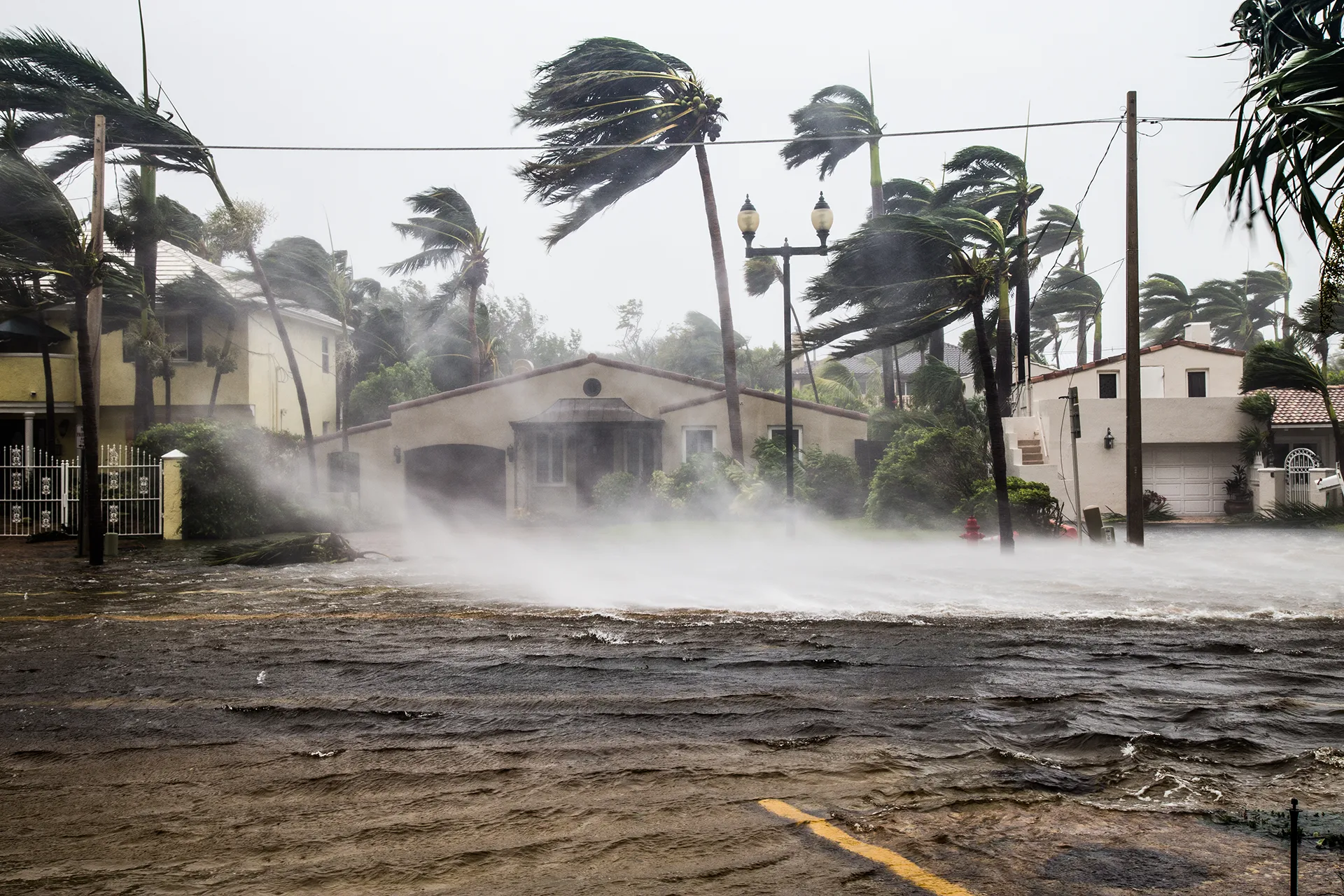
South Florida, encompassing vibrant cities like Miami and Fort Lauderdale, and the picturesque Florida Keys (including Key West), is often on the front lines of hurricane activity due to its exposed coastal location. These areas are renowned for their stunning beaches, bustling nightlife, and unique cultural experiences, making them popular for luxury travel and vibrant experiences. However, they are also particularly vulnerable to storm surge and wind damage. Infrastructure here, including many high-rise hotels and resorts, is built to withstand hurricane-force winds, but evacuation orders are common. Visitors to these regions should be especially diligent in monitoring weather forecasts and be prepared to evacuate inland if advised by local authorities. The Florida Keys, connected by a single highway, are often among the first areas to issue mandatory evacuation orders.
Central Florida’s Theme Park Wonders: Orlando and Beyond
Central Florida, home to Orlando’s world-famous theme parks like Walt Disney World Resort and Universal Orlando Resort, presents a different set of challenges. While less prone to direct storm surge due to its inland location, the region can still experience significant rainfall, flooding, and high winds, even from weaker systems. The extensive network of resorts, from family-friendly options to luxury suites, are generally well-equipped with emergency procedures and many have their own backup power. Orlando and its surrounding areas are popular for family trips and offer a myriad of activities beyond the parks, but heavy rain can still impact outdoor plans. Travelers should be aware that theme park closures are a possibility, and transportation within the city can be affected by localized flooding.
Florida’s Gulf Coast: Tampa, Sarasota, and Naples
Florida’s Gulf Coast, stretching from Tampa down to Naples, including beautiful cities like Sarasota, offers a different charm with its calmer waters and stunning sunsets. This region is a draw for those seeking serene beach experiences, vibrant arts scenes, and eco-tourism. However, the shallow waters of the Gulf of Mexico make the Gulf Coast particularly susceptible to devastating storm surge, even from less intense hurricanes. Cities like Tampa have extensive evacuation zones due to their vulnerability. Many historical landmarks and natural preserves along this coast, like the Ringling Museum in Sarasota or the wildlife refuges near Naples, can be significantly impacted. Visitors to this area should pay close attention to local emergency management communications, as evacuation orders can come swiftly to protect coastal communities.
Making Informed Decisions: When to Travel and When to Reconsider
Ultimately, the decision to travel to Florida during hurricane season boils down to personal risk tolerance and diligent planning. While the possibility of a hurricane is always present from June to November, direct hits are statistically rare for any single location. Millions of visitors enjoy Florida safely during these months every year.
However, if a named storm is actively tracking towards your chosen destination, it is prudent to reconsider your travel plans. Flexibility is key. If your schedule allows, traveling during the shoulder seasons (spring or late fall) offers a significantly reduced risk of hurricane encounters, often coupled with milder temperatures and fewer crowds, enhancing the overall travel experience. If traveling during peak hurricane season, ensure your bookings for hotels, flights, and activities are flexible, and invest in comprehensive travel insurance.
For those already in Florida when a storm approaches, prioritizing safety and adhering to local emergency guidelines are paramount. Evacuate if instructed, and stay updated through official channels. While a hurricane threat can be a cause for concern, with proper planning, awareness, and flexibility, travelers can still enjoy the immense beauty and countless experiences that Florida has to offer, even during its more unpredictable weather months. The state’s resilience and its commitment to visitor safety mean that while the question, “Is there a hurricane coming to Florida right now?” might arise, the answer is usually accompanied by clear guidance and comprehensive preparedness strategies.
LifeOutOfTheBox is a participant in the Amazon Services LLC Associates Program, an affiliate advertising program designed to provide a means for sites to earn advertising fees by advertising and linking to Amazon.com. Amazon, the Amazon logo, AmazonSupply, and the AmazonSupply logo are trademarks of Amazon.com, Inc. or its affiliates. As an Amazon Associate we earn affiliate commissions from qualifying purchases.