
Understanding the precise time in California is far more than a simple fact for the curious; it’s a critical piece of information for anyone planning a visit, booking accommodations, or navigating the diverse experiences this iconic state offers. From coordinating flights and hotel check-ins to scheduling tours and dining reservations, the local hour dictates the rhythm of your travel and the seamlessness of your adventure. Delving into California’s time zone reveals practical insights that enhance every aspect of your trip, ensuring you make the most of your precious travel moments, battle jet lag effectively, and immerse yourself fully in the Golden State’s unique lifestyle.
Navigating California’s Time Zone: PST/PDT Explained
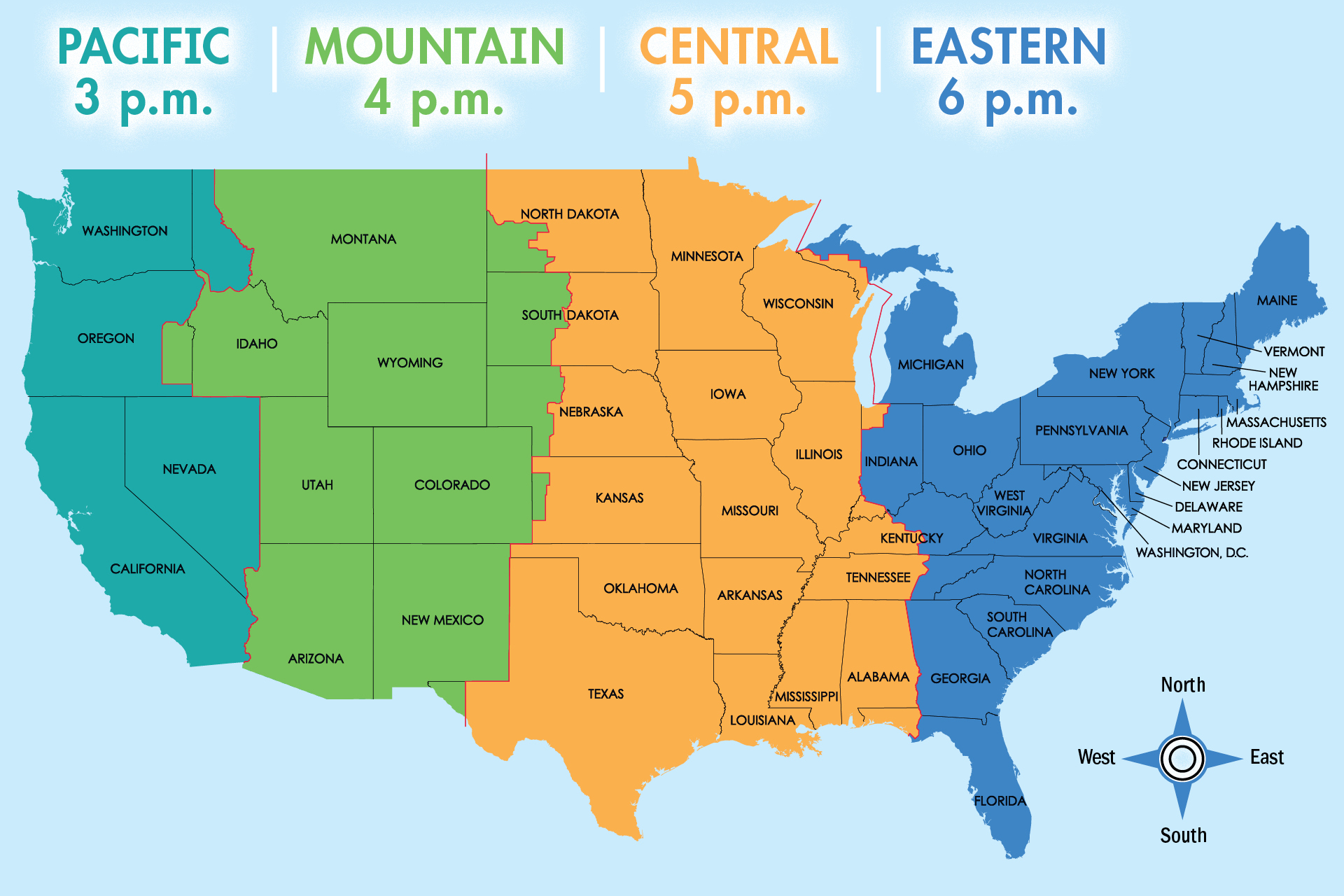
At its core, determining the hour in California comes down to understanding the Pacific Time Zone. This encompasses the entire state, placing it eight hours behind Coordinated Universal Time (UTC) during standard time, known as Pacific Standard Time (PST). However, like much of the United States, California observes Daylight Saving Time, which typically begins on the second Sunday in March and ends on the first Sunday in November. During this period, the clocks spring forward by one hour, shifting the state to Pacific Daylight Time (PDT), making it seven hours behind UTC.
This seemingly small shift has significant implications for travelers. For instance, if you’re flying from New York City, which is in the Eastern Time Zone (three hours ahead of Pacific Time), a 9 AM flight from New York City arriving at 12 PM local time in Los Angeles would feel like 3 PM to your body clock. This difference is crucial not only for mentally preparing for your arrival but also for coordinating with ground transportation, hotel check-in times, and any immediate plans you might have upon landing.
The Broader West Coast Connection
California’s Pacific Time Zone aligns it with its neighboring states of Oregon and Washington, as well as a large portion of Nevada, and parts of Idaho and Mexico (specifically Baja California). This geographical consistency simplifies cross-state travel within the West Coast, eliminating additional time zone adjustments when moving between these popular destinations. For those venturing further afield within the United States, such as from the Mountain Time, Central Time, or Eastern Time zones, the calculation becomes more complex, necessitating careful planning. International travelers, especially those from Europe or Asia, will experience even greater time differences, often requiring a full day of travel and significant adjustment upon arrival. Understanding this framework is the first step toward a smooth, enjoyable travel experience in California.
Time-Sensitive Travel Planning: From Arrival to Departure
Effective travel planning hinges on a keen awareness of time, particularly when crossing multiple time zones. For those journeying to California, every hour counts, influencing everything from flight bookings to maximizing your sightseeing schedule.
Orchestrating Your Arrival and Accommodation
The moment your flight touches down, the local time in California becomes your new reality. Flight schedules are always given in local time, so a flight advertised to arrive at 2 PM in Los Angeles means 2 PM Pacific Time, regardless of your departure point. This is crucial for seamless transitions. Most hotels, from luxury resorts to budget-friendly apartments, adhere to standard check-in times, typically between 3 PM and 4 PM Pacific Time. If you’re arriving early morning from a long-haul flight, you might face a few hours before your room is ready. Savvy travelers often arrange for early check-in in advance, especially if they’ve booked with hotels known for flexibility or those offering amenities like lounges where guests can relax. Conversely, check-out times are usually around 11 AM or 12 PM. If your departure flight is late in the evening, considering a late check-out or utilizing the hotel’s baggage storage can be a lifesaver, allowing you to enjoy a few more hours of exploring without the burden of luggage.
For those booking accommodation from a different time zone, double-checking dates and times is paramount. A flight arriving late on a Monday night may mean you need to book your hotel for Monday night, even if it’s already Tuesday morning in your home time zone. Mistakes here can lead to lost bookings or an unexpected scramble for a room upon arrival. Platforms for booking hotels, villas, or suites often display times in your local time zone but confirm in the destination’s local time, making careful review essential.
Mastering Tour Schedules and Dining Reservations
Many of California’s most sought-after attractions and experiences operate on strict schedules. Take, for instance, a tour to Alcatraz in San Francisco or a visit to Universal Studios Hollywood in Los Angeles. These often require advance booking for specific time slots. Missing your designated slot due to a miscalculation of local time could mean missing out on a once-in-a-lifetime experience. The same applies to popular restaurants, especially for dinner. Many high-demand eateries in culinary hotspots like San Francisco or Napa Valley require reservations made weeks or even months in advance. Ensuring your reservation aligns with your local activities and your body’s adjusted rhythm prevents awkward situations and ensures you enjoy every planned meal.
Business Travel and Remote Work Considerations
For business travelers, time zone differences are even more critical. Scheduling meetings, conference calls, or presentations with colleagues or clients on the East Coast or international partners requires meticulous planning. A 9 AM meeting in California translates to 12 PM in New York City and potentially late afternoon or evening in Europe. For remote workers choosing California as their temporary base, aligning work hours with their primary team can lead to unusual schedules, often starting their workday later in the Pacific Time evening. This aspect of the lifestyle needs careful consideration to maintain productivity and avoid burnout.
Adapting to the Golden State’s Rhythm: Jet Lag and Local Experiences
Beyond logistical planning, the hour in California profoundly impacts a traveler’s physical and mental state, especially for those experiencing jet lag. Furthermore, understanding the optimal times for various activities allows for a deeper immersion into the local culture and experiences.
Conquering Jet Lag: Tips for a Seamless Transition
Jet lag, the common foe of long-distance travelers, arises when your internal body clock (circadian rhythm) is out of sync with the local time. For travelers heading west to California, the feeling is often one of arriving too early, with your body wanting to sleep when it’s still broad daylight.
Here are some tips to help minimize its effects:
- Adjust Before You Go: A few days before your trip, try to shift your sleep schedule by an hour or two closer to California time.
- Hydrate, Hydrate, Hydrate: Drink plenty of water before, during, and after your flight to combat dehydration, which exacerbates jet lag. Avoid excessive alcohol and caffeine.
- Embrace Natural Light: Upon arrival, expose yourself to sunlight, especially in the morning. Natural light helps reset your body clock. A morning stroll on Santa Monica Pier or a hike in Runyon Canyon can be both invigorating and therapeutic.
- Stay Active: Gentle exercise can help. Avoid intense workouts right before bed.
- Strategic Napping: If you must nap, keep it short (20-30 minutes) and early in the afternoon to avoid disrupting nighttime sleep.
- Adapt Quickly: Try to eat and sleep according to local California time as soon as possible. Even if you’re not hungry, have a light meal at local mealtimes.
Successfully managing jet lag allows you to fully engage with California’s vibrant offerings, transforming potential fatigue into energized exploration.
Experiencing California by the Hour: A Day in the Life of a Traveler
The “hour” in California isn’t just a number; it dictates the character of your day, guiding you through diverse experiences from dawn till dusk.
Morning Serenity (Sunrise to 11 AM)
California mornings often begin with crisp air and golden light, perfect for outdoor activities. This is the ideal time for:
- Beach Walks and Surfing: Hit the iconic beaches of Southern California like those in Malibu or La Jolla for a peaceful walk, a refreshing jog, or to catch some waves. Many surf schools offer early morning lessons.
- Hiking and Nature Trails: Explore the trails of Griffith Park in Los Angeles to Runyon Canyon for panoramic city views, or venture into National Parks like Yosemite or Sequoia National Park before the crowds gather.
- Coffee Culture and Brunch: Immerse yourself in California’s thriving coffee scene. From artisanal roasters in San Francisco to trendy cafes in Silver Lake, grab a gourmet coffee. Later, indulge in a classic California brunch at a scenic spot overlooking the ocean or a bustling city street.
Daytime Adventures (11 AM to 5 PM)
As the sun climbs, California bursts with activity, offering a plethora of sightseeing and cultural experiences.
- Iconic Landmarks and Museums: Visit the Golden Gate Bridge in San Francisco, explore the historical island of Alcatraz, or immerse yourself in art and architecture at the Getty Center in Los Angeles. Balboa Park in San Diego offers a diverse range of museums and gardens.
- Theme Parks and Entertainment: Experience the magic of Disneyland or the movie magic of Universal Studios Hollywood. Allocate a full day for these, as they are truly immersive experiences.
- Wine Tasting and Scenic Drives: Head north to Napa Valley or Sonoma Valley for exquisite wine tasting tours. Alternatively, embark on a breathtaking journey along the Pacific Coast Highway, marveling at coastal wonders like Big Sur or the quaint charm of Carmel-by-the-Sea.
Evening Vibrancy (5 PM to Nightfall)
California evenings are alive with culinary delights, entertainment, and unforgettable sunset views.
- Sunset Views: There’s nothing quite like a California sunset. Catch it from the Griffith Observatory for stunning cityscapes, or from any westward-facing beach for a spectacular ocean view.
- Fine Dining and Nightlife: California’s culinary scene is world-renowned. Indulge in farm-to-table cuisine in San Francisco, innovative dishes in Los Angeles, or fresh seafood in San Diego. Afterward, explore the vibrant nightlife, from cozy speakeasies to lively clubs.
- Performing Arts and Shows: Catch a Broadway show in Los Angeles, live music at the Hollywood Bowl, or a performance at the Walt Disney Concert Hall. California offers a rich tapestry of cultural experiences.
Regional Nuances and The California Lifestyle
While the entire state shares the same time zone, the “hour” in California takes on different characteristics depending on the region and the lifestyle it embodies. Understanding these nuances enriches your travel itinerary and allows for more authentic tourism.
Different Rhythms in Different Realms
- Urban Energy vs. Nature’s Pace: In bustling cities like Los Angeles or San Francisco, the day often starts early with traffic and ends late with vibrant nightlife. Planning your city tours and attraction visits around rush hours can save valuable time. In contrast, destinations like Yosemite or Death Valley operate on nature’s clock. Early mornings are best for spotting wildlife and avoiding crowds, especially during peak seasons. In Death Valley, the cooler morning and late afternoon hours are essential for safe exploration during hotter months.
- The Wine Country’s Leisurely Flow: In Napa Valley and Sonoma Valley, the pace is more relaxed. While wineries open in the morning, the peak tasting hours are usually mid-day to early afternoon, followed by leisurely dinners. This region invites a slower, more indulgent lifestyle.
- Desert Oasis Timings: In desert destinations like Palm Springs, the hottest part of the day (early afternoon) is often spent poolside or indoors. Activities like golf, hiking, or exploring the desert landscape are best enjoyed in the cooler mornings or late afternoons.
Embracing the California Lifestyle
The concept of time in California is intrinsically linked to its renowned lifestyle — a blend of outdoor activity, healthy living, and an appreciation for leisure.
- Early Risers: Many Californians embrace the early hours for fitness – whether it’s surfing before work, hitting the hiking trails, or practicing yoga as the sun rises. As a traveler, joining in these morning rituals offers a glimpse into local life and provides an invigorating start to your day.
- Work-Life Balance: While cities like Silicon Valley are known for their fast-paced tech industries, there’s also a strong emphasis on maintaining a healthy work-life balance. This often translates into enjoying outdoor activities after work or engaging in weekend getaways to Lake Tahoe or Catalina Island.
- Spontaneous Adventures: California’s diverse landscape means a spontaneous drive can take you from the bustling city to serene beaches or towering redwood forests within a few hours. Keeping an eye on the time helps you seize these impromptu opportunities, ensuring you have enough daylight for exploration or to reach your next destination.
In essence, knowing the hour in California goes far beyond setting your watch. It’s about unlocking the full potential of your travel experience, from meticulous planning and battling jet lag to immersing yourself in the state’s vibrant rhythms and diverse offerings. Whether you’re chasing the sunrise over the Pacific, exploring iconic landmarks, or savoring the evening’s culinary delights, understanding California’s time zone is your key to a seamless and unforgettable adventure.
LifeOutOfTheBox is a participant in the Amazon Services LLC Associates Program, an affiliate advertising program designed to provide a means for sites to earn advertising fees by advertising and linking to Amazon.com. Amazon, the Amazon logo, AmazonSupply, and the AmazonSupply logo are trademarks of Amazon.com, Inc. or its affiliates. As an Amazon Associate we earn affiliate commissions from qualifying purchases.