
Oregon, a state celebrated for its diverse landscapes ranging from rugged Pacific coastline to volcanic mountains and high deserts, is a dream destination for countless travelers. Whether you’re planning a trip to explore the vibrant city life of Portland, hike the majestic Mount Hood, or sip world-class wines in the Willamette Valley, understanding the local time zone is a fundamental aspect of seamless travel planning. For most visitors and residents, the answer is straightforward: Oregon primarily operates within the Pacific Time Zone. However, like many geographically expansive states, there’s a small, intriguing exception that savvy travelers should be aware of.
Navigating time zones can impact everything from catching a flight and booking accommodation to coordinating business stays or simply making dinner reservations. This comprehensive guide delves into the specifics of Oregon’s time zones, offering essential insights for planning your next adventure, understanding local tourism schedules, and ensuring a smooth, enjoyable experience in this captivating Pacific Northwest gem.

Navigating Oregon’s Primary Time Zone: Pacific Time
The vast majority of Oregon observes the Pacific Time Zone (PT). This means that for anyone visiting or residing in major metropolitan areas like Portland, the state capital Salem, or the bustling city of Eugene, their clocks will be set to Pacific Time. This consistency simplifies planning for most trips, but it’s crucial to understand the nuances of this time zone, particularly with the observance of Daylight Saving Time.
Understanding Pacific Standard Time (PST) and Pacific Daylight Time (PDT)
The Pacific Time Zone in Oregon alternates between two designations throughout the year:
- Pacific Standard Time (PST): This is the base time, observed during the fall and winter months. PST is UTC-8, meaning it is eight hours behind Coordinated Universal Time.
- Pacific Daylight Time (PDT): During the spring and summer, Oregon shifts to PDT, which is UTC-7. Clocks are moved forward by one hour to make better use of daylight, a practice known as Daylight Saving Time. This typically occurs on the second Sunday in March, when clocks “spring forward,” and ends on the first Sunday in November, when they “fall back.”
For travelers arriving from other time zones, particularly the Eastern or Central United States, this shift can be significant. Someone flying from New York City (Eastern Time, ET) to Portland (Pacific Time, PT) will experience a three-hour time difference. This time adjustment is a key factor in managing potential jet lag and scheduling initial activities upon arrival. Knowing whether it’s PST or PDT is essential for synchronizing your devices and making sure you’re on schedule for everything from airport transfers to your first Oregon wine tasting experience in the Willamette Valley.
The Eastern Oregon Exception: Mountain Time
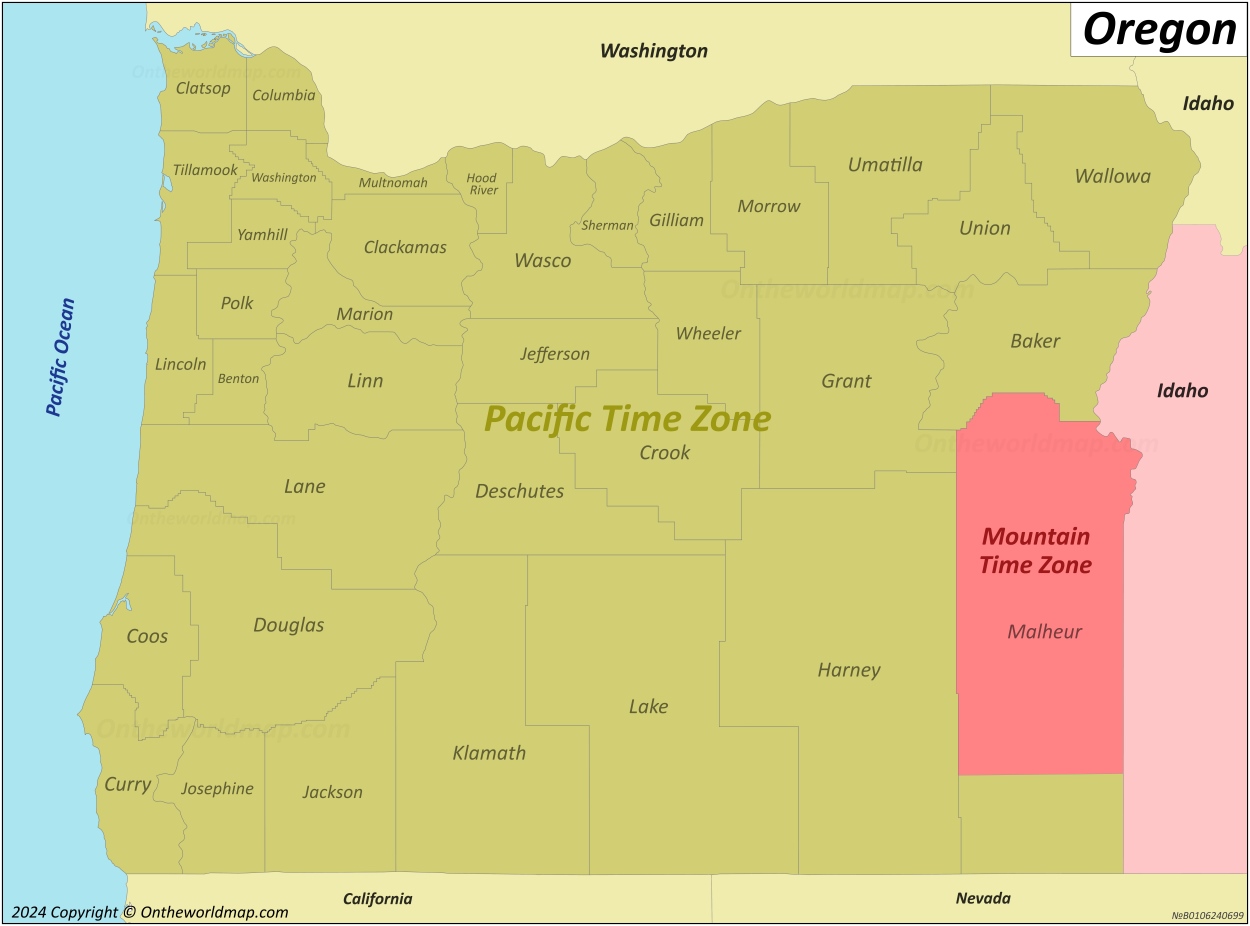
While the vast majority of Oregon adheres to Pacific Time, there is a notable exception in the far eastern part of the state. A small portion of Malheur County, specifically the area east of the Snake River, observes the Mountain Time Zone (MT). This includes cities such as Ontario, Vale, and Nyssa.
This unique geographical alignment is primarily due to economic and social ties with neighboring Idaho, particularly the metropolitan area of Boise, which operates on Mountain Time. For residents and businesses in this region, aligning with Idaho time facilitates smoother commerce, communication, and daily operations. Mountain Time is UTC-7 during Mountain Standard Time (MST) and UTC-6 during Mountain Daylight Time (MDT). This means that during Daylight Saving Time, Eastern Oregon operating on MDT is one hour ahead of the rest of Oregon on PDT.
For travelers heading to these eastern frontier towns, perhaps en route to explore the dramatic Hells Canyon or the scenic Owyhee Canyonlands, it’s vital to adjust your clocks. Most modern smartphones automatically update time zones, but always double-check, especially if you’re reliant on a tight schedule for connecting flights, hotel check-ins, or local tours. Misjudging this time difference could lead to missed appointments or confusion, slightly disrupting an otherwise well-planned travel itinerary.
Time Zone Impacts on Travel and Tourism in Oregon
The time zone isn’t just a technical detail; it’s a practical consideration that profoundly influences the entire travel and tourism experience in Oregon. From initial planning to daily activities, understanding the local time is key to a stress-free trip.
Planning Your Oregon Itinerary Across Time Zones
When putting together your Oregon adventure, time zone awareness is paramount.
- Flights and Transportation: Flight arrival and departure times are always given in local time. If you’re flying into Portland International Airport (PDX) from the East Coast, remember that a 6 PM arrival might feel like 9 PM to your body clock. Similarly, connecting flights within the state or to neighboring states like Washington, California, or Idaho require careful scheduling, especially if crossing into the Mountain Time Zone. Train services like Amtrak and intercity bus schedules also adhere strictly to local times, so verify them against your personal clock.
- Booking Accommodation: Hotel check-in and check-out times are based on the property’s local time. An early morning flight might mean you arrive before the standard check-in time, necessitating a plan for luggage storage or an early check-in request. When booking resorts, suites, or apartments, confirm these details with the hotel or host.
- Synchronizing Tours and Activities: Many popular Oregon attractions and experiences like guided hikes on Mount Hood, whale watching tours along the Oregon Coast, or wine tours in the Willamette Valley operate on fixed schedules. Ensure your internal clock and devices are accurately reflecting Pacific Time (or Mountain Time in Malheur County) to avoid missing out.
- Connecting with Others: Whether it’s a business stay requiring conference calls with colleagues on the East Coast or a family trip where you want to call home, always account for the time difference. Oregon’s Pacific Time is typically three hours behind Eastern Time, two hours behind Central Time, and one hour behind Mountain Time.

Enhancing Your Experience: From Coastal Wonders to High Desert Adventures
Understanding Oregon’s time zones goes beyond logistics; it helps enhance your entire travel experience.
- Opening Hours and Local Culture: Most museums, galleries, restaurants, and shops operate on local Pacific Time. Food trucks in Portland and coastal seafood shacks all open and close according to local hours. Embrace the local culture by adjusting your meal times and daily rhythms to match.
- Jet Lag Management: For visitors from afar, jet lag can impact your initial days. Arriving in Oregon from the east often means feeling tired earlier in the evening. Planning lighter activities for your first day and gradually adjusting your sleep schedule can significantly improve your enjoyment.
- Optimizing Daylight Hours: Oregon’s natural landmarks are best enjoyed with ample daylight. Whether you’re exploring the dramatic cliffs of the Oregon Coast, hiking trails around Crater Lake National Park, or skiing on Mount Hood, Daylight Saving Time (PDT) provides longer evenings for outdoor activities. This is a boon for various lifestyles, from luxury travel experiences that savor sunset views to budget travel plans that maximize free outdoor attractions. Longer daylight hours mean more time for photography, scenic drives along the Columbia River Gorge, or simply relaxing on a beach.
Accommodation and Lifestyle: Time-Sensitive Considerations
The time zone isn’t just about what you do during the day; it affects where you stay and how you live your lifestyle while traveling. Thoughtful consideration of Oregon’s time zones can prevent minor inconveniences from becoming major headaches.
Booking and Staying: Hotels, Resorts, and More
Accommodation forms the backbone of any trip, and time zones play a subtle yet critical role in its smooth operation.
- Hotel Reservations: Always confirm check-in and check-out times with your specific hotel or resort. Most are flexible, but knowing the local time can help you manage your arrival if it’s outside standard hours. If you’re staying in Ontario, remember their local time is an hour ahead of Portland.
- Resort Amenities and Schedules: Resorts often have structured schedules for amenities like spa treatments, fitness classes, or kids’ club activities. From luxury hotels in Portland offering suites with exclusive services to cozy villas along the Oregon Coast, their timetables are synchronized to local Pacific Time.
- Vacation Rentals and Key Exchanges: For apartments or villas booked through services like Airbnb, coordination with the host for key pick-up or drop-off is paramount. A missed connection due to a time zone miscalculation can be a significant setback.
- Business Stays: Professionals on business stays often need to maintain communication with colleagues in different time zones. Hotels catering to business stays might offer amenities like 24-hour business centers or flexible room service to accommodate varied work schedules, but keeping your internal clock aligned is your responsibility.
Maximizing Your Oregon Experience: Tips for Time Management
To make the most of your Oregon visit, consider these tips for time management:
- Automatic Clock Updates: Rely on your smartphone for automatic time zone updates. Most modern devices adjust seamlessly when you cross into a new time zone.
- World Clock Apps: Keep a world clock app handy to easily compare Oregon time with your home time zone or that of other important contacts.
- Prioritize Sleep: Especially for family trips with young children, gradually adjusting to the new time zone by prioritizing sleep can make a huge difference in managing energy levels and moods.
- Embrace the Pace: While Portland has a vibrant urban pace, much of Oregon, especially the coastal towns and rural areas, operates at a more relaxed rhythm. Don’t let a minor time adjustment stress you; instead, embrace the state’s laid-back lifestyle.
- For Long-term Stays: If you’re considering a longer relocation or extended travel, living in Oregon means fully immersing yourself in the Pacific Time Zone, adjusting your routines, and perhaps learning the intricacies of its observance of Daylight Saving Time, including the potential for future changes such as permanently observing PDT.
Iconic Oregon Landmarks and Their Time Zones
Oregon’s diverse landmarks and attractions are spread across its beautiful landscape, predominantly within the Pacific Time Zone.
Western Oregon’s Pacific Time Treasures
The majority of Oregon’s most famous sites are firmly in Pacific Time:
- Portland: The state’s largest city is a hub of culture, food, and urban attractions. From the diverse wildlife at the Oregon Zoo and the literary wonderland of Powell’s City of Books to the quirky delights of Voodoo Doughnut, all operate on PST or PDT. The city’s famed architecture and vibrant local culture are best enjoyed without time-zone confusion.
- Willamette Valley: Home to over 700 wineries, this region south of Portland invites visitors to indulge in wine tours and tastings, all synchronized to Pacific Time.
- Oregon Coast: The entire stunning coastline, from the historic port city of Astoria in the north to the rugged cliffs near Brookings in the south, observes Pacific Time. Whether you’re visiting the iconic Haystack Rock near Cannon Beach or exploring the marine life in Newport, plan your beachcombing and lighthouse visits accordingly.
- Southern Oregon: The artistic haven of Ashland, famous for the Oregon Shakespeare Festival, operates on Pacific Time. Further east, the natural wonder of Crater Lake National Park also falls within this time zone.
- Mount Hood & Columbia River Gorge: These incredible natural landmarks offering hiking, skiing, and breathtaking waterfalls are all in Pacific Time.
Eastern Oregon’s High Desert and Mountain Time Gateways
Even in the more sparsely populated eastern regions, most areas are on Pacific Time, with the exception mentioned earlier.
- Bend and the High Desert: Bend, a popular outdoor recreation hub, sits in Pacific Time. Activities along the Deschutes River or skiing at Mount Bachelor will be on PST/PDT. The town of The Dalles, situated east of the Columbia River Gorge, is also on Pacific Time.
- Ontario and Malheur County: This region, as noted, observes Mountain Time. If your travel plans take you to the far eastern edges of Oregon to explore parts of Hells Canyon or the Owyhee Canyonlands, confirm the local time as you approach cities like Ontario. This small distinction is a crucial piece of history and practical consideration for travelers in the area.
In conclusion, for the vast majority of your Oregon adventures, you’ll be operating on Pacific Time, adjusting for Daylight Saving Time. The exception in Malheur County serves as a friendly reminder to always stay aware of local time, especially when your journeys take you to the more remote and culturally distinct corners of this magnificent state. Armed with this knowledge, you are well-equipped to plan a seamless and unforgettable experience in Oregon.
LifeOutOfTheBox is a participant in the Amazon Services LLC Associates Program, an affiliate advertising program designed to provide a means for sites to earn advertising fees by advertising and linking to Amazon.com. Amazon, the Amazon logo, AmazonSupply, and the AmazonSupply logo are trademarks of Amazon.com, Inc. or its affiliates. As an Amazon Associate we earn affiliate commissions from qualifying purchases.