
Nestled within the vibrant, ancient landscapes of the American Southwest, Antelope Canyon stands as a testament to nature’s profound artistry. This iconic slot canyon, world-renowned for its surreal, flowing sandstone walls and ethereal light beams, is a crown jewel for travelers seeking unparalleled beauty. But for those dreaming of witnessing its magic firsthand, a fundamental question often arises: “Where exactly is Antelope Canyon located in Arizona?” The answer is more precise than just a state; it’s a specific corner of the vast Navajo Nation, near a small, welcoming city that serves as the perfect base for exploration. This guide delves deep into its location, its unique characteristics, and everything you need to know to plan an unforgettable journey to this geological marvel.

Unveiling Antelope Canyon’s Precise Location
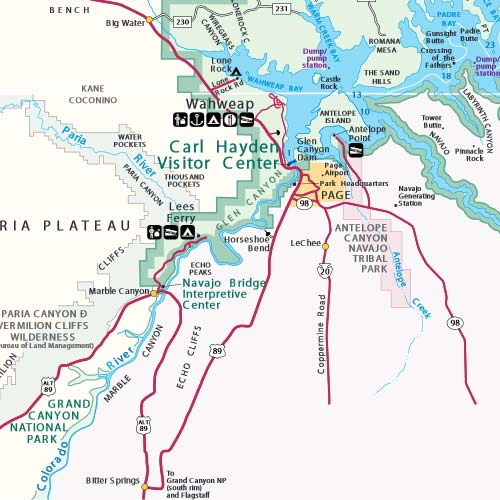
Antelope Canyon is situated in northern Arizona, specifically on Navajo land east of the city of Page. Its coordinates place it firmly within the expansive Navajo Nation, an autonomous territory that spans parts of Arizona, Utah, and New Mexico. This geographical detail is crucial, as it dictates the entire visitation experience: access to the canyon is strictly controlled and only permitted through authorized Navajo tour operators.
The canyon itself is not a single, monolithic entity but rather a collection of breathtaking slot canyons, with Upper Antelope Canyon and Lower Antelope Canyon being the most famous and frequently visited sections. Both are easily accessible from Page, which has evolved into the primary gateway for tourists eager to explore not only Antelope Canyon but also a host of other spectacular natural landmarks in the region.
The Gateway City: Page, Arizona
The city of Page is undeniably the logistical hub for any visit to Antelope Canyon. Located just a few miles from the canyon entrances, Page provides all the necessary infrastructure for travelers, from a wide range of accommodation options to dining and tour booking services. Without Page, accessing this remote natural wonder would be significantly more challenging.
Historically, Page was established in 1957 as a housing community for workers constructing the Glen Canyon Dam. Today, it thrives as a tourism hotspot, drawing millions annually. Its strategic location makes it an ideal starting point not just for Antelope Canyon, but also for Horseshoe Bend, Lake Powell, and numerous other attractions within the vast Glen Canyon National Recreation Area. This synergy of attractions solidifies Page’s reputation as a must-visit destination for those exploring the Southwest.

A Jewel of the Navajo Nation
The fact that Antelope Canyon lies within the Navajo Nation is not just a geographical detail; it’s a fundamental aspect of the entire experience. The Navajo people consider this land sacred, and their role as stewards and guides ensures that visitors not only witness its beauty but also gain an appreciation for its cultural significance.
The Navajo Nation operates Antelope Canyon as part of their Navajo Tribal Parks system. This means that all tours are led by experienced Navajo guides who offer invaluable insights into the canyon’s geology, history, and the spiritual connection it holds for their community. This cultural exchange elevates the visit from a mere sightseeing trip to a deeply enriching experience, aligning perfectly with the concept of authentic tourism and appreciating local culture. Their deep understanding of the canyon, from tracking the sun’s position to predicting the subtle shifts in light, is unparalleled, ensuring every visitor captures the canyon at its most magical.
The Unique Allure of Antelope Canyon
What makes Antelope Canyon such a compelling destination? It’s a combination of unique geological formations, the play of light and shadow, and the sheer sensory experience of being enveloped by its sculpted walls. Carved over millennia by flash floods and wind, the sandstone has been smoothed into graceful, wave-like patterns, showcasing a spectrum of colors from vibrant oranges and reds to subtle purples and blues.
The canyon’s fame largely stems from the mesmerizing shafts of light, often referred to as “light beams,” that penetrate the narrow openings of the canyon during certain times of day, particularly in late spring and summer. These ethereal beams illuminate the dust particles in the air, creating a truly otherworldly spectacle that has captivated photographers and travelers alike. It’s a natural phenomenon that has solidified its status as one of the most sought-after attractions globally, appealing to diverse lifestyles, from serious photographers to families on a memorable vacation.
Upper vs. Lower: Choosing Your Antelope Canyon Experience
While often referred to singularly, Antelope Canyon comprises distinct sections, each offering a slightly different experience. The two most prominent are Upper Antelope Canyon (also known as “The Crack”) and Lower Antelope Canyon (or “The Corkscrew”).
- Upper Antelope Canyon: This section is perhaps the more famous, primarily due to its wider top opening that allows those iconic light beams to penetrate directly to the canyon floor during midday hours from late spring to early autumn. It’s easily accessible at ground level, requiring no climbing, making it suitable for all ages and mobility levels. Tours here typically involve a short ride in an open-air vehicle to the canyon entrance, followed by a walk through the relatively flat, sandy floor. It’s often the preferred choice for those specifically hoping to capture the famous light beams.
- Lower Antelope Canyon: In contrast, Lower Antelope Canyon is narrower and deeper, requiring visitors to descend into the canyon via a series of metal staircases and ladders. The experience is more adventurous, involving some light climbing and navigating through tighter passages. While the famous light beams are less pronounced here, the canyon boasts an incredible array of swirling patterns, deeper colors, and unique photographic angles as the light bounces off its intricate walls. The overall journey is longer and more physically engaging, offering a different, equally spectacular perspective.
Beyond these two, less crowded alternatives like Antelope Canyon X (named for the X-shape carved into its ceiling) and Secret Canyon have emerged, offering a more intimate experience with similar geological beauty but fewer crowds. These options cater to travelers seeking a quieter, more reflective encounter with nature’s artistry, highlighting the diversity within this single, remarkable landmark.
Beyond the Canyon Walls: Photography and Natural Wonders
For photographers, Antelope Canyon is a dream come true. The interplay of light, shadow, and sculpted rock creates an endless canvas for capturing stunning images. Many tour operators offer specialized photography tours that provide extra time and guidance for capturing the perfect shot, appealing to a niche segment of travelers who prioritize their photographic endeavors. Even casual visitors with a smartphone will find themselves effortlessly capturing magazine-worthy shots, thanks to the canyon’s inherent photogenic qualities.
The beauty of Antelope Canyon extends beyond its visual appeal. The cool, quiet air inside the canyon offers a respite from the desert heat, and the sheer scale of the formations evokes a sense of awe and humility. It’s an immersive experience that engages multiple senses, making it a standout destination for anyone interested in natural landmarks and unique travel experiences.
Planning Your Unforgettable Antelope Canyon Journey
A trip to Antelope Canyon requires careful planning, primarily due to its remote location, the mandatory guided tours, and the popularity that often leads to tours booking up months in advance. Understanding the logistics, timing, and what to expect can significantly enhance your visit and ensure a smooth, enjoyable experience.
Navigating to Page and Securing Your Tour
Reaching Page, Arizona, typically involves driving. The city is centrally located relative to several major Western cities, making it a popular road trip stop:
- From Las Vegas, Nevada: Approximately 4.5 hours drive.
- From Phoenix, Arizona: Approximately 4.5 hours drive.
- From the Grand Canyon South Rim: Approximately 2.5 hours drive.
- From Flagstaff, Arizona: Approximately 2.5 hours drive.
While Page does have a small airport (KPSG) offering regional flights, most visitors opt for the scenic drive, which allows for stops at other beautiful landmarks along the way. Renting a car is highly recommended for flexibility in exploring the wider region.
Booking Your Tour: This is the most critical step. Due to the canyon’s location on Navajo land, access is strictly limited to guided tours operated by authorized Navajo companies. It is imperative to book your tour well in advance, especially if you plan to visit during peak season (spring to fall) or if you want a specific time slot (midday for Upper Antelope Canyon’s light beams).
A quick online search for “Antelope Canyon tours” will reveal several reputable operators. Each operator offers slightly different schedules and experiences, so comparing options based on price, duration, and specific canyon section (Upper, Lower, X) is advised. Always confirm the meeting point, as some tours depart directly from Page while others meet at the canyon entrance.
Optimal Timing and Essential Packing Tips
The timing of your visit can dramatically influence your Antelope Canyon experience.
- Best Season: Spring and fall offer pleasant temperatures and fewer crowds than the peak summer months. However, if seeing the famous light beams in Upper Antelope Canyon is a priority, visit between late March and early October.
- Best Time of Day: For Upper Antelope Canyon, the midday hours (typically 10 AM to 1 PM) are prime for catching the dramatic light beams. For Lower Antelope Canyon, the light is beautiful throughout the day, constantly changing and creating new artistic displays on the canyon walls. Morning and late afternoon slots can also offer softer, warmer light, which many photographers prefer.
What to Pack:
- Comfortable Walking Shoes: Essential for navigating the sandy or rocky terrain within the canyons.
- Water Bottle: Stay hydrated, especially in the desert climate.
- Camera: A must-have for capturing the canyon’s beauty. Consider a wide-angle lens for photography tours.
- Light Jacket/Layers: Temperatures inside the canyon can be cooler than outside, especially in Lower Antelope Canyon.
- Sun Protection: Hat, sunglasses, and sunscreen for when you’re outside the canyon.
- Small Backpack: To carry essentials, as large bags might be cumbersome in tight spaces.
- Cash: For gratuities for your Navajo guide, who work hard to ensure a memorable and safe experience.
- Patience: Expect crowds, especially during peak times. Embrace the communal experience.
Enhancing Your Stay: Accommodation and Nearby Adventures
A trip to Antelope Canyon is rarely a standalone day trip. The beauty of the region encourages multi-day stays, allowing visitors to immerse themselves in the surrounding natural wonders and embrace the lifestyle of adventure travel. Page, Arizona, serves as the ideal base for this expanded travel itinerary.
Where to Stay in Page: Hotels for Every Traveler
Page offers a diverse range of accommodation options to suit every budget and travel style. From well-known hotel chains to cozy independent motels and unique resorts, you’ll find comfortable lodgings.
- Luxury Hotels and Resorts: For those seeking a more upscale experience, Page offers a few properties that provide enhanced amenities such as pools, on-site dining, and spacious suites. These often cater to a lifestyle of comfort after a day of hiking and exploration.
- Mid-Range Hotels: The majority of hotels in Page fall into this category, including familiar brands. These offer reliable comfort, clean rooms, and standard hotel amenities, perfect for family trips or couples looking for convenience. They often include complimentary breakfast, making them a practical choice.
- Budget-Friendly Options: Several motels and independent properties provide clean, basic rooms at a lower price point, ideal for budget travelers who prioritize saving on accommodation to spend more on experiences and activities.
- Vacation Rentals and RV Parks: For those traveling with a group, seeking a longer stay, or preferring a more home-like environment, vacation rentals (like apartments or villas) are available. Page is also very RV-friendly, with numerous parks offering full hookups and facilities, catering to a distinct travel lifestyle.
Given the popularity of the area, especially during peak season, it’s highly recommended to book your accommodation in Page well in advance, often alongside your Antelope Canyon tour. Checking reviews and doing a quick comparison of options will help secure the best fit for your trip.
Discovering More: Beyond Antelope Canyon’s Majesty
While Antelope Canyon is undoubtedly the main draw, the Page area is brimming with other extraordinary attractions that make for an incredible multi-day itinerary.
- Horseshoe Bend: Just a few miles south of Page, Horseshoe Bend offers a breathtaking panoramic view of the Colorado River carved into a perfect horseshoe shape. An easy 1.5-mile roundtrip walk from the parking lot leads to this iconic viewpoint, especially popular at sunrise and sunset.
- Lake Powell and Glen Canyon National Recreation Area: This vast reservoir, formed by the Glen Canyon Dam, is a playground for water sports enthusiasts. Visitors can enjoy boating, kayaking, paddleboarding, or simply relaxing on its sandy beaches. Boat tours to iconic formations like Rainbow Bridge National Monument are also popular.
- Glen Canyon Dam Overlook: Offers stunning views of the Glen Canyon Dam, the Colorado River, and the surrounding canyon landscape.
- Monument Valley: While a longer drive (approximately 2.5 hours east), Monument Valley is another iconic Navajo Nation landmark that can be combined with an Antelope Canyon trip for an epic Southwest adventure.
- Grand Canyon North Rim: The less visited, more remote North Rim of the Grand Canyon is about a 2.5-hour drive from Page, offering different perspectives of this monumental natural wonder.
Combining these attractions with your Antelope Canyon visit transforms a simple destination stop into a comprehensive travel experience of northern Arizona’s unparalleled beauty.
Embracing Local Culture and Making the Most of Your Visit
Visiting Antelope Canyon offers a unique opportunity to engage with the rich Navajo culture. The Navajo guides are not just escorts; they are storytellers and guardians of this sacred land. Listening to their narratives about the canyon’s formation, its spiritual significance, and the history of their people adds layers of meaning to the visual spectacle. Many Navajo families have lived in this region for generations, maintaining a deep connection to the land and its resources. Supporting the local Navajo economy by booking authorized tours and purchasing local crafts is an important aspect of responsible tourism.
The Page area, while primarily serving tourists, also offers glimpses into local life and food. You can find everything from classic American diners to Mexican cuisine and even some local specialties. Don’t hesitate to ask your guides or hotel staff for recommendations on authentic local eateries. Engaging with the community, even in small ways, can significantly enrich your overall travel experience.
In conclusion, Antelope Canyon’s location in northern Arizona, specifically near Page and within the sacred bounds of the Navajo Nation, is central to its allure and the unique way it must be experienced. It’s a journey not just to a geological marvel, but into a landscape rich with natural wonders and profound cultural heritage. By understanding its precise location, planning meticulously, and embracing the Navajo-guided experience, you are guaranteed an unforgettable adventure to one of Earth’s most breathtaking landmarks.
LifeOutOfTheBox is a participant in the Amazon Services LLC Associates Program, an affiliate advertising program designed to provide a means for sites to earn advertising fees by advertising and linking to Amazon.com. Amazon, the Amazon logo, AmazonSupply, and the AmazonSupply logo are trademarks of Amazon.com, Inc. or its affiliates. As an Amazon Associate we earn affiliate commissions from qualifying purchases.