
Hawaii, an archipelago synonymous with paradise, often evokes images of sun-kissed beaches, towering volcanoes, lush rainforests, and vibrant coral reefs. Yet, beyond the postcard-perfect scenes, many travelers wonder, “Where exactly is this slice of heaven, and what makes it so unique?” Far more than just a dot on a map, Hawaii is a destination brimming with a distinct cultural identity, unparalleled natural beauty, and a diverse range of experiences that cater to every kind of traveler. This comprehensive guide delves into the geographical placement of this extraordinary United States state, explores its rich heritage, highlights its must-see attractions, and offers insights into how to plan an unforgettable journey to its shores.
The Geographical Tapestry: Pinpointing Paradise
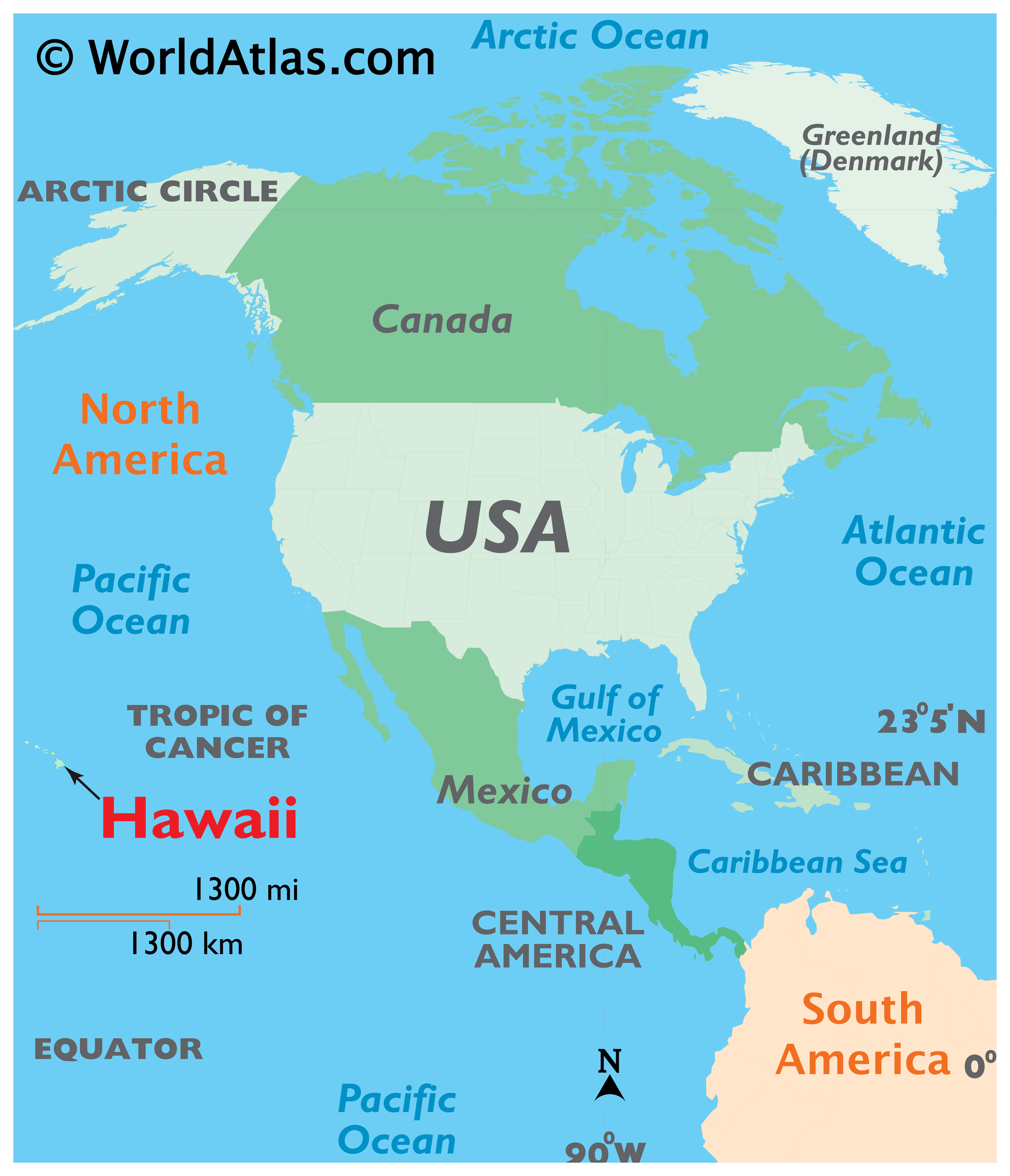
To truly appreciate Hawaii, one must first understand its foundational geography. Nestled in the vast expanse of the Pacific Ocean, it holds the distinction of being the most isolated population center on Earth, thousands of miles from any continental landmass. This isolation has played a pivotal role in shaping its unique ecosystems, cultural evolution, and the very essence of its allure as a premier travel destination.
An Archipelago in the Pacific
Hawaii is an archipelago, a chain of islands formed by volcanic activity over millions of years. This incredible natural phenomenon has created a diverse landscape, from the active volcanoes of the Big Island to the ancient, eroded cliffs of Kauai. Geographically, it is located roughly 2,400 miles (3,862 kilometers) southwest of California, placing it firmly within Oceania and making it the only US state not located in the Americas. This strategic location has historically made it a crossroads for Polynesian voyagers and, later, a significant point for trade and military operations.
The chain comprises eight main islands, along with numerous smaller islets and atolls stretching over 1,500 miles (2,400 kilometers). These primary islands are, from west to east: Niihau, Kauai, Oahu, Molokai, Lanai, Maui, Kahoolawe, and the Island of Hawaii, often referred to as the Big Island. Each island possesses its own distinct personality, drawing visitors with varied attractions and unique experiences, from bustling urban centers to secluded natural havens.
The Major Islands: A Diverse Ensemble
Understanding the characteristics of each main island is key to planning a Hawaii trip that aligns with your travel desires.
-
Oahu: The Gathering Place
Home to the state capital, Honolulu, and the iconic Waikiki Beach, Oahu is the most populous and developed island. It’s a vibrant hub offering a dynamic blend of city life, historic landmarks like Pearl Harbor, world-class dining, and renowned surfing spots on the North Shore. Travelers seeking a lively atmosphere with diverse activities and easy access to amenities often choose Oahu as their primary base. Its plethora of hotels and resorts, ranging from luxury suites to family-friendly apartments, makes accommodation planning straightforward. -
Maui: The Valley Isle
Known for its romantic appeal and stunning landscapes, Maui is a favorite for couples and those seeking a blend of relaxation and adventure. Key attractions include the scenic Road to Hana, the majestic sunrise from atop Haleakala volcano, and the beautiful beaches of Ka’anapali and Wailea. Maui offers luxurious resorts and boutique villas, making it a prime destination for luxury travel. -
Island of Hawaii (The Big Island): The Orchid Isle
The largest island by far, the Big Island is a land of dramatic contrasts, boasting 11 of the world’s 13 climate zones. It’s home to Hawaii Volcanoes National Park, where visitors can witness active volcanoes and recent lava flows. Other unique features include black sand beaches, verdant coffee plantations in Kona, and the snow-capped peak of Mauna Kea. This island is ideal for adventure seekers and nature enthusiasts. -
Kauai: The Garden Isle
A verdant paradise characterized by its lush rainforests, cascading waterfalls, and dramatic cliffs, Kauai is perfect for eco-tourism and outdoor activities. The breathtaking Na Pali Coast is a must-see, accessible by boat or helicopter, while Waimea Canyon, often called the “Grand Canyon of the Pacific,” offers stunning vistas. Kauai attracts those looking for a serene retreat amidst spectacular natural beauty, often opting for charming boutique hotels or vacation rentals. -
Molokai: The Friendly Isle
Molokai remains largely undeveloped, offering a glimpse into old Hawaii. It’s known for its authentic local culture, remote beaches, and the Kalaupapa National Historical Park. Travelers seeking an off-the-beaten-path experience and a deeper connection with local traditions will find Molokai an intriguing choice. -
Lanai: The Pineapple Isle
Once entirely a pineapple plantation, Lanai is now a tranquil escape, offering luxurious resorts and rugged backcountry adventures. It’s a destination for those seeking privacy and exclusivity, with activities like off-roading, championship golf, and pristine snorkeling spots.
Immersing in the Aloha Spirit: Culture, Cuisine, and Community
Beyond its stunning geography, Hawaii’s true essence lies in its vibrant culture, deeply rooted in the concept of “Aloha Spirit”—a philosophy of kindness, harmony, and mutual respect. This spirit permeates every aspect of life on the islands, from its music and dance to its delectable cuisine and warm hospitality.
A Rich Polynesian Heritage
The indigenous Hawaiian culture is a direct descendant of the Polynesian navigators who journeyed thousands of miles across the Pacific in double-hulled canoes, guided by stars and ocean currents. This rich heritage is evident in the language, traditional practices, and reverence for the land and sea. Visitors can delve into this history by exploring cultural sites, attending traditional luaus, and learning about the art of hula dancing. Museums and cultural centers across the islands, such as the Polynesian Cultural Center on Oahu, offer immersive experiences that bring ancient Hawaiian stories to life. Understanding and respecting this heritage is a crucial part of responsible tourism in Hawaii.
Culinary Delights of the Islands
Hawaiian cuisine is a mouth-watering fusion of Polynesian traditions, Asian influences, and fresh local ingredients. From casual food trucks to upscale dining, the islands offer a diverse gastronomic journey. Must-try dishes include poke bowls (cubed raw fish), kalua pig (slow-cooked pork traditionally prepared in an imu, an underground oven), fresh seafood, and, of course, the ubiquitous shave ice. Farmers’ markets are excellent places to sample local produce like tropical fruits, macadamia nuts, and freshly brewed Kona coffee. Many resorts also host unique culinary experiences, from cooking classes focusing on regional specialties to farm-to-table dining events, allowing guests to fully immerse themselves in the local food scene.
Embracing Local Traditions and Activities
Participating in local activities is an integral part of experiencing the Aloha Spirit. Surfing, originating with the ancient Hawaiians, is more than just a sport; it’s a way of life. Beginners can take lessons at famous spots like Waikiki, while seasoned pros tackle the legendary waves of the North Shore. Other water activities include snorkeling or diving in pristine coral reefs, stand-up paddleboarding, and kayaking. On land, hiking through lush trails, exploring volcanic landscapes, and visiting botanical gardens offer glimpses into Hawaii’s incredible biodiversity. Attending a traditional luau provides an evening of entertainment, featuring hula dancing, live music, and a feast of Hawaiian dishes, all set against a stunning sunset backdrop. These cultural activities deepen appreciation for the islands’ unique identity and foster memorable experiences.
Navigating Your Hawaiian Journey: Travel, Stays, and Experiences
Planning a trip to Hawaii involves considering logistics, accommodation options, and tailoring your itinerary to specific interests. Given the vastness and diversity of the islands, a well-thought-out plan can significantly enhance your travel experience.
Planning Your Island Hopping Adventure
Most international and mainland US flights arrive at Daniel K. Inouye International Airport (HNL) in Honolulu on Oahu. From there, inter-island flights are frequent and relatively short, connecting you to other major islands. When deciding which islands to visit, consider the length of your trip and your primary interests. A common recommendation for first-time visitors is to spend 3-5 days on Oahu to experience its historical sites and urban attractions, followed by 5-7 days on either Maui or the Big Island for their natural wonders and diverse activities.
Car rental is highly recommended on most islands, especially for exploring beyond the main tourist areas. Public transportation is limited outside of Honolulu. The best time to visit Hawaii is generally during the shoulder seasons (April-May and September-November) when the weather is pleasant, and crowds are thinner, offering a more relaxed experience. Packing essentials include reef-safe sunscreen, comfortable walking shoes, swimwear, and light clothing suitable for warm weather, along with a light jacket for cooler evenings or higher elevations like Haleakala.
Finding Your Perfect Hawaiian Home: Accommodation Options
Hawaii offers an extensive range of accommodation options to suit every budget and travel style. Whether you’re planning a luxurious honeymoon, a fun-filled family trip, or an adventurous budget travel escape, you’ll find suitable choices.
-
Luxury Resorts and Hotels: Destinations like Waikiki, Ka’anapali, and Wailea are home to world-class resorts offering extensive amenities such as spas, golf courses, oceanfront dining, and concierge services. Brands like Four Seasons, Ritz-Carlton, and Grand Hyatt provide exceptional service and luxurious settings, perfect for a romantic getaway or an indulgent escape. Guests can often find detailed reviews and comparison tools on accommodation websites to aid in their selection.
-
Boutique Hotels and Vacation Villas: For a more personalized experience, boutique hotels offer unique charm and often a deeper connection to local culture. Vacation villas and apartments are ideal for families or groups, providing more space, kitchens, and a home-away-from-home feel. These are particularly popular for long-term stays or those seeking privacy.
-
Budget-Friendly Options: While Hawaii can be an expensive destination, there are ways to manage costs. Hostels, smaller local hotels outside prime tourist zones, and campgrounds (with proper permits) offer more economical alternatives. Booking well in advance, especially during peak seasons, can also help secure better rates. Utilizing booking platforms and comparing options is always advisable.
Must-Visit Landmarks and Attractions
Hawaii is home to countless landmarks, both natural and historical, that captivate visitors.
-
Pearl Harbor (Oahu): A profoundly moving historical site, offering a poignant look into World War II history and the attack that propelled the United States into the conflict. The USS Arizona Memorial is a powerful reminder of sacrifice.
-
Hawaii Volcanoes National Park (Big Island): Home to Kilauea and Mauna Loa, two of the world’s most active volcanoes. Visitors can hike across old lava fields, explore lava tubes, and, if conditions permit, witness mesmerizing glow from active vents.
-
Na Pali Coast (Kauai): Famous for its towering, emerald-green cliffs and secluded beaches, this stunning coastline is best explored via boat tour, kayak, or helicopter for truly unforgettable views.
-
Haleakala National Park (Maui): Witnessing the sunrise or sunset from the summit of this dormant volcano is a spiritual experience, offering panoramic views above the clouds. The park also provides opportunities for hiking and stargazing.
-
Waikiki Beach (Oahu): While bustling, Waikiki is an iconic beach known for its gentle waves perfect for learning to surf, its vibrant atmosphere, and its proximity to shopping and dining. The backdrop of Diamond Head adds to its charm.
-
Road to Hana (Maui): More than just a road, it’s an adventure through lush rainforests, past cascading waterfalls, and along winding coastal cliffs, offering numerous stops for scenic beauty and local treats.
The Hawaiian Lifestyle: Crafting Your Ideal Escape
Hawaii offers a lifestyle for every inclination, whether you’re seeking opulent relaxation, thrilling adventures, or a memorable family vacation. Its unique environment also emphasizes the importance of sustainable and responsible tourism.
Luxury, Adventure, and Family Fun
-
Luxury Travel: From exclusive beachfront villas on Lanai to opulent resorts in Wailea, Hawaii caters to the most discerning travelers. Private chef services, yacht charters, and personalized concierge services ensure an unparalleled experience. Many luxury hotels offer special amenities and tailor-made experiences for their guests.
-
Adventure Travel: The islands are a playground for adventurers. Explore lava tubes on the Big Island, hike to hidden waterfalls on Kauai, surf the legendary waves of Oahu’s North Shore, or snorkel with manta rays in Kona. The diverse landscape ensures there’s always a new thrill to discover.
-
Family Trips: With endless beaches, calm snorkeling spots, educational cultural sites, and resorts designed with children in mind, Hawaii is an ideal destination for family trips. Many hotels offer kids’ clubs, specific pools, and family-friendly suites or apartments, making travel with children enjoyable and stress-free.
Sustainable and Responsible Tourism
Given Hawaii’s fragile ecosystems and unique culture, embracing sustainable and responsible tourism practices is paramount. This includes respecting local customs, supporting local businesses, practicing reef-safe habits (e.g., using mineral sunscreens), conserving water and energy, and properly disposing of waste. Many tour operators and accommodations are now actively promoting eco-friendly practices, allowing visitors to enjoy the islands while minimizing their environmental footprint and positively contributing to the local community. By choosing responsible tourism, travelers help preserve the pristine beauty and vibrant culture that make Hawaii so special for generations to come.
In conclusion, Hawaii is not just a geographical location in the middle of the Pacific; it is a profound journey into a world of breathtaking natural wonders, deeply rooted cultural traditions, and a spirit of welcome unlike any other. Whether drawn by the allure of an active volcano, the serenity of a secluded beach, or the vibrant energy of Honolulu, understanding “where” Hawaii is means embracing its isolation, its diversity, and its enduring Aloha Spirit. It’s a destination that promises not just a vacation, but a transformative experience, leaving an indelible mark on every visitor.
LifeOutOfTheBox is a participant in the Amazon Services LLC Associates Program, an affiliate advertising program designed to provide a means for sites to earn advertising fees by advertising and linking to Amazon.com. Amazon, the Amazon logo, AmazonSupply, and the AmazonSupply logo are trademarks of Amazon.com, Inc. or its affiliates. As an Amazon Associate we earn affiliate commissions from qualifying purchases.