
Embarking on a new adventure, whether it’s relocating for a long-term stay, planning an extensive tour, or simply settling into a vibrant new community, often requires navigating essential administrative tasks. One such crucial step for anyone planning to spend a significant amount of time in the Lone Star State, or even just needing reliable identification for travel, is acquiring a Texas ID card. Beyond mere compliance, this official document unlocks a smoother, more enriching experience across the vast landscapes and bustling cities of Texas, impacting everything from hotel check-ins to accessing local attractions.
This comprehensive guide aims to demystify the process of obtaining an ID card in Texas, delving into the costs, requirements, and, most importantly, the invaluable role it plays in your travel, accommodation, and lifestyle pursuits. From the vibrant live music scene of Austin to the historic Alamo in San Antonio, and the sprawling metropolises of Dallas and Houston, having a valid Texas ID card is your passport to hassle-free exploration and integration.
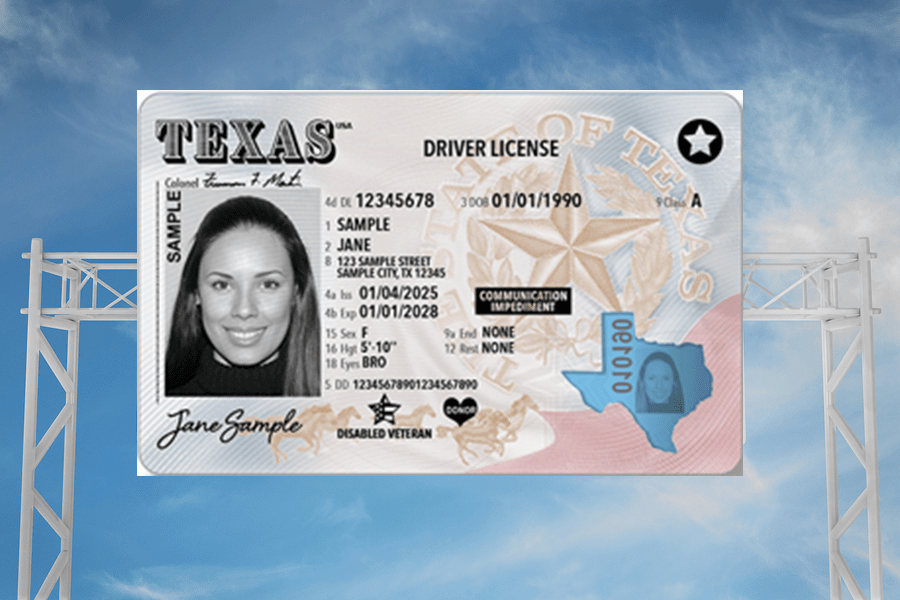
Understanding the Texas ID Card: More Than Just a Document
At its core, a Texas ID card is a government-issued identification document that verifies your identity and residency within the state. Unlike a driver’s license, its primary purpose is not to grant driving privileges but to serve as a reliable form of identification for non-drivers or those who prefer to keep their driving license separate for travel purposes. For visitors contemplating an extended stay, students moving for university, or professionals on long-term assignments, securing a Texas ID card is a foundational step towards establishing a seamless local presence.
Who Needs a Texas ID Card?
The utility of a Texas ID card extends far beyond the obvious. It’s a fundamental requirement for numerous daily activities and essential services, particularly relevant to the realms of travel, tourism, and lifestyle.
- Non-Driving Residents: For individuals residing in Texas who do not possess a driver’s license, either because they don’t drive or are too young, the ID card is their primary form of official identification. This is especially true for elderly residents who may have ceased driving but still require valid identification for banking, medical appointments, or accessing senior discounts at various attractions.
- Travelers Needing Secondary ID: While a passport serves as primary identification for international travel, a Texas ID can be a convenient and often required secondary form of identification for domestic travel, especially when navigating Transportation Security Administration (TSA) checkpoints at airports like Dallas/Fort Worth International Airport or George Bush Intercontinental Airport. It’s also invaluable for hotel check-ins, car rentals, and other travel-related services where photographic ID is mandatory.
- Minors for Age Verification: Teenagers and young adults often need a valid ID for age verification, whether it’s to attend certain concerts in Austin, gain entry to specific venues, or prove eligibility for student rates at museums and cultural landmarks such as the Sixth Floor Museum at Dealey Plaza in Dallas.
- Long-Term Visitors and Expats: For individuals planning to immerse themselves in Texas life for an extended period – perhaps for study, work, or simply experiencing the local culture – a Texas ID card helps solidify their local presence. It simplifies opening bank accounts, signing leases for long-term accommodation, and engaging with various community services.
The Difference Between a Driver’s License and an ID Card
While both a Texas driver’s license and an ID card are issued by the Texas Department of Public Safety (DPS) and serve as official identification, their core functions differ. A driver’s license grants the holder the legal privilege to operate a motor vehicle on public roads, in addition to acting as an ID. An ID card, however, provides identification only, without any driving privileges.
For travelers and those focused on lifestyle experiences that don’t involve driving, the ID card offers a less complicated path to obtaining official identification. It has the same level of acceptance as a driver’s license for verification purposes, making it equally effective for booking accommodation, enjoying tourist attractions, or participating in local events across Texas. This distinction is particularly useful for international visitors who may possess a valid foreign driver’s license but still require a local Texas ID for seamless integration into daily life.
Navigating the Application Process: Your Guide to a Texas ID
Obtaining a Texas ID card is a straightforward process, designed to be accessible to all eligible residents. While it requires gathering specific documentation and making a trip to a Texas Department of Public Safety (DPS) office, understanding the steps beforehand can significantly streamline your experience, ensuring you’re ready to explore all that Texas has to offer without administrative delays.
Essential Documentation Requirements
The key to a smooth application is thorough preparation. The Texas Department of Public Safety (DPS) requires several documents to verify your identity, residency, and legal status. It is always recommended to check the official Texas Department of Public Safety (DPS) website for the most current and detailed list of acceptable documents, but generally, you will need:
- Proof of Identity: This is paramount. Acceptable documents include an unexpired U.S. passport or passport card, an original or certified copy of a birth certificate (U.S. issued), or a Certificate of Naturalization or Citizenship. For international visitors, a foreign passport with a U.S. visa and an I-94 document (Arrival/Departure Record) might be necessary.
- Proof of U.S. Citizenship or Lawful Presence: Beyond identity, the state needs to confirm your legal standing. For U.S. citizens, documents like a birth certificate or passport suffice. Non-citizens must provide documentation from the U.S. Citizenship and Immigration Services (USCIS) showing proof of lawful presence (e.g., Green Card, work authorization card, or an unexpired foreign passport with a valid U.S. visa).
- Proof of Texas Residency: To demonstrate you are a resident of Texas, you will need two documents verifying your current physical address. These can include a current utility bill (electricity, water, gas), a valid Texas vehicle registration or title, a current homeowner’s or renter’s insurance policy, or a valid lease agreement or mortgage statement. This requirement is particularly important for individuals new to the state, ensuring they have established a local footprint for accommodation.
- Proof of Social Security Number (SSN): Your Social Security card or a document containing your SSN (such as a W-2 form, SSA-1099, or a pay stub with your SSN) is typically required.
Step-by-Step Application at the DPS
Once your documents are in order, the application process itself is structured and straightforward:
- Locate a Texas Department of Public Safety (DPS) Office: Use the official Texas Department of Public Safety (DPS) website to find the nearest office. It’s often advisable to use their online appointment scheduling system, if available, to minimize wait times, especially in bustling tourist hubs like Austin or Houston.
- Complete the Application Form: You can often download and fill out the application form (Form DL-14A for an original ID card) online before your visit, saving time at the office.
- Present Documents: At the Texas Department of Public Safety (DPS) office, you will present all your required original documents to a clerk for verification.
- Fingerprints, Photo, and Signature: You will be required to provide fingerprints, have your photograph taken for the ID card, and provide a digital signature. This process is standard for secure government-issued identification.
- Pay the Fee: The applicable fee for your ID card will be collected. Payment methods usually include cash, check, money order, or credit card.
- Receive Temporary ID: Upon successful completion of all steps, you will be issued a temporary ID card. Your permanent, official Texas ID card will then be mailed to your address, typically within a few weeks. This temporary ID is generally accepted for most purposes until your permanent card arrives, allowing you to proceed with your travel and accommodation plans.

The Cost of a Texas ID Card: Fees and Validity
Understanding the financial aspect of acquiring a Texas ID card is crucial for budgeting, especially if you’re managing travel expenses or planning a long-term stay. The fees are standardized but vary slightly based on age, reflecting Texas’s commitment to accessibility for all residents, particularly its seniors.
Standard Fees for Different Age Groups
The Texas Department of Public Safety (DPS) sets the fees for ID cards, and these are subject to change, so always verify the latest information on their official website. As of current information, the typical fee structure is as follows:
- Applicants Under 60 Years Old: The standard fee for a Texas ID card for individuals under the age of 60 is generally around $16. This card is typically valid for six years from the date of issue. This modest cost ensures broad access to official identification for the majority of the population, facilitating everything from domestic air travel to accessing local amenities in cities like Fort Worth or Corpus Christi.
- Applicants Aged 60 to 84 Years Old: For seniors in this age bracket, the state offers a reduced fee, usually around $6. This acknowledges the importance of accessible identification for older residents who may rely on it for healthcare, senior discounts at attractions, or proof of identity for various services. These cards are also typically valid for six years.
- Applicants Aged 85 Years Old and Over: In a gesture of support for its most senior citizens, Texas generally waives the fee for ID cards for individuals aged 85 and above. This ensures that identification remains free and accessible, supporting their continued participation in community life and travel experiences within and beyond the state. These cards are often valid for eight years.
It’s important to remember that these fees are for an original ID card. Fees for renewals or replacements of lost or stolen cards may vary.
Potential Additional Costs and Considerations
While the ID card fee itself is relatively low, there are a few other considerations that might factor into your overall cost:
- Document Acquisition Costs: If you need to order a new copy of your birth certificate or other official documents, there might be associated fees from the issuing agencies.
- Transportation to DPS Office: Factor in the cost of fuel or public transport to get to a Texas Department of Public Safety (DPS) office, especially if you live in a more rural area of Texas or if the closest office is a significant distance.
- Expedited Services (if available): While generally not offered for initial ID card applications, some states or third-party services might offer expedited processing for certain documents. However, for a standard Texas ID card, the process is usually a fixed timeline.
- The Value Proposition: Beyond the monetary cost, consider the invaluable convenience and security that a Texas ID card provides. For a relatively small fee, you gain a recognized form of identification that streamlines travel, accommodation bookings, and countless daily interactions, making your stay in Texas significantly smoother and more enjoyable. It’s an investment in peace of mind and access, facilitating everything from a luxury stay at Hotel Emma in San Antonio to a budget-friendly road trip through Big Bend National Park.
The Indispensable Role of Your Texas ID in Travel and Lifestyle
For residents and long-term visitors to the Lone Star State, a Texas ID card is far more than a bureaucratic formality; it’s a key that unlocks countless travel opportunities and enhances the overall lifestyle experience. Its importance resonates across various facets of modern living, ensuring security, convenience, and access to the rich tapestry of Texan culture and attractions.
Seamless Travel Experiences Across Texas and Beyond
Your Texas ID card plays a critical role in facilitating smooth and stress-free travel, whether you’re journeying within the state or flying domestically across the United States.
- Domestic Air Travel: In an era of heightened security, a REAL ID-compliant Texas ID card is a primary requirement for passing through Transportation Security Administration (TSA) checkpoints at airports. Whether you’re flying from Austin-Bergstrom International Airport for a business trip or catching a flight from El Paso for a family vacation, your Texas ID ensures a swift check-in process, aligning with federal security standards.
- Hotel and Accommodation Check-ins: From quaint boutique hotels in Marfa to expansive resorts on South Padre Island, hotels universally require a valid photo ID upon check-in. Your Texas ID simplifies this process, whether you’re securing a suite at The Driskill Hotel in Austin or an apartment for a long-term stay. It confirms your identity and often facilitates the booking and review process, ensuring a secure and hassle-free accommodation experience.
- Car Rentals: Exploring the vast landscapes of Texas often involves renting a vehicle. Reputable car rental agencies require a valid driver’s license (if you’re driving) and often a secondary form of identification, for which your Texas ID is perfectly suited, especially for non-drivers in the group. This allows you to embark on road trips to destinations like Guadalupe Mountains National Park or visit the iconic Cadillac Ranch near Amarillo.
- Accessing Attractions and Activities: Many popular tourist attractions, museums, and entertainment venues require identification for entry, especially if there are age restrictions or if you’ve purchased tickets online. Your Texas ID ensures seamless access to landmarks like Space Center Houston or historic sites within San Antonio’s River Walk, allowing you to fully immerse yourself in the local culture and activities.
- Purchasing Age-Restricted Items: For adults, a Texas ID is essential for purchasing alcohol, tobacco, or entering age-restricted venues, ensuring compliance with state laws while enjoying Texas’s vibrant nightlife and dining scenes.
Enhancing Your Texas Tourism and Lifestyle Journey
Beyond the practicalities of travel, a Texas ID card significantly enriches your lifestyle within the state, bridging the gap between being a visitor and becoming an integrated part of the community.
- Experiencing Local Culture and Entertainment: Whether it’s enjoying the legendary live music scene in Austin, exploring the diverse culinary landscape of Houston, or line dancing at a honky-tonk in The Stockyards National Historic District in Fort Worth, your ID is often required. It’s a key to authentic Texan experiences, allowing you to participate fully in the state’s vibrant social fabric.
- Accessing Local Discounts and Services: Many local businesses, museums, and state parks offer discounts to Texas residents. Presenting your Texas ID can unlock these savings, making your exploration of places like Galveston’s historic Pleasure Pier or the tranquil beaches of Corpus Christi more budget-friendly. It also simplifies accessing public libraries, recreational centers, and other community services.
- Facilitating Long-Term Accommodation: For those planning an extended stay, securing an apartment or house often involves credit checks and identity verification. A Texas ID provides a strong, local form of identification, streamlining the process of booking long-term accommodation and establishing residency.
- Civic Engagement and Everyday Convenience: From voting in local elections (for eligible citizens) to simply picking up packages at the post office or confirming your identity for banking transactions, the Texas ID card is an indispensable tool for daily convenience and civic participation. It is a symbol of your connection to the state, simplifying routine interactions and providing peace of mind.
In conclusion, the question of “How much for an ID card in Texas?” is easily answered with a relatively modest fee. However, the true value of obtaining this document extends far beyond its cost. It is an investment in security, convenience, and unparalleled access to the myriad travel, tourism, and lifestyle opportunities that the great state of Texas has to offer. Whether you’re a long-time resident or embarking on a new adventure in the Lone Star State, your Texas ID card is an essential companion for a richer, more integrated experience.
LifeOutOfTheBox is a participant in the Amazon Services LLC Associates Program, an affiliate advertising program designed to provide a means for sites to earn advertising fees by advertising and linking to Amazon.com. Amazon, the Amazon logo, AmazonSupply, and the AmazonSupply logo are trademarks of Amazon.com, Inc. or its affiliates. As an Amazon Associate we earn affiliate commissions from qualifying purchases.