
The allure of a perfect getaway often comes with a hefty price tag, and for many travelers, the cost of accommodation is the single largest expense. From the bustling metropolises of New York City and London to serene island paradises like the Maldives or the historic charm of Paris, hotels worldwide can command surprisingly high rates. This frequently prompts the question: why are hotels so expensive? The answer is a complex tapestry woven from operational costs, market dynamics, location advantages, and the ever-evolving expectations of the modern traveler. Understanding these multifaceted factors can provide valuable insights into the true value proposition of a hotel stay, whether you’re seeking a luxury resort experience or a more budget-friendly option.
The Intricate Web of Operational Costs
Running a hotel is an incredibly resource-intensive endeavor, requiring a vast array of services, infrastructure, and human capital to operate seamlessly 24 hours a day, 7 days a week. The expenses associated with maintaining such an establishment are substantial and form the bedrock of pricing structures.
Staffing and Labor Expenses
Perhaps the most significant and often underestimated cost is labor. Hotels are, at their heart, service-oriented businesses, and delivering exceptional guest experiences requires a dedicated and diverse workforce. Think about it: from the moment you check in with the friendly front desk agent to the meticulously clean room prepared by housekeeping, the gourmet meal crafted by a chef, or the security personnel ensuring your safety, countless individuals contribute to your stay.
A typical full-service hotel employs staff across numerous departments:
- Front Office: Receptionists, concierges, bellhops, and guest relations.
- Housekeeping: Room attendants, laundry staff, supervisors.
- Food and Beverage: Chefs, cooks, waiters, bartenders, kitchen porters, banquet staff.
- Maintenance: Engineers, electricians, plumbers, painters, landscapers.
- Sales and Marketing: Account managers, event planners, digital marketers.
- Administration: General managers, human resources, finance, security.
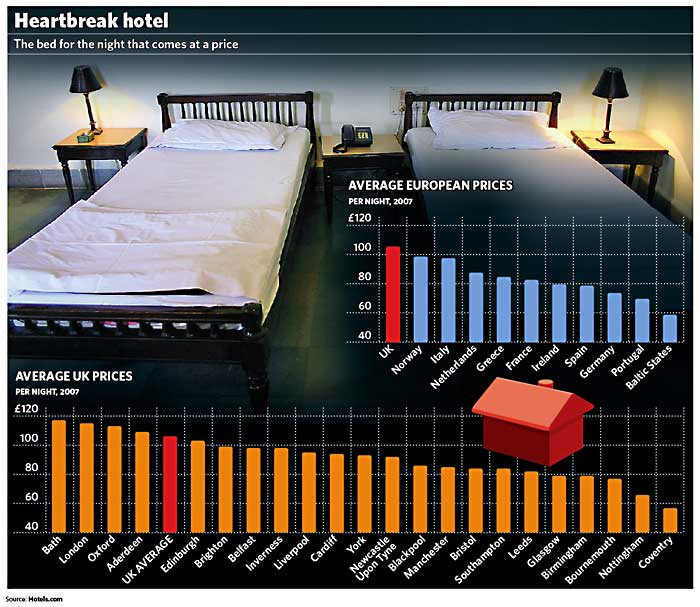
Each of these roles commands a salary, along with benefits such as health insurance, retirement plans, and paid time off. Training new employees, ensuring compliance with labor laws, and managing a large payroll across different shifts significantly adds to the operational budget. In cities with high living costs or strong unionization, labor expenses can skyrocket, directly impacting room rates. For instance, a Grand Hyatt Hotel in a major metropolitan area will have considerably higher labor costs than a roadside motel in a rural setting, a difference reflected in its pricing.
Property Maintenance and Infrastructure
A hotel is much more than just a place to sleep; it’s a living, breathing building that requires constant care and significant investment to remain functional, appealing, and competitive. The sheer scale of property maintenance is staggering. This includes:
- Utilities: Electricity for lighting, heating, and air conditioning (which operate round-the-clock), water for showers and cleaning, and gas for kitchens. These costs can be astronomical, particularly for large resorts or properties in regions with high energy prices.
- Regular Upkeep: Routine cleaning, painting, repairs to plumbing and electrical systems, and pest control.
- Preventative Maintenance: Ensuring that all systems – HVAC, elevators, kitchen equipment, pools – are regularly inspected and serviced to prevent costly breakdowns.
- Renovations and Upgrades: To stay competitive and meet evolving guest expectations, hotels must periodically invest in major renovations. This could involve updating guest rooms, redesigning lobbies, revamping restaurants, or upgrading spa and fitness centers. These projects often cost millions of dollars and are amortized into room rates over time.
- Insurance and Taxes: Hotels carry extensive insurance policies covering property damage, liability, and business interruption. Property taxes, especially for prime real estate, can also be a considerable annual expense.
Consider a historic landmark hotel like The Plaza Hotel in New York City; the cost of maintaining its opulent facade, intricate interiors, and ensuring its infrastructure meets modern standards is immense, contributing to its premium rates.
Essential Supplies and Services
Beyond the building and the people, hotels rely on a steady stream of supplies and external services. These everyday necessities add up quickly:
- Guest Amenities: Toiletries, fresh linens, towels, coffee, and minibar items.
- Food and Beverage: The ingredients for restaurants, bars, room service, and complimentary breakfasts.
- Cleaning Supplies: Detergents, disinfectants, and equipment necessary for maintaining hygiene standards.
- Technology: High-speed internet access, television services, booking software, property management systems, and cybersecurity measures. These are no longer luxuries but expected essentials.
- Security Systems: Surveillance cameras, access control systems, and security personnel.
- Marketing and Distribution: Costs associated with advertising, website development, and commissions paid to Online Travel Agencies (Booking.com, Expedia, etc.).
The cumulative effect of these seemingly minor expenses is substantial, making up a significant portion of a hotel’s operating budget.
Location, Demand, and Market Dynamics
Just like in real estate, the mantra “location, location, location” profoundly impacts hotel pricing. Beyond fixed costs, market forces and strategic positioning play an enormous role in determining how much you pay for a room.
Prime Locations and Real Estate Value
Hotels situated in highly desirable areas naturally command higher prices. This is due to several factors:
- Land Value: Real estate in prime locations – whether it’s beachfront property in Miami, a central spot near the Eiffel Tower in Paris, or within walking distance of Times Square in New York City – is incredibly expensive. The cost of acquiring or leasing such land is factored into the hotel’s investment and, subsequently, its room rates.
- Accessibility and Convenience: Proximity to major attractions, business districts, transportation hubs (airports, train stations), or convention centers adds immense value. Guests are often willing to pay a premium for convenience and reduced travel time.
- Scarcity: In some sought-after destinations, there might be limited space for new hotel development, creating a supply shortage that drives up prices for existing properties. Consider the historic center of Venice, where new construction is nearly impossible, making existing hotel rooms exceptionally valuable.
Supply and Demand Fluctuations
Hotel pricing is highly dynamic and responsive to the classic economic principles of supply and demand.
- Peak Seasons: During popular travel periods, such as summer holidays, Christmas, or school breaks, demand for rooms surges. Hotels utilize dynamic pricing models to increase rates when occupancy is high. A beachfront resort in Cancun will be significantly more expensive in March during spring break than in September.
- Special Events: Major events like the Olympics in Paris, the Carnival in Rio, international conferences in Geneva, or popular festivals like Oktoberfest in Munich can cause hotel prices to skyrocket. Hotels know that attendees are often willing to pay a premium to be part of these unique experiences.
- Weekdays vs. Weekends: Business travel often dominates weekdays in urban centers, leading to higher corporate rates. Conversely, leisure travelers tend to book weekends, especially in popular tourist destinations. This fluctuation means prices can vary significantly even within the same week.
- Last-Minute Bookings: While sometimes a gamble that pays off, last-minute bookings often come with higher prices, especially if demand is high, as hotels aim to maximize revenue from unsold rooms.
Brand Reputation and Market Positioning
The brand associated with a hotel carries significant weight and contributes to its pricing strategy.
- Luxury Brands: Chains like Ritz-Carlton, Four Seasons, St. Regis, or Mandarin Oriental are synonymous with opulence, impeccable service, and exclusive amenities. Their pricing reflects the promise of an unparalleled experience, often including personalized concierge services, fine dining, and lavish accommodations.
- Mid-Range and Full-Service: Brands like Marriott, Hilton, and Hyatt Regency cater to a broader market, offering a comfortable and consistent experience with a good range of amenities (e.g., swimming pools, restaurants, business centers). Their pricing strikes a balance between quality and affordability.
- Boutique Hotels: Smaller, independently owned hotels often focus on unique design, personalized service, and a distinct atmosphere. While some can be budget-friendly, many, like Hotel Daniel Paris, offer a luxury experience differentiated by their individuality, allowing them to charge premium rates.
- Budget and Economy: These hotels prioritize affordability and essential comforts, typically stripping away non-essential amenities to keep costs down.
Guests are often willing to pay more for the assurance of quality, consistency, and the prestige associated with a particular brand or style of accommodation.
Guest Experience and Added Value
Beyond the fundamental need for a bed, hotels strive to provide an experience that justifies their price point. This involves offering a range of amenities, leveraging technology, and investing in effective marketing and distribution.
Amenities and Services that Elevate Stays
Modern travelers expect more than just a room. Hotels differentiate themselves and justify higher prices by offering a rich array of amenities and services:
- Gourmet Dining: On-site restaurants with celebrity chefs, diverse culinary options, and elaborate room service menus.
- Wellness Facilities: State-of-the-art fitness centers, spa treatments, yoga classes, and luxurious swimming pools (indoor or outdoor).
- Business Services: Conference rooms, meeting facilities, business centers, and high-speed Wi-Fi essential for business travelers.
- Concierge Services: Personalized assistance with bookings, local recommendations, transportation, and tour arrangements, enhancing the overall travel experience.
- Unique Experiences: From private beach access in Bora Bora to cultural immersion programs in Kyoto, hotels are increasingly selling memorable moments rather than just rooms.
- Family-Friendly Offerings: Kids’ clubs, babysitting services, and family-oriented activities at resorts like those found near Disneyland in Anaheim.
Each of these value-added services incurs costs for staffing, maintenance, and supplies, which are integrated into the room rate. For a traveler seeking a luxurious escape or a comprehensive family vacation, these amenities are part of the expected package.
Technology and Innovation
In the digital age, technology is a continuous and significant investment for hotels.
- Smart Room Features: In-room tablets for controlling lighting, temperature, and ordering room service; keyless entry systems via smartphones; and high-definition smart TVs.
- Advanced Booking Systems: Sophisticated revenue management software that analyzes market data, demand forecasts, and competitor pricing to optimize room rates in real-time. This is crucial for maximizing profitability.
- Digital Connectivity: Robust Wi-Fi networks capable of supporting multiple devices per guest, as well as digital concierge services and mobile check-in/check-out.
- Cybersecurity: Protecting guest data and payment information is paramount, requiring substantial investment in secure IT infrastructure and regular audits.
These technological enhancements improve efficiency, personalize the guest experience, and provide competitive advantages, but they come at a cost that is passed on to the consumer.
Marketing, Sales, and Distribution Channels
Reaching potential guests and securing bookings involves considerable expense.
- Online Travel Agencies (OTAs): While OTAs like Booking.com and Expedia bring in a large volume of bookings, they charge commissions that can range from 15% to 30% of the room rate.
- Direct Marketing: Hotels invest in their own websites, social media marketing, email campaigns, and search engine optimization (SEO) to encourage direct bookings, which are more profitable.
- Advertising: Campaigns across various media, including print, digital, and television, to build brand awareness and attract guests to popular destinations like Dubai or Santorini.
- Sales Teams: For corporate accounts, group bookings, and events, dedicated sales teams work to secure larger, more lucrative contracts.
- Loyalty Programs: These programs, designed to foster repeat business, also involve costs for rewards, discounts, and administrative overhead.
These marketing and distribution costs are an unavoidable part of doing business in a competitive global market and are factored into the final room price.
Economic Factors and Future Outlook
Broader economic forces also play a significant role in dictating hotel prices, often beyond the direct control of individual properties.
Inflation and Economic Pressures
The rising cost of living, global inflation, and supply chain disruptions directly impact hotel operating expenses.
- Rising Input Costs: The price of food, energy, cleaning supplies, and building materials can increase significantly over time. Hotels must adjust their pricing to absorb these escalating costs.
- Labor Costs: Wages generally increase over time due to inflation and competitive pressures, contributing to higher staffing expenses.
- Exchange Rates: For international travelers, fluctuating currency exchange rates can make a hotel stay seem more or less expensive depending on their home currency. A strong Euro can make travel to Italy or Spain feel more expensive for visitors from the United States.
Investment and Returns
Hotel development and ownership involve massive capital expenditure. Developers and investors expect a return on their investment.
- Construction Costs: Building a new hotel, especially in a prime urban location like Tokyo or Singapore, is an extremely expensive undertaking, encompassing land acquisition, construction materials, design, and regulatory compliance.
- Debt Servicing: Most hotel projects are financed through loans, and the interest on these loans must be repaid through hotel revenue.
- Profit Margins: Like any business, hotels aim to generate a profit to remain sustainable, invest in future growth, and provide returns to shareholders or owners. These desired profit margins are built into the pricing structure.
The long-term vision for a property, its potential for appreciation, and the expectations of its stakeholders all contribute to how its rooms are priced today. The balance between offering competitive rates and ensuring profitability is a constant challenge for hotel management.
Conclusion
The question “Why are hotels so expensive?” reveals a complex interplay of factors, far beyond just the simple cost of a room. It encompasses the round-the-clock labor of a dedicated team, the immense expense of maintaining a sophisticated property, the allure of prime real estate, and the relentless forces of supply and demand. It includes the ever-increasing expectations for top-tier amenities, cutting-edge technology, and effective marketing. For many, a hotel stay isn’t merely accommodation; it’s an integral part of the travel experience, offering comfort, convenience, and services that are difficult to replicate.
While the prices might seem daunting at times, understanding these underlying costs and market dynamics allows travelers to make more informed choices, finding value in everything from a luxury travel experience in Dubai to a budget-friendly stay in a bustling city. Ultimately, the cost reflects the intricate ecosystem of hospitality, where every detail contributes to the seamless experience guests have come to expect and cherish.
LifeOutOfTheBox is a participant in the Amazon Services LLC Associates Program, an affiliate advertising program designed to provide a means for sites to earn advertising fees by advertising and linking to Amazon.com. Amazon, the Amazon logo, AmazonSupply, and the AmazonSupply logo are trademarks of Amazon.com, Inc. or its affiliates. As an Amazon Associate we earn affiliate commissions from qualifying purchases.