
Embarking on a journey, whether it’s a short-term adventure or a long-term relocation, often involves meticulous planning. Beyond packing suitcases and mapping out iconic landmarks like The Alamo in San Antonio or exploring the vibrant music scene of Austin, a crucial, yet often overlooked, aspect of truly living “life out of the box” is understanding healthcare access in your chosen destination. For those considering an extended stay or even making a permanent move to the vast and diverse Lone Star State, understanding the local healthcare landscape, including programs like Medicaid, is paramount. This guide will walk you through the intricacies of securing Medicaid in Texas, integrating this vital information into the broader context of lifestyle choices, travel, and ensuring peace of mind during your Texas experience.
Imagine you’re planning an extended stay in Texas, perhaps drawn by its stunning natural beauty, from the rugged mountains of Big Bend National Park to the sandy shores of South Padre Island, or perhaps for the dynamic urban centers like Dallas and Houston. As you settle into a charming apartment in Austin or explore the historical depth of San Antonio’s Riverwalk, unforeseen health needs can arise. While travel insurance often covers emergencies, what about ongoing care or assistance for dependents during a longer stint? This is where a program like Medicaid becomes an invaluable resource for eligible individuals and families, ensuring that your exploration of Texas isn’t overshadowed by healthcare anxieties. Understanding its framework is a key step in responsible and stress-free long-term travel or relocation planning.
Understanding Healthcare for Your Texas Lifestyle
For many who embrace a nomadic lifestyle, or those simply planning an extended stay in a new state, healthcare can be a complex puzzle. In Texas, like every other state in the United States, there’s a safety net designed to provide essential health coverage to low-income individuals and families. This program is known as Medicaid. It’s a joint federal and state initiative, meaning that while federal guidelines set a baseline, each state has the autonomy to tailor its own specific eligibility rules and benefits. In Texas, the program is often referred to in conjunction with the Children’s Health Insurance Program (CHIP), highlighting its significant focus on younger populations.
Why is this relevant for someone focused on travel and lifestyle? Consider the implications for families exploring a temporary move to Texas for a cultural immersion experience, or digital nomads seeking a new base with a lower cost of living and vibrant community. For budget travelers or those with specific health needs, knowing that comprehensive health coverage might be accessible can be a game-changer. It means less worry about medical emergencies, routine check-ups, or prescriptions, allowing you to fully immerse yourself in the Texas experience, from savoring authentic barbecue to exploring unique hotels and accommodations. Medicaid ensures that health considerations don’t derail your journey or limit your ability to embrace new experiences. It empowers individuals and families to explore the rich tapestry of Texas without the constant burden of potential healthcare costs weighing on their minds. This foundational understanding is the first step in unlocking potential healthcare support during your stay.
Who Qualifies? Navigating Eligibility for Your Texas Journey
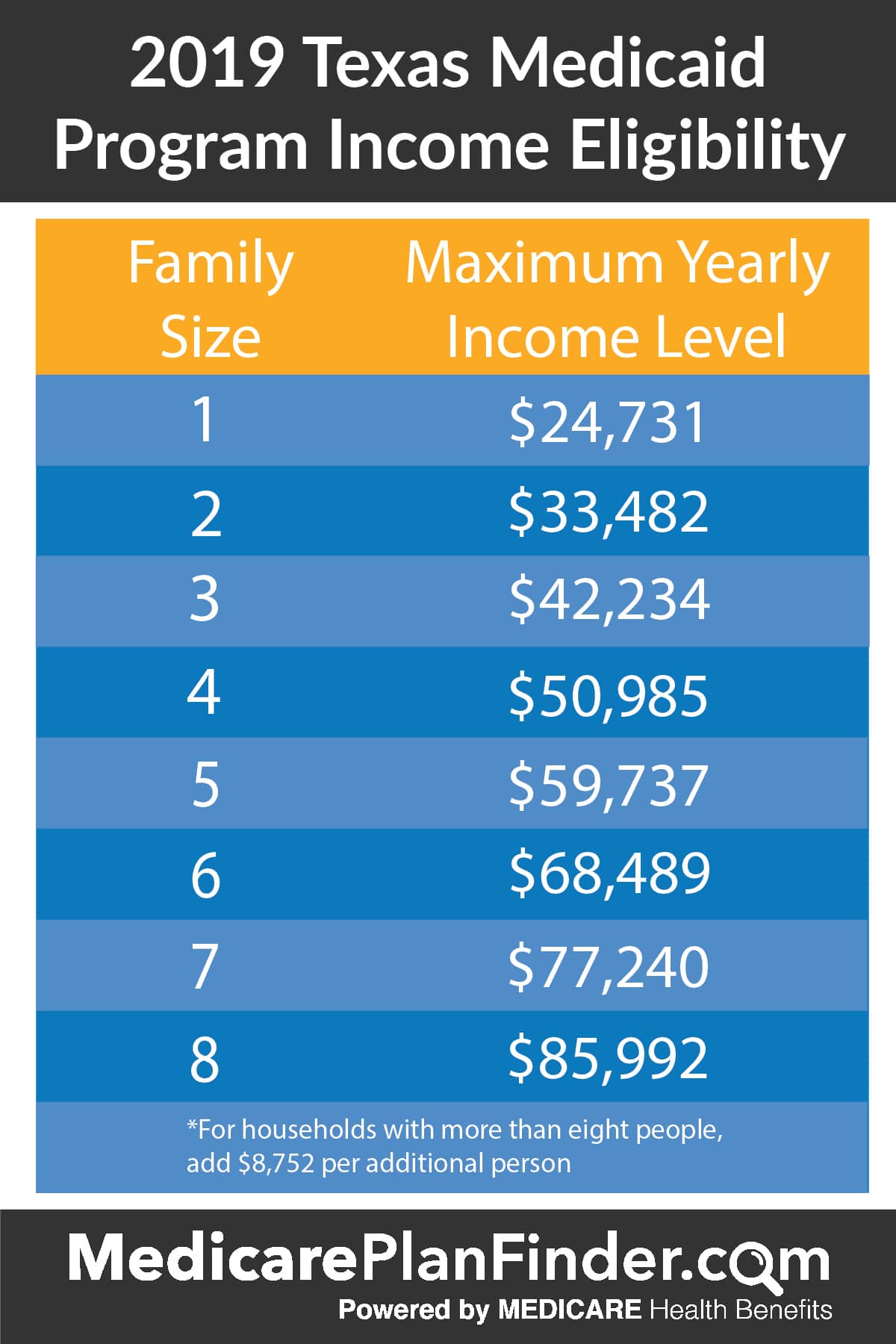
One of the most critical aspects of securing healthcare in a new locale is understanding the eligibility criteria. Texas Medicaid has specific requirements that differ from some other states, especially regarding income thresholds. For those planning a long-term stay or considering relocation, carefully reviewing these criteria is essential.
Key Eligibility Requirements
- Residency in Texas: This is a fundamental requirement. To be eligible for Texas Medicaid, you must be a resident of the state. This means intending to live in Texas and generally residing there. For travelers contemplating a longer stay, establishing residency might involve demonstrating ties to the state, such as a lease agreement, utility bills, or a Texas driver’s license.
- Citizenship or Qualified Non-Citizen Status: Applicants must be U.S. citizens, U.S. nationals, or qualified non-citizens. This typically includes lawful permanent residents (green card holders), refugees, asylum seekers, and certain other immigrant statuses. Understanding your immigration status is crucial for eligibility.
- Income – The Primary Factor: This is where Texas differs significantly from many states that have expanded Medicaid under the Affordable Care Act. Texas has not expanded its program to cover all low-income adults below 138% of the Federal Poverty Level (FPL). Instead, coverage is primarily available to specific, vulnerable groups.
- No General Expansion: Unlike states like California or New York where non-disabled adults under a certain income can qualify, Texas maintains stricter income limits, especially for childless adults. This is a critical consideration for solo travelers or individuals planning to work remotely from Texas.
- Specific Covered Groups: Eligibility largely depends on fitting into one of these categories:
- Children: Texas offers robust coverage for children. Kids up to age 18 in families with income up to 133% FPL are eligible for Medicaid. For those slightly above this threshold, the Children’s Health Insurance Program (CHIP) extends coverage up to 201% FPL. This is excellent news for families considering relocation, knowing their children’s health is a priority.
- Pregnant Women: Expectant mothers can qualify for Medicaid if their household income is up to 198% FPL. Crucially, this coverage extends for 12 months postpartum, providing essential support during a significant life transition.
- Parents/Caretaker Relatives: This category has very limited income thresholds, often below 18% FPL, making it challenging for many families to qualify solely on this basis.
- Adults with Disabilities: Individuals who receive Supplemental Security Income (SSI) or Social Security Disability Insurance (SSDI) are typically eligible for Medicaid. Other disability programs might also provide pathways to coverage. This is vital for individuals with disabilities considering Texas as a new home, perhaps for its accessible attractions or favorable climate.
- Seniors (Aged 65 and Older): Seniors with limited income and resources, often tied to their eligibility for SSI, can also qualify. Texas is a popular retirement destination, and understanding these programs is key for those looking to enjoy their golden years in comfort and security.
- Medically Needy Program (Spend-Down): For those whose income slightly exceeds the limits but have significant medical expenses, the “Medically Needy” or “Spend-Down” program may offer a path. Under this program, an individual’s medical bills can reduce their “countable” income to the eligibility threshold, allowing them to qualify for Medicaid for the remainder of a certification period once they’ve “spent down” to the limit.
- Asset Limits: For most Medicaid programs in Texas, assets like bank accounts, property (other than a primary residence), and vehicles are generally not counted. However, for certain programs, particularly those related to long-term care for seniors or individuals with disabilities, asset limits may apply. It’s important to clarify this based on your specific situation.
Navigating these eligibility requirements is a crucial step for anyone planning a significant stay in Texas. By understanding whether you or your family fall into one of the covered groups, you can better plan your healthcare strategy, ensuring that your lifestyle in the Lone Star State is as healthy and worry-free as possible.
The Application Process: Seamlessly Securing Your Health in the Lone Star State
Once you’ve determined your potential eligibility, the next step is to navigate the application process. For modern travelers and those embracing a digitally-forward lifestyle, Texas offers several convenient ways to apply, ensuring that managing your healthcare needs doesn’t detract from your exploration of its vibrant cities or serene landscapes.
How to Apply for Medicaid in Texas
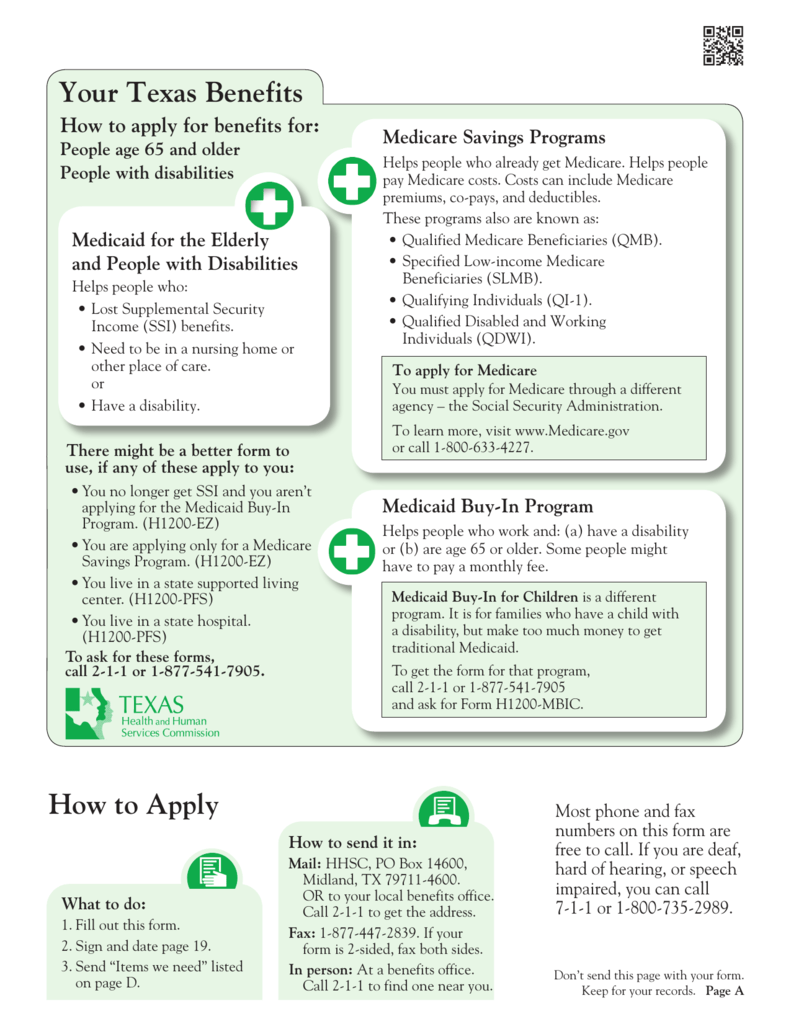
The Texas Health and Human Services Commission (HHSC) oversees the application process, striving to make it as accessible as possible. Here are your primary options:
- Online: The Fastest and Most Convenient Option:
For many, applying online is the most efficient method. The official portal, YourTexasBenefits.com, allows you to create an account, complete the application form, and upload all necessary documents digitally. This method is highly recommended for its speed and ease, making it ideal for those who prefer to manage their affairs from a laptop while enjoying a view of Lady Bird Lake in Austin or a quiet cafe in Houston. It streamlines the process and often leads to quicker processing times. - By Phone: A Direct Line for Assistance:
If you prefer speaking with someone or have questions during the application process, you can call 2-1-1 and select option 2. Customer service representatives are available to guide you through the application, answer questions, and assist with submitting information. This can be particularly helpful for those who may not have consistent internet access or prefer verbal communication. - In Person: For Personalized Support:
For individuals who prefer face-to-face interaction or require in-person assistance with documentation, visiting a local Health and Human Services Commission (HHSC) office is an option. You can find the nearest office location using the locator tool on YourTexasBenefits.com. This method can be valuable for complex cases or for those who appreciate direct support. - By Mail: A Traditional Approach:
If online or phone applications aren’t suitable, you can download an application form from YourTexasBenefits.com, print it, complete it by hand, and mail it to the address provided on the form. While this is the slowest method, it offers flexibility for those without immediate digital access.
Essential Documents for Your Application
Regardless of how you apply, having your documents organized beforehand will significantly smooth the process. Think of it as preparing your travel itinerary – the more prepared you are, the less stress you’ll encounter.
- Proof of Identity: A valid driver’s license, state ID, or other government-issued identification.
- Proof of Texas Residency: Utility bills, a lease agreement, mortgage statement, or official mail showing your current Texas address.
- Proof of Income: Recent pay stubs (typically for the last 30 days), tax returns, employer statements, or other documents verifying all sources of income for every household member.
- Proof of Citizenship or Immigration Status: U.S. birth certificate, passport, naturalization certificate, or green card/visa documentation.
- Social Security Numbers: For all applicants in your household.
- Information on Other Health Insurance: Details of any other health coverage you or your family members might have.
- Information on Assets (if applicable): For certain programs, such as those related to long-term care, you might need to provide bank statements, property deeds, or other asset documentation.
What Happens After You Apply?
Once your application is submitted, the Health and Human Services Commission (HHSC) will review it. This process can involve:
- Document Verification: HHSC staff will verify the information and documents you’ve provided.
- Interview: In some cases, an interview may be required, either by phone or in person, to clarify information or gather additional details.
- Decision Notification: You will receive a written notice informing you whether your application has been approved or denied. If denied, the notice will clearly state the reason and provide instructions on how to appeal the decision, should you believe an error was made.
- Managed Care Plan Enrollment: If approved, you will typically be asked to choose a managed care plan from a list of available providers in your area. Popular options in Texas include Amerigroup, Molina Healthcare, and Superior HealthPlan. This plan will coordinate your healthcare services.
By understanding each step of the application process, you can approach it with confidence, ensuring that your journey to obtaining healthcare coverage in the Lone Star State is as straightforward and stress-free as possible.
Maximizing Your Application Success: Tips for a Worry-Free Transition
Securing Medicaid in Texas can be a smooth experience if you approach it with preparedness and attention to detail. For those living a dynamic lifestyle, where every moment counts, these tips can help ensure your application process is as seamless as possible, leaving you more time to explore Texas’ unique culture and attractions.
- Gather All Documents Proactively: Before you even begin the application, collect every required document for all household members. This includes identification, proof of residency, income statements, and citizenship papers. Having everything ready eliminates delays and reduces the chance of follow-up requests for missing information. Think of it as preparing your passport and visas well in advance of an international trip – essential for smooth passage.
- Be Meticulous and Complete: Fill out the application form with utmost accuracy and ensure all sections are completed. Incomplete applications are a common reason for processing delays. Double-check all dates, names, and financial figures. Precision here pays off by expediting the review process.
- Don’t Hesitate to Ask Questions: If any part of the application is unclear, or if you’re unsure about what documentation to provide, reach out for clarification. The Health and Human Services Commission (HHSC) hotline (2-1-1, option 2) is there to assist you. Seeking guidance upfront can prevent significant headaches later on.
- Maintain Copies of Everything: Always keep copies of your submitted application, all supporting documents, and any correspondence you receive from HHSC. This record-keeping is invaluable should any questions or discrepancies arise during or after the application review. It’s your personal archive of the process.
- Follow Up if Necessary: While HHSC aims for timely processing, external factors can sometimes cause delays. If you haven’t heard back within a reasonable timeframe (typically 30-45 days), don’t hesitate to follow up on your application status via YourTexasBenefits.com or by calling the hotline.
- Understand and Plan for Redetermination: Medicaid eligibility is not indefinite. Beneficiaries are typically required to renew their eligibility periodically (often annually). Be aware of these deadlines and submit your renewal application and updated documents promptly to avoid any lapse in coverage.
- Reapply if Circumstances Change: Life “out of the box” can be dynamic. If your income, household size, or other circumstances change significantly after a denial, or if you lose coverage, don’t assume your situation is static. Re-evaluate your eligibility and reapply if a new pathway opens up. For instance, if you become pregnant or experience a qualifying disability, your eligibility might change.
By following these practical tips, you can significantly enhance your chances of a successful Medicaid application in Texas. This proactive approach ensures that your healthcare needs are addressed efficiently, allowing you to focus on the enriching experiences and adventures that the Lone Star State has to offer, from exploring unique hotels to indulging in local tourism and lifestyle experiences.
Conclusion: Empowering Your Texas Experience with Informed Healthcare
Whether you envision a permanent relocation to the vibrant culture of Austin, a seasonal stay amidst the historical charm of San Antonio, or exploring the vast natural beauty of Texas, understanding local healthcare provisions is an indispensable part of a truly “life out of the box” experience. Medicaid in Texas offers a crucial safety net for eligible individuals and families, providing access to comprehensive health coverage that can significantly reduce financial stress and allow for greater peace of mind.
By familiarizing yourself with the specific eligibility criteria – particularly the income thresholds and covered groups – and navigating the application process with the right documents and approach, you are taking a proactive step towards a healthier, more secure future in the Lone Star State. This guide, designed to bridge the gap between healthcare navigation and lifestyle travel, empowers you to make informed decisions about your well-being, ensuring that your adventure in Texas is not only memorable for its destinations, attractions, and cultural experiences, but also for the thoughtful planning that underpins a truly worry-free journey. Embrace your Texas dream with confidence, knowing you have the knowledge to secure essential healthcare support.
LifeOutOfTheBox is a participant in the Amazon Services LLC Associates Program, an affiliate advertising program designed to provide a means for sites to earn advertising fees by advertising and linking to Amazon.com. Amazon, the Amazon logo, AmazonSupply, and the AmazonSupply logo are trademarks of Amazon.com, Inc. or its affiliates. As an Amazon Associate we earn affiliate commissions from qualifying purchases.