
The allure of the Lone Star State is undeniable, drawing countless individuals to its vibrant cities, sprawling landscapes, and unique cultural tapestry. Whether you’re relocating for a new career opportunity, seeking a change of pace, or simply exploring a long-term stay that transforms into a permanent residency, establishing your roots in Texas involves more than just finding the perfect home or discovering your new favorite local eatery. It’s about becoming an active part of the community, understanding its rhythms, and engaging with its future. For many who embrace the Texan lifestyle, this journey culminates in a fundamental civic duty: registering to vote.
While the phrase “registering to vote” might conjure images of bureaucratic processes, we view it through the lens of immersion and belonging. On a platform dedicated to travel, hotels, tourism, accommodation, landmarks, and lifestyle, understanding how to participate in the democratic process of your new home is an essential aspect of true integration. It’s about more than just casting a ballot; it’s about making your voice heard on issues that affect your daily life, from local infrastructure to state-wide policies, all while enjoying the myriad experiences Texas has to offer. This guide will navigate the practical steps of voter registration within the broader context of settling into the rich and diverse lifestyle that awaits you in Texas.
Establishing Your Texas Roots: More Than Just a Ballot
Moving to a new state is an adventure in itself, a journey of discovery that blends practical logistics with exciting explorations. For those captivated by Texas, the decision to relocate is often driven by a quest for a particular lifestyle, whether it’s the bustling urban energy or the serene tranquility of its vast expanses. Once the initial excitement of moving fades, and the boxes are unpacked, the next step is often about truly embedding yourself in the local fabric.
The Allure of the Lone Star State: A Lifestyle Choice
People choose Texas for a multitude of reasons, each reflecting a distinct lifestyle aspiration. Some are drawn to the dynamic job markets and innovative industries in cities like Austin, known for its vibrant tech scene and “Keep Austin Weird” culture, or Dallas, a hub for business, fashion, and sophisticated arts. Others find their calling in Houston, a globally diverse metropolis famous for its contributions to space exploration and energy, not to mention an incredible culinary landscape. Then there’s San Antonio, offering a rich historical tapestry, Spanish colonial architecture, and the iconic Riverwalk, perfect for those seeking cultural depth and a relaxed pace.
Beyond the major urban centers, Texas offers an array of environments, from the Gulf Coast’s sandy beaches to the rugged beauty of West Texas deserts, and the rolling hills of the Hill Country. This geographical diversity translates into a diverse range of lifestyles, appealing to everyone from outdoor adventurers to foodies, history buffs to art enthusiasts. When considering a long-term stay or permanent residency, these lifestyle factors often guide decisions about which community to call home. Your accommodation choices, whether it’s a sleek downtown apartment, a suburban family home, or an extended-stay hotel during your transition, become integral to your Texan experience. Embracing this rich tapestry means not just living in Texas, but actively participating in shaping its future.
Understanding Your Civic Role as a Texas Resident
Establishing residency in Texas is a significant step that comes with various responsibilities and opportunities. Beyond finding the right neighborhood and adapting to the local customs, there’s a deeper level of engagement that truly cements your status as a Texan: civic participation. Registering to vote is arguably the most direct and impactful way to exercise your rights and contribute to the community you now inhabit.
For those who prioritize understanding local culture and making a difference, becoming a registered voter is a critical component. It allows you to weigh in on local elections that determine school board members, city council representatives, and bond initiatives, all of which directly affect your daily life, property values, and the quality of public services. State elections impact everything from educational policies and healthcare access to environmental regulations and infrastructure development across the vast expanse of Texas. By registering and casting your ballot, you’re not just performing a civic duty; you’re actively weaving yourself into the democratic fabric of your new home, ensuring your voice is heard on matters that shape the future of the Lone Star State. It signifies a commitment not just to living in Texas, but to truly belonging.
Navigating the Voter Registration Process in Texas
Once you’ve decided to make Texas your long-term destination or permanent home, understanding the practical steps for civic engagement becomes paramount. Registering to vote is a straightforward process, but like many administrative tasks, it requires attention to detail and adherence to specific guidelines. This section breaks down everything you need to know to ensure your transition into a civically active Texan is seamless.
Eligibility and Key Requirements for New Texans
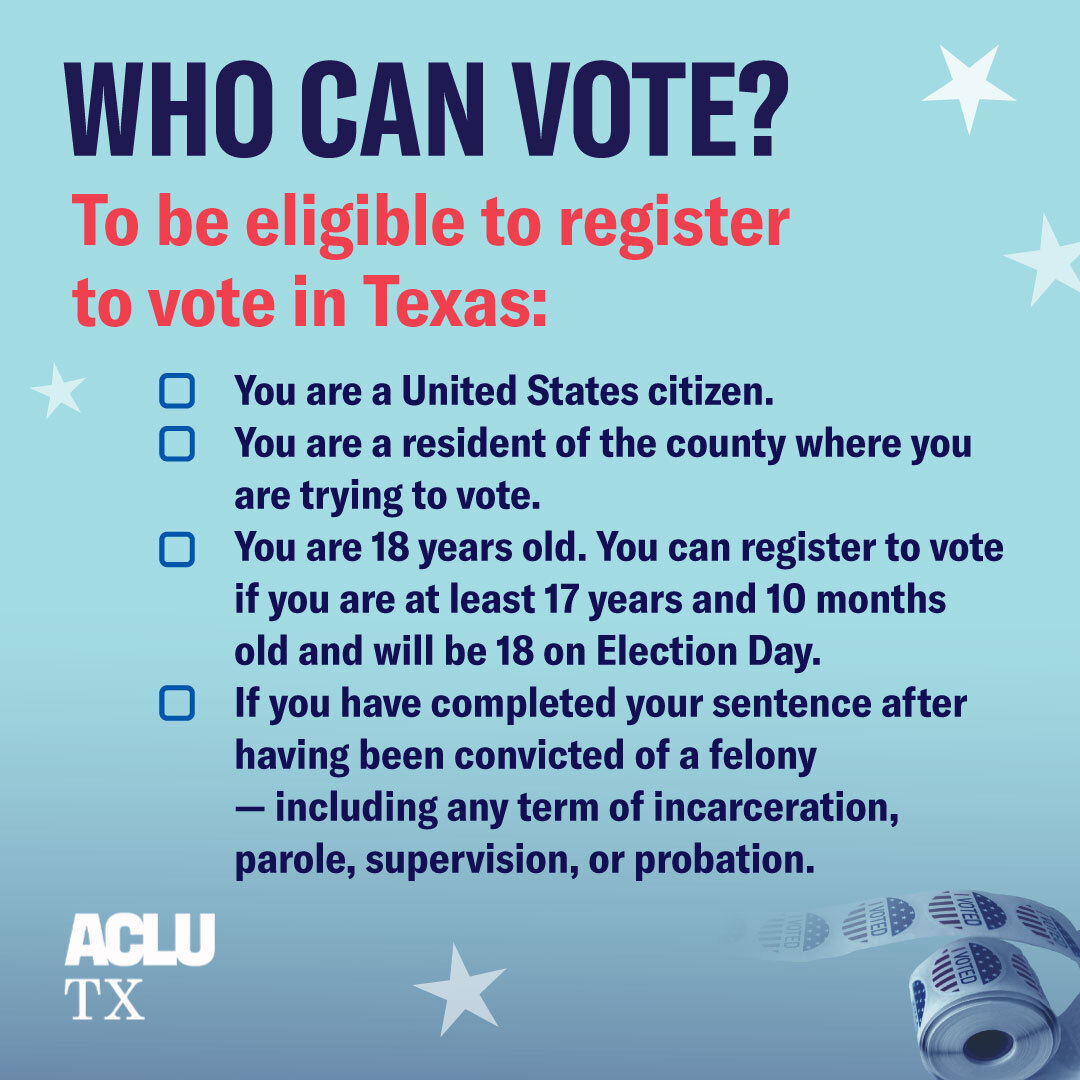
Before embarking on the registration process, it’s crucial to confirm that you meet the basic eligibility criteria set by the state of Texas. Generally, to register and vote in Texas, you must:
- Be a United States Citizen: This is a fundamental requirement for all voters in federal, state, and local elections.
- Be at least 18 years old: You can register to vote if you are 17 years and 10 months of age, but you must be 18 on Election Day to actually cast a ballot.
- Be a resident of Texas: This is a critical point for new residents. You must establish residency in Texas and in the county where you plan to vote. While there’s no specific length of time required, your intention to make Texas your permanent home is implied.
- Not be a convicted felon: Unless you have completed your sentence, including any incarceration, parole, or supervision, or have been pardoned.
- Not have been determined by a final judgment of a court exercising probate jurisdiction to be totally mentally incapacitated or partially mentally incapacitated without the right to vote.
For individuals moving from out of state, the “resident of Texas” requirement is particularly important. It signifies that your primary domicile and intent to live are now within the state. This usually aligns with other actions you take when moving, such as obtaining a Texas driver’s license, registering your vehicle, and establishing utility services at your new address. Ensuring you meet these criteria is the first, most essential step towards active participation in the Lone Star State’s democratic process.
Step-by-Step Guide to Registering
The process for registering to vote in Texas is designed to be accessible, though it requires a few specific actions. Here’s a detailed guide to walk you through it:
-
Obtaining a Voter Registration Application:
- Online Download: You can download a voter registration application from the Texas Secretary of State website. However, note that this application cannot be submitted electronically; it must be printed, filled out, and mailed.
- In-Person Locations: Applications are readily available at various public locations, making it convenient regardless of where you might be exploring in Texas. These include your county voter registrar’s office (often located in the county courthouse), post offices, public libraries, and sometimes even high schools or city government buildings. Many naturalization ceremonies also provide applications.
- Voter Registrar Office: Visiting your county voter registrar’s office is often the most direct way to obtain assistance and an application.
-
Filling Out the Application:
- The application form is straightforward. You will need to provide your full name, residential address in Texas, mailing address (if different), date of birth, and any previous voter registration information if you’ve been registered elsewhere in Texas or another state.
- It’s crucial to ensure all information is accurate and legible. Pay close attention to your signature, as it must match the one on your official identification when you vote.
-
Submitting Your Application:
- Mail It In: Unlike some states, Texas requires that voter registration applications be submitted via mail or in person. Once you’ve completed the form, place it in an envelope and mail it to the voter registrar of the county where you reside. The correct address will be listed on the application form itself or can be found on your county’s election website.
- Deadline: Your application must be postmarked or received by the voter registrar at least 30 days before any election in which you wish to vote. It’s always advisable to send it in well in advance of this deadline to avoid any last-minute issues.

-
Receiving Your Voter Registration Certificate:
- After your application is processed, the county voter registrar will mail you a Voter Registration Certificate. This card serves as proof of your registration and will include your name, address, date of birth, and assigned precinct number.
- It’s essential to keep this certificate in a safe place, as you may be asked to present it (along with a valid form of photo ID) when you vote in person.
-
Maintaining Your Registration:
- Moving Within Texas: If you move to a new address within the same county, you can simply update your address on your existing voter registration certificate by marking the change on the back of the card, signing it, and mailing it to the voter registrar. You can also update it online via the Texas Secretary of State website.
- Moving to a New County: If you move to a different county in Texas, you will need to re-register to vote in your new county of residence. This involves submitting a new voter registration application to the voter registrar of your new county.
By following these steps, you’ll ensure your ability to participate in elections and make your voice heard as a full-fledged resident of the Lone Star State.
Important Considerations for the Discerning Resident
For those truly embracing the Texan lifestyle, a deeper understanding of the voting process ensures maximum participation and minimizes potential hurdles. Beyond the initial registration, there are a few important considerations that new residents should be aware of:
- Voter Identification Requirements: When voting in person in Texas, you will typically need to present an acceptable form of photo identification. These include a Texas Driver’s License or Personal ID Card, Texas Election Identification Certificate, Texas Handgun License, U.S. Military ID Card with a photo, U.S. Citizenship Certificate with a photo, or a U.S. Passport. If you don’t have one of these, there are supporting forms of ID you can use in conjunction with a declaration of reasonable impediment.
- Provisional Ballots: If there’s an issue with your registration or identification at the polls, you may be offered a provisional ballot. This allows you to cast your vote, which will then be counted if you resolve the issue (e.g., provide required ID) within a short period after Election Day.
- Stay Informed: Election dates, candidate information, and polling locations are constantly updated. The official website of the Texas Secretary of State and your county election administrator’s office are invaluable resources for accurate and timely information. Many news outlets and non-partisan organizations also provide voter guides.
- Absentee (Mail-in) Voting: Voting by mail in Texas is restricted to specific categories, such as being 65 years or older, having a disability, being out of the county on Election Day and during the period of early voting by personal appearance, or being confined in jail but otherwise eligible to vote. If you qualify, you must apply for a ballot by mail.
- Planning Ahead: Especially if your Texan lifestyle involves extensive travel within the state (perhaps exploring different landmarks or tourism destinations) or long-term stays that might take you away from your registered county, it’s crucial to be aware of election deadlines and your polling location well in advance. Consider early voting if your schedule is unpredictable.
By being mindful of these details, you not only ensure your ability to vote but also demonstrate a thorough understanding and appreciation for the civic processes that underpin life in the Lone Star State.
Beyond the Ballot Box: Engaging with Your New Texas Community
Registering to vote is a significant milestone in becoming a fully integrated Texan, but it’s just one facet of truly engaging with your new home. The rich tapestry of Texas offers countless avenues for connection, exploration, and participation, extending far beyond the ballot box.
Exploring Texas: Landmarks, Culture, and Local Life
Once you’ve settled into your accommodation and taken care of civic duties, the real fun begins: exploring the diverse wonders of Texas. Understanding the local culture and participating in community life often go hand-in-hand with exploring its famous landmarks and hidden gems. From the historic battlegrounds to the majestic natural parks, Texas is a treasure trove for any lifestyle.
Immerse yourself in history at the Alamo in San Antonio, a profound symbol of Texan independence. For space enthusiasts, Space Center Houston offers an awe-inspiring look at NASA’s contributions to exploration. Nature lovers can find solace and adventure in places like Big Bend National Park, where the Chihuahuan Desert meets the Rio Grande, offering unparalleled hiking and stargazing. Or perhaps the sun-drenched beaches of South Padre Island beckon for a relaxing escape.
Beyond these iconic sites, engaging with local life means discovering the vibrant music scene in Austin, indulging in authentic Tex-Mex and barbecue across the state, or experiencing the thriving arts districts in Dallas and Houston. Attend local festivals, join community groups, volunteer for causes you care about, or simply frequent local businesses. These interactions deepen your understanding of the issues that matter to your neighbors and provide a context for the choices you make at the polls.
Finding Your Perfect Texan Accommodation and Community
Your choice of accommodation and the community you settle into are fundamental to your overall lifestyle experience in Texas. Whether you’re seeking a bustling urban environment with luxury high-rise apartments and easy access to amenities, or a serene rural setting with sprawling properties and a tight-knit community feel, Texas offers an unparalleled diversity of options.
When relocating, many start with short-term accommodations, such as extended-stay suites or boutique hotels, allowing them to thoroughly explore various neighborhoods before committing to a long-term lease or home purchase. This strategic approach to accommodation ensures that your final choice aligns perfectly with your desired lifestyle and community values. From the family-friendly suburbs with top-rated schools to the vibrant, walkable city centers popular with young professionals, each Texan community offers its own unique charm and character. Your perfect spot will not only provide comfort and convenience but also serve as a base from which you can continue to explore, engage, and contribute to the civic life of the Lone Star State.
In conclusion, moving to Texas is an exciting journey of discovering new destinations, embracing a distinctive lifestyle, and finding your ideal accommodation. As you immerse yourself in the rich culture and diverse attractions, don’t overlook the fundamental step of registering to vote. It’s more than just a legal requirement; it’s an active affirmation of your commitment to your new community, allowing your voice to be heard and contributing to the vibrant future of the Lone Star State. By taking this crucial step, you truly become a part of Texas, ready to influence its path while enjoying all the incredible experiences it has to offer.
LifeOutOfTheBox is a participant in the Amazon Services LLC Associates Program, an affiliate advertising program designed to provide a means for sites to earn advertising fees by advertising and linking to Amazon.com. Amazon, the Amazon logo, AmazonSupply, and the AmazonSupply logo are trademarks of Amazon.com, Inc. or its affiliates. As an Amazon Associate we earn affiliate commissions from qualifying purchases.