
In the vibrant tapestry of travel and lifestyle, choices often revolve around both experience and well-being. From selecting the perfect hotel in Paris to navigating the local cuisine in Bangkok, every decision shapes our journey. Amidst these considerations, even seemingly simple choices like our beverage preferences can have a significant impact. Few drinks are as ubiquitous or as instantly recognizable as Arizona Tea, with its distinctive tall cans and budget-friendly price point gracing convenience store shelves from New York City to Los Angeles. For many travelers exploring the diverse landscapes of the United States, a refreshing Arizona Tea can be a welcome companion on a long drive through the desert or a quick pick-me-up during a city exploration. But as we increasingly prioritize health and wellness in our daily lives and on our adventures, a critical question emerges: is Arizona Tea healthy?
Understanding the nutritional profile of this popular beverage is essential for anyone looking to make informed choices, whether at home or while exploring new destinations. This article delves into the ingredients, the actual health implications, and how Arizona Tea fits into a broader discussion about mindful consumption, especially for those who embrace a lifestyle of travel and exploration. We’ll examine the balance between its refreshing appeal and its nutritional realities, helping you decide if it aligns with your personal health goals, both on the road and in your everyday routine.
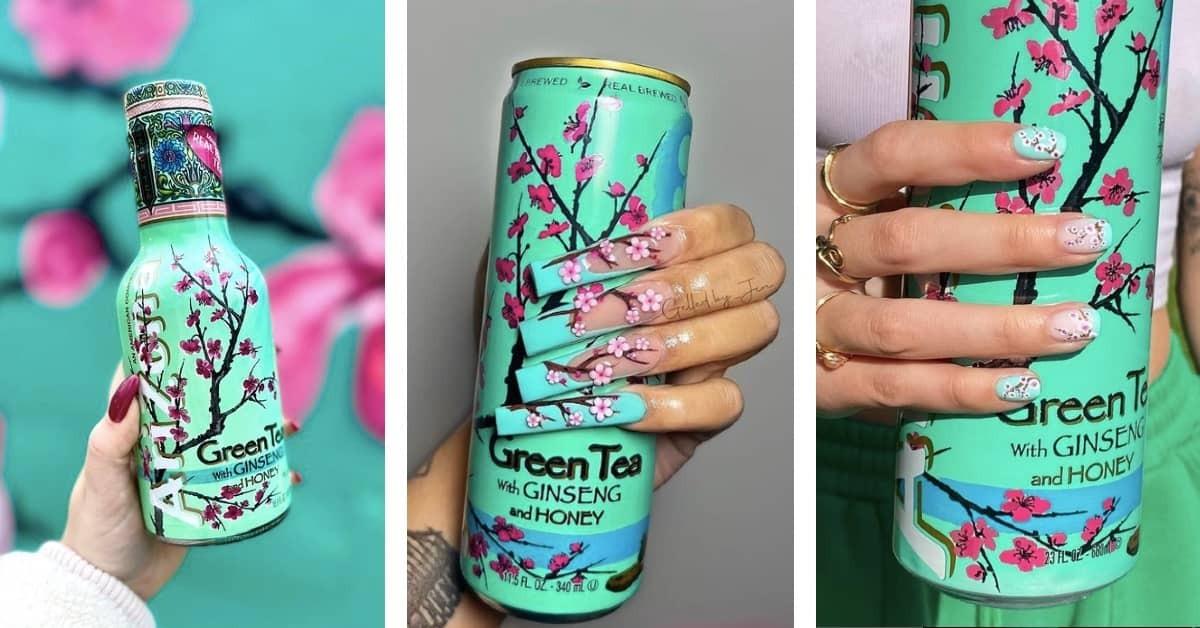
Unpacking the Ingredients: What’s Really in Your Arizona Tea?
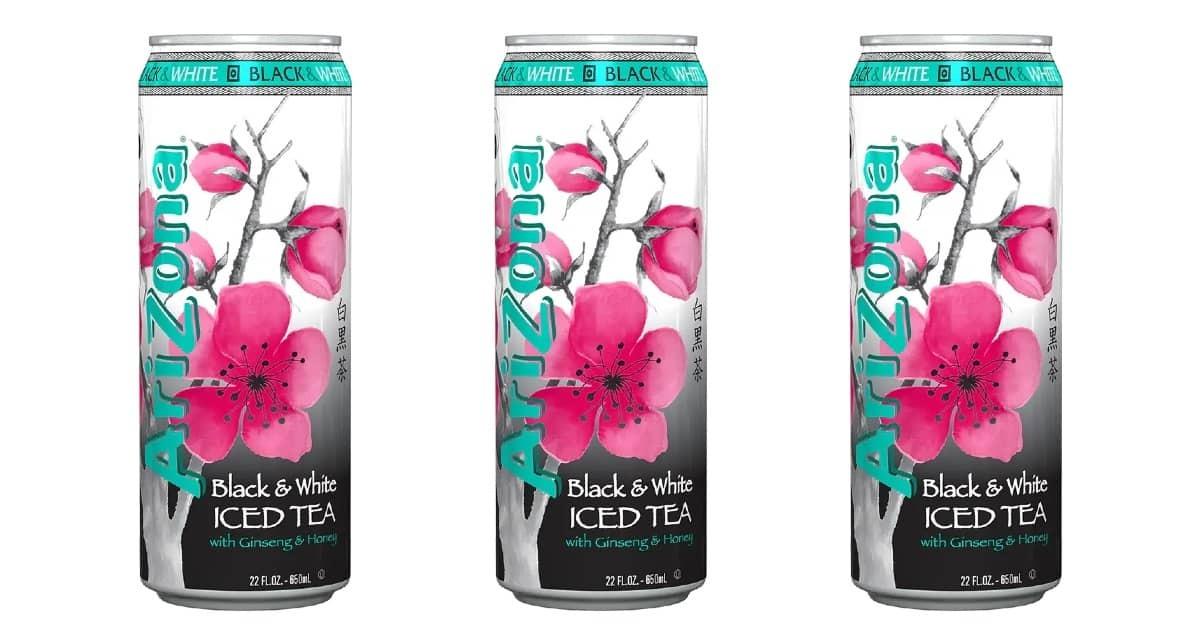
To truly answer the question of whether Arizona Tea is healthy, we must first look beyond its appealing branding and examine its core components. The Arizona Beverage Company offers a vast array of flavors and tea types, from green tea with ginseng and honey to sweet tea, lemon tea, and various fruit-flavored concoctions. While the term “tea” might conjure images of healthful sips, the reality of many mass-produced bottled teas can be quite different.
A Deep Dive into Sugar Content
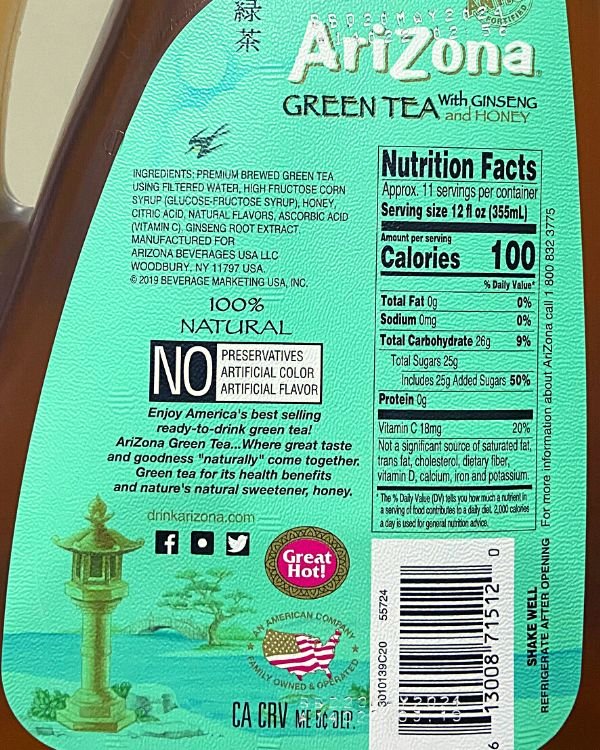
Perhaps the most significant nutritional concern across the majority of Arizona Tea varieties is their sugar content. A standard 23-ounce can of their popular Green Tea with Ginseng and Honey, for example, can contain upwards of 40-50 grams of sugar, and some flavors even exceed 60 grams. To put this into perspective, the World Health Organization recommends that adults consume no more than 25 grams of added sugars per day for optimal health benefits. A single serving of Arizona Tea can easily surpass this daily recommendation, sometimes by more than double.
This high sugar content typically comes in the form of high-fructose corn syrup, a sweetener widely used in the beverage industry. While chemically similar to table sugar, its pervasive presence in processed foods and drinks has raised concerns among health professionals. Consuming large quantities of added sugars, particularly from sugary drinks, is strongly linked to various health issues, including:
- Weight Gain and Obesity: Excess sugar provides empty calories that can lead to weight gain, particularly around the abdominal area. For travelers constantly on the move, maintaining a healthy weight is crucial for endurance and overall comfort.
- Increased Risk of Type 2 Diabetes: Regular consumption of sugary beverages can lead to insulin resistance, a precursor to type 2 diabetes. Managing this condition, or preventing it, is a significant lifestyle consideration.
- Cardiovascular Disease Risk: High sugar intake has been associated with elevated triglycerides, increased LDL (“bad”) cholesterol, and lower HDL (“good”) cholesterol, all factors contributing to heart disease.
- Dental Issues: Sugary drinks contribute to tooth decay and cavities, a concern that can become particularly problematic when traveling in remote areas without immediate access to dental care.
Beyond Sugar: Other Ingredients and Their Implications
While sugar is the primary offender, other ingredients also warrant attention. Many Arizona Tea products contain natural and artificial flavors, which, while generally recognized as safe, don’t contribute any nutritional value. Preservatives like citric acid are also common, used to extend shelf life, a practicality for any widely distributed beverage.
The “tea” component itself is often made from brewed tea leaves, offering antioxidants typically found in green or black tea. However, the concentration and efficacy of these antioxidants in heavily sweetened and processed bottled teas are debatable. The sheer volume of sugar often overshadows any potential benefits derived from the minimal tea extract present. For someone specifically seeking the health benefits of tea, unsweetened brewed tea would be a far superior choice.
In essence, when you pick up an Arizona Tea, you’re primarily consuming a sweetened beverage with a tea flavor, rather than a health-focused tea product. This distinction is crucial for travelers who need to maintain energy levels and health throughout their journeys, whether they’re hiking the trails of Sedona or navigating the bustling markets of Tokyo.
The “Healthy” Aspects: Is There Any Redeeming Value?
Despite the nutritional red flags, some might wonder if there are any redeeming health qualities in Arizona Tea. After all, it is technically a tea-based beverage and provides hydration.
Hydration: A Double-Edged Sword
Hydration is paramount, especially for travelers exploring diverse climates, from the humid beaches of Miami to the dry heat of the Grand Canyon. While Arizona Tea does provide fluid, helping to stave off dehydration, the high sugar content can counteract some of its hydrating benefits. Sugary drinks can sometimes contribute to a feeling of thirst due to the body’s need to process the sugar. Moreover, they often don’t provide the same electrolyte balance as water or specific rehydration solutions, which are often necessary during intense physical activity or in extreme heat.
For effective hydration, plain water remains the gold standard. For those seeking flavor without the sugar, unsweetened sparkling water with a squeeze of lemon, or naturally fruit-infused water, are far healthier alternatives.
The Myth of Tea Benefits in Sweetened Drinks
While green tea and black tea are renowned for their antioxidant properties, potential to boost metabolism, and contributions to heart health, these benefits are largely derived from unsweetened, freshly brewed tea. The minimal tea extract in heavily sweetened beverages like Arizona Tea is often insufficient to deliver significant health advantages. The processing and addition of large amounts of sugar dilute and, in many ways, negate the positive effects of the tea components.
Think of it this way: enjoying a crisp, fresh apple provides fiber, vitamins, and natural sugars. An apple-flavored candy, while tasting similar, offers none of the nutritional benefits and is primarily sugar. Similarly, the “tea” in Arizona Tea is often more akin to the flavor profile than a functional health ingredient in the context of the entire product.
For travelers looking to harness the power of tea for health benefits – perhaps to aid digestion after a rich meal or to boost energy during a long layover – opting for plain green tea, black tea, or herbal infusions is a more direct and effective strategy. Many hotels and resorts offer complimentary tea and coffee services, providing healthier options.
Making Healthier Choices: Arizona Tea in Your Travel Lifestyle
Navigating food and drink options while traveling can be challenging. We often seek convenience, familiar tastes, and quick refreshment. However, integrating healthier habits into our travel lifestyle can significantly enhance our experiences and long-term well-being.
Moderation and Informed Indulgence
The key to incorporating beverages like Arizona Tea into your diet, whether at home or on an adventure, is moderation. Occasional indulgence in a favorite sugary drink is unlikely to derail an otherwise healthy lifestyle. The issue arises when these beverages become a regular, frequent part of one’s consumption pattern.
For travelers, this means being mindful of how often you reach for a sugary drink. If you’re hydrating primarily with water throughout the day, an Arizona Tea enjoyed as a treat on a hot day in Las Vegas might be perfectly fine. However, if it’s your go-to beverage multiple times a day, it’s worth re-evaluating.
Consider these strategies for mindful consumption:
- Portion Control: Instead of a large 23-ounce can, opt for a smaller bottle if available, or share a larger one.
- Dilution: Some people dilute sugary drinks with water or ice to reduce the sugar concentration per sip.
- Intermittent Consumption: Enjoy it as an occasional treat rather than a daily staple.
Exploring Healthier Alternatives on the Go
The world of beverages offers a vast array of healthier alternatives that can provide refreshment and flavor without the sugar overload. For travelers, being aware of these options can make a big difference:
- Water: Always the best choice for hydration. Carry a reusable water bottle and refill it whenever possible, a sustainable practice also encouraged at many eco-conscious hotels and attractions.
- Unsweetened Tea (Hot or Iced): Many cafes, restaurants, and hotel breakfast buffets offer unsweetened black or green tea. Ask for lemon or mint to add natural flavor. Brands like Lipton and Snapple also offer unsweetened bottled tea options.
- Sparkling Water with Fruit: A refreshing, fizzy option that feels like a treat without the sugar. Add slices of lemon, lime, berries, or cucumber for natural flavor.
- Coffee (Black or with Minimal Additions): While not for everyone, black coffee or coffee with a splash of milk or a sugar substitute can be a low-calorie, energizing option.
- Freshly Squeezed Juices (in moderation): While fruit juice contains natural sugars, it also offers vitamins. Choose freshly squeezed options over concentrates, and enjoy in smaller portions due to high calorie density.
When exploring new cultures and cuisines as part of your tourism experience, pay attention to local beverage customs. Many countries offer traditional, unsweetened teas or unique fruit infusions that are both delicious and healthy.
Reading Labels: A Traveler’s Best Friend
Whether you’re grabbing a drink at a convenience store in Tokyo or a supermarket in Rome, becoming proficient at reading nutrition labels is an invaluable skill. Focus on the “Added Sugars” line under the Carbohydrates section. Compare different brands and varieties. You might be surprised to find that some other popular brands like Coca-Cola, Pepsi, and even “healthy-sounding” juices can pack a similar sugar punch.
Understanding portion sizes is also critical. A can or bottle might list nutrition facts for a single serving, but if the container holds two servings, you need to double the values to get the true picture of what you’re consuming. This vigilance empowers you to make conscious choices, aligning your beverage selection with your health goals, even when faced with limited options in an unfamiliar environment.
The Cultural and Experiential Side of Arizona Tea
Beyond its nutritional profile, Arizona Tea holds a unique place in popular culture, particularly within the United States. It’s an iconic brand, instantly recognizable by its vibrant, often kitschy, designs that evoke a sense of Americana and summer refreshment.
An American Icon
The brand’s origin story traces back to the 1990s in New York City, a testament to entrepreneurial spirit. Its massive success can be attributed to its affordability – often priced at 99 cents for a large can – and its wide range of flavors. It has become a staple in gas stations, corner stores, and delis across the country, a symbol of accessible refreshment. For many, it evokes nostalgic memories of road trips, beach days, or simply a refreshing break.
This cultural familiarity is part of its appeal, especially for those traveling within the United States. It’s a taste of home, a comforting presence amidst the unfamiliar. However, recognizing its cultural significance doesn’t inherently equate to endorsing its health benefits. It highlights the importance of distinguishing between cultural appeal and nutritional value, a distinction travelers often encounter when exploring local delicacies and treats in destinations worldwide.
Experiencing Arizona: Beyond the Beverage
It’s also worth noting the symbolic connection to the state of Arizona itself. While the Arizona Beverage Company is based in New York, the name evokes images of the sun-drenched landscapes, rugged beauty, and vibrant culture of the American Southwest. This connection, however indirect, can serve as a fun segue into exploring the actual state of Arizona as a travel destination.
Imagine enjoying an actual glass of unsweetened iced tea while gazing at the majestic red rocks of Sedona or after a hike through the Grand Canyon. The state of Arizona offers unparalleled natural landmarks, unique cultural experiences, and a culinary scene that draws from its Native American, Mexican, and cowboy heritage. Exploring these destinations provides genuine, enriching experiences that go far beyond a canned beverage. For instance, many resorts in Arizona emphasize wellness and offer fresh, healthy food and beverage options that truly align with a health-conscious lifestyle.
Conclusion: Balancing Enjoyment and Wellness on Your Journey
So, is Arizona Tea healthy? The straightforward answer is, generally, no, particularly due to its high sugar content across most varieties. While it offers hydration and the perceived benefits of tea, these are largely overshadowed by the excessive amounts of added sugars that contribute to various health risks. For a traveler committed to a healthy lifestyle, regularly consuming Arizona Tea would not be recommended.
However, life, and especially travel, is about balance and making informed choices. An occasional Arizona Tea as a treat during your travels is unlikely to cause significant harm if your overall diet is balanced and healthy. The key lies in moderation and awareness. By understanding the nutritional facts, being mindful of your consumption habits, and actively seeking healthier alternatives, you can navigate the vast world of beverages with confidence.
Whether you’re booking accommodation in a bustling city, planning a tourism itinerary through historical landmarks, or simply enjoying the lifestyle of exploration, prioritizing your health ensures you have the energy and vitality to make the most of every adventure. Choose wisely, stay hydrated with genuinely healthy options, and savor the experiences that truly nourish your body and soul, allowing you to enjoy your travels to the fullest.
LifeOutOfTheBox is a participant in the Amazon Services LLC Associates Program, an affiliate advertising program designed to provide a means for sites to earn advertising fees by advertising and linking to Amazon.com. Amazon, the Amazon logo, AmazonSupply, and the AmazonSupply logo are trademarks of Amazon.com, Inc. or its affiliates. As an Amazon Associate we earn affiliate commissions from qualifying purchases.