
Traveling through the vast and vibrant landscapes of Texas, from the bustling metropolises of Dallas and Houston to the historic charm of San Antonio and the live music capital of Austin, offers an unparalleled array of experiences for every type of traveler. Whether you’re exploring Texas landmarks like The Alamo, venturing into the majestic Big Bend National Park, or enjoying the coastal breezes of Galveston, safety and preparedness are always paramount. One critical system designed to ensure public safety, which visitors and residents alike should understand, is the Blue Alert.
While the mention of an alert system might momentarily raise concerns for those planning a leisure trip or a business stay, it’s crucial to understand that these systems are proactive measures designed to protect the community, including tourists, by facilitating the swift apprehension of dangerous individuals. Rather than signaling imminent danger to the general public, a Blue Alert is a specific call for vigilance, empowering citizens to assist law enforcement in critical situations. For anyone experiencing the rich culture and diverse attractions Texas has to offer, understanding what a Blue Alert entails is a key aspect of responsible and informed travel, contributing to a safer and more enjoyable lifestyle during your visit.
Understanding the Essence of a Blue Alert
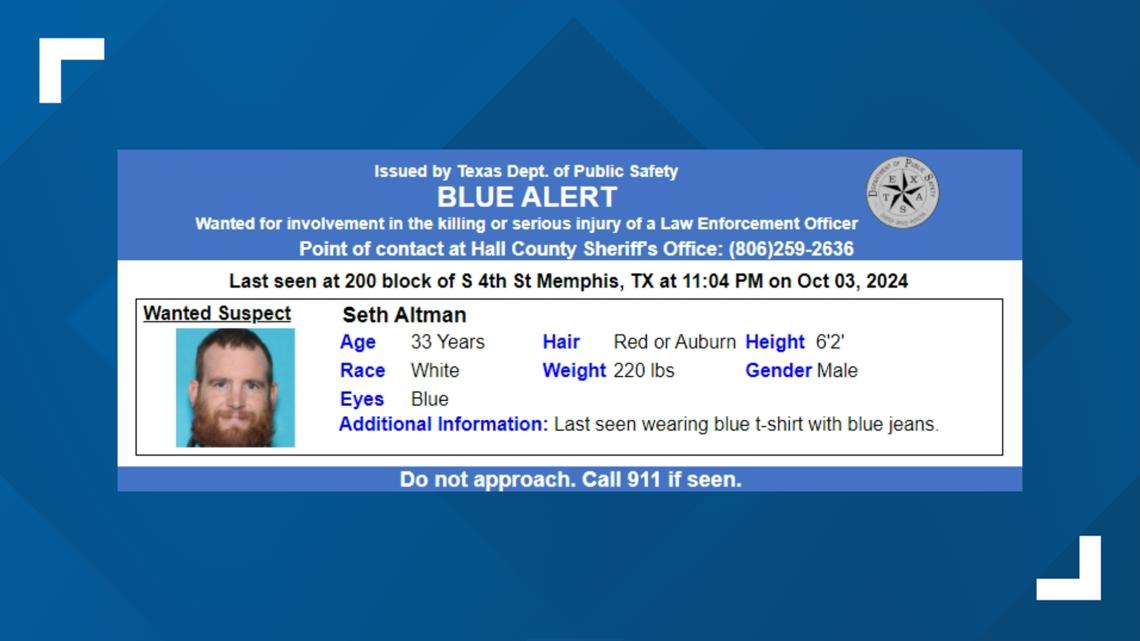
A Blue Alert is an emergency notification system activated in Texas when a law enforcement officer is killed or seriously injured in the line of duty, and a suspect is at large. Its primary purpose is to provide immediate and comprehensive information to the public about the suspected assailant, their vehicle, or any other relevant details that could lead to their swift capture. This rapid dissemination of information is vital, as it harnesses the power of community vigilance to assist in apprehending dangerous individuals who pose a continued threat to both law enforcement and the broader public. The system is a testament to the state’s commitment to supporting its police force and ensuring the safety of its citizens, whether they are long-term residents or visitors staying at a luxurious Hilton Anatole Dallas or a cozy bed and breakfast in a quaint Texas town.
The historical context of the Blue Alert system in Texas is rooted in a broader national movement to enhance officer safety and improve the effectiveness of post-incident responses. While specific timelines can vary by state, these alerts typically emerged in the wake of tragic incidents involving law enforcement officers, highlighting the need for a dedicated, rapid response mechanism. The Texas Department of Public Safety (DPS) plays a central role in managing and activating these alerts, working in close coordination with local law enforcement agencies across the state. This collaborative effort ensures that when an officer is targeted, the full weight of public awareness can be brought to bear in the pursuit of justice and the restoration of safety.
It is also important to distinguish a Blue Alert from other commonly known emergency notifications, such as an Amber Alert or a Silver Alert. An Amber Alert is issued for abducted children believed to be in imminent danger, while a Silver Alert is used for missing elderly individuals, particularly those with cognitive impairments like Alzheimer’s. While all three systems utilize similar dissemination channels and rely on public assistance, their activation criteria and specific objectives differ significantly. The Blue Alert is singularly focused on situations involving harm to law enforcement officers and the subsequent pursuit of dangerous suspects. For tourists and residents alike, understanding these distinctions helps to interpret emergency notifications accurately and respond appropriately, minimizing unnecessary alarm while maximizing effective public participation in safety efforts. When you’re planning your stay, perhaps looking for accommodation near Space Center Houston or exploring the historic Stockyards National Historic District in Fort Worth, being aware of these different alert types enhances your overall preparedness and travel acumen, contributing to a more informed and secure experience across the diverse tapestry of Texas tourism.
Activation Criteria and Dissemination: How Alerts Reach You
The effectiveness of any emergency alert system hinges on precise activation protocols and widespread, efficient dissemination. The Blue Alert in Texas is no exception, featuring strict criteria for its initiation and leveraging a robust network of communication channels to reach the public promptly.
Strict Conditions for Activation
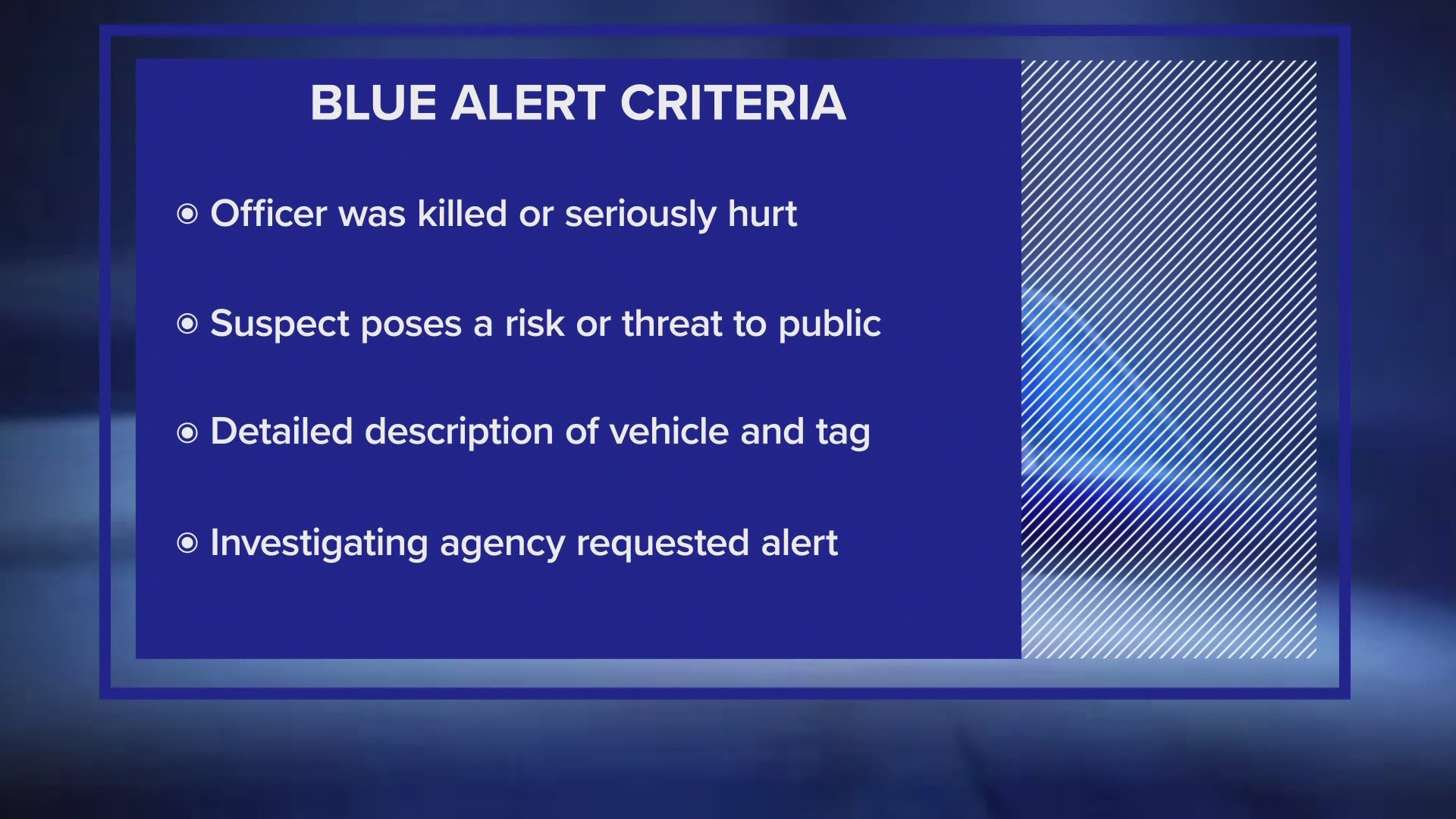
For a Blue Alert to be activated, several stringent conditions must be met, ensuring that the system is used judiciously and maintains its credibility and impact. The decision to issue an alert typically originates from the local law enforcement agency investigating the incident and is then coordinated through the Texas Department of Public Safety (DPS), which serves as the central authority for state-level emergency alerts. The key criteria for activation include:
- Law Enforcement Officer Killed or Seriously Injured: The most fundamental condition is that a peace officer must have been killed or have sustained serious bodily injury while in the line of duty. This immediate threat or tragic outcome forms the bedrock of the alert’s purpose.
- Suspect Considered Dangerous: The individual responsible for the harm to the officer must be deemed a threat to the public and law enforcement, necessitating their immediate apprehension. This criterion ensures the alert targets genuinely dangerous individuals whose continued freedom poses a significant risk.
- Sufficient Descriptive Information: There must be enough descriptive information about the suspect, their vehicle, or their last known location to make a public appeal viable. This includes details such as license plate numbers, vehicle make/model/color, physical descriptions of the suspect, or distinguishing characteristics. Without actionable information, a public alert would be less effective.
- Activation Within a Reasonable Timeframe: The alert must be initiated within a timeframe that allows for public assistance to be genuinely effective. While not always a hard rule down to the minute, it generally means the alert is issued as soon as possible after the incident and the necessary information has been gathered.
These strict criteria are crucial for several reasons. Firstly, they prevent the overuse of the Blue Alert system, which could lead to public fatigue or desensitization, diminishing its impact when truly critical situations arise. Secondly, they ensure that when an alert is issued, the public understands the gravity of the situation and the immediate need for vigilance. This thoughtful approach underscores the system’s importance as a serious call to action, rather than a routine notification, fostering public trust and maximizing its effectiveness in apprehending dangerous criminals.
Channels of Public Notification
Once activated, a Blue Alert leverages a multifaceted network of communication channels to reach as many people as possible, from residents in their homes to travelers on the highways or guests in their hotels. This comprehensive approach ensures that vital information is broadcast widely and rapidly:
- Emergency Alert System (EAS): This traditional system interrupts regular programming on TV and radio stations across the state to broadcast the alert message. For travelers enjoying the amenities of their Hyatt Regency San Antonio or watching local news in their suites, this is often the primary way they receive immediate notification.
- Wireless Emergency Alerts (WEA): Cell phone alerts are a powerful tool, delivering concise messages directly to mobile devices in the targeted geographic area. These alerts are geographically precise, meaning only those in relevant zones receive the notification, making them highly effective for localized incidents and for informing visitors who might not be tuned into local media.
- Texas Department of Transportation (TxDOT) Digital Message Boards: Along major highways and interstates throughout Texas, electronic message boards display critical alert information. This is particularly important for individuals traveling by car, allowing them to remain informed even while on the move and away from traditional media sources. These signs are indispensable for road trip enthusiasts and business travelers alike.
- Social Media and News Outlets: DPS and local law enforcement agencies utilize their official social media channels to disseminate Blue Alert information, often including images of suspects or vehicles. Major news outlets also quickly pick up and broadcast these alerts, reaching a broad audience through their websites, apps, and live broadcasts.
- Hotel and Accommodation Providers: While not an official direct channel, many hotels, resorts, and other accommodation providers, such as the Lone Star Grand Hotel in Austin, are keenly aware of local safety protocols. They often have systems in place to monitor local news and emergency alerts, and in the event of a Blue Alert, may choose to inform their guests through internal communication systems, lobby displays, or direct messaging, enhancing guest safety and preparedness.
This multi-pronged approach ensures that information about a Blue Alert reaches a diverse audience, maximizing the chances of public cooperation and successful apprehension. For those enjoying a luxury travel experience or even budget travel across Texas, awareness of these channels means they can stay informed and contribute to the collective safety efforts, integrating smoothly into the broader civic life of the state.
Blue Alerts and the Texas Traveler: Navigating Safety and Awareness
For visitors exploring the vibrant culture, diverse landscapes, and iconic attractions of Texas, understanding the Blue Alert system is an important part of responsible and safe tourism. While these alerts signify a serious incident, they are ultimately designed to enhance overall public safety, ensuring that both residents and guests can enjoy their Texas experience with greater peace of mind.
Impact on Travel and Tourism in Texas
A Blue Alert, by its nature, indicates a serious criminal incident involving law enforcement. For travelers, encountering such an alert might initially cause concern, but it’s essential to contextualize its impact. Generally, a Blue Alert does not imply a widespread threat to the general public or widespread disruption to travel plans. It is a targeted call for vigilance regarding a specific individual. Major tourist destinations, such as the bustling Riverwalk in San Antonio, the entertainment hubs of Dallas, or the dynamic food scene in Austin, typically continue to operate as usual, albeit with an increased emphasis on public awareness.
The presence of a robust alert system like the Blue Alert should be viewed not as a deterrent to visiting Texas, but rather as an assurance. It signifies that the state takes public safety seriously and has effective mechanisms in place to address critical incidents swiftly. For tourists, this means that authorities are proactive in maintaining order and apprehending dangerous individuals, contributing to a secure environment for exploring all that Texas has to offer. Whether you’re planning a family trip to Six Flags Over Texas or a quiet retreat in one of the many State Parks, knowing that such systems exist underscores the state’s commitment to protecting its visitors and residents alike, enriching the overall tourism experience and lifestyle.
Tips for Staying Informed and Safe as a Visitor
For travelers and those on business stays in Texas, being prepared and informed about Blue Alerts and other emergency notifications is key to a smooth and safe journey. Here are some practical tips:
- Download Local News Apps: Before or upon arrival, consider downloading apps from major local news outlets in the areas you plan to visit (e.g., Dallas, Houston, San Antonio, Austin). These apps often push immediate notifications for emergency alerts.
- Pay Attention to Local Media and Highway Signs: Tune into local radio or TV in your hotel room or rental car. Keep an eye on TxDOT digital message boards if you’re driving. These are primary channels for Blue Alert information.
- Understand Wireless Emergency Alerts (WEA): Familiarize yourself with how WEA messages appear on your cell phone. These alerts are automatic and don’t require subscription, ensuring even short-term visitors receive critical information.
- Inform Hotel Staff: If you are staying at a resort or hotel, such as the Moody Gardens Hotel in Galveston, and notice anything suspicious that matches an alert description, inform the front desk or security immediately. They can relay information to local law enforcement.
- Carry Identification: Always carry valid identification with you. While not directly related to Blue Alerts, it’s a general safety practice for any traveler in the U.S. and can be helpful in any unexpected situation.
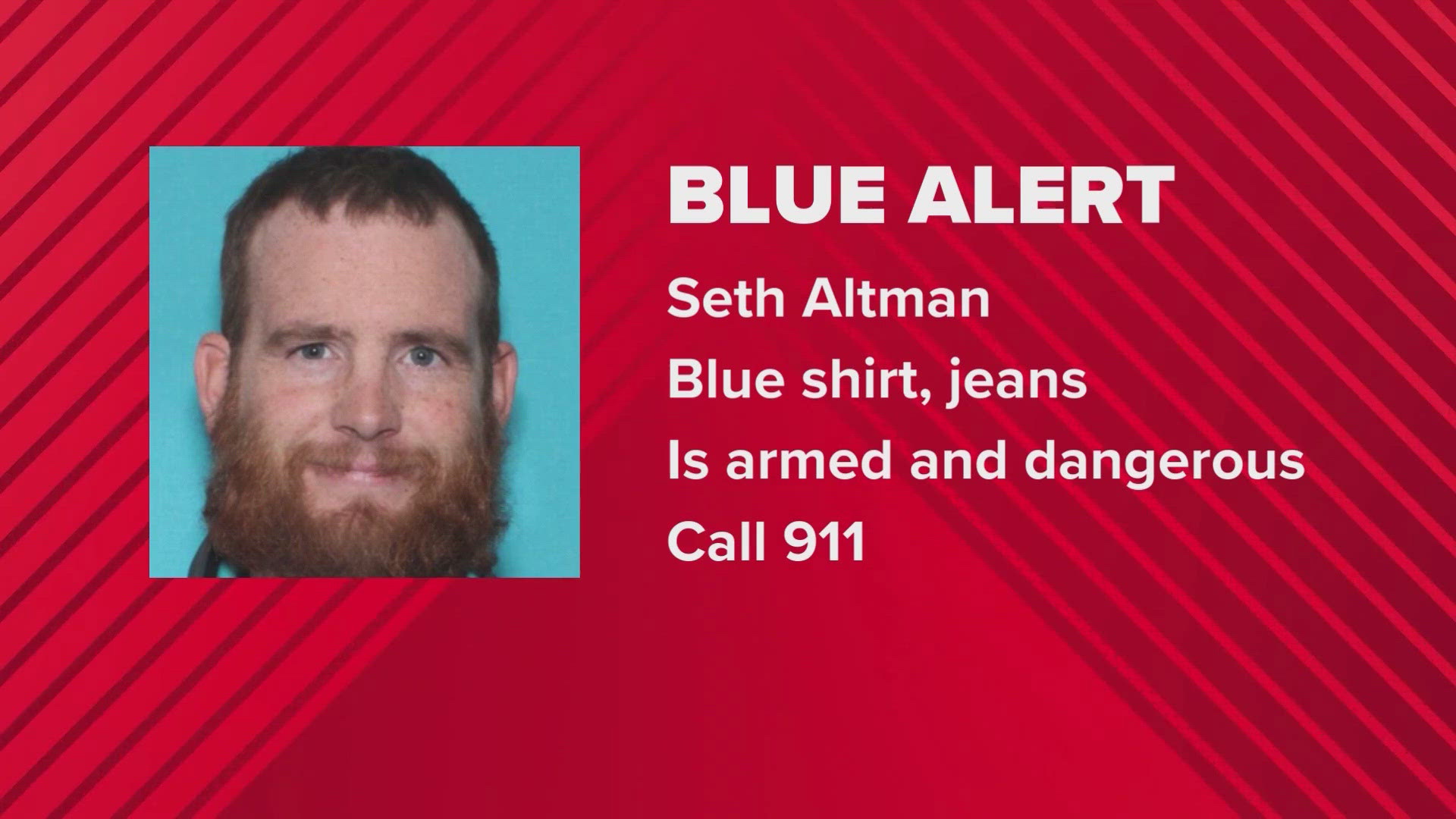
- Do Not Approach Suspects: The most critical piece of advice for the public during a Blue Alert is never to approach, confront, or attempt to apprehend a suspect. These individuals are considered armed and dangerous. Your role is to observe from a safe distance, note as many details as possible (vehicle description, license plate, direction of travel, suspect’s appearance), and immediately report the information to 911.
By following these guidelines, travelers can not only ensure their own safety but also contribute positively to the community’s efforts to maintain security, making their visit to Texas a safer and more enriching experience.
The Broader Context of Safety Initiatives for a Better Travel Experience
The Blue Alert system is not an isolated initiative but rather one component of a comprehensive safety infrastructure that Texas has developed to protect its residents and the millions of tourists who flock to the state annually. This layered approach to safety enhances the overall travel experience, allowing visitors to immerse themselves in local culture, savor the unique cuisine, and explore attractions like The Oasis on Lake Travis without undue concern.
Texas invests heavily in its public safety apparatus, from well-trained local police departments and the overarching Texas Department of Public Safety to advanced emergency communication systems. These efforts are designed to create an environment where incidents are swiftly addressed, and threats are mitigated effectively. For example, while you’re enjoying the historical landmarks of San Antonio, attending a festival in Austin, or exploring the natural beauty of Texas State Parks, you can be reassured by the knowledge that a robust safety network is at work.
The mere existence of a Blue Alert, or any emergency alert, should not be a cause for alarm for potential visitors. Instead, it should be seen as evidence of a commitment to safety and a transparent approach to public information. When a serious incident occurs, the state empowers its citizens and guests with the information needed to react responsibly. This transparency fosters trust and helps maintain a high level of security, which is fundamental to a thriving tourism industry and a desirable lifestyle for residents. From ensuring safe passage on state roads via TxDOT alerts to maintaining secure environments in popular theme parks and historical sites, Texas endeavors to provide an enjoyable and safe experience for everyone. This holistic approach ensures that while you’re creating unforgettable memories, your safety remains a top priority, making Texas a welcoming and secure destination for all.
The Lifesaving Purpose and Community Responsibility
Ultimately, the core purpose of a Blue Alert transcends the immediate apprehension of a suspect; it is fundamentally about the preservation of life and the reinforcement of community safety. When a law enforcement officer is harmed, it represents an attack on the very individuals sworn to protect society. The prompt activation of a Blue Alert serves to ensure that those who pose such a severe threat are brought to justice as quickly as possible, preventing further harm to other officers and the general public.
This system is a powerful reminder of the shared responsibility within a community. It transforms every attentive citizen into a potential partner in public safety, giving them the tools and information to assist without putting themselves in harm’s way. The vigilance of a traveler noticing a suspect’s vehicle on a highway, or a local resident recognizing a description from their home, can be the critical piece of information that leads to a swift resolution. This collaborative spirit strengthens the fabric of society, fostering a collective commitment to maintaining peace and order.
For tourists, participating in this collective responsibility doesn’t require active searching; it simply demands awareness and a willingness to report credible sightings if they occur. By understanding what a Blue Alert means and how to respond safely, visitors contribute to the larger goal of creating a secure environment. This proactive approach to safety enriches the entire travel ecosystem, allowing both the residents of Texas and its guests to enjoy the state’s incredible hospitality, attractions, and vibrant lifestyle with an added layer of confidence. The Blue Alert is therefore not just an emergency notification; it’s a symbol of Texas’s dedication to protecting its own and welcoming visitors into a safe and vigilant community.
LifeOutOfTheBox is a participant in the Amazon Services LLC Associates Program, an affiliate advertising program designed to provide a means for sites to earn advertising fees by advertising and linking to Amazon.com. Amazon, the Amazon logo, AmazonSupply, and the AmazonSupply logo are trademarks of Amazon.com, Inc. or its affiliates. As an Amazon Associate we earn affiliate commissions from qualifying purchases.