
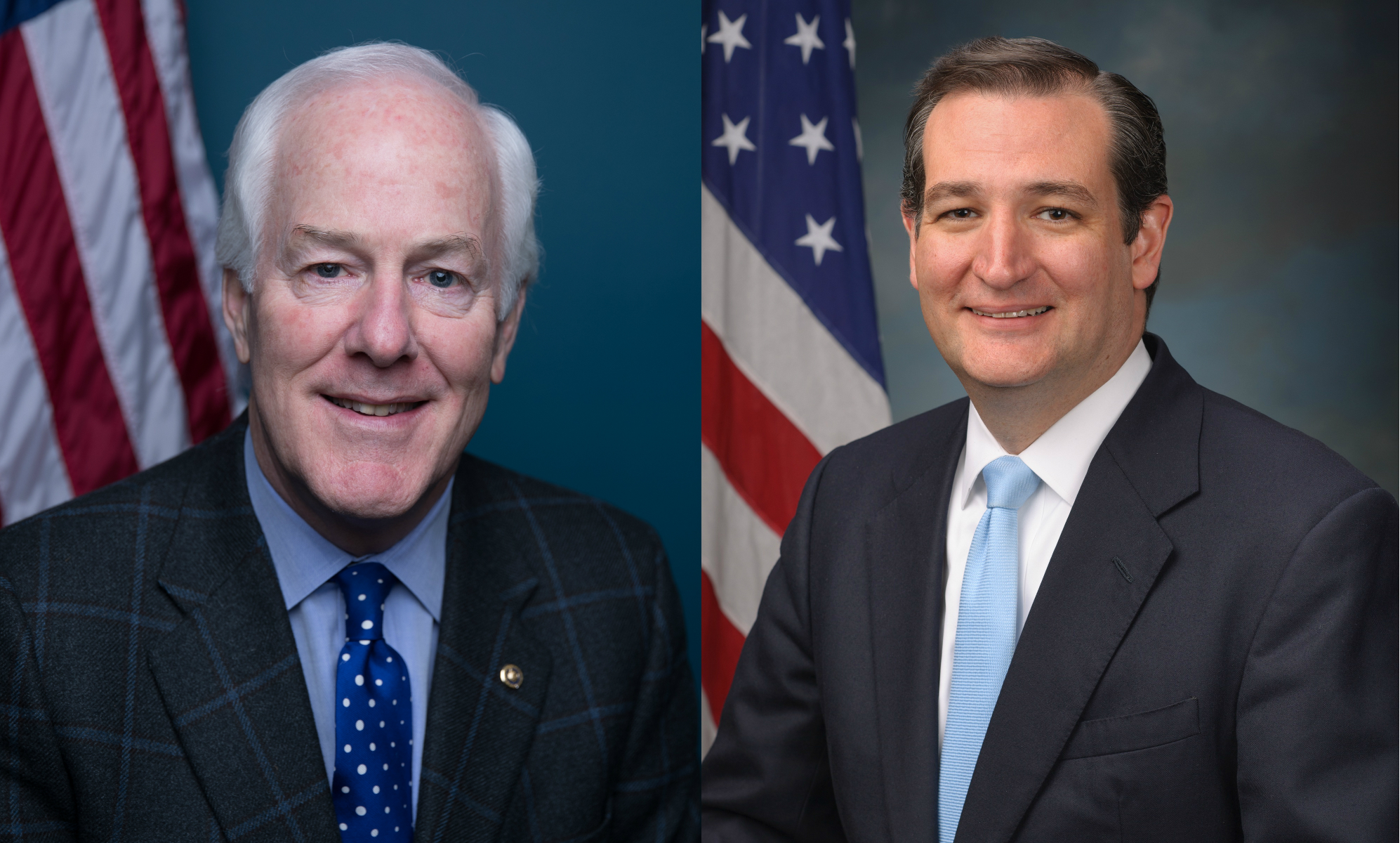
The vast and diverse landscape of Texas, a state known for its unique blend of cowboy culture, modern innovation, and rich history, holds a significant place in the political heart of the United States. As one of the largest states by both land area and population, Texas plays a pivotal role in national discourse, influencing everything from energy policy to international trade. Its voice in the federal government is primarily channeled through its two U.S. Senators, individuals who represent the interests of nearly 30 million Texans on Capitol Hill in Washington D.C.. These senators navigate the complex legislative processes, advocate for state-specific needs, and contribute to shaping the nation’s future.
For travelers and enthusiasts of American political history, understanding the people who hold these influential positions offers a deeper appreciation of the nation’s governance. Their journeys, from local communities across Texas to the halls of power, embody the spirit of public service and the intricate dance of American democracy. This exploration delves into the identities, backgrounds, and roles of the current United States Senators from Texas, providing not just biographical details, but also a lens through which to appreciate the geographical and cultural tapestry they represent. From the vibrant urban centers of Houston and Dallas to the historic charm of San Antonio and the bustling state capital of Austin, the influence of these senators resonates across a state that offers an unparalleled array of destinations and experiences for every kind of visitor.

Representing the Lone Star State: A Glimpse into the U.S. Senate
The role of a U.S. Senator is one of immense responsibility, requiring a delicate balance of local advocacy and national statesmanship. Senators serve six-year terms, providing a degree of stability and long-term vision to their work, unlike the two-year terms of House Representatives. This longer tenure allows them to delve deeply into complex policy issues, build relationships across the political spectrum, and champion initiatives that often take years to come to fruition. For Texas, with its diverse economy spanning oil and gas, technology, agriculture, and a burgeoning tourism sector, having strong, experienced voices in the Senate is crucial. These senators are not just lawmakers; they are cultural ambassadors, traveling frequently between the grandeur of Washington D.C. and the sprawling expanse of their home state. Their roles invariably involve extensive travel, staying in various accommodations, and engaging with the local culture and economy of different Texas regions, reflecting a lifestyle that blends rigorous policy work with constant movement.
The Enduring Legacy of Texas in National Politics
Texas’s political landscape is as monumental as its physical one. The state boasts a storied history of producing influential national figures, from presidents to powerful congressional leaders. This legacy is deeply intertwined with the state’s identity, which celebrates individualism, self-reliance, and a strong sense of community. When visiting Austin, the state capital, one can feel the echoes of this political heritage at the magnificent Texas State Capitol. A true landmark of architectural splendor, it stands taller than the U.S. Capitol Building and offers guided tours that delve into the state’s legislative history and the figures who shaped it. Tourists can explore its opulent chambers, admire the intricate details of its construction, and learn about the democratic processes that begin at the state level before reaching the national stage.
Beyond Austin, the cultural vibrancy of cities like San Antonio, home to the historic Alamo and the enchanting River Walk, or the cosmopolitan energy of Houston, with its NASA Johnson Space Center and world-class museums, highlight the diverse interests and priorities that Texas Senators must represent. The collective experiences of these vibrant communities contribute to the perspectives and policies advocated for by the state’s federal representatives. Understanding these local contexts is key to comprehending the broader political narrative of the Lone Star State and its enduring impact on American governance.
Senator John Cornyn: A Seasoned Voice from Texas
One of Texas’s current U.S. Senators is John Cornyn, a Republican who has served in the Senate since 2002. Born in Houston, Texas, and having lived in various locations due to his father’s service in the U.S. Air Force, Senator Cornyn eventually returned to his home state for higher education, earning his undergraduate degree from Trinity University in San Antonio and a Juris Doctor from St. Mary’s University School of Law, also in San Antonio. His deep roots in the Texas legal system provided a solid foundation for his distinguished career in public service. His journey from local politics to the national stage is a testament to dedication and a profound understanding of legal and governmental frameworks. For those visiting San Antonio, the city where much of his early career unfolded, one can explore the historic districts and vibrant cultural sites, imagining the pathways of future leaders who might walk these very streets.
Journey from Judiciary to the Capitol Hill
Senator Cornyn’s career is marked by extensive experience within the judiciary and state government. Before his election to the U.S. Senate, he served as a district judge in Bexar County, Texas, and later as a Justice on the Texas Supreme Court. These judicial roles provided him with an intimate understanding of legal principles and their practical application, skills that are invaluable in crafting legislation. He further honed his political acumen as the Attorney General of Texas, a position that involved defending the state’s interests and overseeing its legal affairs. This diverse background distinguishes him as a senator with a strong legal foundation, often leading him to play key roles in judicial nominations and constitutional law debates within the Senate.
His transition from the state’s highest legal office to the federal legislative body illustrates a common trajectory for many influential politicians. The challenges of statewide campaigning, which requires extensive travel and engagement with communities from the Panhandle to the Gulf Coast, prepared him for the national spotlight. For travelers interested in the nexus of law and politics, a visit to the Texas Supreme Court Building in Austin offers a unique perspective into the judicial branch that often serves as a stepping stone for such prominent figures.
Exploring the Roots and Impact in Texas Communities
Senator Cornyn’s long tenure in the Senate means he has deep connections across Texas’s myriad communities. His work often involves advocating for the state’s energy sector, supporting military bases like Fort Hood and Lackland Air Force Base, and promoting economic development in both urban centers and rural areas. This dedication requires constant interaction with constituents, leading to a lifestyle of frequent travel within the state. From town hall meetings in small Texas towns to policy discussions in Dallas’s financial districts, he embodies the dynamic link between federal policy and local impact.
Visitors to Texas who wish to understand the state’s political pulse can explore regions that benefit significantly from federal attention, such as the tech hubs in Austin or the medical centers in Houston. These areas are often recipients of federal funding and legislative support, illustrating the tangible impact of senatorial work. When staying in Austin, one might choose from a range of accommodations, from boutique hotels like Hotel Ella near the University of Texas campus to modern suites in the downtown core, all while being immersed in a city that pulsates with both political activity and a vibrant live music scene. In San Antonio, luxurious resorts along the River Walk provide an ideal base for exploring the historical and cultural landmarks that have shaped so many influential Texans, including Senator Cornyn.
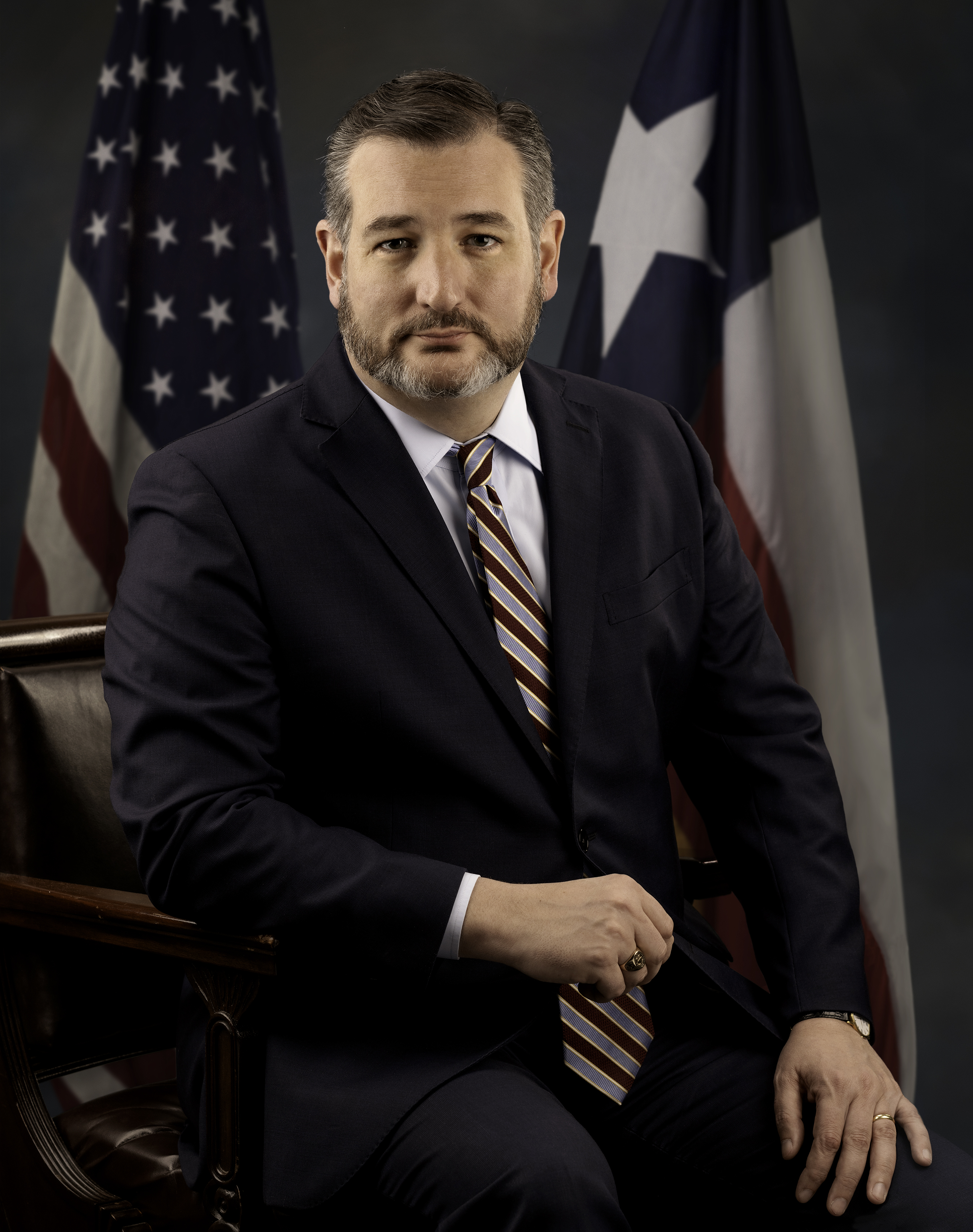
Senator Ted Cruz: A Bold Advocate for Texas Principles
The other United States Senator representing Texas is Ted Cruz, a Republican first elected in 2012. Born in Calgary, Alberta, Canada, to an American mother and a Cuban father, Senator Cruz spent his formative years in Houston, Texas, where his family eventually settled. His upbringing in Texas deeply informed his conservative political philosophy. Cruz’s intellectual prowess was evident from an early age, leading him to Princeton University and then to Harvard Law School, where he graduated with honors. His academic journey through some of the nation’s most prestigious institutions paved the way for a career marked by staunch advocacy and a prominent voice in national debates. For visitors interested in the journey of American political figures, tracing these educational pathways can be a fascinating element of a travel itinerary, from exploring university campuses to understanding the intellectual landscapes that shape future leaders.
From Harvard Law to the Senate Floor
Before entering the Senate, Ted Cruz built a distinguished legal career. He served as a law clerk to Chief Justice William Rehnquist of the U.S. Supreme Court, an experience that provided him with invaluable insights into the highest echelons of American jurisprudence. Following this, he spent time in private practice and held positions in the U.S. Department of Justice, eventually returning to Texas to serve as the Solicitor General of Texas. In this role, he argued numerous cases before the U.S. Supreme Court and other appellate courts, establishing a reputation as a formidable constitutional lawyer.
His transition to the Senate in 2012 was marked by a grassroots campaign that mobilized conservative voters across the state. Known for his oratorical skills and unwavering adherence to conservative principles, Senator Cruz quickly became a prominent national figure, often at the forefront of policy debates ranging from healthcare to judicial appointments. His presence on the Senate floor is distinct, characterized by passionate arguments and a deep knowledge of legislative procedure. For travelers visiting Washington D.C., observing the legislative process from the public galleries of the U.S. Capitol Building offers a firsthand glimpse into the environment where senators like Cruz shape national policy. Many tour packages for the Capitol and surrounding landmarks like the Library of Congress provide fascinating insights into these iconic institutions.
The Texas Connection: Engagement and Lifestyle
Despite his prominent national profile, Senator Cruz remains deeply connected to his Texas roots. His political platform consistently emphasizes issues important to Texans, including energy independence, border security, and economic growth. He maintains active offices across the state, in cities like Houston, Dallas, San Antonio, and Austin, ensuring accessibility for constituents. His lifestyle, much like Senator Cornyn’s, involves constant travel between Washington D.C. and the myriad regions of Texas, engaging with different communities and addressing their specific concerns.
For those exploring Houston, Senator Cruz’s hometown, the city offers a blend of cultural attractions, world-class dining, and significant historical sites. From the Museum District to the bustling Galleria, Houston provides a window into the urban Texas experience that shapes many of its leaders. Tourists looking for accommodation in Houston can choose from luxury hotels such as The Post Oak Hotel at Uptown Houston to comfortable serviced apartments, catering to both business travelers and families exploring the city. This interaction with the diverse facets of Texas life ensures that the state’s senators remain attuned to the pulse of their constituents, bridging the gap between national policy-making and local realities.
The Life of a Senator: Travel, Accommodation, and Public Service
The life of a U.S. Senator is one of continuous motion and demanding schedules. It is a unique blend of legislative work in the nation’s capital and grassroots engagement in their home state. This dual existence means senators and their staff are constantly on the move, experiencing various destinations, from the bustling corridors of Washington D.C. to the diverse landscapes of Texas. This lifestyle naturally brings them into contact with a wide range of travel, accommodation, and tourism experiences, albeit often through the lens of official duty.
Balancing Duties in Washington D.C. and the Home State
When in Washington D.C., senators spend their time in the legislative complex, which includes the U.S. Capitol Building, various Senate office buildings, and nearby governmental agencies. Their days are filled with committee hearings, floor votes, meetings with lobbyists and constituents, and inter-party negotiations. The pace is intense, often requiring long hours and constant engagement. For visitors to Washington D.C., exploring the National Mall, visiting the Smithsonian Museums, or walking through historic neighborhoods like Georgetown offers a glimpse into the vibrant ecosystem that surrounds these political powerhouses. Accommodation options in D.C. range from historic luxury hotels like The Willard InterContinental to modern downtown suites, catering to a constant influx of political visitors, tourists, and business travelers.
However, a significant portion of a senator’s time is dedicated to their home state. For Texas Senators, this means traveling across a state larger than many countries. From the arid beauty of Big Bend National Park in West Texas to the piney woods of East Texas, and from the beaches of Galveston to the plains of the Panhandle, these individuals engage with a diverse electorate. This involves attending local events, holding town halls, meeting with local leaders, and visiting businesses and schools. The logistical challenge of covering such a vast area necessitates extensive domestic travel, often by plane or car, making them seasoned travelers well-versed in the various regions of their state.
Navigating the Political Landscape: A Traveler’s Perspective
From a traveler’s perspective, following the footprint of these senators provides a unique itinerary for exploring Texas. One could plan a trip around significant political landmarks, starting with the Texas State Capitol in Austin, then perhaps visiting the courthouses and universities in San Antonio where Senator Cornyn began his legal career. A stop in Houston could explore the urban environment that shaped Senator Cruz’s youth, combined with visits to cultural attractions like the Houston Space Center or the city’s renowned culinary scene.
The need for suitable accommodation is paramount for senators and their teams. While official duties often dictate certain choices, the wider political ecosystem thrives on a diverse range of hotels, suites, and even short-term rentals, especially in major cities during legislative sessions or campaign events. From luxury resorts offering privacy and amenities for high-profile guests, to budget-friendly hotels frequented by campaign staff, the world of political travel intersects directly with the hospitality industry. Discovering these locations offers a different kind of travel experience, one that connects with the pulse of national governance and the communities it serves. Whether it’s finding a charming boutique hotel near the Texas State University in San Marcos where a senator might stop, or an executive suite in downtown Dallas for a press conference, the accommodation landscape is a silent but crucial partner in the daily operations of public service. Exploring the diverse regions of Texas, from the dramatic vistas of Palo Duro Canyon State Park to the tranquil beauty of Guadalupe Mountains National Park, also highlights the environmental and economic interests that these senators must balance and protect.
In conclusion, the United States Senators from Texas, John Cornyn and Ted Cruz, are figures of significant influence whose careers reflect both the unique character of their home state and the broader dynamics of American politics. Their demanding roles necessitate a lifestyle of constant engagement, travel, and interaction across a vast geographical and cultural expanse. For anyone interested in American governance, or simply seeking a deeper understanding of the vibrant and complex state of Texas, exploring the paths and places associated with these senators offers a rich and informative journey. From the historic landmarks of Austin to the bustling urban centers and the expansive natural beauty that defines the Lone Star State, their stories are interwoven with the very fabric of Texas itself.
LifeOutOfTheBox is a participant in the Amazon Services LLC Associates Program, an affiliate advertising program designed to provide a means for sites to earn advertising fees by advertising and linking to Amazon.com. Amazon, the Amazon logo, AmazonSupply, and the AmazonSupply logo are trademarks of Amazon.com, Inc. or its affiliates. As an Amazon Associate we earn affiliate commissions from qualifying purchases.