
San Francisco, California, a city famed for its iconic landmarks, vibrant culture, and culinary excellence, often leaves first-time visitors puzzled when it comes to packing. Unlike many popular tourist destinations with predictable seasonal weather, San Francisco’s climate is an enigma, a beautiful paradox that shapes every experience within its hilly confines. From the perpetually fog-kissed Golden Gate Bridge to the sun-drenched streets of its southern neighborhoods, understanding San Francisco’s weather isn’t just about checking a forecast; it’s about embracing a unique facet of California living. This guide will delve into the city’s distinctive climate, offering insights for planning your travels, ensuring comfort, and maximizing your enjoyment, whether you’re here for a luxury getaway, a budget-friendly adventure, a family trip, or a crucial business stay.

The Enigmatic Climate of San Francisco: A City of Microclimates
San Francisco’s weather is as multifaceted as its diverse population. Often described as having a Mediterranean climate, it’s far from the uniform warmth one might associate with California. Instead, it’s a city defined by microclimates, where conditions can shift dramatically from one neighborhood to the next, sometimes within a matter of blocks. This unique meteorological phenomenon is primarily due to the city’s hilly topography, its position on a peninsula bordered by the Pacific Ocean and the San Francisco Bay, and the persistent marine layer.
A Microclimate Mosaic: Understanding the Varied Weather
The most famous player in San Francisco’s weather narrative is its fog, affectionately known as “Karl” by some locals. This dense marine layer rolls in from the Pacific Ocean, particularly during the summer months, creating a cool, often misty blanket over large portions of the city. Areas closer to the ocean, such as the Sunset District or the Richmond District, experience more fog and cooler temperatures year-round. Conversely, neighborhoods further inland and shielded by hills, like the Mission District or Potrero Hill, tend to be warmer and sunnier, often enjoying clear skies even when the Golden Gate Bridge is completely shrouded.
The presence of the San Francisco Bay also plays a crucial role. While the Pacific Ocean brings the cool, moist air, the bay’s warmer waters can temper temperatures on the eastern side of the city. This interaction creates distinct pockets of weather, making it entirely possible to start your day shivering in the fog near Fisherman’s Wharf and find yourself basking in glorious sunshine in Dolores Park just a short cable car ride away.
Temperature Trends and Precipitation Patterns
Despite the variations, a few general trends define San Francisco’s climate. Temperatures throughout the year are remarkably moderate, rarely reaching extreme highs or lows. Summers are famously cool, with average highs often hovering in the mid-60s Fahrenheit (around 18-20°C). Winters are mild, with daytime temperatures typically in the mid-50s Fahrenheit (around 10-13°C), and while frosts are rare, nights can be chilly.
Rainfall is highly seasonal. San Francisco experiences a wet winter and spring, with the majority of its precipitation occurring between November and April. December, January, and February are typically the rainiest months. Summers, from June to September, are almost entirely dry, characterized by clear skies (once the morning fog burns off) and persistent sunshine inland. This dry-summer pattern is a hallmark of the Mediterranean climate, making it an appealing destination for those seeking a break from intense heat or humidity during peak summer months elsewhere.
Navigating San Francisco’s Seasons: What to Expect When You Visit
Understanding the seasonal nuances is crucial for any traveler planning a trip to San Francisco. Each season offers a distinct charm and different weather considerations, impacting everything from your sightseeing itinerary to your choice of accommodation.
Spring’s Gentle Embrace (March-May)
Spring in San Francisco is a delightful time to visit. The rainy season begins to taper off, and while occasional showers can occur, days become increasingly clear and mild. Average temperatures range from the low 50s to low 60s Fahrenheit (10-17°C). The city bursts into bloom, particularly in Golden Gate Park and the Japanese Tea Garden, offering picturesque backdrops for exploration. Fog is less prevalent than in summer, making it an ideal time for clear views from Coit Tower or a boat trip to Alcatraz Island. This season is perfect for walking tours, exploring the vibrant neighborhoods of Chinatown or North Beach, and enjoying the burgeoning outdoor dining scene.
Summer’s Cool Paradox (June-August)
This is perhaps the most misunderstood season in San Francisco. While most of California sizzles, San Francisco remains cool, often earning the famous (and slightly exaggerated) quip attributed to Mark Twain: “The coldest winter I ever spent was a summer in San Francisco.” Fog is at its most persistent, often blanketing the city in the mornings and evenings, particularly along the coast and near the Golden Gate Bridge. Daytime temperatures rarely climb above the low 70s Fahrenheit (21-22°C), and evening lows can dip into the 50s (10-15°C). While the fog can obscure views, it also adds to the city’s mystique. Travelers should be prepared for brisk winds and pack layers. This season is excellent for visiting indoor attractions like the California Academy of Sciences or the Exploratorium, or taking day trips to sunnier spots like Sausalito or Wine Country (Napa Valley or Sonoma County).
Autumn’s Golden Glow (September-November)
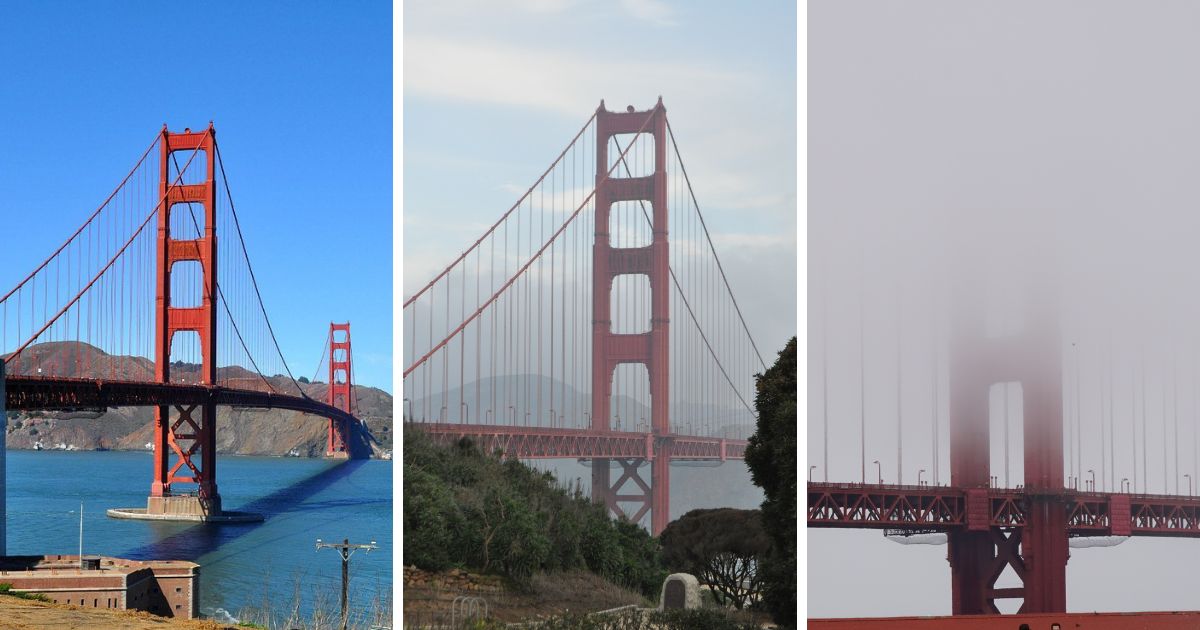
Often considered the “secret summer” or “Indian Summer” of San Francisco, autumn is hands-down the best time to experience the city’s sunniest and warmest weather. The fog recedes significantly, giving way to clear, brilliant blue skies and temperatures that frequently reach the 70s Fahrenheit (21-26°C), sometimes even higher. This period, especially September and October, offers the most consistent pleasant weather, making it ideal for exploring outdoor landmarks such as the Presidio National Park or enjoying panoramic views from Twin Peaks. Outdoor festivals are common, and evenings are mild enough to enjoy al fresco dining. If your travel lifestyle favors sunshine and optimal sightseeing conditions, this is the season to plan your visit.
Winter’s Mild Charm (December-February)
San Francisco’s winter is mild compared to much of the United States. While it is the rainiest season, average temperatures remain temperate, typically ranging from the mid-40s to mid-50s Fahrenheit (7-13°C). Days can be gray and damp, but heavy, prolonged downpours are less common than persistent, lighter rain. The city takes on a cozy, festive atmosphere, especially around Union Square with its holiday decorations. This is an excellent time for museum visits – think the Legion of Honor Museum or the San Francisco Museum of Modern Art – and enjoying the city’s world-class culinary scene. Hotels often offer better rates during this off-peak season, making it an attractive option for budget travel or a luxurious, less crowded experience.
Packing Smart for Your San Francisco Adventure
Regardless of when you visit, the key to comfort in San Francisco is intelligent packing. The city’s microclimates mean you can experience all four seasons in a single day.
Layering is Key
This cannot be emphasized enough. Even on a seemingly sunny morning, the wind can pick up, or the fog can roll in unexpectedly, causing a significant drop in temperature. Start with a base layer, add a sweater or fleece, and top it off with a windproof and water-resistant outer layer. You’ll appreciate the flexibility to add or shed clothing as conditions change throughout your day of exploring.
Essential Items to Include
- Warm Jacket or Windbreaker: Essential year-round, even in summer.
- Sweaters or Fleece: For warmth, particularly in the evenings.
- Comfortable Walking Shoes: San Francisco is a city best explored on foot, tackling its famous hills requires good footwear.
- Scarf: A versatile accessory that can provide extra warmth against chilly winds.
- Umbrella (for winter): Though rain can be intermittent, a compact umbrella is useful from November to April.
- Sunglasses: Even on foggy days, the sun can suddenly peek through, and the glare off the bay can be intense.
- Sunscreen: Don’t underestimate the California sun, even on overcast days.
Beyond the Forecast: Experiencing San Francisco
While weather influences your packing list, it rarely dictates the success of your San Francisco journey. The city offers an incredible array of attractions and experiences that can be enjoyed in any weather, catering to every travel style and budget.
Top Attractions & Activities for Any Weather
San Francisco’s charm lies in its adaptability. On a sunny day, stroll across the Golden Gate Bridge, explore the Presidio National Park, or ride a cable car up Lombard Street. When the fog rolls in or rain sprinkles, duck into one of the city’s many world-class museums, such as the de Young Museum, the Exploratorium, or the Asian Art Museum. The historic Alcatraz Island tour is fascinating regardless of the weather, though clearer days offer better views back to the city. The bustling Ferry Building Marketplace is perfect for a foodie adventure, rain or shine. Don’t forget to visit Ghirardelli Square for some sweet treats and bay views, or marvel at the architectural beauty of the Palace of Fine Arts. For nature lovers, a short drive across the Golden Gate Bridge will lead you to the majestic redwood trees of Muir Woods National Monument or the stunning vistas of the Marin Headlands within the Golden Gate National Recreation Area.
Accommodation Choices & Lifestyle Tips
Your choice of accommodation can significantly enhance your San Francisco experience, regardless of the weather. From luxurious stays at renowned establishments like the Fairmont San Francisco or the Ritz-Carlton, San Francisco offering stunning city views, to charming boutique hotels in neighborhoods like Nob Hill or Hayes Valley, there’s something for every preference. Consider a hotel with cozy common areas or a spa for cooler days, or one with a rooftop bar for enjoying a rare sunny evening. Apartments and villas also offer excellent options for longer stays or family trips, providing the flexibility to prepare meals and create a home-away-from-home atmosphere. For business travelers, hotels in the Financial District or SoMa provide convenient access to corporate hubs and amenities, often with indoor dining options that are perfect for any weather. Budget-conscious travelers will find numerous hostels and value hotels, especially in areas like the Tenderloin or near public transit hubs that connect to cities like Oakland or Berkeley.

Culinary Delights & Local Culture
San Francisco’s reputation as a gastronomic capital is well-deserved. From Michelin-starred restaurants to casual food trucks, the city’s diverse culinary scene thrives year-round. Warm up with a bowl of clam chowder at Fisherman’s Wharf, explore the authentic dim sum in Chinatown, or savor farm-to-table delights in the Mission District. The weather often dictates the ambiance – a cozy meal by a fireplace on a misty evening or an energetic outdoor brunch on a sunny afternoon. Beyond food, immerse yourself in the local culture by visiting historic sites, catching a show in the Theatre District, or discovering independent bookstores and art galleries in Haight-Ashbury.
In conclusion, while San Francisco’s weather may be unpredictable and often surprisingly cool, it is an integral part of what makes this city so captivating. Armed with the knowledge of its microclimates and the wisdom to pack layers, you are set to embark on an unforgettable journey. Embrace the fog, cherish the unexpected sunshine, and prepare to fall in love with a city that truly marches to the beat of its own meteorological drum. Its unique climate only adds to the layers of experience, ensuring that every visit reveals something new and wonderful, a truly unique travel experience for all.
LifeOutOfTheBox is a participant in the Amazon Services LLC Associates Program, an affiliate advertising program designed to provide a means for sites to earn advertising fees by advertising and linking to Amazon.com. Amazon, the Amazon logo, AmazonSupply, and the AmazonSupply logo are trademarks of Amazon.com, Inc. or its affiliates. As an Amazon Associate we earn affiliate commissions from qualifying purchases.