
Alaska, the United States’ largest state, is a land of unparalleled natural beauty, extreme landscapes, and incredible diversity. When planning a trip to this vast wilderness, one of the most frequently asked questions, and indeed one of the most critical, is “What temperature is it in Alaska?” The answer, however, is far from simple. Alaska’s sheer size means that temperatures can vary dramatically not just from season to season, but also from one region to another, and even from day to day. Understanding these temperature fluctuations is paramount for any traveler, as it directly impacts packing choices, activity planning, accommodation selection, and ultimately, the overall enjoyment and safety of your Alaskan adventure.
From the relatively mild coastal towns to the frigid interior and the unforgiving Arctic Circle, the climate of Alaska is a tapestry woven with extremes. This guide aims to demystify Alaskan temperatures, providing insights into what to expect across its diverse regions and seasons, and how to best prepare for an unforgettable journey into the Last Frontier. Whether you’re dreaming of summer hiking under the midnight sun, witnessing the vibrant aurora borealis in the crisp winter air, or exploring charming towns, knowing the temperature will be your compass for planning the perfect Alaska experience.
Understanding Alaska’s Climate: More Than Just Cold
While Alaska is often synonymous with cold, ice, and snow, this generalization only tells part of the story. The state encompasses several distinct climatic zones, each with its own unique temperature patterns influenced by geography, proximity to the ocean, and elevation. These factors create a mosaic of weather experiences that can challenge perceptions and offer surprising variations.
The diverse climate is largely due to Alaska’s immense size and topographical features. The massive Brooks Range and Alaska Range act as formidable barriers, influencing wind patterns and moisture distribution. The warm currents of the Pacific Ocean moderate temperatures along the southern coast, while the interior experiences a more continental climate with greater temperature extremes. Further north, the Arctic Ocean dictates the frigid conditions of the Arctic Circle. For travelers, understanding these regional differences is crucial for selecting destinations and preparing for the specific conditions they might encounter. The right gear and a well-researched itinerary can transform a potentially challenging trip into a comfortable and enriching exploration of Alaska’s incredible natural wonders and vibrant local culture.
Coastal vs. Interior vs. Arctic Temperatures
The geographic diversity of Alaska leads to stark differences in temperature across its main regions. Each area offers a distinct set of experiences, largely dictated by its weather.
Southcentral and Southeast Coastal Regions: This area, including cities like Anchorage, Juneau, Ketchikan, and Seward, benefits from the moderating influence of the Pacific Ocean. Summers here are generally mild and rainy, with average temperatures ranging from 55°F to 75°F (13°C to 24°C). Winters are cool but not excessively cold, with average temperatures usually between 20°F and 35°F (-7°C to 2°C). Snowfall can be heavy, especially in higher elevations. This region is popular for cruising the Inside Passage, glacier viewing in Prince William Sound or Kenai Fjords National Park, and wildlife watching. Accommodations here range from charming boutique hotels in historic towns to luxury resorts offering stunning waterfront views, catering to travelers seeking comfort amidst scenic beauty.
Interior Alaska: Home to Fairbanks, Denali National Park, and vast wilderness, the interior experiences a classic continental climate with greater extremes. Summers are warmer and drier than the coast, often reaching 60°F to 80°F (16°C to 27°C), with occasional spikes into the 90s°F (30s°C). The long daylight hours make it ideal for hiking, exploring national parks, and experiencing the legendary Alaska Railroad. However, winters are notoriously cold, with temperatures frequently dropping below 0°F (-18°C) and often plunging to -20°F to -40°F (-29°C to -40°C) or even colder. Despite the chill, winter in the interior is magical, offering the best chances for aurora viewing, dog sledding, and ice sculpting. Travelers staying in interior cities like Fairbanks can find cozy hotels with excellent amenities, perfect for warming up after a day of winter exploration. Many lodges around Denali offer unique experiences, from rustic cabins to more luxurious stays, perfectly blending into the natural environment.
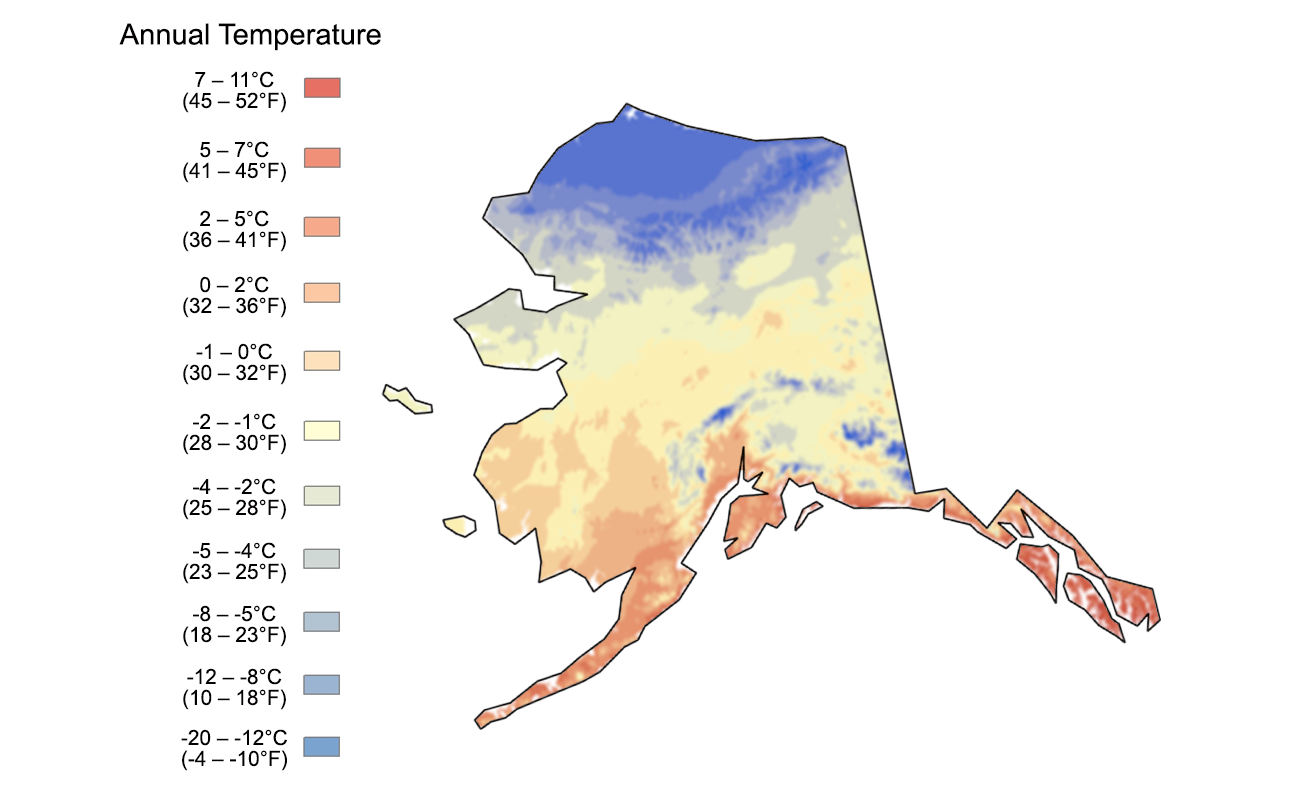
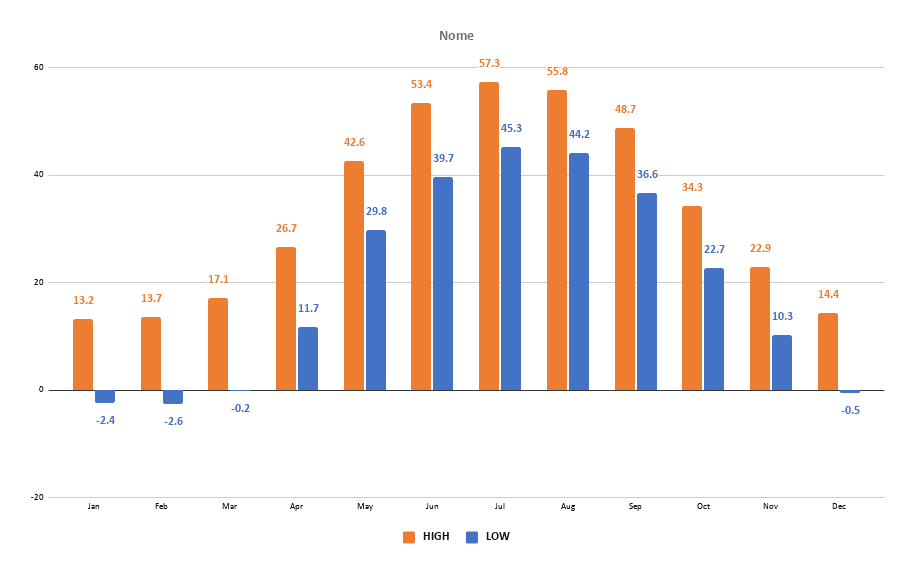
Arctic and Western Alaska: This includes areas above the Arctic Circle like Utqiagvik (formerly Barrow) and the western coastal communities such as Nome. This region is characterized by extremely cold temperatures for much of the year. Summers are brief and cool, with averages typically in the 30s°F to 50s°F (0°C to 10°C), and snow can fall even in July. Winters are long, dark, and brutally cold, with temperatures consistently below 0°F (-18°C) and often reaching -30°F to -50°F (-34°C to -46°C), exacerbated by fierce winds. Travel to this region is an intense, immersive experience, often involving guided tours focused on indigenous culture, unique wildlife like polar bears, and incredible natural phenomena. Accommodation here is often simpler, prioritizing warmth and functionality, with options like community guesthouses or specialized Arctic lodges designed to withstand extreme conditions.
Seasonal Temperature Guide for Alaskan Adventures
Alaska’s seasons are pronounced and each offers a unique window into its captivating wilderness. Understanding the temperature shifts through the year is key to choosing your travel dates and preparing for the activities that define each season. From the bustling vibrancy of summer to the serene beauty of winter, Alaska’s climate dictates the rhythm of life and tourism.
Summer Temperatures: The Land of the Midnight Sun (June-August)
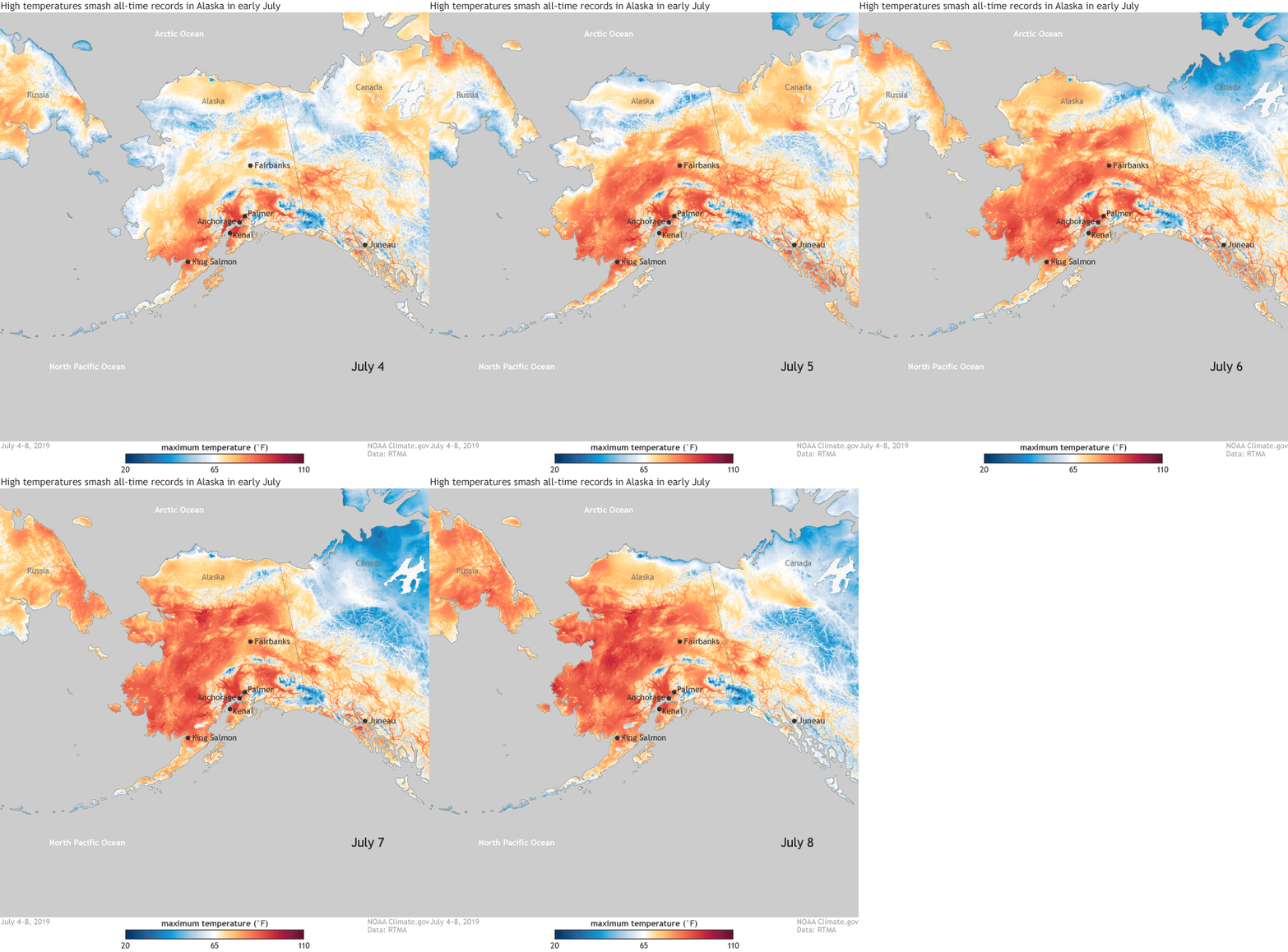
Summer is peak tourist season in Alaska, and for good reason. The long daylight hours, often extending past midnight in some regions, create a unique and energetic atmosphere. Temperatures are at their warmest and most comfortable, making it the ideal time for most outdoor activities.
- Average Temperatures:
- Coastal Southcentral/Southeast (Anchorage, Juneau, Seward, Homer): 55°F to 75°F (13°C to 24°C). Expect occasional rain and cooler evenings, especially on cruises.
- Interior (Fairbanks, Denali National Park, Talkeetna): 60°F to 80°F (16°C to 27°C), with some days reaching higher. Nights are cooler.
- Arctic (Utqiagvik): 30°F to 50°F (0°C to 10°C). Still quite cool, and snow is possible.
- What to Expect & Do: Summer is prime time for hiking, fishing, kayaking, wildlife viewing (bears, moose, whales), and cruising. The mild temperatures make exploring national parks like Denali, Kenai Fjords, and Katmai National Park incredibly enjoyable. Many hotels and resorts, from the Grand Hyatt Hotel Anchorage (a hypothetical example) to charming lodges in remote areas, are fully operational, offering a wide range of accommodation options. Demand is high, so booking well in advance is essential.
- Packing Essentials: Layers are crucial. Pack light long-sleeved shirts, fleece jackets, waterproof and windproof outer layers, sturdy hiking boots, and a hat. Don’t forget bug spray, especially for interior areas. Even in summer, evenings can be chilly, and weather can change quickly.
Fall Temperatures: A Brief, Beautiful Transition (September-October)
Alaska’s fall is a fleeting, exquisite season characterized by vibrant foliage and crisp air. Temperatures begin to drop, signaling the approach of winter, but the shoulder season offers unique advantages for travelers seeking a quieter, more intimate experience.
- Average Temperatures:
- Coastal: 40°F to 55°F (4°C to 13°C).
- Interior: 30°F to 50°F (-1°C to 10°C). Freezing temperatures become more common, especially at night.
- Arctic: Below freezing, 10°F to 30°F (-12°C to -1°C).
- What to Expect & Do: Fall brings stunning displays of golden birch and aspen, making it ideal for scenic drives and photography. The chances of seeing the aurora borealis increase significantly as the nights grow longer and darker, especially in interior regions around Fairbanks. Crowds thin out, and some tour operators and accommodations, like the Alaska Wilderness Lodge (hypothetical example), may offer discounted rates before closing for the winter. Wildlife viewing can still be excellent as animals prepare for winter.
- Packing Essentials: Continue with layers, but heavier ones. Add warmer sweaters, a good quality insulated jacket, gloves, and a warm hat. Waterproof gear remains important due to increased precipitation in some areas.
Winter Temperatures: A True Alaskan Experience (November-March)
Winter in Alaska is a profound experience, transforming the landscape into a snow-covered wonderland. While temperatures are at their lowest, this season unlocks a host of unique activities and breathtaking sights.
- Average Temperatures:
- Coastal (Anchorage, Juneau): 20°F to 35°F (-7°C to 2°C).
- Interior (Fairbanks): -20°F to 10°F (-29°C to -12°C), frequently much colder.
- Arctic (Utqiagvik): -30°F to -10°F (-34°C to -23°C), with extreme wind chills.
- What to Expect & Do: This is the prime time for viewing the aurora borealis, especially in the interior where skies are clearer and darker. Other popular winter activities include dog mushing (experiencing part of the Iditarod Trail Sled Dog Race for instance), ice fishing, cross-country skiing, and snowmobiling. Alaska’s cities host winter festivals, like Anchorage’s Fur Rendezvous or Fairbanks’ World Ice Art Championships. Many hotels, such as the Talkeetna Roadhouse (hypothetical example) or established chain hotels in larger cities, remain open, offering cozy retreats with amenities like indoor pools and hot tubs. Luxury travel in winter might include stays in remote, heated wilderness lodges accessible by small plane, providing exclusive access to winter landscapes.
- Packing Essentials: Extreme cold requires specialized gear. Think heavy-duty insulated parkas, thermal base layers (wool or synthetic), fleece mid-layers, insulated waterproof pants, warm waterproof boots rated for sub-zero temperatures, multiple pairs of wool socks, thick gloves or mittens, and a very warm hat that covers your ears and face. Hand and foot warmers are also highly recommended.
Spring Temperatures: Awakening From Winter (April-May)
Spring is a season of transition in Alaska, as the state slowly emerges from its winter slumber. Days grow longer rapidly, snow begins to melt, and wildlife stirs, but temperatures can still be quite variable.
- Average Temperatures:
- Coastal: 35°F to 50°F (2°C to 10°C).
- Interior: 25°F to 45°F (-4°C to 7°C), with significant thawing and potential for muddy conditions.
- Arctic: Still very cold, 0°F to 20°F (-18°C to -7°C).
- What to Expect & Do: This shoulder season offers a mix of winter and summer activities. Early spring can still be good for aurora viewing and late-season skiing, while late spring sees the return of migratory birds and the emergence of bears from hibernation. It’s an excellent time for budget-conscious travelers, as flight and accommodation prices, including at resorts like the Alyeska Resort, may be lower before the summer rush. Road conditions can be unpredictable with melting snow and ice, so flexible travel plans are advisable.
- Packing Essentials: Layers are key, similar to fall, but with a strong emphasis on waterproof outer layers due to melting snow and increased rain. Good waterproof hiking boots are essential to navigate muddy trails.
Planning Your Trip: Accommodations and Lifestyle in Alaskan Temperatures
Successfully navigating Alaska’s diverse temperatures goes beyond just knowing what to pack; it involves strategic planning for accommodation, activities, and adopting a local lifestyle to fully embrace the experience. Whether you’re a luxury traveler seeking high-end amenities or a budget traveler exploring with a backpack, temperature considerations are central to your comfort and enjoyment.
Accommodation Choices: Your chosen season will heavily influence the type of accommodation best suited for your trip.
- Summer: Most hotels, resorts, cabins, and campgrounds are open. For example, a stay at the Hotel Captain Cook in Anchorage offers urban comfort with easy access to city attractions and day tours. Wilderness lodges like the Denali Park Village (hypothetical example) provide rustic charm closer to nature. Booking in advance is crucial due to high demand.
- Winter: Look for accommodations designed for cold weather. Cozy lodges with fireplaces, hot tubs, and heated rooms are popular. Many hotels in Fairbanks cater specifically to aurora viewers, sometimes offering wake-up calls when the lights are out. Consider properties with indoor activities and restaurants for days when outdoor exploration is limited by extreme cold. Some luxury travel options include secluded, warm cabins with panoramic views, allowing guests to witness winter’s beauty from comfort.
- Shoulder Seasons (Spring/Fall): This can be an excellent time to find deals on a variety of accommodations, from standard hotels to unique bed and breakfasts in towns like Sitka or Kodiak Island. Always check opening dates, as some seasonal properties may be closed.
Embracing the Alaskan Lifestyle: Locals in Alaska have a unique relationship with the cold, embodying resilience and a love for the outdoors regardless of the temperature.
- Layering is a Religion: This isn’t just advice; it’s a way of life. Dressing in multiple adaptable layers allows you to adjust to rapidly changing conditions, whether you’re moving from a heated lodge to an outdoor activity, or experiencing the sun disappearing behind clouds.
- Food and Drink: Embrace hearty Alaskan cuisine. In colder months, warm, comforting meals like king crab bisque, reindeer sausage, and steaming hot chocolates are not just delicious but essential for staying warm. Even in summer, a warm beverage can be a welcome treat on a chilly morning.
- Outdoor Activities: Don’t let the cold deter you. Alaska offers world-class winter sports and experiences that are truly unique. With the right gear, activities like ice climbing near Valdez, snowshoeing in Wrangell-St. Elias National Park and Preserve, or even simply a brisk walk through a snow-laden forest become invigorating adventures.
- Safety in Extremes: Always check local weather forecasts before venturing out. Inform someone of your plans if you’re going into remote areas. Understand the signs of hypothermia and frostbite. If driving in winter, ensure your vehicle is properly equipped (winter tires, emergency kit) and be aware of road conditions. For longer-term stays or adventurous excursions, consider specialized gear rental.
Budget Travel Considerations: While Alaska can be an expensive destination, traveling during the shoulder seasons or even winter can offer significant savings on flights and accommodation. Camping can be a budget-friendly option in summer, but requires proper cold-weather gear even then. Planning meals in advance and utilizing local grocery stores can also help manage costs. Regardless of budget, prioritize investing in quality outerwear; it’s non-negotiable for comfort and safety in Alaska’s varied temperatures.
In conclusion, understanding what temperature to expect in Alaska is the first step towards a memorable journey. By respecting the state’s diverse climate, planning meticulously for each season and region, and embracing the adventurous spirit that defines Alaskan life, you can ensure a comfortable, safe, and truly unforgettable exploration of this magnificent wilderness. Whether you’re drawn by the majestic glaciers of Skagway in summer or the ethereal glow of the aurora in winter, Alaska’s temperatures are an integral part of its charm and challenge. Prepare well, and you’ll discover a world unlike any other.
LifeOutOfTheBox is a participant in the Amazon Services LLC Associates Program, an affiliate advertising program designed to provide a means for sites to earn advertising fees by advertising and linking to Amazon.com. Amazon, the Amazon logo, AmazonSupply, and the AmazonSupply logo are trademarks of Amazon.com, Inc. or its affiliates. As an Amazon Associate we earn affiliate commissions from qualifying purchases.