
New Mexico, often called the “Land of Enchantment,” is a state steeped in a rich tapestry of natural beauty, cultural heritage, and unique traditions. While many associate the state with its iconic red rocks, vast deserts, and adobe architecture, its natural identity is also defined by its official symbols. Among these, the state tree holds a special significance, representing the enduring spirit and distinctive character of the landscape. This article delves into the identity of New Mexico’s state tree, exploring its ecological importance, historical context, and its symbolic resonance within the state’s identity.
The Official Designation: A Symbol of Resilience
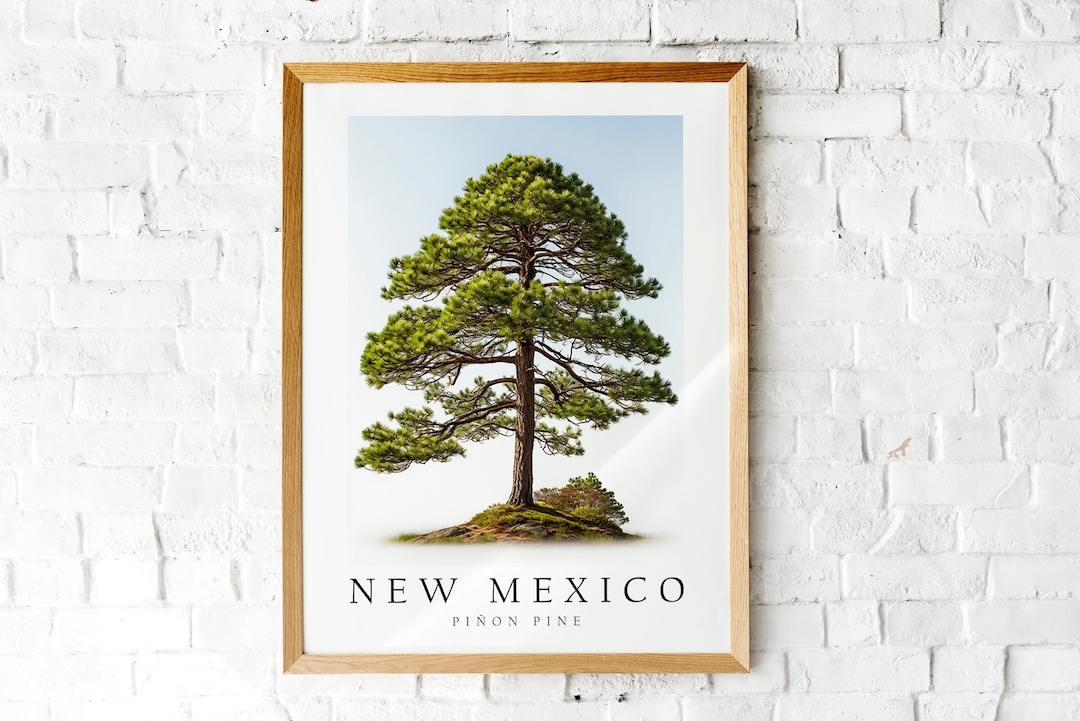
The state tree of New Mexico is the Pinon Pine. This choice, made official in 1977, reflects a deep appreciation for a tree that is not only abundant across the state but also deeply intertwined with its history and ecosystem. The pinon pine is a relatively small, slow-growing coniferous tree, typically reaching heights of 10 to 30 feet. It is characterized by its dense, often irregular crown, short, twisted branches, and small, resinous needles that grow in clusters. Its bark is rough and fissured, and it produces small, edible pine nuts, or pinons, which have been a vital food source for indigenous peoples and wildlife for millennia.
The selection of the pinon pine as the state tree was a deliberate choice, highlighting a species that thrives in the arid and semi-arid conditions prevalent throughout much of New Mexico. It is a testament to nature’s ability to flourish in challenging environments, a characteristic that many see mirrored in the resilience of the state’s people and its unique cultural blend. Unlike some other state trees that might represent majestic forests or towering giants, the pinon pine embodies a more subtle, enduring strength. It is a tree that whispers of the land, its history, and its future, providing sustenance and shelter in a landscape that demands adaptation.
Ecological Significance in the Arid Landscape
The pinon pine plays a crucial role in the ecological balance of New Mexico. It is a keystone species in the pinon-juniper woodlands that dominate large portions of the state’s high desert and mountain foothills. These woodlands are characterized by a diverse array of flora and fauna, all adapted to survive with limited water resources.
The pinon pine’s ability to thrive in sandy, rocky, and nutrient-poor soils is a remarkable feat of natural engineering. Its deep root system allows it to tap into scarce underground water sources, while its small, waxy needles minimize water loss through transpiration. This resilience makes it a foundational element of its ecosystem, providing habitat and food for numerous species.
- Wildlife Habitat: The dense foliage of the pinon pine offers shelter and nesting sites for a variety of birds, including the Steller’s Jay and the Pinon Jay, which are particularly dependent on the tree. Small mammals, such as squirrels and chipmunks, also find refuge within its branches and among its roots.
- Food Source: The most significant ecological contribution of the pinon pine is its edible seeds, the pinons. These nutritious nuts are a vital food source for many animals, including jays, squirrels, and chipmunks. The pinon jay, in particular, has a symbiotic relationship with the pinon pine, relying heavily on its seeds for survival and aiding in the dispersal of the tree’s cones.
- Soil Stabilization: The root systems of pinon pines help to bind the soil, preventing erosion in the often-vulnerable arid landscapes. This is crucial for maintaining the health of the soil and preventing desertification.
- Biodiversity Support: By creating a unique microclimate and providing essential resources, the pinon pine supports a rich biodiversity within the pinon-juniper woodland ecosystem. This ecosystem is home to a variety of reptiles, insects, and other plant species that are specifically adapted to this environment.
The presence of the pinon pine is intrinsically linked to the health and character of New Mexico’s natural landscapes, from the rugged terrain near Santa Fe to the vast expanses of the Chihuahuan Desert.
Historical and Cultural Significance
The pinon pine’s importance extends far beyond its ecological role; it is deeply woven into the cultural fabric of New Mexico. For thousands of years, indigenous peoples of the region, including the Pueblo tribes, have relied on the pinon pine for sustenance, materials, and spiritual practices.
A Sustenance for Millennia
The edible pinon nuts have been a staple food source for indigenous communities for generations. Harvesting the nuts was (and often still is) a communal activity, a time for gathering and sharing. The nuts are rich in protein, fats, and vitamins, providing essential nourishment in a land where food resources could be scarce. The process of harvesting, roasting, and preparing pinon nuts is a tradition passed down through families, connecting contemporary generations to their ancestral heritage.

Beyond food, various parts of the pinon pine have been used for practical purposes:
- Wood: The wood, though not as large as other conifers, has been used for building, fuel, and crafting tools and utensils. Its fragrant resin has also been utilized.
- Resin: The resin has medicinal properties and has been used to seal containers and for various craft purposes.
Symbolic Meanings and Traditions
The pinon pine holds symbolic meaning in many indigenous cultures, often representing resilience, survival, and the connection to the earth. Its ability to thrive in harsh conditions is seen as a metaphor for the strength and endurance of the people. The tree’s evergreen nature can also symbolize eternal life and continuity.
This deep cultural connection is reflected in the state’s designation. The pinon pine is not merely a botanical specimen; it is a living link to the past, a provider in the present, and a symbol of the enduring spirit of New Mexico. Visitors to the state will often encounter pinon pines dotting the landscape, particularly in areas surrounding Albuquerque and the Gila National Forest. The aroma of pinon wood burning in fireplaces is a distinct and cherished scent during cooler months, further embedding the tree in the sensory experience of the state.
Experiencing the Pinon Pine in New Mexico
For visitors and residents alike, encountering the pinon pine offers a tangible connection to New Mexico’s natural and cultural heritage. The tree is a ubiquitous presence, shaping the very character of the landscape.
Exploring Pinon-Juniper Woodlands
The best way to appreciate the state tree is to immerse oneself in its natural habitat: the pinon-juniper woodlands. These ecosystems can be found across New Mexico, often at elevations between 4,000 and 7,000 feet. Many state and national parks, as well as national forests, offer opportunities for exploration.
- Hiking Trails: Numerous hiking trails wind through these woodlands, providing excellent opportunities to observe the pinon pines up close. Popular areas include the Petroglyph National Monument near Albuquerque, the trails around Taos Ski Valley, and the backcountry of the Gila National Forest. The characteristic scent of the pines and the distinctive silhouette of the trees against the often-vivid blue sky are unforgettable sights and smells.
- Scenic Drives: Many scenic byways in New Mexico traverse areas dominated by pinon-juniper woodlands. The Turquoise Trail National Scenic Byway, for instance, offers glimpses of these hardy trees as it winds between Albuquerque and Santa Fe.
- Seasonal Observations: The pinon pine remains evergreen throughout the year, but its appearance can change subtly with the seasons. In autumn, the cones mature, and if one is lucky, they might witness the bounty of pinon nuts. Winter snow can transform the landscape, dusting the branches and highlighting the tree’s enduring presence.

Culinary Delights and Local Flavors
The most direct way to experience the cultural significance of the pinon pine is through its nuts. Pinon nuts are a prized delicacy in New Mexico cuisine, adding a unique flavor and texture to a variety of dishes.
- Local Restaurants: Many restaurants throughout New Mexico, especially those focusing on Southwestern fare, feature pinon nuts on their menus. They can be found in pestos, salads, baked goods, and as a garnish for savory dishes. The distinct, slightly resinous, and buttery flavor of pinon nuts is a signature taste of the region.
- Farmers’ Markets: During the harvest season (typically autumn), pinon nuts can often be found at local farmers’ markets. Purchasing them directly from vendors provides an opportunity to learn more about the harvesting process and the families involved.
- Specialty Foods: Numerous local producers in New Mexico create specialty food items featuring pinon nuts, such as pinon brittle, pinon coffee, and pinon butter. These make for excellent souvenirs or delicious treats to enjoy during a visit.
The state tree of New Mexico is more than just a designation; it is a living emblem of the state’s resilience, its rich history, and its enduring connection to the natural world. The humble yet mighty pinon pine stands as a testament to the beauty and strength that can be found in even the most arid and challenging environments.
LifeOutOfTheBox is a participant in the Amazon Services LLC Associates Program, an affiliate advertising program designed to provide a means for sites to earn advertising fees by advertising and linking to Amazon.com. Amazon, the Amazon logo, AmazonSupply, and the AmazonSupply logo are trademarks of Amazon.com, Inc. or its affiliates. As an Amazon Associate we earn affiliate commissions from qualifying purchases.