
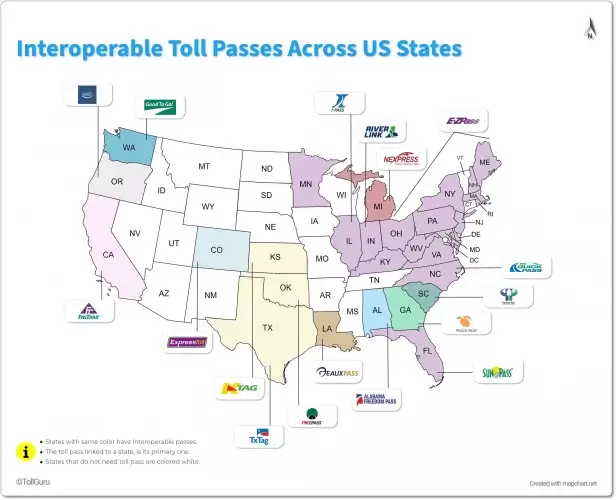
Travelers accustomed to the seamless operation of Ez Pass across the eastern and central United States often inquire about its functionality in other regions, particularly the expansive and diverse toll road network of California. The short answer, and a critical piece of information for any driver planning a trip to the Golden State, is no – Ez Pass is not directly compatible with California’s toll roads. While the concept of electronic toll collection is universal, the specific systems and interoperability agreements vary by region. Understanding these differences is paramount for a smooth, penalty-free driving experience in California.
The Short Answer: A Different System
The electronic toll collection landscape in the United States is a patchwork of regional systems, with efforts constantly underway to achieve greater interoperability. However, certain regions maintain their independent networks, and California is one such area.
Understanding Ez Pass
Ez Pass is a transponder-based electronic toll collection system covering 19 states, primarily in the Northeast, Mid-Atlantic, and parts of the Midwest. It allows drivers to pay tolls electronically as they pass through designated toll plazas, eliminating the need to stop and pay cash. The system relies on a small transponder affixed to the vehicle’s windshield, which communicates with overhead readers. Funds are deducted from a pre-paid account, offering convenience and often discounted toll rates. Its widespread adoption across its member states makes it an indispensable tool for many interstate travelers.
California’s Toll Collection Systems
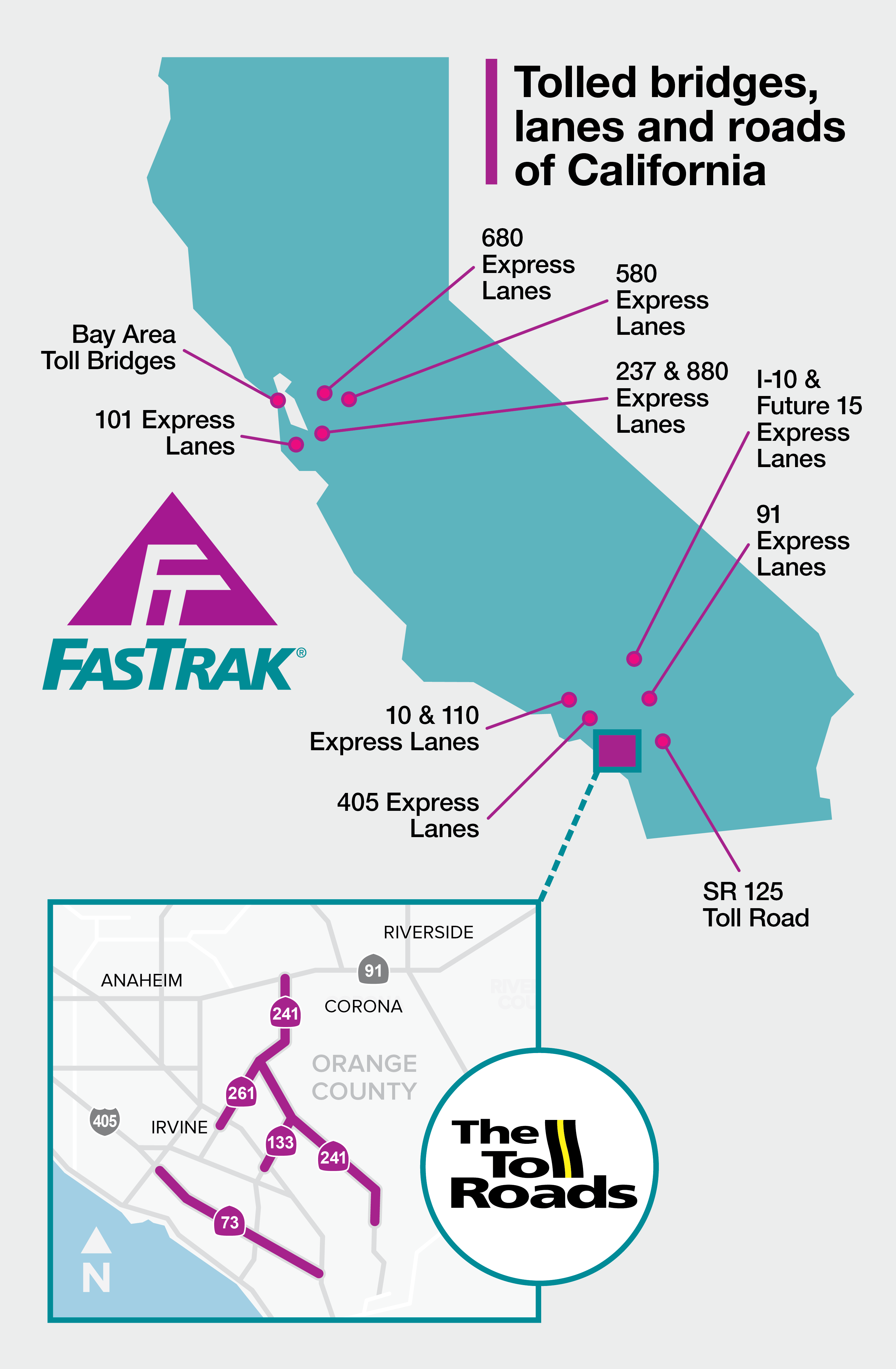
In stark contrast to the Ez Pass consortium, California operates its own independent electronic toll collection system known as FasTrak. Established in 1993, FasTrak is managed by various regional toll authorities but operates under a single, unified brand across the state. This means that a single FasTrak transponder works on all toll roads, bridges, and express lanes within California.
Beyond FasTrak, California’s toll facilities also universally offer alternative payment methods for those without a transponder. The most common is “Pay-By-Plate” or “One-Time Payment.” This system uses license plate recognition technology to identify vehicles that have passed through a toll plaza without an electronic transponder. Drivers then have a specified window (typically 48 hours to 5 days, depending on the facility) to pay the toll online, by phone, or in person, using their license plate number. Failure to do so results in a toll invoice, followed by escalating penalties and fines if left unpaid. Some facilities may still offer limited cash payment options, though these are becoming increasingly rare and are often located on specific bridge crossings rather than modern express lanes.
Navigating Toll Roads in the Golden State
For visitors to California, understanding where tolls are collected and how to pay them is essential. The state’s toll infrastructure is diverse, encompassing iconic bridges, modern express lanes, and standalone toll roads.
Key Toll Facilities in California
California’s toll facilities are concentrated in major metropolitan areas, primarily the Bay Area, Southern California, and around San Diego.
- Bay Area Bridges: Nine major bridges in the San Francisco Bay Area collect tolls in the westbound or southbound direction. These include the famous Golden Gate Bridge, San Francisco-Oakland Bay Bridge, Dumbarton Bridge, Richmond-San Rafael Bridge, Carquinez Bridge, Benicia-Martinez Bridge, and the Antioch Bridge. The Golden Gate Bridge is unique as it is an all-electronic toll bridge with no cash payment option. All these bridges accept FasTrak or one-time payments.
- Express Lanes: These are increasingly common throughout the state, particularly in heavily congested areas. Express lanes, also known as High Occupancy Toll (HOT) lanes, offer faster travel for a fee, often dynamically priced based on congestion levels. Examples include the Orange County Toll Roads (SR 73, SR 133, SR 241, SR 261), SR 91 Express Lanes in Riverside County, and numerous I-10, I-110, I-15, I-5, and SR 60 express lanes across Los Angeles and San Bernardino Counties. To use these lanes, a FasTrak transponder is almost always required, with specific transponders often needed for carpool discounts.
- San Diego Area Toll Roads: The SR 125 South Bay Expressway and the SR 76 Express Lanes are dedicated toll facilities in the San Diego region that primarily use FasTrak or one-time payment options.
How FasTrak Works
For frequent travelers or those planning an extensive road trip through California, obtaining a FasTrak transponder offers the most convenience and often the lowest toll rates.
- Obtaining a Transponder: You can purchase a FasTrak transponder online through one of the regional toll agencies (e.g., Bay Area Toll Authority, The Toll Roads of Orange County) or at retail locations like Costco, Walgreen’s, and Safeway stores. An initial deposit or pre-paid toll amount is usually required to activate the account. Some transponders are sticker tags, while others are hard-case devices, particularly those for express lanes that allow for toggling between 1, 2, or 3+ occupants for carpool discounts.
- Account Management: Once you have a FasTrak account, you manage it online. You link your vehicle’s license plate(s) to the account, and the system automatically debits tolls as you pass through toll points. Accounts can be replenished automatically via credit card or manually. It’s crucial to ensure your account details are up-to-date and have sufficient funds to avoid violations.
Options for Out-of-State Visitors
Since your Ez Pass will not work, out-of-state visitors have several viable strategies for managing tolls in California.
Setting Up a Temporary FasTrak Account
For longer visits or those planning to use toll roads frequently, setting up a temporary FasTrak account might be the most cost-effective and convenient option. You can order a transponder online and have it shipped to your temporary California address (if you have one) or purchase one at a retail location upon arrival. Once your trip is over, you can close the account and receive any remaining balance, though it’s important to understand the specific terms and conditions of the account type you choose.
One-Time Payment Methods
The most flexible option for occasional toll road use is the one-time payment. This method avoids the need for a transponder entirely.
- Online Payments: The primary way to make a one-time payment is online. After driving through a toll facility, visit the specific toll authority’s website (e.g., The Toll Roads, Bay Area Toll Authority). You will need your license plate number, the date of travel, and a payment method. Payment windows vary, but generally, you have up to 48 hours to 5 days after your trip to pay the toll before penalties apply.
- Phone Payments: Many toll authorities also offer payment via an automated phone system. This is a good alternative if you don’t have immediate internet access.
- Cash Payments (Limited Availability): As mentioned, cash payment options are extremely limited in California toll facilities, particularly on newer express lanes. The Golden Gate Bridge is entirely cashless. Do not rely on finding a cash toll booth; always have a backup plan.
Rental Cars and Tolls
Navigating tolls in a rental car requires particular attention. Rental car companies often have their own programs for toll payment, which can add significant surcharges to your travel costs.
- Understanding Rental Car Company Policies: Most major rental companies (e.g., Hertz, Enterprise, Avis) offer optional toll payment services. They will typically outfit their cars with a transponder (either their own or a FasTrak compatible one) or enroll the vehicle in a program that automatically charges tolls to your rental agreement. While convenient, these services usually come with a daily administrative fee in addition to the actual toll charges, which can quickly accumulate. Review your rental agreement carefully or inquire at the counter about their specific toll program and associated fees.
- Avoiding Surcharges: To avoid rental company surcharges, you can:
- Opt out of their toll program (if available) and pay tolls yourself using the one-time payment method online. Ensure you do this promptly to avoid receiving toll invoices passed on by the rental company with additional fees.
- Bring your own FasTrak transponder (if you obtained one) and register the rental car’s license plate to your account for the duration of your rental period. Remember to remove the rental car’s license plate from your account when you return the vehicle.
- Avoid toll roads altogether, though this may not always be practical for certain routes or to save time.
Avoiding Penalties and Ensuring a Smooth Journey
A little preparation goes a long way in preventing unexpected fines and ensuring a stress-free trip through California’s toll infrastructure.
Proactive Planning is Key
Before you hit the road, identify potential toll roads on your planned route. Mapping tools like Google Maps often indicate toll roads and can help you plan alternative, toll-free routes if desired. If you know you’ll be using toll roads, decide on your payment strategy in advance: one-time payments, a temporary FasTrak account, or understanding your rental car’s policy.
Understanding Toll Signs and Markings
California’s toll roads are clearly marked with signs indicating “Toll Road,” “Express Lane,” or “FasTrak Only.” Pay attention to these signs, especially when entering express lanes, as some require a FasTrak transponder to activate carpool discounts or even to use the lane at all. Look for signs detailing the payment options and grace periods for one-time payments.
What Happens if You Miss a Toll?
If you pass through a toll facility without a valid FasTrak transponder or without making a one-time payment within the allowed window, a toll invoice will be mailed to the registered owner of the vehicle. This invoice will include the original toll amount plus a penalty. If this invoice is not paid, additional penalties and fines can accrue, and eventually, a hold can be placed on your vehicle registration. For out-of-state drivers, these unpaid tolls and penalties can still follow you, potentially affecting future rental car agreements or even leading to collection actions.
Tips for a Stress-Free California Drive
- Bookmark Toll Websites: Keep the websites for California’s major toll authorities handy on your smartphone (e.g., The Toll Roads for Orange County, Bay Area Toll Authority for Bay Area bridges) for quick one-time payments.
- Take Photos: If you’re using the one-time payment method, take a quick photo of your license plate before you begin your journey to easily reference it later.
- Monitor Rental Agreements: If using a rental car, check your credit card statements and rental agreement for any unexpected toll charges or administrative fees after your trip.
- Consider Carpool Rules: On express lanes, carpool requirements ([HOV 2+ or 3+]) are strictly enforced, and you usually need a FasTrak Flex transponder to receive carpool discounts.
The Future of Interoperability
While Ez Pass and FasTrak currently operate as separate entities, there is a national movement towards greater toll interoperability. The MAP-21 federal legislation (Moving Ahead for Progress in the 21st Century Act) mandated national interoperability for electronic toll collection by October 1, 2016. However, the implementation of this mandate has been phased and complex, with different regions coming online at different times.
The National Push for Toll Interoperability
The goal of national interoperability is to allow a single transponder to work on any toll road in the country, simplifying travel for motorists. While significant progress has been made with major toll systems like Ez Pass and SunPass achieving some level of cross-compatibility, bridging the gap with California’s FasTrak system has proven to be a more formidable challenge due to differing technological standards and administrative structures.

What This Means for Travelers
For the immediate future, travelers should assume that their Ez Pass will not work in California. Until a formal interoperability agreement between the Ez Pass consortium and California’s FasTrak system is announced, drivers must prepare to use FasTrak or the one-time payment methods when driving on California’s toll roads. Staying informed about the latest developments in toll interoperability is always a good practice, but for now, careful planning and adherence to California’s specific toll payment procedures will ensure a smooth and worry-free journey through the state.
LifeOutOfTheBox is a participant in the Amazon Services LLC Associates Program, an affiliate advertising program designed to provide a means for sites to earn advertising fees by advertising and linking to Amazon.com. Amazon, the Amazon logo, AmazonSupply, and the AmazonSupply logo are trademarks of Amazon.com, Inc. or its affiliates. As an Amazon Associate we earn affiliate commissions from qualifying purchases.