
Understanding the local time is a fundamental aspect of planning any trip, and for visitors heading to the vibrant city of Albuquerque New Mexico, this knowledge is particularly important. Nestled in the heart of the American Southwest, Albuquerque observes a specific time zone that impacts everything from flight schedules and hotel check-ins to the timing of its many cultural festivals and outdoor activities. This guide aims to provide clarity on Albuquerque’s time zone, its implications for travelers, and how it aligns with the broader context of timekeeping in the United States.

Understanding Mountain Time
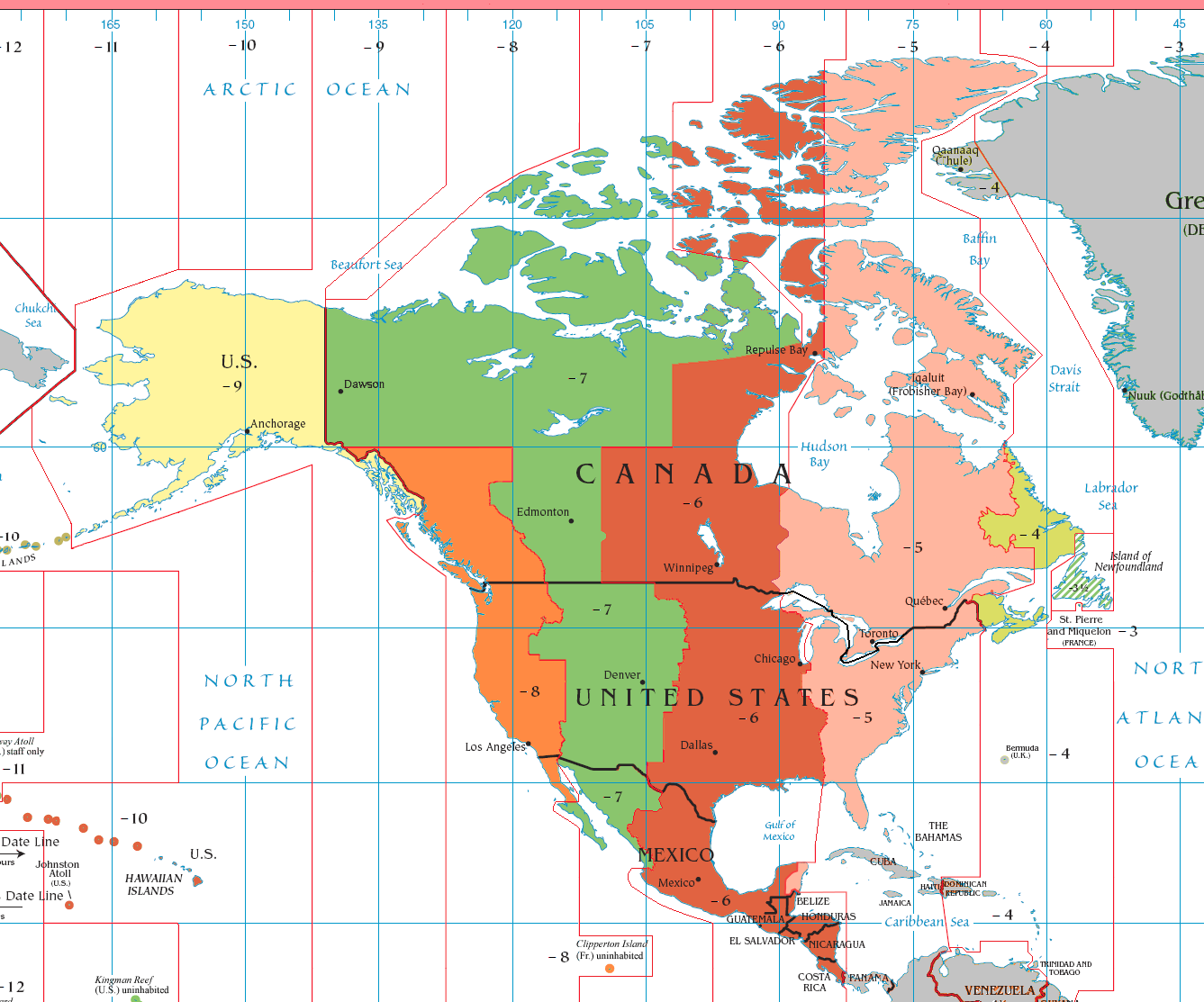
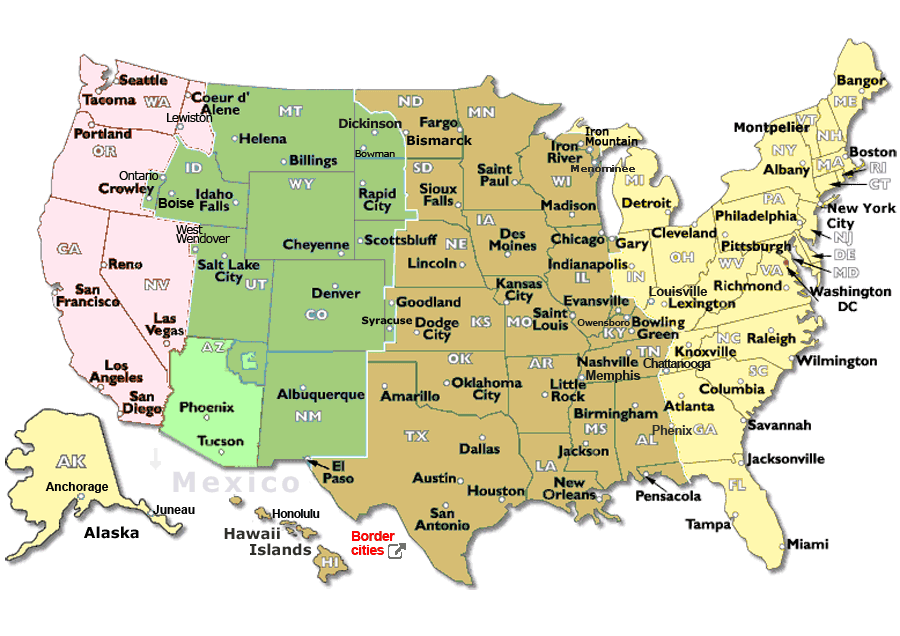
Albuquerque New Mexico is situated within the Mountain Time Zone (MT). This designation places it geographically and temporally in a unique position within the continental United States. The Mountain Time Zone is one of the four standard time zones in North America, alongside Eastern Time, Central Time, and Pacific Time. It is characterized by its observance of Mountain Standard Time (MST) during the winter months and Mountain Daylight Time (MDT) during the warmer months, a practice known as daylight saving time.
Mountain Standard Time (MST) vs. Mountain Daylight Time (MDT)
The transition between MST and MDT is a critical detail for travelers. MST is UTC-7, meaning it is seven hours behind Coordinated Universal Time (UTC). MDT, on the other hand, is UTC-6, signifying it is six hours behind UTC. The switch typically occurs on the second Sunday in March, when clocks are moved forward one hour at 2:00 AM local time, and then on the first Sunday in November, when clocks are moved back one hour at 2:00 AM local time.
For visitors planning their itineraries, this means that during the period of daylight saving time, Albuquerque New Mexico will be one hour ahead of its standard MST setting. This can be crucial for coordinating with contacts in other time zones, booking tours that operate on specific schedules, or simply ensuring you don’t miss an early morning flight or a sunset hot air balloon ride.
Geographic Boundaries and Neighboring Time Zones
The Mountain Time Zone is not exclusive to New Mexico. It also encompasses significant portions of other western states, including Montana, Idaho, Utah, Colorado, Wyoming, Arizona (though Arizona, with the exception of the Navajo Nation, does not observe daylight saving time, making it permanently on MST), and parts of North Dakota and South Dakota.
Understanding these boundaries is helpful for road trip planning. For instance, if you’re driving from Denver Colorado to Albuquerque New Mexico, you will remain within the Mountain Time Zone. However, a drive eastward toward Oklahoma City Oklahoma would place you in the Central Time Zone, and a westward journey towards Phoenix Arizona (outside the Navajo Nation) would keep you on MST, but an onward journey to Los Angeles California would transition you to the Pacific Time Zone. These shifts are essential to account for when mapping out multi-state adventures.
Practical Implications for Travelers
Knowing that Albuquerque New Mexico observes Mountain Time has several practical implications for anyone visiting the city. From the moment you begin planning your trip to your daily activities on the ground, time zone awareness is key.
Travel Planning and Logistics
- Flight and Transportation Schedules: Airlines and other transportation providers operate based on local time. When booking flights into Albuquerque International Sunport, ensure you are looking at arrival and departure times as listed in Mountain Time. This is especially important if you are connecting through a city in a different time zone, as miscalculations can lead to missed connections.
- Hotel Reservations: Check-in and check-out times at hotels such as the Hotel Andaluz or Isleta Resort & Casino are all in local Albuquerque time. If you are arriving from a distant time zone, factor in potential jet lag and the difference in hours when planning your arrival and departure.
- Tour and Activity Bookings: Many of Albuquerque’s signature experiences, such as hot air balloon rides over the Rio Grande Valley, guided tours of Old Town Albuquerque, or visits to attractions like the Indian Pueblo Cultural Center, operate on specific schedules. Confirming these times in Mountain Time is crucial for a seamless experience.
Daily Itinerary Management
- Dining Reservations: Popular restaurants in Albuquerque New Mexico often require reservations, especially during peak tourist seasons or for popular events like the International Balloon Fiesta. Ensure your reservation times are correctly understood in the local time zone.
- Event Schedules: Whether attending a performance at Popejoy Hall or a special exhibition at the New Mexico Museum of Natural History and Science, always verify the start times according to Mountain Time.
- Communication: If you are coordinating with locals, guides, or even fellow travelers, be explicit about the time zone to avoid confusion. A simple clarification can prevent misunderstandings that might otherwise disrupt your plans.
Connecting with Albuquerque’s Unique Charm
Beyond the practicalities of time zones, understanding Albuquerque’s temporal placement offers a subtle insight into its character and its connection to the wider American West. The rhythm of life in Albuquerque New Mexico is, in many ways, shaped by its geography and its historical relationship with the sun and seasons.
Embracing the Daylight Hours
The Mountain Time Zone, particularly during the summer months with Mountain Daylight Time (MDT), offers generous daylight hours. This is an invitation to fully explore Albuquerque’s diverse attractions. Early mornings are perfect for visiting the Sandia Peak Tramway for panoramic views as the sun rises over the Sandia Mountains, or for a leisurely stroll through the historic streets of Old Town. Evenings can be extended with sunset dining, exploring the vibrant nightlife, or simply enjoying the cooler desert air.
Experiencing Cultural Events and Festivals
Many of Albuquerque’s most celebrated events are timed to take advantage of the natural light and the changing seasons. The world-renowned International Balloon Fiesta, for instance, features mass ascensions in the early morning light, when atmospheric conditions are most favorable. Understanding the time zone ensures you don’t miss these spectacular moments. Other festivals, like the [Albuquerque International Folk Art Market, run throughout the day and into the early evening, allowing ample opportunity for visitors to immerse themselves in the local culture.
Understanding Time in the Southwest
The concept of time in the Southwest can sometimes feel a little more relaxed than in other parts of the country. While Albuquerque New Mexico adheres to the official Mountain Time, there’s an underlying appreciation for the natural rhythms of the day. This can be a refreshing aspect for travelers seeking a respite from a more hurried pace. However, for logistical purposes, relying on precise clock time is always recommended.
By understanding that Albuquerque New Mexico is in the Mountain Time Zone, visitors can navigate their travel plans with confidence, ensuring they make the most of their visit to this captivating city. From the initial booking of accommodations at places like the Hotel Albuquerque at Old Town to experiencing the magic of a sunrise hot air balloon ride, a clear grasp of local time is an essential tool for a memorable and well-executed journey. Whether you are visiting for business or pleasure, aligning your watch with Albuquerque’s time will help you synchronize with the pulse of the city and fully embrace all that the Land of Enchantment has to offer.
LifeOutOfTheBox is a participant in the Amazon Services LLC Associates Program, an affiliate advertising program designed to provide a means for sites to earn advertising fees by advertising and linking to Amazon.com. Amazon, the Amazon logo, AmazonSupply, and the AmazonSupply logo are trademarks of Amazon.com, Inc. or its affiliates. As an Amazon Associate we earn affiliate commissions from qualifying purchases.