
The question “Is the California fire out?” often evokes images of smoke-filled skies, ash-covered landscapes, and the lingering threat of destruction. While the immediate concern might be a specific, large-scale wildfire, the reality of fire in California is far more nuanced. It’s not just about the last ember dying out; it’s about a complex interplay of environmental factors, historical land management practices, and the evolving impact on the state’s vibrant tourism industry.
Understanding the Nature of California Wildfires
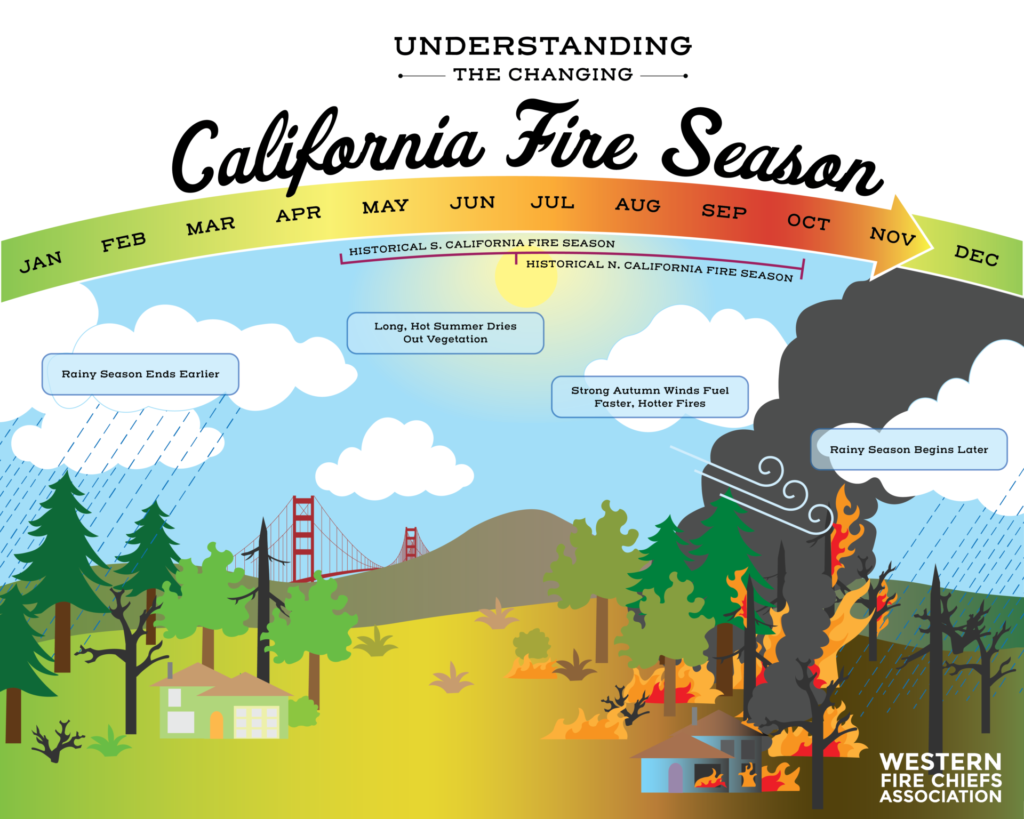
California’s Mediterranean climate, characterized by hot, dry summers and mild, wet winters, creates a natural environment prone to fire. This phenomenon, often referred to as “natural fire,” has been a part of the state’s ecosystem for millennia. Indigenous peoples historically used fire as a tool for land management, clearing underbrush, promoting the growth of certain plants, and shaping the landscape. However, a century of aggressive fire suppression policies, coupled with increased human development in wildland areas, has dramatically altered this dynamic.
The Role of Fuel Buildup
When wildfires are consistently suppressed, dead vegetation – leaves, pine needles, fallen branches, and shrubs – accumulates on the forest floor. This “fuel” acts like tinder, creating conditions for fires to burn hotter, spread faster, and become more difficult to control. These megafires, as they are often called, can devastate vast areas, impacting air quality for hundreds of miles and posing significant risks to communities and natural habitats. The scale and intensity of recent fires, such as the Dixie Fire or the Camp Fire, underscore the challenges posed by this fuel buildup.
Climate Change as a Catalyst
Compounding the issue of fuel buildup is the undeniable impact of climate change. Rising global temperatures lead to prolonged droughts, hotter heatwaves, and earlier snowmelt in California. These conditions dry out vegetation, making it more susceptible to ignition and exacerbating fire behavior. The frequency and severity of wildfires are projected to increase, presenting an ongoing challenge for the state and its residents, including those who rely on its natural beauty for recreation and tourism.
The Impact on California’s Tourism Landscape
The allure of California for travelers lies in its diverse and breathtaking landscapes, from the majestic Sierra Nevada Mountains to the scenic Pacific Coast Highway. Wildfires, however, can cast a long shadow over these attractions, affecting visitor experiences and the economic well-being of communities that depend on tourism.
Immediate Disruptions and Cancellations
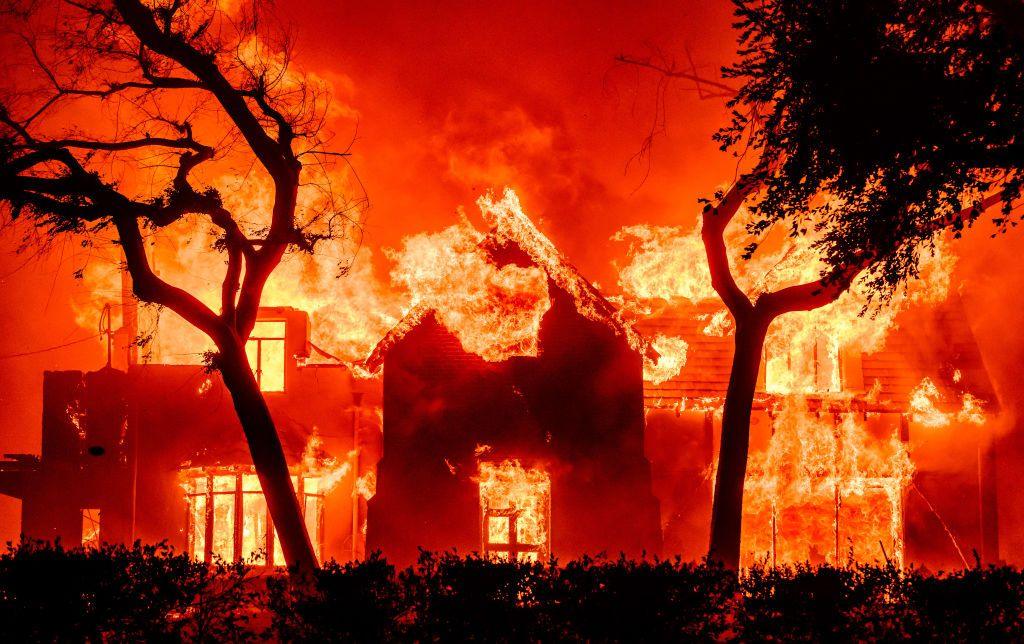
When a major wildfire ignites, the immediate impact on tourism can be severe. Road closures, evacuations, and hazardous air quality can lead to widespread cancellations of hotel bookings, outdoor tours, and visits to national parks and state recreation areas. Destinations like Yosemite National Park or the Lake Tahoe region, popular year-round for their natural splendor, can see their visitor numbers plummet during fire season. The visual blight of smoke and the omnipresent threat of danger can deter even the most intrepid travelers.
Long-Term Repercussions and Recovery
Beyond the immediate disruption, wildfires can have long-lasting effects on the tourism sector. The destruction of natural landscapes, including iconic groves of trees or pristine hiking trails, can diminish the appeal of a destination for years to come. The economic impact extends to local businesses, from charming bed and breakfasts in Big Sur to adventure tour operators in the Inland Empire. Rebuilding infrastructure and restoring natural beauty is a slow and costly process, often requiring significant investment and collaborative efforts between government agencies and private organizations. The recovery of areas affected by fires like the Woolsey Fire or the Kincade Fire highlights the resilience required from these communities.
Navigating Fire Season: Tips for Travelers
For travelers planning a trip to California, understanding the realities of fire season and taking proactive steps can help ensure a safer and more enjoyable experience. While the question “Is the California fire out?” might not always have a definitive yes or no answer, being prepared is key.
Staying Informed and Flexible
The most crucial advice for travelers is to stay informed about current fire conditions. Websites like those managed by Cal Fire or the U.S. Forest Service provide real-time updates on active fires, evacuation orders, and air quality alerts. Monitor local news and weather reports for the specific region you plan to visit. Flexibility is also paramount. Be prepared to alter your itinerary if necessary, or have backup plans for indoor activities in case outdoor excursions are compromised by smoke or closures.
Choosing Destinations Wisely
While wildfires can occur throughout the state, some regions are historically more prone to them than others, especially during peak fire season. Researching the specific area you intend to visit and its recent fire history can be beneficial. Consider visiting during the shoulder seasons when the risk of severe fire activity might be lower, or opt for coastal destinations that may be less directly impacted by inland fires, though smoke can still travel. Planning stays in areas with robust infrastructure and emergency preparedness plans can also offer a greater sense of security.
Prioritizing Safety and Preparedness
If you are traveling through or near areas affected by wildfires, prioritize your safety and that of your travel companions. Always heed evacuation orders from authorities. If you encounter smoke, reduce strenuous outdoor activity and consider wearing an N95 mask if air quality is poor. Ensure your vehicle is in good working order and that you have sufficient fuel and supplies, as roads can close unexpectedly.
The Future of Fire Management and Tourism
The question of whether “the California fire” is out is, in many ways, a perpetual one. The state is actively working to adapt its fire management strategies to the changing environmental landscape. This includes a renewed focus on prescribed burns, mechanical thinning of forests to reduce fuel loads, and the development of more resilient communities in wildland-urban interfaces.
Embracing a New Normal
The concept of “fire resilience” is becoming increasingly important for both land managers and tourism stakeholders. This involves not only mitigating the risk of extreme wildfires but also understanding that fire, in a controlled manner, is a natural part of the California ecosystem. Tourism operators and destination management organizations are exploring ways to educate visitors about fire ecology and promote responsible travel practices that minimize human-caused ignitions.

Innovation and Adaptation in Tourism
As California grapples with its fire challenges, the tourism industry is finding innovative ways to adapt. This might involve developing new indoor attractions, promoting lesser-known areas less susceptible to immediate fire impacts, or incorporating educational components about wildfire preparedness into visitor experiences. The goal is to maintain the economic vitality of these regions while ensuring the safety and enjoyment of those who come to experience the unparalleled beauty of the Golden State. The resilience of California’s natural wonders and its vibrant tourism sector will undoubtedly be tested, but with informed planning and proactive measures, the magic of a California adventure remains within reach, even in the face of ongoing fire concerns.
LifeOutOfTheBox is a participant in the Amazon Services LLC Associates Program, an affiliate advertising program designed to provide a means for sites to earn advertising fees by advertising and linking to Amazon.com. Amazon, the Amazon logo, AmazonSupply, and the AmazonSupply logo are trademarks of Amazon.com, Inc. or its affiliates. As an Amazon Associate we earn affiliate commissions from qualifying purchases.