
Nestled within the dramatic landscapes of northern New Mexico, Los Alamos stands as a unique locale, distinguished by its profound scientific legacy and breathtaking natural beauty. Often recognized for its pivotal role in the development of the atomic bomb during the Manhattan Project, this unincorporated community, perched atop the Pajarito Plateau, offers visitors a compelling blend of historical significance and outdoor adventure. Its remote yet accessible location provides a distinct experience for those venturing into the heart of the American Southwest.
Geographical Setting and Accessibility
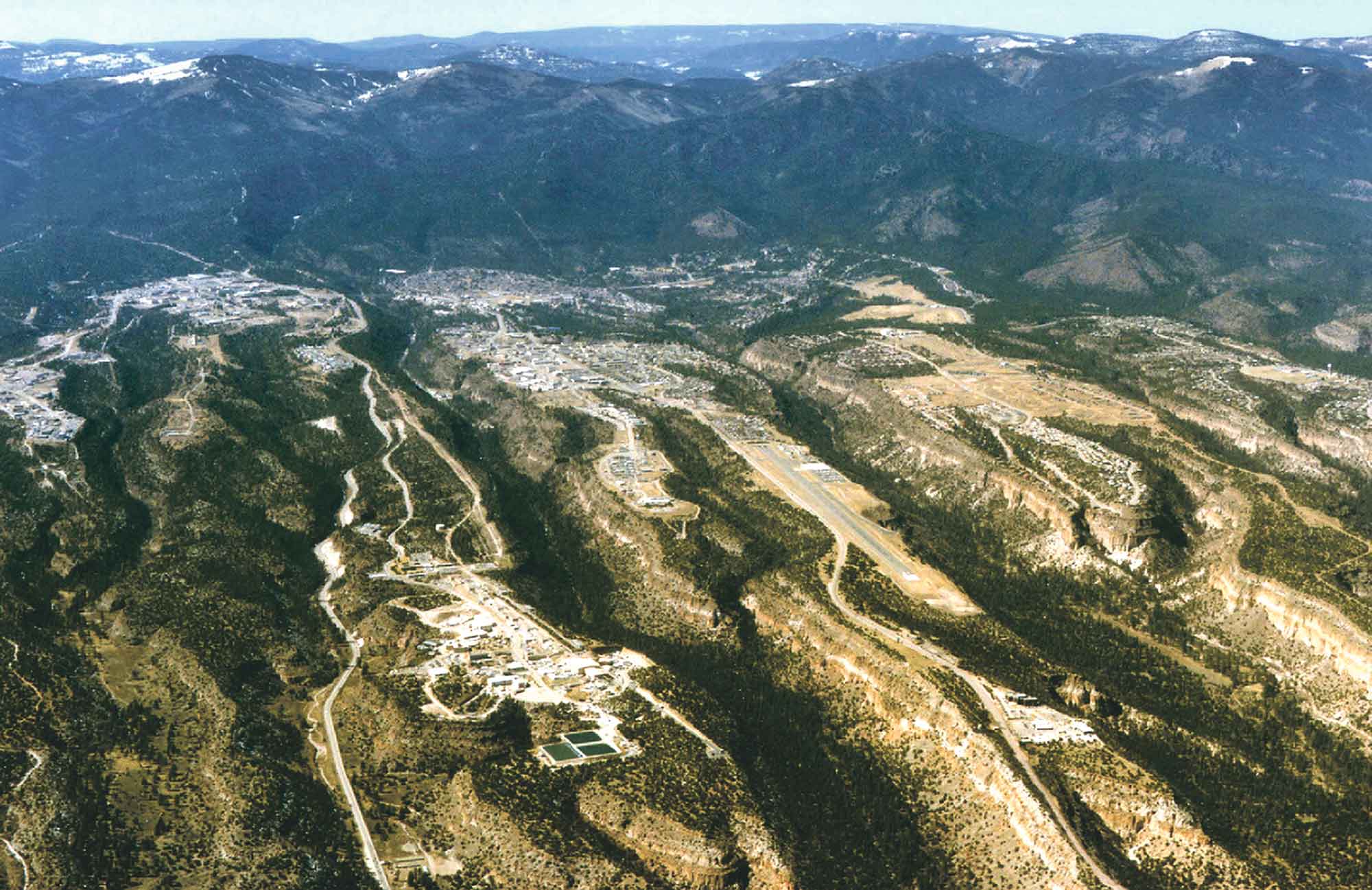
Los Alamos is situated in Sandoval County and Los Alamos County, New Mexico, approximately 35 miles northwest of Santa Fe and 95 miles north of Albuquerque. The town’s elevation of around 7,300 feet above sea level affords it cooler temperatures and crisp, clean air, making it a welcome escape from the desert heat. The Pajarito Plateau, characterized by its mesa topography carved by ancient volcanic activity and river canyons, forms the striking backdrop for Los Alamos.

Navigating to Los Alamos
Reaching Los Alamos typically involves driving. From the south, travelers can take US-550 north from Albuquerque towards Bernalillo, then turn off onto NM-528 towards Rio Rancho and eventually connect to NM-4, which leads directly to Los Alamos. From Santa Fe, the most direct route is via NM-502 west, which merges into NM-4. The drive itself is scenic, winding through varied terrain and offering glimpses of the distinctive New Mexican landscape.
Nearest Airports
The closest major airport to Los Alamos is Albuquerque International Sunport (ABQ), which serves as a hub for many national and international flights. From ABQ, visitors can rent a car or arrange for shuttle services to Los Alamos. For those seeking a closer, though smaller, option, Santa Fe Municipal Airport (SAF) also offers commercial flights and is about an hour’s drive from Los Alamos.
Historical Significance: The Birthplace of the Atomic Age
Los Alamos is inextricably linked to one of the most consequential scientific endeavors of the 20th century: the Manhattan Project. In 1942, the U.S. Army selected the remote, isolated Pajarito Plateau for a top-secret laboratory that would spearhead the development of the world’s first nuclear weapons.
The Manhattan Project and Los Alamos Ranch School
The site was chosen for its secrecy, defensibility, and relative isolation. The U.S. government acquired the land, including the existing Los Alamos Ranch School, and established Los Alamos National Laboratory (LANL). Under the leadership of physicist J. Robert Oppenheimer, a remarkable assembly of scientists, engineers, and technicians converged on this high plateau, working diligently to solve the complex scientific and engineering challenges associated with nuclear fission. This intense period of scientific innovation culminated in the Trinity test in July 1945, the first detonation of a nuclear device.
The Bradbury Science Museum
A must-visit for understanding this historical context is the Bradbury Science Museum, located on the main street of Los Alamos. It serves as the public face of Los Alamos National Laboratory, offering interactive exhibits that explore the lab’s history, its contributions to science and technology, and its ongoing research. Visitors can learn about the Manhattan Project, the development of nuclear physics, and the broader scientific advancements that have emerged from LANL.
Natural Beauty and Outdoor Recreation
Beyond its scientific past, Los Alamos is surrounded by an environment of remarkable natural beauty, offering ample opportunities for outdoor recreation. The unique geological formations, diverse flora, and expansive vistas make it a paradise for hikers, bikers, and nature enthusiasts.
The Pajarito Plateau Trails
The Pajarito Plateau is crisscrossed with an extensive network of hiking and biking trails, catering to all levels of experience. These trails wind through ponderosa pine forests, descend into box canyons, and emerge onto mesa tops with panoramic views of the surrounding Jemez Mountains and the Great Plains.
Key Hiking Destinations
- Bandelier National Monument: A short drive from Los Alamos, Bandelier National Monument preserves the homes and territory of the ancestral Pueblo people. Its Frijoles Canyon offers trails that lead to ancient cliff dwellings, including the iconic Alcove House.
- Valles Caldera National Preserve: Situated in the heart of the Jemez Mountains, the Valles Caldera National Preserve is a vast, collapsed volcanic caldera offering stunning scenery and opportunities for hiking, fishing, and wildlife viewing.
- Guaje Pines Park: This local park provides convenient access to trails on the plateau, with routes that explore the varied topography and offer excellent birdwatching opportunities.
Canyons and Geological Wonders
The region’s geology is a significant attraction. The deep canyons, sculpted by erosion over millennia, reveal layers of volcanic ash and sediment, providing a visual timeline of the area’s geological history. Guided tours can offer insights into the unique geological formations and the forces that shaped them.

Wildlife and Birdwatching
The diverse habitats around Los Alamos support a variety of wildlife, including elk, deer, coyotes, and numerous bird species. The area is a popular spot for birdwatchers, particularly during migration seasons.
Cultural Immersion and Local Life
While its scientific and natural attributes are paramount, Los Alamos also offers a glimpse into the unique culture of northern New Mexico, influenced by its history, its scientific community, and its proximity to ancient Puebloan heritage.
Local Arts and Culture
The community boasts a vibrant arts scene, with local galleries showcasing the work of regional artists. The Mesa Public Library often hosts cultural events and exhibitions. The performing arts are also represented through local theaters and music venues.
Indigenous Heritage
The region is rich in indigenous history, with the ancestral Puebloan sites at Bandelier National Monument being a testament to this legacy. Visitors can learn about the ancestral Puebloan way of life and their connection to the land.
Culinary Experiences
While Los Alamos is not a large metropolitan center, it offers a growing culinary scene that reflects the flavors of New Mexico. Visitors can enjoy traditional New Mexican cuisine, characterized by its use of chile peppers, as well as international flavors. Local cafes and restaurants provide opportunities to sample regional specialties.
Community Events
Throughout the year, Los Alamos hosts various community events, from farmers’ markets to local festivals, offering visitors a chance to experience the town’s unique community spirit and engage with residents.
Lodging and Amenities in Los Alamos
When planning a visit to Los Alamos, understanding the lodging and amenities available is crucial for a comfortable and enjoyable stay. While it is a smaller community, it provides essential services and a range of accommodations catering to different needs.
Accommodation Options
Los Alamos offers a selection of hotels and inns that provide comfortable lodging for visitors, from business travelers to families exploring the area. These establishments are generally located conveniently within the town, offering easy access to the scientific institutions, historical sites, and recreational areas.
Key Hotels
- The Cottonwood Inn is a popular choice, known for its comfortable rooms and friendly service.
- The Lodge at 217 offers a boutique experience, often praised for its unique charm and personalized attention.
- Chain hotels such as Holiday Inn Express and Comfort Inn are also available, providing reliable amenities and familiar comforts.
Extended Stays
For those planning a longer visit, some accommodations may offer extended-stay options or apartment-style suites, providing a home-away-from-home experience.
Essential Services and Amenities
Los Alamos is well-equipped with essential services to support its residents and visitors. The town features grocery stores, pharmacies, banks, and a range of retail shops. For dining, there are numerous restaurants offering diverse cuisines, from casual cafes to more upscale establishments. The presence of Los Alamos National Laboratory also means the community has excellent healthcare facilities, including Los Alamos Medical Center. The town’s infrastructure is designed to support its scientific community, ensuring a high quality of life and excellent public services.
In conclusion, Los Alamos in New Mexico is a destination that offers a profound journey through scientific history, a deep connection with the natural world, and a unique cultural experience. Whether drawn by its legacy as the birthplace of the atomic age or its stunning plateau landscapes, visitors will find Los Alamos to be a place of enduring fascination and discovery.
LifeOutOfTheBox is a participant in the Amazon Services LLC Associates Program, an affiliate advertising program designed to provide a means for sites to earn advertising fees by advertising and linking to Amazon.com. Amazon, the Amazon logo, AmazonSupply, and the AmazonSupply logo are trademarks of Amazon.com, Inc. or its affiliates. As an Amazon Associate we earn affiliate commissions from qualifying purchases.