
Colorado, a state synonymous with majestic mountains and pristine wilderness, often conjures images of sun-drenched ski slopes and vibrant summer festivals. Yet, a fundamental question for many potential visitors, especially those unfamiliar with its distinct geography and seasons, is whether it actually snows in Colorado. The answer, resoundingly, is yes. Snowfall is not just a possibility; it is a defining characteristic of Colorado for a significant portion of the year, shaping its landscapes, influencing its culture, and offering a wealth of unique travel experiences. From the iconic Rocky Mountains to the bustling urban centers, understanding the role of snow is key to appreciating the full spectrum of what Colorado has to offer.
Understanding Colorado’s Winter Climate
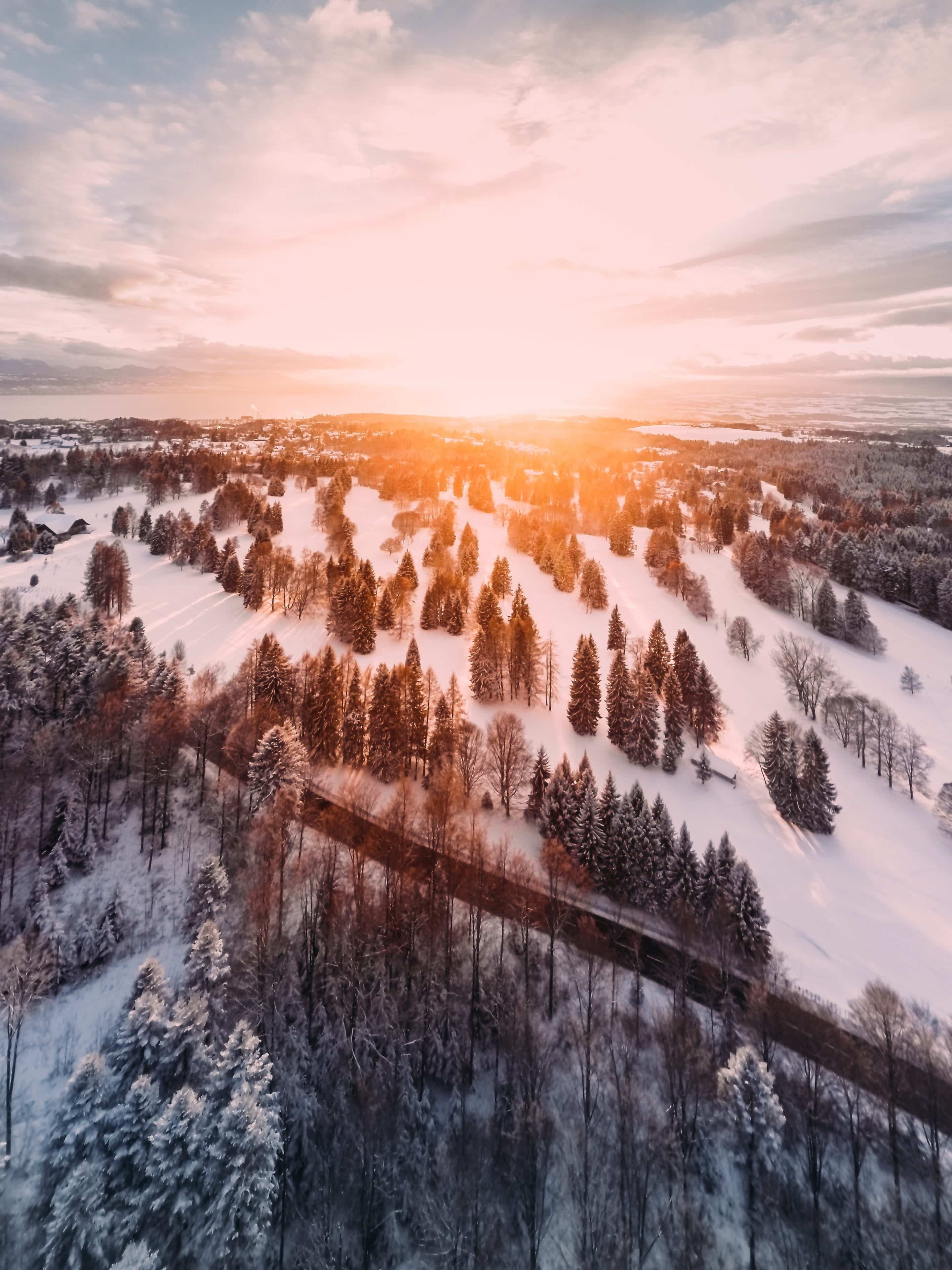
Colorado’s diverse topography, dominated by the Rocky Mountains, plays a crucial role in its snowfall patterns. The elevation gradient means that different regions experience vastly different winter conditions. Higher elevations, particularly in the mountain towns, receive substantial snowfall, transforming them into winter wonderlands. Lower elevations, such as the Front Range urban corridor, can experience snow, but often with less accumulation and shorter durations compared to the peaks.
Altitude and Accumulation: The Mountain Advantage
The vast majority of Colorado’s iconic ski resorts are situated at elevations exceeding 8,000 feet, with many peaks reaching over 13,000 feet. This high altitude is the primary driver of consistent and significant snowfall. Resorts like Aspen Snowmass, Vail, Breckenridge, and Steamboat are renowned for their abundant powder, attracting skiers and snowboarders from around the globe. The average annual snowfall at these resorts can easily surpass 300 inches, with some locations receiving significantly more during exceptional years. This consistent snowpack is meticulously groomed and managed by resort operations, ensuring world-class skiing conditions throughout the season, which typically runs from November through April, and sometimes into May at higher elevations.
Front Range Snowfall: A Different Experience
Cities like Denver, Boulder, and Colorado Springs experience a different kind of winter. While snow is common, especially from October through April, accumulation can be more variable. Denver, for instance, receives an average of about 57 inches of snow annually, but this can fluctuate greatly from year to year. The city is known for its “January Thaw,” a period where warmer temperatures can melt much of the accumulated snow. However, significant snowstorms can still occur, transforming the urban landscape into a picturesque scene and occasionally causing travel disruptions. The proximity of the mountains means that even when the city is experiencing lighter snow, the higher elevations are likely blanketed in deep powder.
Seasonal Variations: When to Expect Snow
The snow season in Colorado generally begins in the fall, with early dustings possible in the mountains by September or October. November marks the true beginning of winter in the high country, with ski resorts typically opening. December, January, and February are generally the snowiest months, offering the most reliable conditions for winter sports. March can still bring significant snowfall, often characterized by spring storms that can dump substantial amounts of powder. By April, while the mountains still hold snow, especially at higher elevations, the lower elevations begin to warm up. Snowfall continues to be possible in the mountains into May and even June at the very highest peaks and on glaciers, but it is less common for significant accumulation in populated areas.
Winter Activities Beyond the Slopes
While skiing and snowboarding are the undisputed kings of Colorado’s winter, the presence of snow opens up a world of other enchanting activities for travelers seeking to immerse themselves in the winter landscape. These experiences offer a different perspective on the state’s natural beauty and provide opportunities for adventure and relaxation alike.
Snowshoeing and Cross-Country Skiing
For those who prefer a more serene way to experience the snow-covered terrain, snowshoeing and cross-country skiing are excellent options. Numerous trails wind through national forests and state parks, offering opportunities for exploration at various skill levels. Destinations like the Grand Mesa National Forest and the areas around Estes Park provide stunning backdrops for these activities. Many ski resorts also groom extensive networks of trails specifically for cross-country skiing, and equipment rentals are readily available in most mountain towns. This allows visitors to glide through silent, snow-laden forests, perhaps catching a glimpse of local wildlife.

Ice Skating and Sledding
Simple pleasures like ice skating and sledding offer fun for families and individuals of all ages. Many towns set up outdoor ice rinks during the winter months, often in charming downtown settings. The Broadmoor Seven Falls near Colorado Springs has previously offered ice skating experiences in a unique natural setting. Sledding hills can be found in many parks and open spaces, providing an exhilarating downhill ride. For a more organized experience, some resorts and local operators offer designated tubing and sledding parks with lift access for maximum fun.
Winter Wildlife Viewing
The snow-covered landscape of Colorado offers a unique opportunity for wildlife viewing. Animals like elk, deer, bighorn sheep, and various bird species are often more visible against the white backdrop. Guided tours, particularly in areas like Rocky Mountain National Park, can significantly enhance the chances of spotting these magnificent creatures. While some areas of the park may have seasonal closures due to snow, ranger-led snowshoe walks often provide access to otherwise inaccessible areas and offer insights into the park’s winter ecology. Patience and a good pair of binoculars are essential for a rewarding wildlife viewing experience.
Experiencing Colorado’s Snowy Charm: Travel Tips
For travelers planning a visit to Colorado during its snowy months, careful planning can enhance the experience and ensure a comfortable and memorable trip. Understanding the seasonal nuances and preparing accordingly is key to embracing the winter magic.
Packing for the Cold
The most crucial aspect of preparing for a snowy Colorado trip is appropriate clothing. Layering is essential. Start with a moisture-wicking base layer, add an insulating middle layer (like fleece or down), and top it off with a waterproof and windproof outer shell. Don’t forget warm, waterproof gloves or mittens, a thick hat that covers your ears, and warm socks. Waterproof, insulated boots are a must for walking in snow. Sunglasses and sunscreen are also important, as the sun’s rays can be intense at higher altitudes, and snow reflects light.
Transportation and Road Conditions
Driving in Colorado during winter requires vigilance. Mountain roads can become hazardous quickly due to snow and ice. It is advisable to check road conditions before setting out, especially when traveling between mountain towns. The Colorado Department of Transportation (CDOT) provides real-time updates on road closures and conditions. Many travelers opt for all-wheel-drive or four-wheel-drive vehicles, and carrying tire chains might be necessary in some mountainous areas, particularly during severe weather. Alternatively, utilizing shuttle services between major airports like Denver International Airport and popular resort towns can alleviate driving concerns.
Accommodations and Booking
When planning a winter trip to Colorado, booking accommodations in advance is highly recommended, especially during peak ski season (December through March). Popular resort towns like Aspen, Breckenridge, and Beaver Creek can book up months in advance. Options range from luxurious ski-in/ski-out resorts and cozy boutique hotels to private vacation rentals and family-friendly condominiums. Consider the location relative to your planned activities; staying closer to ski lifts or town centers can significantly enhance convenience.
Embracing the Snowfall
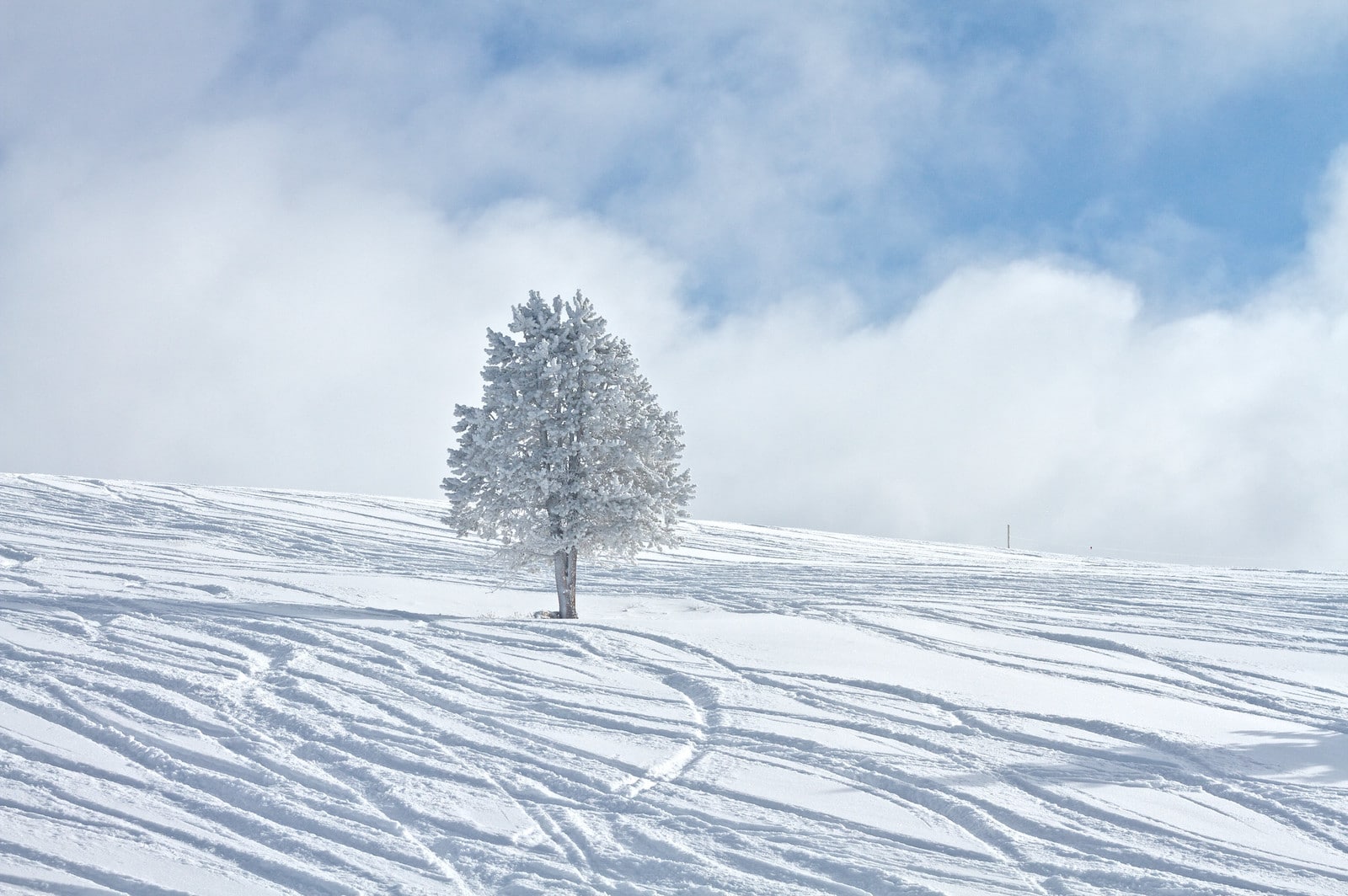
Ultimately, the presence of snow in Colorado is not a deterrent but an invitation. It’s an invitation to experience a landscape transformed, to engage in exhilarating activities, and to witness the raw beauty of nature at its most serene. Whether you are a seasoned winter sports enthusiast or a first-time visitor seeking to marvel at snow-capped peaks, Colorado offers an unforgettable winter adventure. The answer to “Does it snow in Colorado?” is a resounding yes, and embracing this snowy reality is the key to unlocking the full splendor of this remarkable state.
LifeOutOfTheBox is a participant in the Amazon Services LLC Associates Program, an affiliate advertising program designed to provide a means for sites to earn advertising fees by advertising and linking to Amazon.com. Amazon, the Amazon logo, AmazonSupply, and the AmazonSupply logo are trademarks of Amazon.com, Inc. or its affiliates. As an Amazon Associate we earn affiliate commissions from qualifying purchases.