
Planning a road trip or a leisurely drive between two vibrant Southern destinations? Understanding the distance between New Orleans and Pensacola is a crucial first step in mapping out your journey. These cities, rich in history, culture, and natural beauty, offer distinct but equally compelling experiences. Whether you’re drawn by the jazz-filled streets of the Crescent City or the pristine white sands of the Florida Panhandle, knowing the mileage and travel time will help you optimize your itinerary.
This guide will delve into the specifics of the distance, explore the various routes available, and offer insights into what you might encounter along the way, making your travel planning as smooth as possible.
Understanding the Distance and Driving Routes
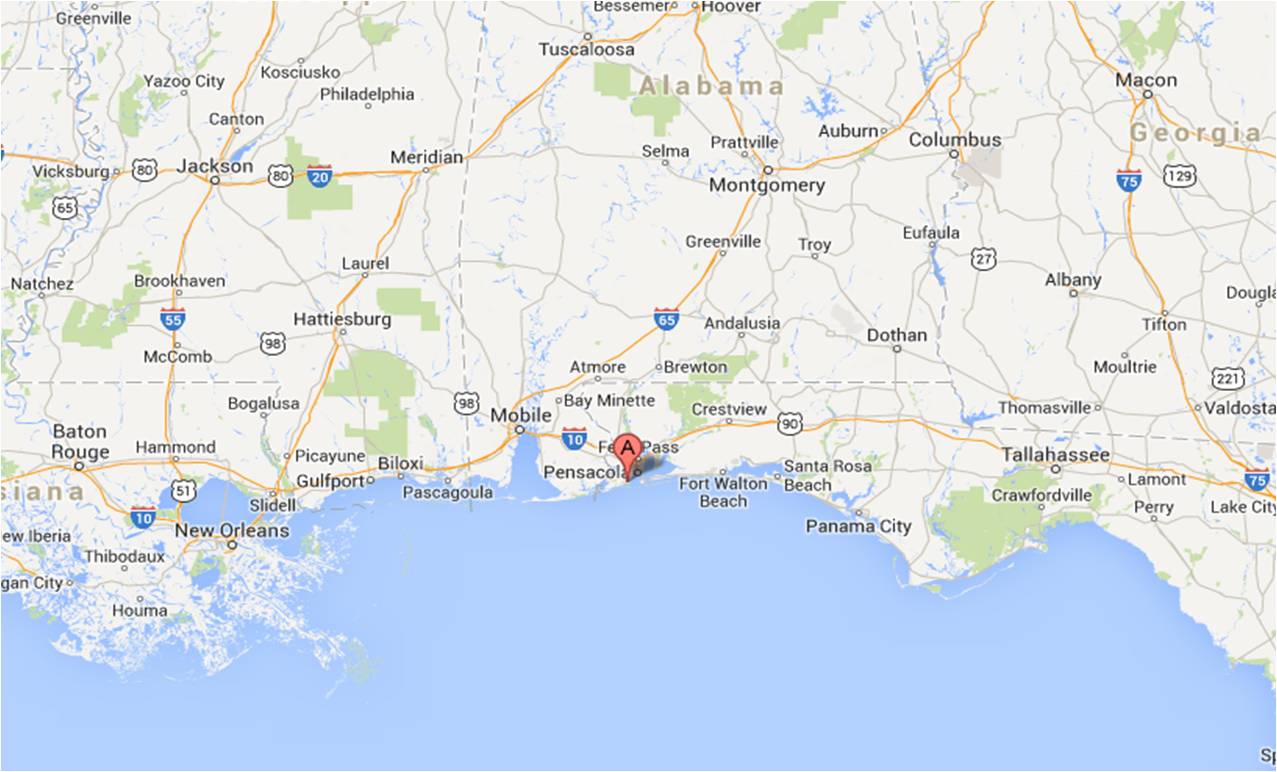
The distance between New Orleans, Louisiana, and Pensacola, Florida, is approximately 200 miles (about 320 kilometers) when traveling by road. This distance can vary slightly depending on the exact starting and ending points within each city and the specific route taken. The most common and direct route utilizes major interstate highways, making the journey relatively straightforward for most travelers.
The Primary Driving Route: Interstate 10
The most popular and generally fastest route connecting New Orleans and Pensacola is via Interstate 10 (I-10) East. This well-maintained interstate highway traverses a significant portion of the Gulf Coast, offering a direct path between the two cities.
- Starting in New Orleans: Travelers typically begin their journey by merging onto I-10 East from within the New Orleans metropolitan area. The interstate will guide you eastward through Louisiana and into Mississippi.
- Crossing Mississippi: As you continue on I-10 East, you will pass through the southern part of Mississippi. Key cities along this stretch include Slidell, Louisiana (just across the Lake Pontchartrain Causeway, though not directly on I-10 for this route), and further east, Biloxi and Gulfport in Mississippi. These coastal towns offer potential scenic detours or convenient rest stops.
- Entering Alabama: After crossing the state line into Alabama, I-10 East continues its path. You will traverse the Mobile Bay area, passing through or near Mobile, Alabama. This is a significant urban center and a common point for a brief stop or to admire the engineering marvel of the George Wallace Tunnel or the Arthur R. Ortell Bridge, which are part of the I-10 corridor over the bay.
- Approaching Pensacola: The final stretch of the journey involves continuing on I-10 East into Florida. You will then take an exit towards Pensacola, often via Interstate 110 (I-110) South, which leads directly into the heart of the city and towards its famous beaches.
Estimated Driving Time:
Under normal traffic conditions and without significant stops, the drive between New Orleans and Pensacola via I-10 typically takes between 3 to 3.5 hours. However, this can be influenced by factors such as:
- Traffic Congestion: Both New Orleans and Mobile can experience considerable traffic, especially during peak commute hours, holidays, or special events.
- Construction: Road construction projects can cause delays along any major interstate. It’s advisable to check real-time traffic updates before departing.
- Weather Conditions: Severe weather, common in the Gulf Coast region, can significantly impact driving times and safety.
Alternative Routes and Scenic Considerations
While I-10 is the most direct, travelers seeking a more scenic or varied experience might consider slight deviations or alternative routes, though these will invariably add to the travel time.
- Coastal Routes (Partial): Parts of the journey can incorporate segments of the Old U.S. Highway 90, which runs parallel to I-10 for much of its length in Mississippi and Alabama. This offers a glimpse into smaller coastal communities and can be a more relaxed drive, though it involves lower speed limits and more frequent town passages. However, significant portions of old US-90 are not contiguous and may require navigating local roads.
- Historic Significance: Traveling along these older highways can offer a nostalgic journey, passing through towns that played roles in regional history. However, these routes are not always the most efficient for covering distance.
For most travelers, sticking to the efficiency of Interstate 10 remains the primary recommendation for reaching Pensacola from New Orleans.
Planning Your Journey: Stops and Experiences
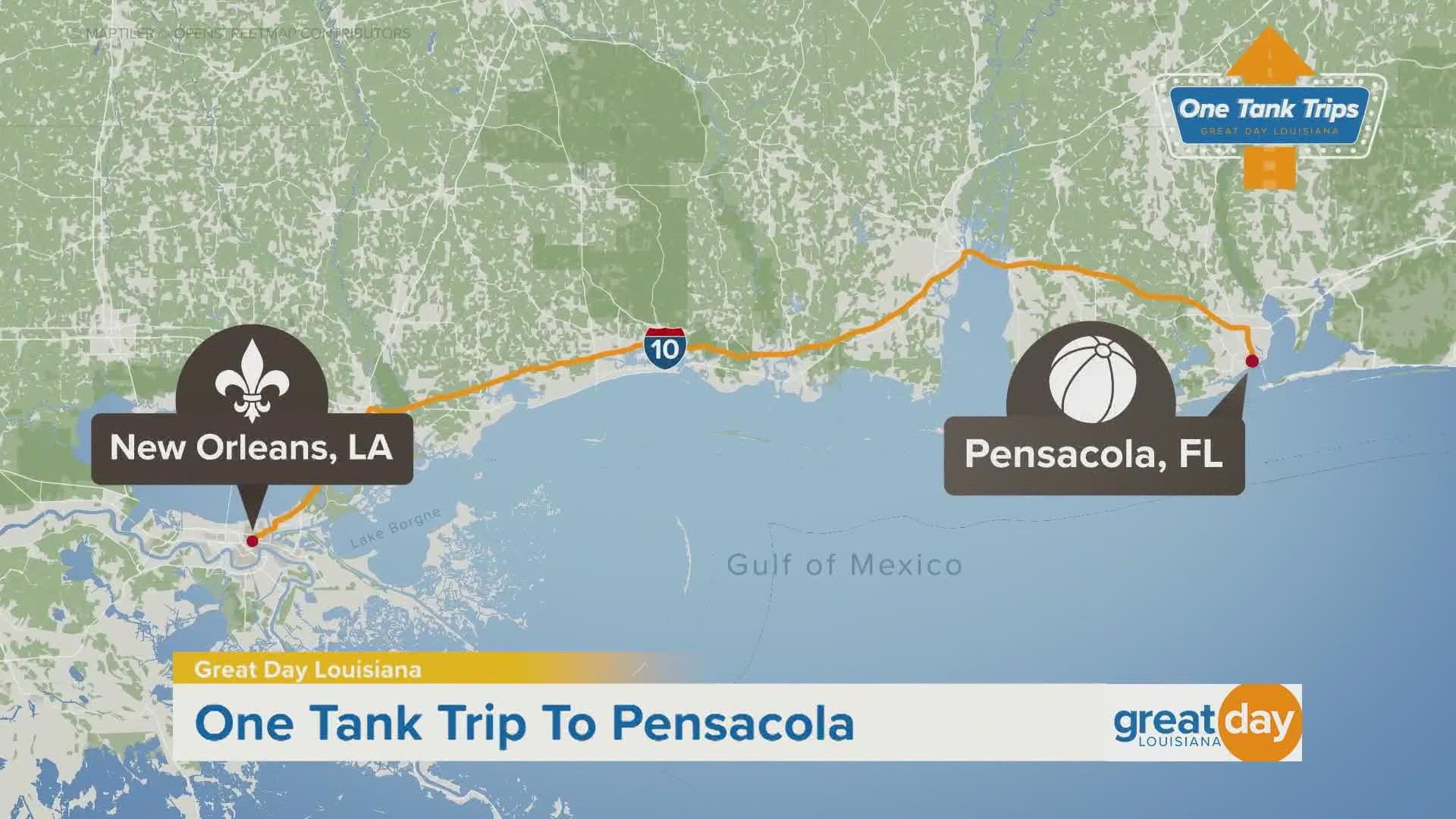
The approximately 200-mile journey between New Orleans and Pensacola is easily manageable in a single day. However, this route passes through or near several notable areas that merit consideration for stops, whether for a quick break, a meal, or a brief exploration.
Key Stops Along I-10
- Mississippi Gulf Coast: The stretch of I-10 through southern Mississippi offers opportunities to experience the charm of its coastal towns.
- Biloxi & Gulfport: These sister cities are known for their casinos, fresh seafood, and the Beau Rivage Resort & Casino and Island View Casino Resort. For a break from the interstate, you could explore the Maritime & Seafood Industry Museum or enjoy a meal overlooking the Gulf of Mexico. The drive through these areas, particularly if you take brief detours off I-10, can add a refreshing coastal element to your trip.
- Mobile, Alabama: As the largest city directly on the route, Mobile presents numerous options for stops.
- Historic Downtown: A short detour can take you to downtown Mobile, where you can visit the USS Alabama Battleship Memorial Park or explore the historic architecture.
- Culinary Delights: Mobile boasts a rich culinary scene, offering everything from casual seafood shacks to more upscale dining. It’s an ideal place for lunch.
- Bellingrath Gardens and Home: Located a bit south of I-10, this stunning public garden is a more substantial detour but offers a peaceful and beautiful respite.
Considerations for Your Drive
- Fuel and Refreshments: Ample gas stations and fast-food restaurants are available at exits along Interstate 10. However, for a more authentic local experience, consider venturing slightly off the interstate into towns like those mentioned above.
- Rest Areas: Official rest areas are strategically placed along I-10, providing clean facilities for brief stops.
- Travel Time Flexibility: While the core drive is around 3-3.5 hours, factor in additional time for any planned stops. If you intend to explore Biloxi or Mobile more thoroughly, consider an early start from New Orleans to allow ample time before reaching Pensacola by evening.
Bridging the Gap: Travel Between Two Distinct Cultures
The journey from New Orleans to Pensacola is more than just covering a physical distance; it’s a transition between two distinct yet complementary Southern cultural landscapes.
New Orleans: A Tapestry of Culture and Cuisine
New Orleans is legendary for its unique blend of French, Spanish, African, and Caribbean influences. Its vibrant music scene, particularly jazz, is world-renowned, emanating from venues across the city, most famously in the French Quarter.
- Culinary Scene: The city is a gastronomic paradise, famous for dishes like gumbo, jambalaya, beignets, and fresh seafood. Exploring the culinary offerings is an essential part of the New Orleans experience, from iconic institutions like Commander’s Palace to casual cafes.
- Historical Depth: Beyond the lively nightlife, New Orleans is steeped in history. Landmarks such as the St. Louis Cathedral, Jackson Square, and the historic cemeteries offer profound insights into the city’s past.
- Atmosphere: The city possesses an inimitable energy, a spirit of laissez-faire celebration that permeates its streets, festivals, and daily life.
Pensacola: Sun, Sand, and Southern Charm
As you travel east towards Pensacola, the landscape gradually shifts, and the atmosphere transitions towards the relaxed vibe of the Florida Panhandle.
- Pristine Beaches: Pensacola Beach and the nearby Gulf Islands National Seashore are the main draw. Miles of sugar-white sand and clear, turquoise waters offer a classic beach vacation experience. Activities abound, from swimming and sunbathing to water sports and fishing.
- Naval History: Pensacola has a significant military heritage, most notably as the home of Naval Air Station Pensacola, often called the “Cradle of Naval Aviation.” Visitors can explore the National Naval Aviation Museum, home to an impressive collection of aircraft.
- Historic Downtown: Downtown Pensacola offers a charming historic district with Victorian architecture, boutiques, art galleries, and a burgeoning culinary scene that often emphasizes fresh, local seafood. The Pensacola Historic Village provides a glimpse into the area’s past.
The Transition
The drive itself bridges these two distinct worlds. You leave behind the humid, vibrant, and historic streets of New Orleans, crossing the expansive Lake Pontchartrain, and entering the more open landscapes of Mississippi and Alabama. The presence of the Gulf Coast remains a constant, but the cultural markers evolve. The eventual arrival in Pensacola brings the promise of sun-drenched relaxation and a different kind of Southern hospitality, one rooted in coastal living and military pride. This journey is a perfect example of the diverse experiences available within a relatively short driving distance along the American South.
LifeOutOfTheBox is a participant in the Amazon Services LLC Associates Program, an affiliate advertising program designed to provide a means for sites to earn advertising fees by advertising and linking to Amazon.com. Amazon, the Amazon logo, AmazonSupply, and the AmazonSupply logo are trademarks of Amazon.com, Inc. or its affiliates. As an Amazon Associate we earn affiliate commissions from qualifying purchases.