
The heartbeat of global finance, the New York Stock Exchange, is an iconic landmark and a critical engine of the world economy. Millions of investors, from individual traders to institutional giants, rely on its daily operations to buy and sell shares, driving innovation and shaping financial futures. Understanding its operating schedule is not just a matter of financial interest; for many, it’s crucial for planning their investment strategies and staying abreast of market movements. The question, “Is the New York Stock Exchange closed today?” is a recurring one, particularly for those who operate across different time zones or who are new to the intricacies of financial markets. This article aims to demystify the operational calendar of this vital institution, providing clarity on when the trading floor opens its doors and when it observes its well-deserved breaks.
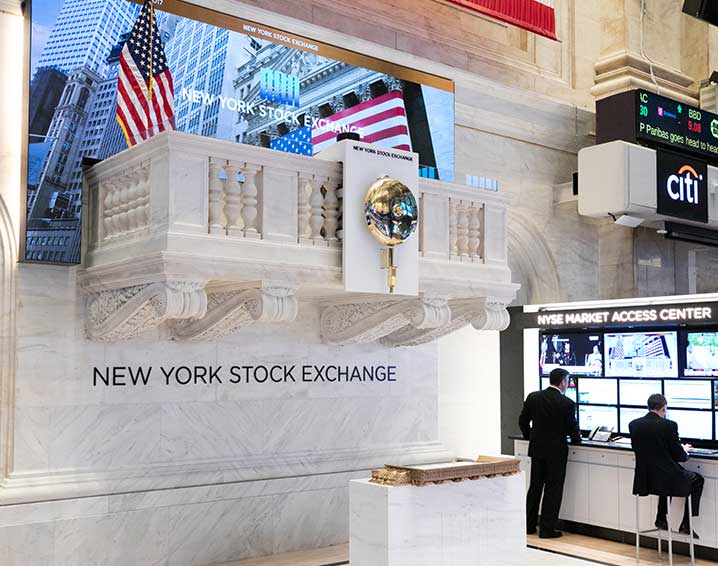
Understanding Stock Market Holidays
The New York Stock Exchange, like most financial markets globally, observes a set of official holidays and operating schedules that dictate its closures. These closures are typically aligned with federal holidays observed in the United States. However, it’s important to note that the stock market doesn’t always close on every federal holiday. Some holidays, like Presidents’ Day, are observed by the market, while others, such as Columbus Day and Veterans Day, typically see the market remain open.
The NYSE’s official calendar is meticulously maintained and publicly available, ensuring transparency for all participants. These planned closures are announced well in advance, allowing investors and financial professionals ample time to adjust their trading activities. This proactive approach helps to prevent unexpected disruptions and ensures the smooth functioning of the market.
Federal Holidays and Market Operations
Several key federal holidays are recognized by the New York Stock Exchange as days of closure. Understanding these is fundamental to knowing when the market will be inaccessible.
-
New Year’s Day (January 1st): This marks the start of the year and is a universally recognized holiday. The New York Stock Exchange is consistently closed on New Year’s Day. If New Year’s Day falls on a weekend, the observed holiday is typically the preceding Friday or the following Monday, ensuring a three-day weekend for market participants.
-
Birthday of Martin Luther King, Jr. (Third Monday in January): Celebrated to honor the civil rights leader, this holiday also sees the New York Stock Exchange closed. It’s one of the earlier federal holidays where the market observes a pause.
-
Presidents’ Day (Third Monday in February): This holiday, honoring all past U.S. presidents, is another occasion where the market closes its doors.
-
Good Friday (Friday before Easter Sunday): While Easter itself is a religious holiday and doesn’t have a fixed date, Good Friday is consistently observed by the New York Stock Exchange with a closure.
-
Memorial Day (Last Monday in May): This solemn holiday, commemorating fallen U.S. service members, is a guaranteed day of closure for the stock market.
-
Juneteenth National Independence Day (June 19th): A relatively new federal holiday, Juneteenth commemorates the end of slavery in the United States. The New York Stock Exchange observes a closure on this day.
-
Independence Day (July 4th): The celebration of American independence is a major federal holiday, and the New York Stock Exchange is closed. If July 4th falls on a weekend, the observed holiday is usually the nearest weekday.
-
Labor Day (First Monday in September): This holiday celebrates the American labor movement and is the only federal holiday observed in September. The New York Stock Exchange is always closed on Labor Day.
-
Thanksgiving Day (Fourth Thursday in November): A time for gratitude, Thanksgiving Day is a significant holiday. The New York Stock Exchange is closed on this day. Furthermore, it is customary for the market to close early on the day before Thanksgiving Day, creating a longer holiday weekend for traders.
-
Christmas Day (December 25th): The New York Stock Exchange is closed on Christmas Day, marking the end of the year’s official holidays.
Early Closures and Other Considerations
Beyond the full-day holidays, the New York Stock Exchange also observes a limited number of early closure days. These are typically scheduled on the day before certain major holidays, most notably the day before Independence Day and the day before Christmas Day, and most significantly, the day before Thanksgiving Day. On these days, trading concludes at 1:00 PM Eastern Time, allowing market participants to begin their holiday observances earlier.
It is crucial to remember that the stock market operates in the Eastern Time Zone (ET). Therefore, when checking operating hours or holiday schedules, always consider the local time in New York City.
Navigating Market Hours and Unexpected Closures
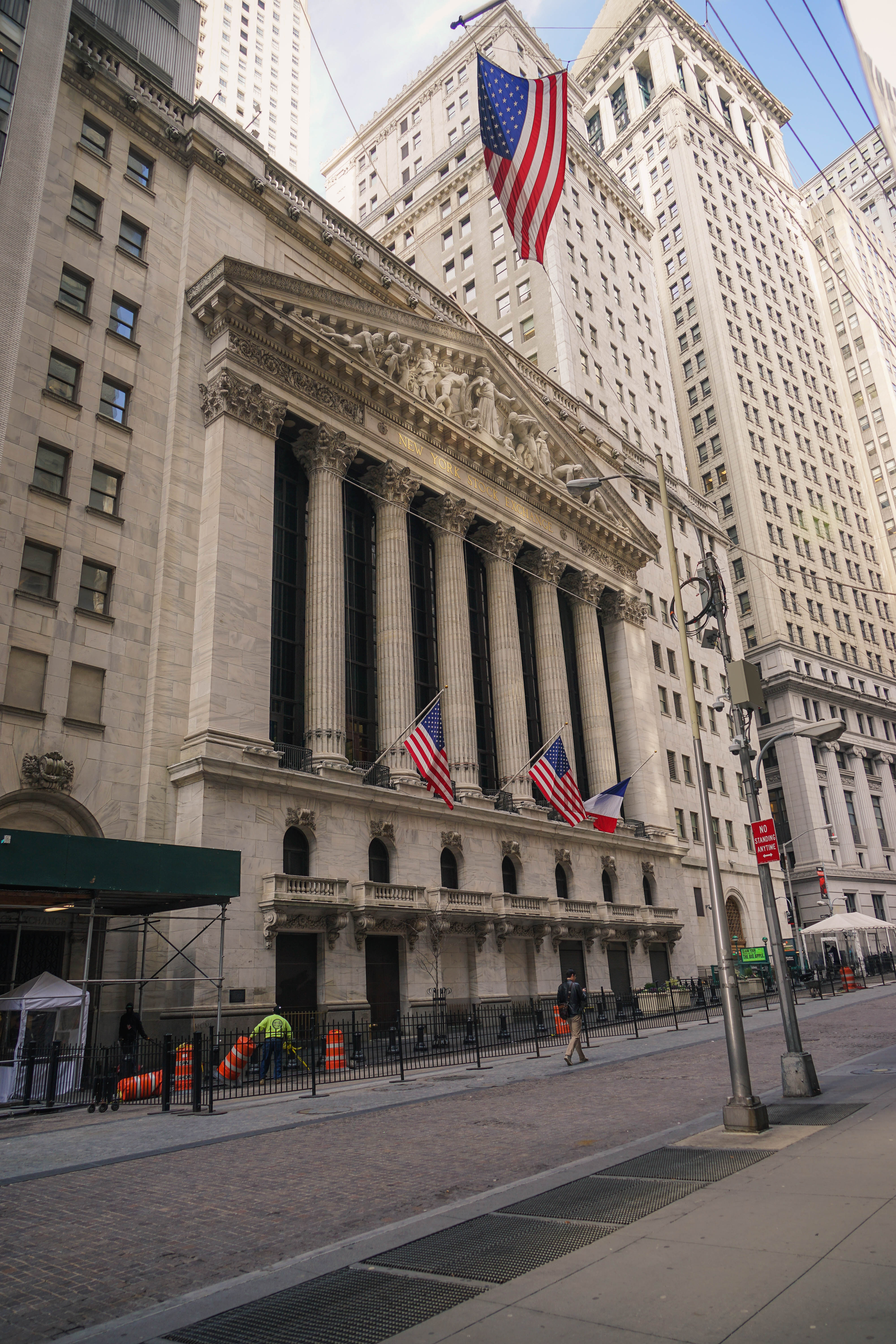
Understanding the official holiday schedule is paramount, but what about the day-to-day operations? The New York Stock Exchange operates Monday through Friday, with regular trading hours typically from 9:30 AM to 4:00 PM Eastern Time. Pre-market trading sessions begin earlier, and after-hours trading continues later, but the core trading window is within these hours.
Regular Trading Hours
The standard operating hours are designed to provide a substantial window for trading, accommodating a wide range of market participants.
-
Opening Bell: The trading day officially begins at 9:30 AM ET, signaling the start of active trading.
-
Closing Bell: The market officially closes at 4:00 PM ET, bringing an end to the regular trading session.
These hours are consistent throughout the year, except for the aforementioned holidays and early closure days.
Unexpected Closures: Weather and Other Events
While official holidays are predictable, unforeseen circumstances can sometimes lead to unexpected closures or disruptions. The New York Stock Exchange has contingency plans in place to address various scenarios.
-
Severe Weather: In instances of extreme weather events, such as hurricanes or blizzards that impact New York City and its surrounding infrastructure, the exchange may decide to close or operate with reduced hours to ensure the safety of its employees and the integrity of its systems. Such decisions are made on a case-by-case basis, with significant emphasis placed on public safety and market stability.
-
System Failures: Although rare, technical glitches or system failures at the exchange can also lead to trading halts or closures. The NYSE invests heavily in robust technological infrastructure to minimize the risk of such events, but protocols are in place to manage any disruptions should they occur.
-
Other Emergencies: Major civic emergencies or national security events could also trigger a closure. The exchange works closely with regulatory bodies and government agencies to assess risks and make informed decisions regarding its operations.
In the event of an unexpected closure, the NYSE will issue official statements through its press channels and website, ensuring that market participants are promptly informed. It’s always advisable to check the official New York Stock Exchange website or reputable financial news sources for the most up-to-date information regarding trading status.
Checking the NYSE Holiday Schedule
Staying informed about when the New York Stock Exchange is open or closed is a straightforward process. The most reliable source of information is the New York Stock Exchange itself.
Official NYSE Resources
-
NYSE Website: The official website of the New York Stock Exchange (nyse.com) features a dedicated section for market holidays and trading hours. This is the definitive source for the most current and accurate schedule. Look for sections titled “Market Holidays,” “Trading Calendar,” or “Operating Hours.”
-
Press Releases and Announcements: Any deviations from the standard schedule, including unexpected closures, will be communicated through official press releases and announcements on the NYSE website.
Financial News Outlets
Reputable financial news organizations, such as The Wall Street Journal, Bloomberg, and Reuters, consistently report on stock market holidays and any changes to the trading schedule. These outlets often provide detailed calendars and timely alerts, making them valuable resources for investors and traders.

Financial Planning Tools
Many online brokerage platforms and financial planning tools also integrate the NYSE’s holiday schedule into their interfaces. These can offer convenient reminders and help users plan their trading activities effectively.
Ultimately, the question of whether the New York Stock Exchange is closed today is best answered by consulting an official and up-to-date source. While general knowledge of federal holidays provides a good starting point, the precise schedule, including early closures and any potential deviations, is always best confirmed through the New York Stock Exchange’s official channels or reliable financial news providers. This diligence ensures that your investment strategies remain aligned with the operational reality of the market.
LifeOutOfTheBox is a participant in the Amazon Services LLC Associates Program, an affiliate advertising program designed to provide a means for sites to earn advertising fees by advertising and linking to Amazon.com. Amazon, the Amazon logo, AmazonSupply, and the AmazonSupply logo are trademarks of Amazon.com, Inc. or its affiliates. As an Amazon Associate we earn affiliate commissions from qualifying purchases.