
For anyone planning a trip to the Grand Canyon State, considering a move to its sunny climate, or simply curious about the financial landscape of one of the United States’ most popular destinations, the question of whether Arizona has a state income tax is a fundamental one. The answer is yes, Arizona does levy a state income tax. However, understanding the specifics of this tax, its implications for different individuals, and how it fits into the broader picture of the state’s economic appeal is crucial for travelers, potential residents, and those seeking to explore its unique lifestyle offerings.
For tourists, the existence of an income tax might seem less directly relevant than sales or lodging taxes, but for those considering longer stays, seasonal residency, or even a full relocation, the state income tax becomes a significant factor. Arizona, known for its breathtaking natural beauty, vibrant cities like Phoenix and Tucson, and a lifestyle that attracts retirees and outdoor enthusiasts alike, presents a complex financial environment. This article will delve into the details of Arizona’s income tax, exploring its structure, who it affects, and how it intertwines with the state’s allure as a premier travel and living destination.
Understanding Arizona’s Income Tax Landscape
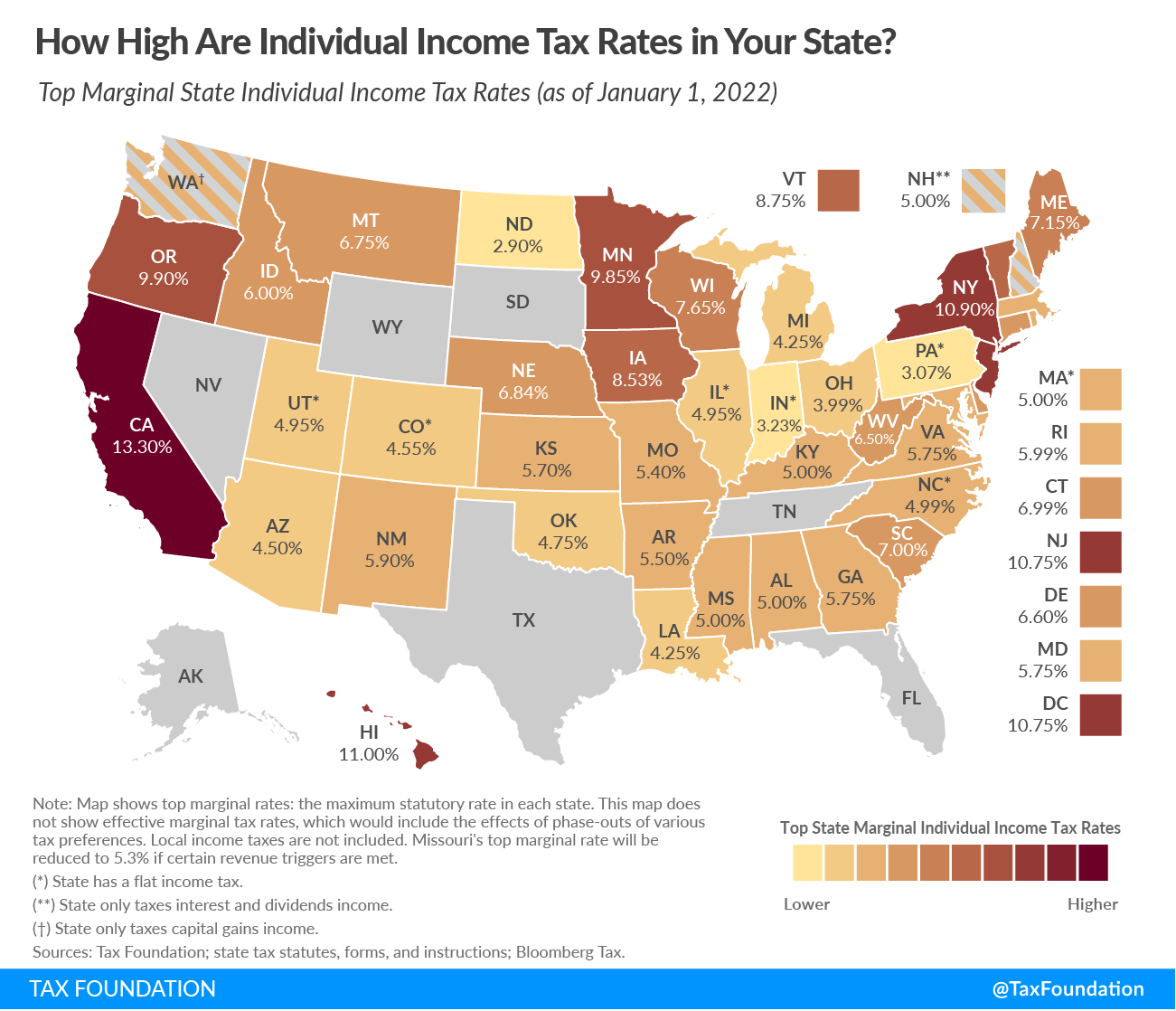
Arizona’s approach to taxation has evolved over the years, often reflecting a desire to remain competitive with neighboring states and attract both businesses and residents. The state has historically maintained a progressive income tax system, meaning higher earners pay a higher percentage of their income in taxes. However, recent legislative changes have aimed to simplify and reduce the burden, particularly in comparison to other states across the United States.
The Current Income Tax Structure
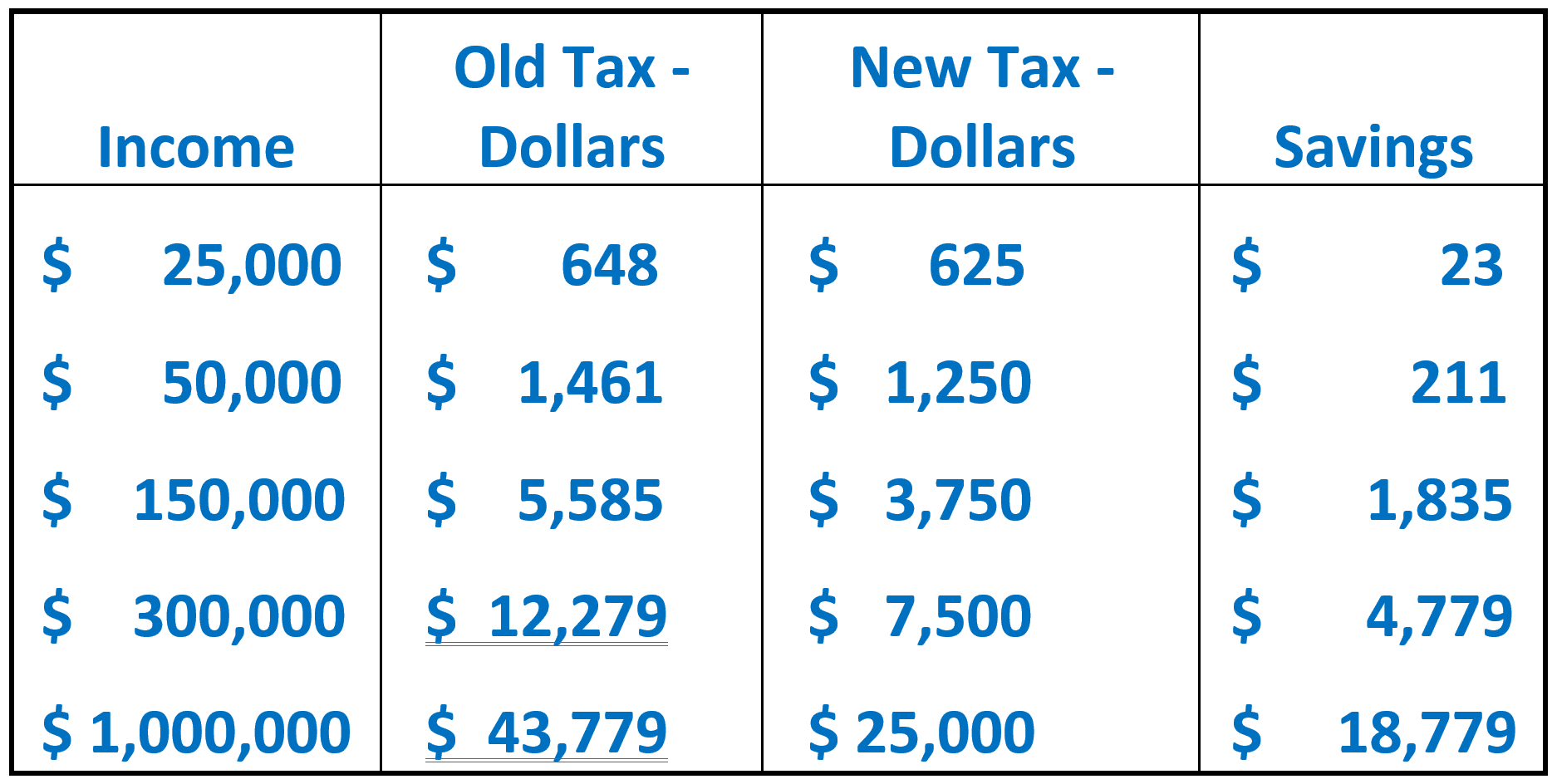
As of recent changes, Arizona has transitioned towards a more streamlined income tax system. Previously, the state featured multiple tax brackets with varying rates. The trend has been towards a flatter tax, ultimately aiming for a single, lower rate for all income levels. This move is designed to make the state more attractive to individuals and businesses by simplifying the tax code and reducing the overall tax burden.
For the most up-to-date and specific tax rates, it’s always advisable to consult the official Arizona Department of Revenue or a qualified tax professional. However, the general direction has been a reduction in rates, making Arizona an increasingly appealing option from a tax perspective for many. This shift reflects a broader strategy by state policymakers to enhance Arizona’s economic competitiveness and draw in new populations, including those seeking a luxurious retirement or families looking for a more affordable lifestyle.
Who Pays Income Tax in Arizona?
The obligation to pay Arizona state income tax primarily falls into two categories: residents and non-residents with Arizona-sourced income.
Residents: If you consider Arizona your permanent home and domicile, you are subject to Arizona income tax on all your income, regardless of where it was earned. This applies to full-time residents, including those who have relocated for work, retirement, or to enjoy the state’s unique lifestyle. For many, the warm climate and vibrant communities of Scottsdale, Mesa, or Chandler make Arizona an ideal place to call home, despite the income tax.
Non-Residents: Even if Arizona is not your permanent residence, you may still owe Arizona income tax if you earn income from sources within the state. This commonly applies to:
- Seasonal Workers: Individuals who come to Arizona for a portion of the year to work in seasonal industries, such as tourism, hospitality, or agriculture, would typically owe Arizona income tax on the income earned within the state.
- “Snowbirds”: Many retirees from colder climates spend several months of the year in Arizona, enjoying the sunshine and amenities of places like Sun City or Yuma. While their primary residence might be elsewhere, if they earn any income from Arizona sources (e.g., rental income from an Arizona property or income from temporary work), that portion could be subject to Arizona income tax.
- Business Income: If you own a business that operates in Arizona or derive rental income from Arizona properties, that income is generally subject to state tax.
- Capital Gains: Gains from the sale of Arizona real estate or other tangible property located in the state can also be taxable.
Understanding these distinctions is vital for anyone engaging with the Arizona economy, whether they are enjoying a short stay at a luxury resort like the Fairmont Scottsdale Princess or considering a long-term investment in the burgeoning real estate market of Peoria or Gilbert.
The Financial Footprint for Travelers and Tourists
While the state income tax is a primary concern for residents and those with Arizona-sourced income, travelers and tourists primarily encounter other forms of taxation that affect their budget and overall experience. Understanding these additional taxes, coupled with the broader tax landscape, helps paint a complete picture of the financial considerations when visiting or staying in Arizona.
Beyond Income Tax: Sales and Lodging Taxes
For the average tourist exploring the red rocks of Sedona or the historic streets of Flagstaff, sales tax and lodging taxes are far more immediate considerations than income tax.
Sales Tax (Transaction Privilege Tax): Arizona imposes a statewide sales tax, officially known as the Transaction Privilege Tax (TPT). This tax is levied on businesses for the privilege of doing business in the state, but it is typically passed on to the consumer as part of the purchase price. The statewide rate is currently 5.6%. However, counties and cities can add their own sales taxes on top of this. For example, a purchase in Phoenix will incur the state tax plus the city’s sales tax, resulting in a higher combined rate. This means that a souvenir from Old Town Scottsdale, a meal in Tucson, or an outdoor gear purchase in Flagstaff will all have sales tax added.
Lodging Tax (Hotel Tax): When booking accommodation in Arizona – whether it’s a cozy inn in Prescott, a luxurious suite at The Phoenician, or a budget-friendly apartment in Tempe – travelers will encounter lodging taxes. These taxes are typically a combination of state, county, and city-specific rates. The rates can vary significantly depending on the location. For instance, a hotel stay in Phoenix or Scottsdale, popular for their vibrant resort scene and business travel, might have a higher combined lodging tax rate compared to a less tourism-intensive area. These taxes contribute to local tourism promotion and infrastructure, directly benefiting the traveler’s experience by funding attractions, marketing, and visitor services.

Understanding these additional taxes helps travelers budget effectively and provides context for the overall cost of a trip to Arizona. While not an income tax, they are a direct financial impact on the tourism experience.
Arizona’s Tax Appeal Compared to Other Destinations
When considering Arizona for travel, extended stays, or relocation, its tax structure is often compared to other popular destinations, particularly those in the sun belt. Several states, such as Florida, Texas, Nevada, and Washington, do not levy a state income tax. This often makes them appear more attractive at first glance.
However, a closer look reveals that states without an income tax often compensate with higher property taxes, sales taxes, or other fees. Arizona’s recent moves to lower its income tax rates aim to strike a balance, offering a competitive tax environment without relying solely on property or sales taxes to fund state services.
For retirees, the tax treatment of retirement income (like Social Security benefits or pension income) is also a significant factor. Arizona offers certain exemptions or favorable tax treatments for various forms of retirement income, which adds to its appeal for snowbirds and permanent retirees alike. The lifestyle in Arizona – from world-class golf courses at the JW Marriott Desert Ridge Resort & Spa to cultural events in Tucson – often outweighs minor tax differences for those seeking its unique climate and amenities. Ultimately, the “best” tax environment depends on an individual’s specific financial situation, income sources, and spending habits.
Lifestyle and Relocation: Tax Considerations for Living in Arizona
Beyond short visits, the tax landscape in Arizona becomes a much more central consideration for those envisioning a permanent move or an extended stay. The state’s appeal for a diverse range of lifestyles – from luxury living to budget-conscious family trips – is significantly influenced by its overall cost of living, where taxes play a considerable role.
Retirees, Families, and Digital Nomads
Arizona’s sunny disposition, low humidity, and abundance of outdoor activities have long made it a magnet for retirees. From the sprawling communities designed for active seniors in the Phoenix metropolitan area to the tranquil, scenic retreats near Sedona, the state offers a high quality of life. The state’s tax policy generally favors retirees, especially with its treatment of retirement income. While Arizona does tax most pension income, it provides exemptions for Social Security benefits and certain military retirement pay, which is a considerable advantage compared to some other states. Property taxes, while not the lowest in the nation, are often considered reasonable, especially outside of the most exclusive resort communities.
For families, the balance of income tax, sales tax, and property tax forms a larger part of the monthly budget. The affordability of housing in many parts of Arizona, especially compared to coastal states, can make the overall tax burden more manageable. Educational opportunities and a growing job market in cities like Phoenix, Tucson, and Mesa further enhance its attractiveness for those raising families. The availability of family-friendly attractions and experiences, from the Children’s Museum of Phoenix to adventures in Saguaro National Park, adds to the state’s draw.
Digital nomads, who have the flexibility to work from anywhere, are increasingly drawn to destinations that offer a desirable lifestyle combined with a favorable tax environment. Arizona’s lower income tax rates, coupled with its vibrant communities, excellent connectivity, and abundant recreational opportunities, make it an appealing base. Whether setting up shop in a trendy co-working space in Tempe or a quiet cabin near Payson, digital nomads find Arizona offers a compelling package. The state also provides numerous accommodation options, from short-term apartment rentals to extended-stay hotels, catering to this flexible lifestyle.
Weighing the Overall Cost of Living
When assessing the financial implications of living in Arizona, it’s crucial to look beyond just the income tax. The overall cost of living encompasses housing, utilities, transportation, groceries, and healthcare, alongside all forms of taxation.
While Arizona does have an income tax, its property taxes are generally lower than the national average, especially when compared to states in the Northeast or California. This can significantly offset the income tax burden for homeowners. The sales tax rate, while a combination of state and local levies, is also competitive.
The cost of housing is a major driver of overall affordability. While popular areas like Scottsdale and certain parts of Phoenix can be expensive, more affordable options are available in surrounding suburbs and smaller cities. The cost of utilities, particularly air conditioning during the hot summer months, can be a factor, but the mild winters often result in lower heating costs compared to colder climates.
Ultimately, for those considering Arizona as a new home, a holistic view of the tax structure combined with the cost of daily living expenses provides the most accurate picture. The trade-offs often involve a slightly higher sales tax for lower property taxes, and a state income tax offset by a generally lower cost of living than many comparable sunbelt states. The availability of diverse hotels and accommodation options also plays into this, from luxury resorts like the Ritz-Carlton Paradise Valley to more economical options that cater to various budgets, reinforcing Arizona’s appeal for diverse lifestyles.
Exploring Arizona’s Alluring Destinations (Beyond the Tax Bill)
While tax considerations are important, the true draw of Arizona lies in its unparalleled natural beauty, vibrant culture, and diverse experiences. These are the elements that capture the imagination of travelers and residents alike, making the state a top choice for tourism and relocation, regardless of its tax structure.
Iconic Landmarks and Natural Wonders
Arizona is synonymous with iconic landmarks that are world-renowned. The majestic Grand Canyon stands as a testament to geological time, offering breathtaking vistas and unforgettable hiking opportunities. Further north, the ethereal slot canyons of Antelope Canyon and the dramatic horseshoe bend of the Colorado River at Horseshoe Bend attract photographers and adventurers from across the globe.
The unique red rock formations of Sedona are not only visually stunning but are also believed to be powerful vortex sites, drawing visitors seeking spiritual renewal. The vastness of the Sonoran Desert, home to the towering Saguaro cacti protected within Saguaro National Park, offers a distinct and captivating ecosystem. History buffs can explore ancient cliff dwellings at Montezuma Castle National Monument or delve into the rich Native American heritage at Canyon de Chelly National Monument and Monument Valley.
These natural and historical treasures are the primary reasons why millions flock to Arizona each year, creating a thriving tourism industry that fuels the state’s economy. The array of experiences, from stargazing near Flagstaff to boating on Lake Havasu, ensures there is something for every type of traveler.
Vibrant Cities and Thriving Resort Communities
Beyond its natural wonders, Arizona boasts dynamic cities and luxurious resort communities that cater to every taste. Phoenix, the state capital and largest city, is a bustling metropolis offering world-class dining, shopping, and cultural attractions, alongside a thriving job market. Its neighboring city, Scottsdale, is renowned for its upscale resorts, championship golf courses, and vibrant nightlife, attracting those seeking luxury travel experiences. Accommodations here range from exclusive boutiques to expansive resorts like the Hyatt Regency Scottsdale Resort & Spa at Gainey Ranch.
Tucson, a UNESCO City of Gastronomy, offers a richer blend of Mexican and Native American cultures, with historic missions, a vibrant arts scene, and incredible culinary delights. Flagstaff, nestled in the mountains, provides a cooler climate and serves as a gateway to the Grand Canyon and nearby ski resorts in the winter. Smaller, charming towns like Bisbee, Jerome, and Oatman offer unique historical insights and quirky attractions, perfect for exploring local culture.
Whether seeking relaxation at a five-star spa, adventure in the wilderness, or immersion in local arts and cuisine, Arizona’s diverse cities and communities provide endless possibilities for memorable experiences. The state’s robust infrastructure, including a wide array of hotels, suites, apartments, and villas, ensures that every visitor can find the perfect base for their Arizona adventure.
In conclusion, yes, Arizona does have a state income tax. However, the state has actively worked to make its tax environment competitive, especially with recent rate reductions. For travelers, sales and lodging taxes are more directly impactful. For those considering relocation, Arizona presents an attractive package, combining a favorable tax structure for many (especially retirees) with an unparalleled quality of life, diverse lifestyle options, and access to some of the world’s most stunning natural and man-made landmarks. From the bustling streets of Phoenix to the serene beauty of the Grand Canyon, Arizona’s appeal extends far beyond its tax policies, solidifying its place as a premier destination for living, working, and experiencing the wonders of the Southwest.
LifeOutOfTheBox is a participant in the Amazon Services LLC Associates Program, an affiliate advertising program designed to provide a means for sites to earn advertising fees by advertising and linking to Amazon.com. Amazon, the Amazon logo, AmazonSupply, and the AmazonSupply logo are trademarks of Amazon.com, Inc. or its affiliates. As an Amazon Associate we earn affiliate commissions from qualifying purchases.