
The journey between two of Texas‘s most vibrant cities, Houston and Austin, is a quintessential experience for anyone exploring the Lone Star State. Whether you’re a local seeking a weekend escape or a traveler planning a multi-city adventure, understanding the distance and travel options between these dynamic urban centers is key to a seamless trip. From the sprawling metropolis of Houston with its world-class museums and space exploration heritage to Austin’s quirky charm and status as the “Live Music Capital of the World,” each city offers a unique flavor of Texan culture and hospitality. This guide delves into the various ways to traverse the distance, the time commitment involved, and what awaits you in each destination, ensuring your travel planning is as smooth as a Texas two-step.
The geographical span separating Houston and Austin typically measures between 165 to 170 miles (approximately 265 to 274 kilometers). This distance positions the two cities close enough for convenient day trips or weekend excursions, yet far enough to offer distinct landscapes and atmospheres. The travel time, however, can vary significantly depending on your chosen mode of transportation, the time of day, and specific routes. For many, the drive is a straightforward affair, offering flexibility and the chance to explore hidden gems along the way. Yet, a range of alternative transport options also cater to different preferences, budgets, and travel styles, making the journey accessible to all.
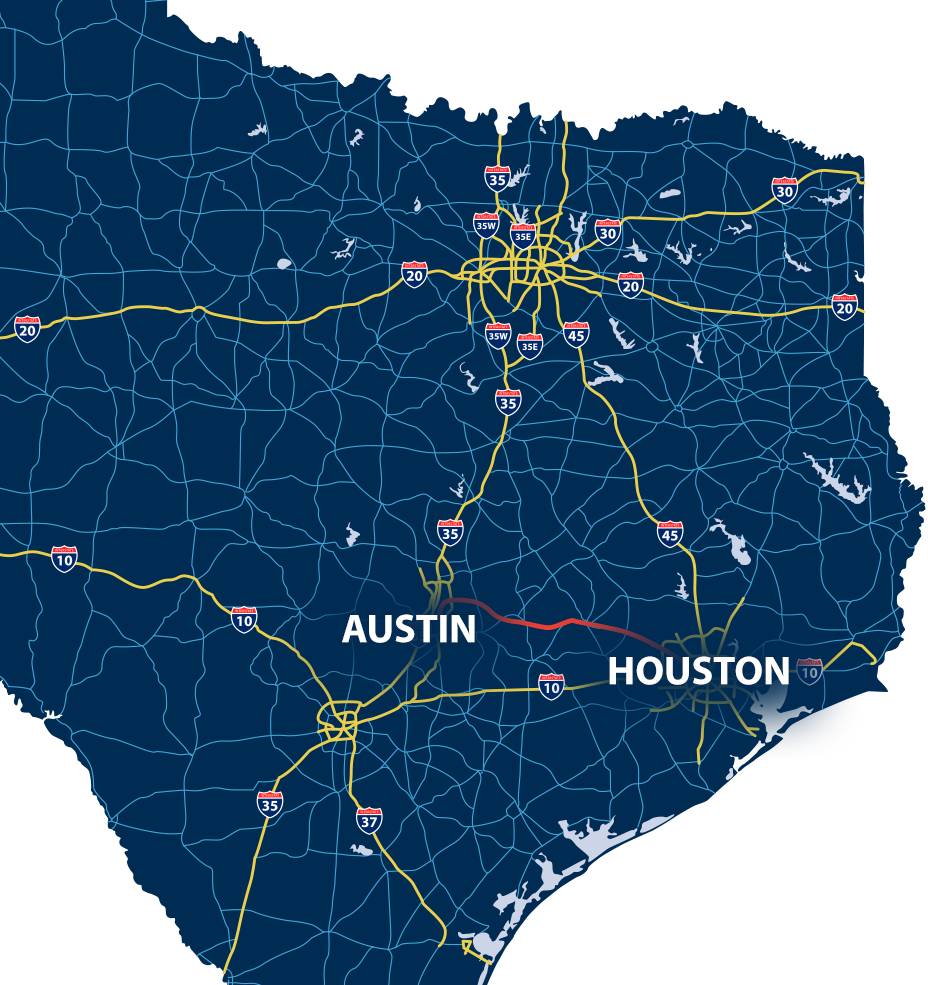
The Straight Shot: Distance and Driving Between Austin and Houston
For most travelers, driving is the preferred method of getting from Austin to Houston, offering unparalleled freedom and the ability to travel on your own schedule. The route is relatively direct, primarily utilizing major interstates and highways that connect the two bustling urban centers.
Navigating the Major Routes
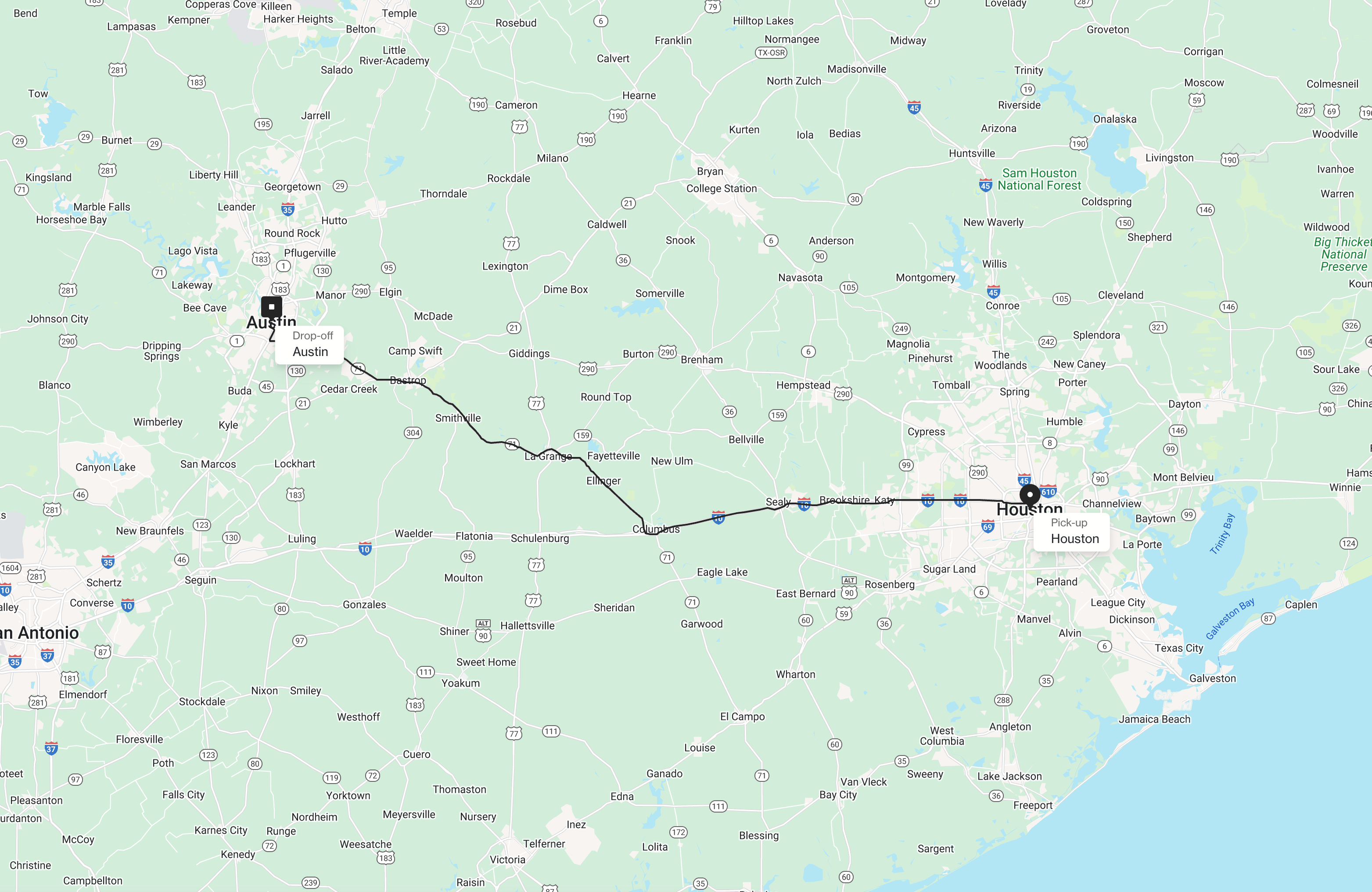
The primary arteries connecting Austin and Houston are I-10 and US-290. Most drivers will find themselves primarily on US-290 for the bulk of the journey, a well-maintained highway that slices through diverse Texan landscapes, from rolling hills to flatter plains. Depending on your starting point in Austin and your final destination in Houston, the drive typically takes between 2.5 to 3 hours under ideal conditions. This estimate accounts for direct travel without significant stops or delays.
The route is generally scenic, especially during spring when wildflowers like bluebonnets blanket the fields. Along the way, you’ll pass through several smaller towns, each with its own character, offering opportunities for quick stops if you wish to stretch your legs or grab a bite. While direct, the drive still offers a sense of progression through the heart of Texas, transitioning from Austin’s Hill Country vibe to Houston’s more metropolitan feel.
Essential Driving Considerations
While the drive is generally straightforward, a few factors are crucial to consider to ensure a smooth journey. Traffic is arguably the most significant variable that can impact your travel time. Both Austin and Houston are large cities notorious for their rush hour congestion. Departing early in the morning or later in the evening can help you avoid the worst of the traffic, particularly around the city limits of either destination. Weekends and holidays can also see increased traffic volumes, so planning accordingly is advisable.
For those flying into one city and driving to the other, car rental services are readily available at major airports. Austin-Bergstrom International Airport (AUS), George Bush Intercontinental Airport (IAH), and William P. Hobby Airport (HOU) all host a variety of reputable rental car companies such as Enterprise, Hertz, and Budget. Booking in advance, especially during peak travel seasons, is highly recommended to secure the best rates and vehicle availability.
Beyond traditional rentals, car-sharing platforms like Turo offer an alternative for those seeking unique vehicles or peer-to-peer rental flexibility. For shorter distances within cities or from airports to downtown, ride-sharing services like Uber and Lyft are widely available, providing convenient options for initial and final leg transportation. However, a full ride-share service between Austin and Houston would likely be prohibitively expensive compared to a rental car or other public transport.
Beyond the Wheel: Alternative Transportation Options
While driving offers convenience, it’s not the only way to travel between Austin and Houston. Several alternative modes of transportation cater to different needs, whether you’re looking for a budget-friendly option, a relaxing journey, or an environmentally conscious choice.
Convenient Bus Services
Bus travel is a popular and cost-effective option for many. Companies like Greyhound and Megabus operate multiple daily routes between Austin and Houston. The journey typically takes slightly longer than driving, averaging 3 to 4 hours, accounting for stops and potential traffic. Bus stations in both cities are usually located in or near downtown areas, providing easy access to public transportation or ride-sharing services upon arrival.
Opting for the bus can significantly reduce your travel expenses, making it an attractive choice for budget travelers or those who prefer not to drive. Modern buses often come equipped with amenities such as Wi-Fi, power outlets, and reclining seats, offering a comfortable and productive travel experience. It’s also a great way to sit back, relax, and enjoy the scenery without the stress of navigating traffic or finding parking.
Scenic Train Journeys
For those seeking a more unique and leisurely travel experience, train travel presents an appealing alternative. Amtrak operates the “Sunset Limited” route, which connects Austin and Houston. While not the fastest option, with journey times typically around 5 to 6 hours, it offers a distinct charm.
The “Sunset Limited” is an overnight service, which means you’ll be traveling during the late hours. This can be a drawback for some, but it also presents an opportunity for a restful journey, perhaps even catching some sleep in a comfortable seat or, for an upgraded experience, a private roomette or bedroom. Train travel allows passengers to bypass traffic entirely and enjoy the passing landscapes from a different perspective. It’s an excellent choice for those who value comfort and a unique travel narrative over speed, offering a nostalgic nod to classic rail travel. Amenities on Amtrak trains typically include dining cars, observation lounges, and ample legroom, making the journey itself part of the adventure.
The Air Travel Conundrum
While both cities are served by major airports (Austin-Bergstrom International Airport, George Bush Intercontinental Airport, and William P. Hobby Airport), flying between Austin and Houston is generally less practical for most travelers. The actual flight time is very short, often around 45 minutes. However, when you factor in the entire process—traveling to and from the airports, navigating check-in and security, and potential delays—the total travel time can easily rival or even exceed the driving time.
Furthermore, airfares between these two relatively close cities can often be more expensive than other ground transportation options, especially when considering the added costs of baggage and airport transfers. While flying might be an option for business travelers on tight schedules or those connecting from a longer flight, for a direct city-to-city trip, it rarely offers a significant advantage in terms of time or cost for the average tourist.
Discovering Texas’ Twin Gems: Austin vs. Houston
Once you’ve navigated the journey, a world of distinctive experiences awaits you in both Austin and Houston. Each city offers a rich tapestry of culture, cuisine, entertainment, and attractions, appealing to diverse interests and lifestyles.
Austin: The Heartbeat of Live Music and Quirky Culture
Austin proudly wears its title as the “Live Music Capital of the World.” The city’s pulse vibrates with an eclectic mix of genres, best experienced on iconic thoroughfares like Sixth Street and Rainey Street, where countless bars and venues host live bands nightly. For a more bohemian vibe and unique shopping, South Congress Avenue (SoCo) offers quirky boutiques, vintage shops, and diverse eateries, often accompanied by street performers.
Beyond the music scene, Austin boasts a vibrant outdoor lifestyle. Visitors can explore the impressive Texas State Capitol, a stunning architectural marvel. For recreation, Barton Springs Pool in Zilker Park provides a refreshing natural swimming oasis, while Lady Bird Lake is perfect for kayaking, paddleboarding, or enjoying scenic walking and biking trails. The city is also famous for its culinary scene, particularly its food trucks and legendary barbecue joints like Franklin Barbecue, which draws queues for its melt-in-your-mouth brisket.
Austin also hosts world-renowned festivals such as the Austin City Limits Music Festival and South by Southwest (SXSW), drawing international crowds and showcasing the city’s innovative spirit in music, film, and tech. Accommodation options range from luxury hotels like the Four Seasons Hotel Austin and the Omni Austin Hotel Downtown to historic gems such as The Driskill, a Hyatt Hotel, as well as numerous boutique hotels and charming vacation rentals catering to every taste and budget.
Houston: A Metropolis of Space, Art, and Culinary Delights
As the largest city in Texas, Houston offers a grander, more diverse experience. Its most iconic attraction is undoubtedly Space Center Houston, the official visitor center for NASA Johnson Space Center, where visitors can marvel at spacecraft, touch a moon rock, and learn about the future of space exploration.
Houston’s cultural scene is equally impressive, particularly its acclaimed Museum District. Here, you’ll find a concentrated collection of world-class institutions, including the Museum of Fine Arts, Houston, the Houston Museum of Natural Science, and the Houston Zoo. For shopping enthusiasts, The Galleria offers an upscale experience with hundreds of stores, restaurants, and even an ice rink.
The city’s culinary landscape is a reflection of its incredible diversity, boasting an array of global cuisines that rival any major international city. From authentic Tex-Mex and savory BBQ to Vietnamese, Indian, and upscale fine dining, Houston is a foodie paradise. Outdoor spaces like Discovery Green Park and Buffalo Bayou Park provide lush urban oases for relaxation, recreation, and cultural events.
When it comes to accommodation, Houston caters to every luxury and budget. High-end options include the opulent The Post Oak Hotel at Uptown Houston, the well-appointed Marriott Marquis Houston Downtown with its Texas-shaped lazy river, and the historic charm of Hotel ICON, Autograph Collection. Numerous mid-range and budget-friendly hotels are also scattered throughout the city, offering comfortable stays for all travelers.
Planning Your Perfect Texas Getaway
Whether your journey takes you from the bustling streets of Houston to the laid-back charm of Austin, or vice versa, a well-planned trip can maximize your enjoyment of Texas’s dynamic urban centers.
Where to Stay: Top Accommodation Picks
Selecting the right accommodation is crucial for a memorable travel experience. In Austin, beyond the aforementioned luxury hotels, consider staying in the downtown area for easy access to live music venues and the Texas State Capitol. The South Congress Avenue (SoCo) district offers boutique hotels and a more local, eclectic vibe. Vacation rentals are also plentiful, providing a home-away-from-home experience, especially for families or longer stays.
In Houston, the choice of neighborhood can significantly impact your experience. Uptown/Galleria is ideal for luxury shopping and dining, while Downtown offers proximity to major sports venues, Discovery Green Park, and the convention center. The Museum District is perfect for cultural immersion, and areas near Space Center Houston cater to space enthusiasts. From all-suite hotels offering spacious living to resorts with extensive amenities, Houston presents a diverse portfolio of lodging options.
Maximizing Your Journey: Travel Tips and Tricks
To make the most of your travel between Austin and Houston, consider these practical tips:
- Plan Ahead: Especially if traveling during peak seasons, holidays, or major events like Austin City Limits Music Festival or South by Southwest (SXSW), booking your transportation and accommodation well in advance is essential. Prices can surge, and availability can become limited.
- Mind the Traffic: If driving, use real-time navigation apps (like Google Maps or Waze) to monitor traffic conditions and estimate travel times. Avoiding rush hour (typically 6-9 AM and 4-7 PM on weekdays) will save you considerable time and frustration.
- Flexibility is Key: While having an itinerary is good, allow for some spontaneity. Discovering a roadside attraction, a charming small town, or a local eatery can often be the highlight of a road trip.
- Pack Smart: Texas weather can be unpredictable. Pack layers, prepare for warm temperatures most of the year, and bring comfortable walking shoes to explore both cities’ attractions.
- Explore Beyond the Obvious: While iconic landmarks are a must-see, dive deeper into the local culture. Ask locals for recommendations, explore diverse neighborhoods, and try local delicacies beyond the famous barbecue or Tex-Mex. From live music dives in Austin to hidden art galleries in Houston, there’s always something unique to discover.
- Consider Multi-City Packages: Some travel agencies or booking platforms may offer packages that combine stays in both cities, potentially including transportation or attraction passes, which can simplify planning and offer cost savings.
In conclusion, the distance between Houston and Austin is easily navigable, making a combined exploration of these two Texan powerhouses a feasible and highly rewarding endeavor. Whether you choose the independence of a road trip, the comfort of a bus, or the unique charm of a train journey, a rich tapestry of experiences awaits you in the vibrant heart of Texas. So pack your bags, choose your adventure, and get ready to discover the diverse allure of the Lone Star State.
LifeOutOfTheBox is a participant in the Amazon Services LLC Associates Program, an affiliate advertising program designed to provide a means for sites to earn advertising fees by advertising and linking to Amazon.com. Amazon, the Amazon logo, AmazonSupply, and the AmazonSupply logo are trademarks of Amazon.com, Inc. or its affiliates. As an Amazon Associate we earn affiliate commissions from qualifying purchases.