
New Orleans, a city steeped in history and vibrant with culture, is renowned for its distinct neighborhoods, each possessing a unique character. Among these, the term “French Quarter” most prominently refers to the historic heart of the city, officially known as the Vieux Carré. This iconic district, a living museum of architectural styles and a crucible of artistic and culinary traditions, is not merely a place but an experience that encapsulates the very soul of Louisiana.
The Vieux Carré: A Living Tapestry of History and Architecture
The term “French Quarter” evokes images of wrought-iron balconies, hidden courtyards, and the intoxicating aroma of Creole cuisine. While this is an accurate sensory snapshot, the historical context is crucial to understanding its enduring appeal. Established by the French in 1718, the settlement was later ceded to the Spanish in 1763 before returning to French control and finally becoming part of the United States with the Louisiana Purchase in 1803. This succession of European powers has left an indelible mark on the district’s architectural landscape, resulting in a fascinating blend of French, Spanish, and Creole influences.
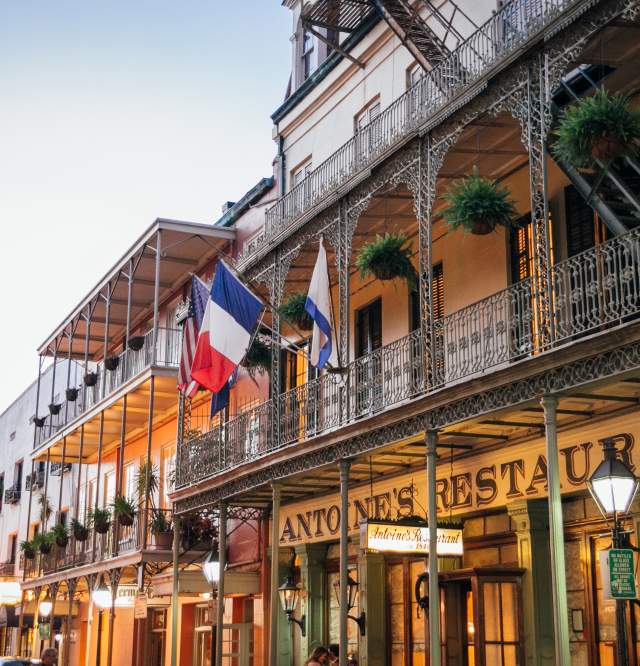
Architectural Harmony and Heritage
The Vieux Carré’s architectural narrative is a compelling one, showcasing resilience and reinvention. Following devastating fires in the late 18th century, particularly in 1788 and 1794, much of the original French colonial wooden structures were replaced. This led to the adoption of building techniques and materials that favored stucco walls, arched doorways, and courtyard designs, elements that provided greater fire resistance and adapted to the subtropical climate.
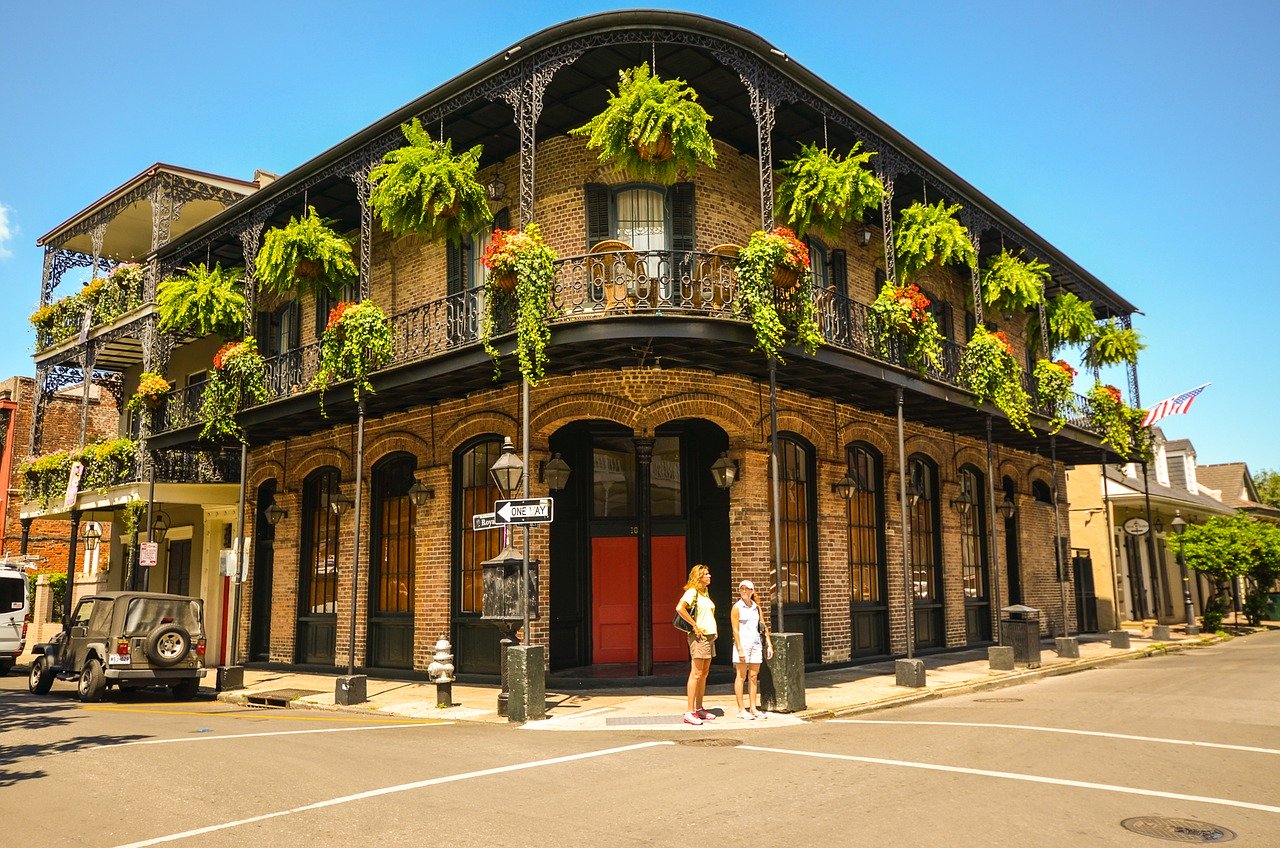
- Creole Townhouses: These are perhaps the most quintessential buildings of the French Quarter. Characterized by their narrow facades, high ceilings, and central courtyards, they often feature iconic wrought-iron balconies and galleries supported by slender cast-iron columns. These designs served practical purposes, providing shade and ventilation while also offering a picturesque aesthetic.
- Spanish Influence: The Spanish period brought with it a greater emphasis on courtyards, often featuring fountains and lush vegetation, providing private oases from the bustling streets. The use of brick and stucco, along with pitched tile roofs, also became more prevalent.
- Post-Louisiana Purchase: While the core architectural style remained, subsequent development saw the incorporation of American vernacular styles and the continued use and embellishment of wrought iron, which became a hallmark of New Orleans’ unique charm.
The district’s preservation efforts, spearheaded by organizations like the French Quarter Preservation Society, have been instrumental in safeguarding these historic structures, ensuring that the Vieux Carré remains a tangible link to its past. Walking through its streets, from the grandeur of Jackson Square to the intimate alleys, offers a visual journey through centuries of history.
Beyond the Name: “French” in Context
While the name “French Quarter” is universally recognized, it’s important to understand its historical nuances. The initial French settlement laid the groundwork, but the Spanish period significantly shaped the architecture and urban planning. The term “Creole,” referring to descendants of European colonists born in the Americas, is intrinsically linked to the cultural fusion that defines this district. It’s a testament to a society where French, Spanish, African, and Caribbean influences converged, creating a unique cultural identity that permeates the Quarter to this day.
Experiencing the Soul of New Orleans: Culture, Cuisine, and Commerce
The Vieux Carré is more than just a collection of historic buildings; it’s a dynamic hub of cultural expression, gastronomic delights, and vibrant commerce. Its streets pulse with a rhythm unlike any other, drawing visitors and locals alike into its captivating embrace.
A Culinary Epicenter
The French Quarter is synonymous with some of the world’s most distinctive culinary traditions. Creole and Cajun cuisines, born from the rich culinary heritage of the region, are celebrated here with unparalleled passion and authenticity.
- Iconic Dishes: From the savory depths of Gumbo and the rich complexity of Jambalaya to the delicate sweetness of Beignets at the famous Café Du Monde, the culinary offerings are endless. A proper exploration includes sampling Po’boys, crawfish étouffée, and the rich, dark chocolate of Pralines.
- Historic Restaurants: Many establishments within the Quarter boast a legacy stretching back generations, offering not just a meal but a historical dining experience. Restaurants like Antoine’s Restaurant and Brennan’s are culinary landmarks in their own right, preserving traditional recipes and ambiance.
- Culinary Tours and Classes: For those seeking a deeper dive, numerous culinary tours and cooking classes are available, allowing visitors to understand the ingredients, techniques, and history behind these beloved dishes.
A Canvas for the Arts and Music
The French Quarter has long been a magnet for artists, musicians, and performers, fostering an environment of creative expression that is palpable on its streets.
- Live Music Scene: Bourbon Street, while perhaps the most famous, is just one facet of the Quarter’s vibrant music scene. Streets like Frenchmen Street, though technically just outside the official French Quarter boundaries, are often associated with its musical spirit, offering a more authentic and diverse range of live jazz, blues, and brass bands. Small clubs and street performers fill the air with infectious melodies.
- Art Galleries and Studios: The Quarter is dotted with numerous art galleries showcasing the work of local and regional artists. From traditional landscape paintings to avant-garde sculptures, the artistic talent on display reflects the diverse inspirations drawn from the city itself.
- Street Performers: The iconic street performers, from mimickers and magicians to jazz ensembles and fortune tellers, add an indispensable layer of entertainment and spontaneity to the visitor experience.
A Hub of Commerce and Festivities
Beyond its cultural and culinary offerings, the French Quarter is a bustling commercial district and the epicenter of many of New Orleans’ legendary celebrations.
- Shopping: From unique boutiques and souvenir shops to antique stores and art dealers, shopping in the French Quarter is an adventure. Royal Street is particularly known for its antique shops and art galleries, offering treasures from bygone eras.
- Festivals and Parades: The French Quarter is the stage for many of Mardi Gras parades and is central to other city-wide celebrations. The energy during these events is electrifying, transforming the streets into a vibrant spectacle of color, music, and revelry. Even outside of major festivals, the spirit of celebration is ever-present.
Navigating the French Quarter: Practicalities and Etiquette
While the magic of the French Quarter can feel timeless, understanding its practical aspects and social etiquette enhances the visitor experience.
Getting Around and Staying
The compact nature of the Vieux Carré makes it highly walkable, which is often the preferred method of exploration to truly soak in the atmosphere.
- Walking: Comfortable shoes are a must, as you’ll want to wander down cobblestone streets, explore hidden courtyards, and meander through bustling marketplaces.
- Transportation: While taxis and rideshares are available, many visitors choose to rely on their feet. The historic streetcar lines, particularly the St. Charles Streetcar (though not directly in the Quarter, it offers access nearby), offer a charming and scenic way to see parts of the city.
- Accommodation: The French Quarter boasts a wide array of lodging options, from luxury hotels and historic inns to charming guesthouses and apartments. Staying within the Quarter provides unparalleled access to its attractions but can come with higher price points and potential for noise, especially on weekends or during events.

Respecting the Environment and Culture
The French Quarter is a residential neighborhood as well as a tourist destination, and visitors are encouraged to be mindful of its residents and its unique character.
- Preservation: As a designated National Historic Landmark, maintaining the integrity of the architecture and the historic ambiance is paramount. Visitors should be respectful of private property and avoid actions that could damage historic structures.
- Noise Levels: While the Quarter is known for its lively atmosphere, particularly on Bourbon Street, it’s important to be considerate of residents and other visitors by managing noise levels, especially during nighttime hours in more residential areas.
- Safety: Like any bustling urban environment, exercising common sense and awareness is advisable. Staying on well-lit streets, being mindful of personal belongings, and avoiding isolated areas, especially at night, are prudent precautions.
The French Quarter of New Orleans is an enduring symbol of American history, culture, and resilience. It is a place where the past is not merely remembered but actively lived, offering an immersive experience that tantalizes the senses and enriches the soul. Whether you are drawn by its architectural splendor, its legendary cuisine, its vibrant music, or its intoxicating atmosphere, the Vieux Carré promises an unforgettable journey into the heart of the Crescent City.
LifeOutOfTheBox is a participant in the Amazon Services LLC Associates Program, an affiliate advertising program designed to provide a means for sites to earn advertising fees by advertising and linking to Amazon.com. Amazon, the Amazon logo, AmazonSupply, and the AmazonSupply logo are trademarks of Amazon.com, Inc. or its affiliates. As an Amazon Associate we earn affiliate commissions from qualifying purchases.