
New Orleans, a city steeped in a rich tapestry of culture, history, and unparalleled charm, is known by several evocative monikers that capture its unique spirit. While “The Big Easy” is perhaps the most widely recognized, the city’s identity is further illuminated by nicknames that speak to its vibrant atmosphere, its enduring resilience, and its deeply rooted musical heritage. Understanding these nicknames offers a deeper appreciation for the soul of this captivating Louisiana metropolis.
The Big Easy: A Symbol of Laid-Back Charm
The most pervasive and globally recognized nickname for New Orleans is “The Big Easy.” This moniker emerged in the mid-20th century and quickly gained traction, resonating with both locals and visitors. Its origin is often attributed to various sources, though a popular theory suggests it was coined in contrast to the hustle and bustle of New York City, which was often referred to as “The Big Apple.”

The Genesis of “The Big Easy”
The phrase “The Big Easy” gained significant popularization through the 1986 film of the same name, starring Dennis Quaid and Ellen Barkin. While the movie itself explored themes of jazz musicians and the city’s vibrant music scene, it firmly cemented the nickname in the global consciousness. However, the term was in circulation long before the film. Some historians and cultural commentators point to its use in the jazz community as early as the 1950s, where it reflected the relatively relaxed pace of life and the improvisational, easy-going nature of the city’s music.
What “The Big Easy” Represents
Beyond its literal meaning, “The Big Easy” encapsulates a philosophy of life. It speaks to a slower rhythm, an appreciation for pleasure, and a general absence of the hurried urgency found in many other major urban centers. This laid-back ambiance is evident in the city’s social customs, its emphasis on enjoying the moment, and its deeply ingrained tradition of hospitality. It suggests a place where one can unwind, savor the flavors, and immerse oneself in the unique cultural currents without feeling pressured by time. The city’s legendary French Quarter, with its cobblestone streets, wrought-iron balconies, and lively Bourbon Street, often embodies this “Big Easy” spirit, where music spills from every doorway and revelry continues late into the night.
The Crescent City: A Geographic and Historic Identifier
Another prominent nickname for New Orleans is “The Crescent City.” This moniker is deeply tied to the city’s unique geography and its founding.
The Defining Curve of the Mississippi
The city’s layout is dictated by the sinuous bend of the Mississippi River. As the river gracefully curves, it forms a crescent shape, and the original settlement of New Orleans was established along this prominent bend. This geographical feature not only shaped the city’s urban development but also played a crucial role in its strategic importance as a port and a vital trading hub. The image of the crescent moon is often associated with this geographic characteristic, lending the nickname its visual appeal.
Historical Significance of “The Crescent City”
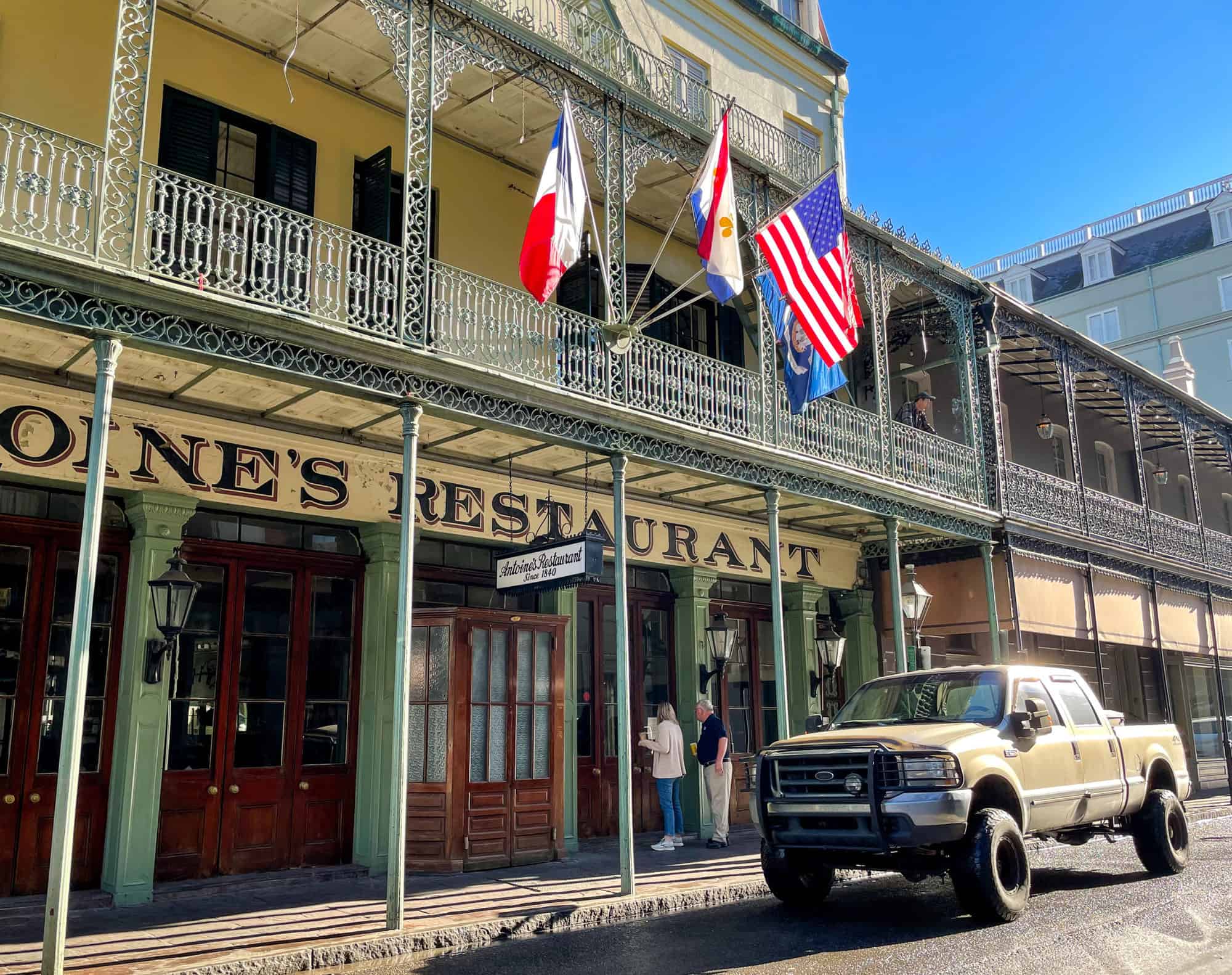
The name “The Crescent City” dates back to the city’s colonial past. New Orleans was founded by the French in 1718 and later passed to the Spanish, before eventually becoming part of the United States through the Louisiana Purchase. During these formative years, the distinctive crescent shape was a defining characteristic recognized by early cartographers and residents alike. The nickname reflects a sense of enduring history and the foundational geography that has guided the city’s growth and identity for centuries. It evokes a sense of timelessness and the enduring presence of the Mississippi River as the lifeblood of the region.
The Birthplace of Jazz: A Musical Legacy
While not a formal nickname in the same vein as “The Big Easy” or “The Crescent City,” New Orleans is universally recognized and celebrated as “The Birthplace of Jazz.” This designation is more of a descriptive title that profoundly shapes the city’s cultural identity and its appeal to visitors.
The Roots of a Genre
The unique cultural fusion that characterized New Orleans in the late 19th and early 20th centuries provided fertile ground for the development of jazz. African rhythms, European harmonies, Caribbean influences, and American folk music all converged in this vibrant port city. Enslaved people, freedmen, and immigrants brought their musical traditions, which, combined with the city’s unique social and historical context, gave rise to this revolutionary new genre.
Musical Landmarks and Experiences
Today, New Orleans remains a living testament to its musical heritage. The French Quarter and the Marigny district are alive with the sounds of jazz, with clubs like Preservation Hall offering authentic performances that transport audiences back in time. Street musicians serenade passersby, brass bands parade through the streets during second-line processions, and festivals like the New Orleans Jazz & Heritage Festival celebrate the genre’s enduring legacy. This rich musical tradition is an integral part of the visitor experience, drawing countless individuals who come to soak in the authentic sounds and rhythms that defined a global art form.
The City That Care Forgot: A Reflection of Resilience and Spirit
Another informal yet poignant nickname for New Orleans is “The City That Care Forgot.” This moniker speaks to the city’s remarkable ability to maintain its vibrant spirit and joie de vivre in the face of adversity.
Enduring Challenges and Unwavering Spirit
New Orleans has weathered numerous natural disasters, economic downturns, and social challenges throughout its history, most notably the devastating Hurricane Katrina in 2005. Despite these immense hardships, the city has consistently demonstrated an extraordinary capacity for resilience and a profound commitment to preserving its unique culture. The nickname suggests that, even in difficult times, the city finds a way to celebrate life, to find joy, and to move forward with an indomitable spirit.
A Culture of Celebration
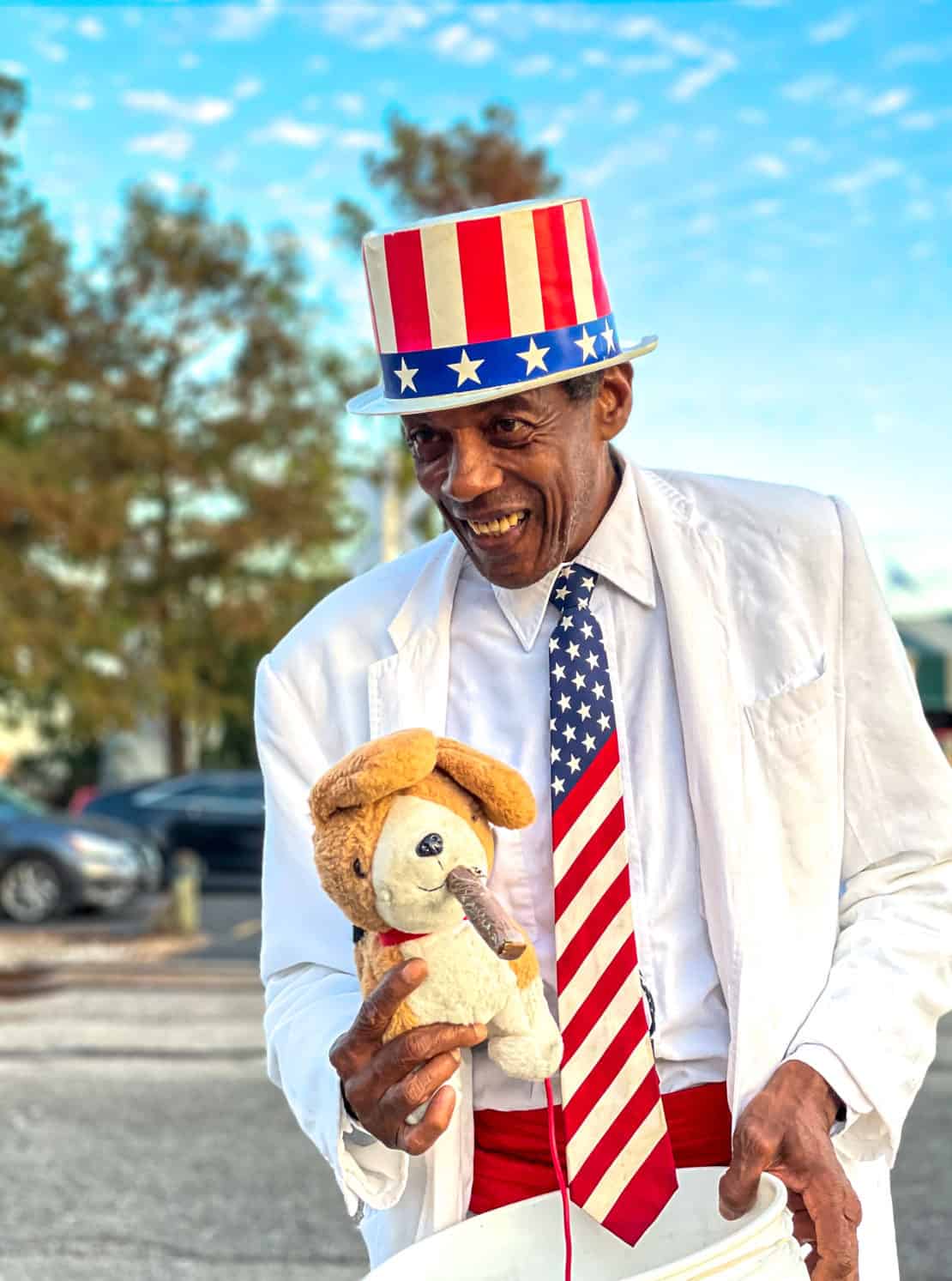
This nickname highlights the deeply ingrained culture of celebration that permeates New Orleans. From elaborate Mardi Gras parades and elaborate holiday traditions to impromptu street parties and everyday social gatherings, the city has a gift for finding reasons to come together and revel. It reflects a belief in the importance of community, shared experiences, and the power of festivity to uplift and unite. Visitors often remark on this infectious joy and the sense that, despite its challenges, New Orleans has an almost magical ability to make them forget their worries and embrace the present moment.
In conclusion, the nicknames for New Orleans are far more than simple labels; they are windows into the city’s multifaceted identity. Whether referred to as “The Big Easy” for its relaxed charm, “The Crescent City” for its iconic geography, “The Birthplace of Jazz” for its unparalleled musical legacy, or “The City That Care Forgot” for its enduring spirit, each moniker offers a unique perspective on what makes this American jewel so captivating and unforgettable. They are an invitation to explore, to experience, and to fall in love with the soul of a city unlike any other.
LifeOutOfTheBox is a participant in the Amazon Services LLC Associates Program, an affiliate advertising program designed to provide a means for sites to earn advertising fees by advertising and linking to Amazon.com. Amazon, the Amazon logo, AmazonSupply, and the AmazonSupply logo are trademarks of Amazon.com, Inc. or its affiliates. As an Amazon Associate we earn affiliate commissions from qualifying purchases.