
The allure of the Oregon Trail is undeniable, not just as a historical journey but as a persistent icon in digital entertainment. The classic computer game, simulating the arduous 1800s westward expansion, remains a beloved challenge for many. While the historical trek was fraught with genuine peril, the game presents a curated set of obstacles and decisions designed to test a player’s resourcefulness, foresight, and a touch of luck. Mastering the Oregon Trail is less about brute force and more about strategic planning and understanding the game’s core mechanics. This guide delves into the essential strategies and tactics to navigate the dusty plains and winding rivers, ultimately leading your party to the fertile lands of the Willamette Valley.
Preparing for the Journey: The Crucial First Steps
Success on the Oregon Trail begins long before you leave Independence, Missouri. The initial choices you make regarding your profession, starting funds, and the composition of your party can significantly impact your chances of survival and prosperity.
Choosing Your Profession and Starting Capital
The game presents a selection of professions, each offering a different starting amount of money. While a higher starting capital seems inherently advantageous, it’s a trade-off.
- Banker: Offers the most starting cash, allowing for extensive purchases of supplies. However, the game often balances this with slightly higher difficulty curves in certain areas or demands for more elaborate provisions.
- Carpenter: Provides a moderate amount of money and often a slight bonus related to repairing wagons, which can be a lifesaver during breakdowns.
- Farmer: Starts with the least amount of money but begins with a higher “health” rating for the party and potentially better starting provisions. This profession often represents the most “authentic” starting experience, requiring careful budgeting from the outset.
The optimal choice often depends on your playstyle. If you prefer to buy your way through challenges, the Banker is suitable. If you enjoy a more measured, survival-focused approach, the Farmer might be more rewarding. Regardless of your choice, understand that ample funds are crucial for stocking up appropriately.
Stocking Your Wagon: Essentials for Survival
The general store in Independence, Missouri is your first and most critical supply point. Over-purchasing or under-purchasing here can have dire consequences.
-
Food: This is paramount. Aim for at least 100 pounds of food per person per month. A common recommendation is to stock 2000-3000 pounds for a party of five. Running out of food leads to starvation, decreasing health, and eventual death.
-
Clothing: Essential for enduring the varying weather conditions. While the game doesn’t always explicitly detail clothing needs, ensuring each party member has adequate “clothing” is wise, especially for later stages of the journey where cold can set in. A good starting point is around 500 pounds.
-
Ammunition: Crucial for hunting game and defending against potential threats. Stock at least 1000 rounds of ammunition. This allows for regular hunting to supplement your food supply and provides a buffer for unexpected encounters.
-
Spare Parts: This is where the real strategic purchasing begins.
- Wagon Wheels: Breakdowns are inevitable. Having at least 2-3 spare wheels is a wise investment.
- Wagon Tongues: Another common breaking point for wagons. Carry at least 2-3 spares.
- Wagon Axles: The least frequent but most detrimental break. Carry at least 2 spares.
- Investing in spare parts means less time spent stranded, fewer lost supplies due to delays, and a higher chance of reaching your destination.
-
Medical Supplies: While not explicitly a purchasable item in every version, if available, prioritize them. Illness is a major killer on the Oregon Trail.
Assembling Your Party: Choosing Your Companions
Your party members are not just abstract numbers; their health and well-being are directly tied to your success.
- Family Members: Typically your spouse and children. They start with good health but are susceptible to illness and injury.
- Hired Hands: Can be acquired at the start or along the trail. They can be valuable for their skills but may have their own needs and vulnerabilities.
It’s generally advisable to start with a smaller, healthy party. A larger party consumes more food and is more prone to illness. As you progress, you might encounter opportunities to add skilled individuals to your group, but weigh their benefits against the increased resource demands.
Navigating the Trail: Key Milestones and Challenges
The journey from Independence, Missouri to the Willamette Valley is punctuated by critical landmarks and environmental challenges that demand careful management of your resources and your party’s health.
River Crossings: A Test of Nerve and Resources
The numerous rivers along the Oregon Trail are among the most perilous obstacles. The game often presents you with options:
- Ford the River: The quickest and cheapest option. However, it carries the highest risk of drowning, losing supplies, or damaging the wagon. Assess the river’s depth and current carefully. If the water level is high and the current is strong, this is usually a bad idea.
- Caulk the Wagon and Float: A slightly safer option than fording, but still risky. It involves making the wagon watertight and using it as a raft.
- Hire a Ferry: The safest but most expensive option. If funds allow and the river is particularly dangerous, this is often the best choice to preserve your party and supplies.

Always consider the health of your party and the condition of your wagon before attempting a river crossing. A poorly timed attempt can be catastrophic.
Hunting and Foraging: Supplementing Your Provisions
Relying solely on purchased food is a recipe for disaster. Hunting game and foraging for edible plants are essential skills to master.
- Hunting: Keep your ammunition supply robust. Deer, buffalo, and other game provide substantial amounts of food. Aim to hunt regularly, especially after successful milestones or when your food stores are dwindling. Be aware of the game’s “hunting season” mechanics in some versions, which can affect availability.
- Foraging: While less significant in some game versions, the ability to find edible plants can provide a small but vital supplement to your diet.
Illness and Injury: The Silent Killers
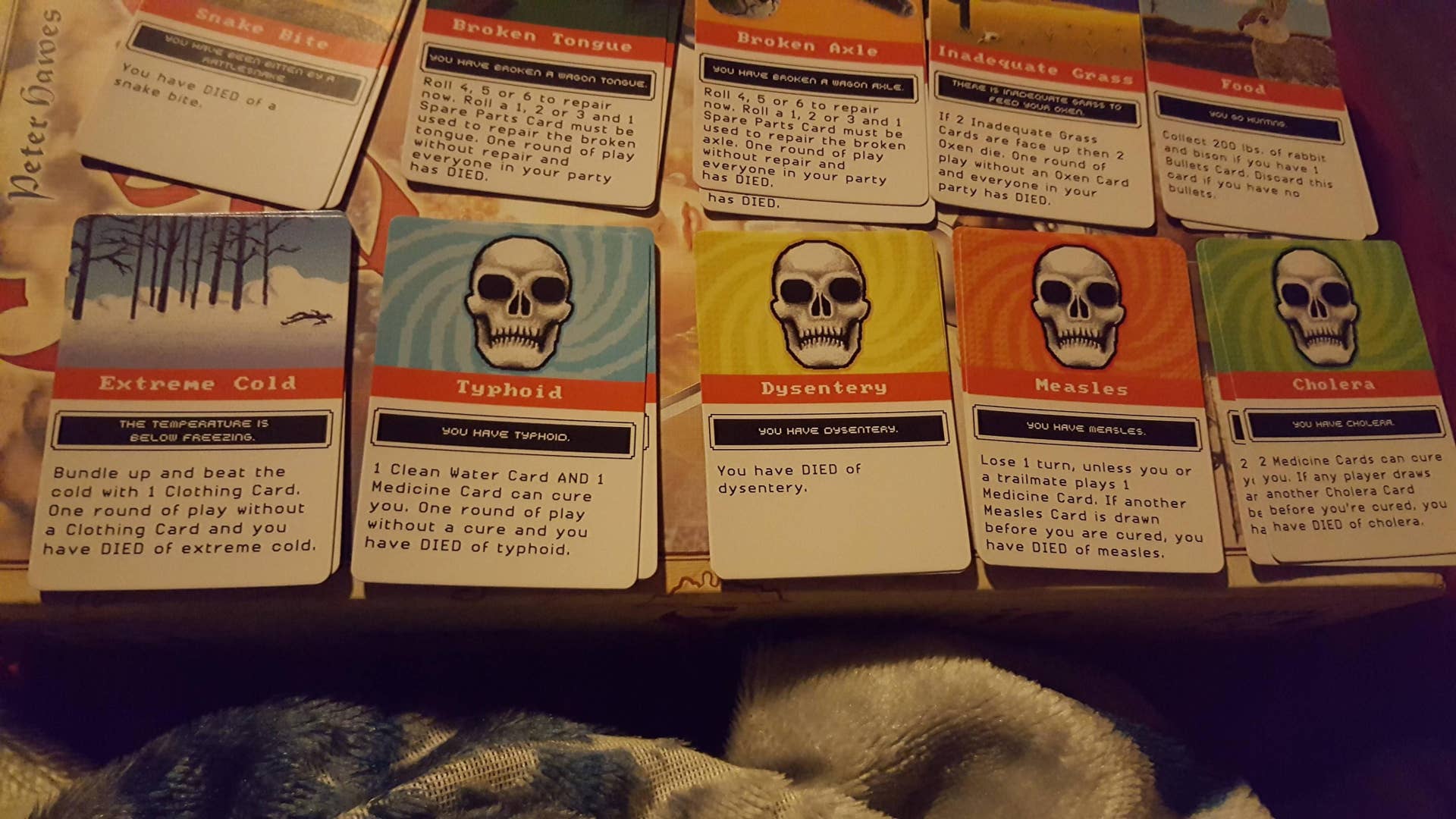
Disease and injury are the most common causes of death on the Oregon Trail. Dysentery, cholera, measles, and broken bones are frequent afflictions.
- Rest: When party members fall ill, resting is crucial. This consumes food and slows your progress, but it’s often necessary for recovery.
- Medical Supplies: If you managed to acquire them, use them judiciously.
- Hygiene: While not always explicitly simulated, maintaining good “health” through adequate food and rest is the best defense.
The Weather and Terrain: Unpredictable Adversaries
The Oregon Trail is notorious for its harsh and unpredictable weather. Blizzards in the mountains, heatwaves on the plains, and dust storms can all impede progress and affect party health.
- Pacing: Don’t push your party too hard, especially during extreme weather. Rest and conserve your supplies.
- Clothing: As mentioned, adequate clothing is essential for surviving the cold.
Reaching the Destination: The Final Push and Triumphant Arrival
The final leg of the journey often presents new challenges as winter approaches and resources are stretched thin. However, with careful planning and consistent execution of the strategies outlined, reaching the fertile lands of the Willamette Valley becomes a tangible and rewarding outcome.
Key Landmarks to Watch For
As you progress westward, certain landmarks serve as crucial checkpoints and indicators of your progress. These include:
- Chimney Rock: A significant marker on the plains of Nebraska.
- Fort Laramie: A trading post that offers an opportunity to restock supplies and potentially hire new party members.
- Independence Rock: Another prominent landmark in Wyoming, often covered in travelers’ names.
- South Pass: A relatively easy crossing of the Rocky Mountains, a vital milestone.
- Fort Bridger: Another potential resupply point.
- The Blue Mountains: The final major mountain range before reaching the Willamette Valley.
Each of these locations presents its own unique set of challenges and opportunities. Use them as benchmarks to assess your progress and adjust your strategy.
Managing Supplies in the Late Game
As you near your destination, food and spare parts become even more critical. The Blue Mountains can be treacherous, and the weather can turn cold quickly, increasing the demand for food and warm clothing.
- Conserve: Avoid unnecessary risks. Do not attempt dangerous river crossings if avoidable.
- Hunt Strategically: Ensure you have enough ammunition for the final push.
- Rest Adequately: A sick or injured party member in the final stages can be devastating.

The Final Arrival: A Testament to Your Strategy
Arriving in the Willamette Valley with your party intact and your wagon in reasonable condition is the ultimate victory. The game often provides a summary of your journey, your accumulated wealth, and the fate of your party members. A successful run is a testament to meticulous planning, careful resource management, and the ability to adapt to the myriad challenges that the Oregon Trail throws your way. It’s a simulation that teaches valuable lessons about foresight, resilience, and the importance of preparation, echoing the spirit of those who truly blazed the trail westward.
LifeOutOfTheBox is a participant in the Amazon Services LLC Associates Program, an affiliate advertising program designed to provide a means for sites to earn advertising fees by advertising and linking to Amazon.com. Amazon, the Amazon logo, AmazonSupply, and the AmazonSupply logo are trademarks of Amazon.com, Inc. or its affiliates. As an Amazon Associate we earn affiliate commissions from qualifying purchases.