
The inimitable spirit of New Orleans is a year-round allure, a vibrant tapestry woven with music, food, history, and an undeniable joie de vivre. However, for travelers seeking to fully immerse themselves in the city’s unique charm, understanding the nuances of its seasons can elevate a visit from memorable to truly extraordinary. Each time of year offers a distinct flavor, from the electrifying energy of Mardi Gras to the mellow, jazz-filled nights of autumn. Navigating these periods allows for a more tailored experience, whether you’re drawn by the legendary festivals, the world-class culinary scene, or the rich cultural heritage.
The Sweet Spot: Spring in New Orleans
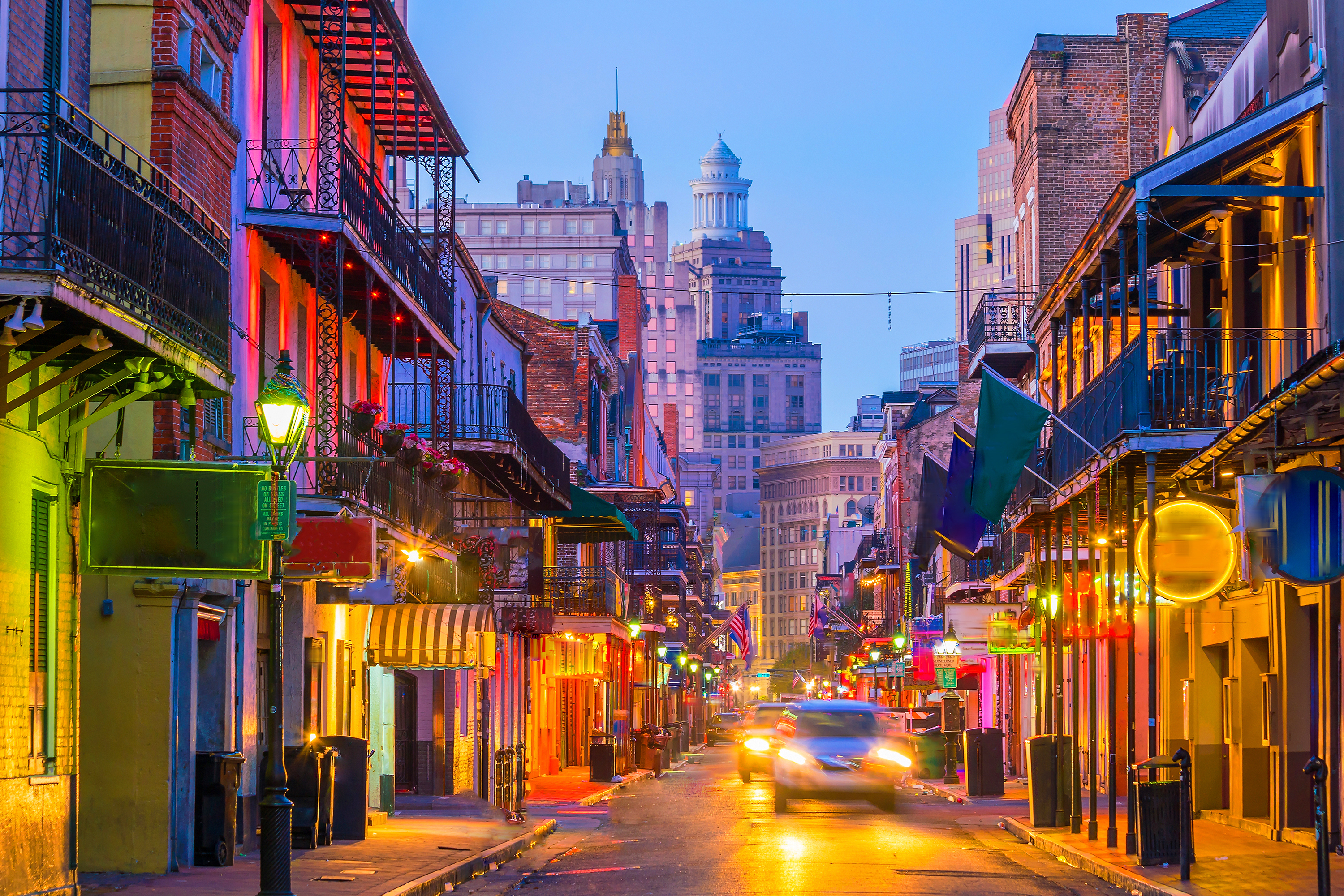
Spring in New Orleans is often heralded as the quintessential time to visit, and for good reason. The oppressive humidity of summer has yet to descend, and the city blossoms, mirroring the vibrant spirit of its inhabitants and its surroundings. The weather is generally mild and pleasant, perfect for exploring the historic streets and enjoying the abundant outdoor activities.
Pleasant Weather for Exploration
From March through May, New Orleans typically enjoys temperatures that hover in the comfortable 60s and 70s Fahrenheit (15-25°C). This makes it ideal for leisurely strolls through the charming neighborhoods of the French Quarter, admiring the intricate ironwork balconies and hidden courtyards. Extended daylight hours allow for more time to explore attractions like Jackson Square or to take a scenic streetcar ride along St. Charles Avenue. Evenings remain cool enough to enjoy the outdoor patios of the city’s renowned restaurants without discomfort.
A Festival of Seasons
Spring is synonymous with a plethora of festivals that showcase New Orleans’s rich cultural mosaic. While Mardi Gras officially occurs in February or early March, its echoes can be felt throughout the spring. The real star of the spring festival season is the New Orleans Jazz & Heritage Festival, a sprawling celebration of music, food, and culture held over two weekends in late April and early May. Attendees can experience dozens of music stages featuring a diverse range of genres, from traditional jazz to blues, R&B, and rock, alongside an unparalleled culinary experience with over 50 food vendors serving up authentic Louisiana cuisine.
Beyond Jazz Fest, other notable spring events include the French Quarter Festival in April, which transforms the historic district into a massive street party with local musicians and food vendors, and the Tennessee Williams Literary Festival, celebrating the iconic playwright with readings, panels, and theatrical performances. These events provide a fantastic opportunity to engage with the local arts scene and witness the city at its most vibrant.
The Heat and Hustle: Summer in New Orleans
Summer in New Orleans is characterized by its heat and humidity, a defining aspect of the city’s climate. While this might deter some, it also brings a unique energy and a host of opportunities for those who can embrace the warmth.
Embracing the Humidity
June, July, and August in New Orleans bring high temperatures, often in the 80s and 90s Fahrenheit (30-35°C), accompanied by significant humidity. This is the time when the city’s indoor attractions truly shine. Air-conditioned museums like the New Orleans Museum of Art or the Audubon Aquarium of the Americas offer welcome respite. Many bars and restaurants become the primary social hubs, providing cool havens for enjoying world-class cocktails like the Sazerac or sampling classic Creole dishes. Hydration is key, and embracing a slower pace during the hottest parts of the day is advisable.
Cultural Immersion and Lighter Crowds
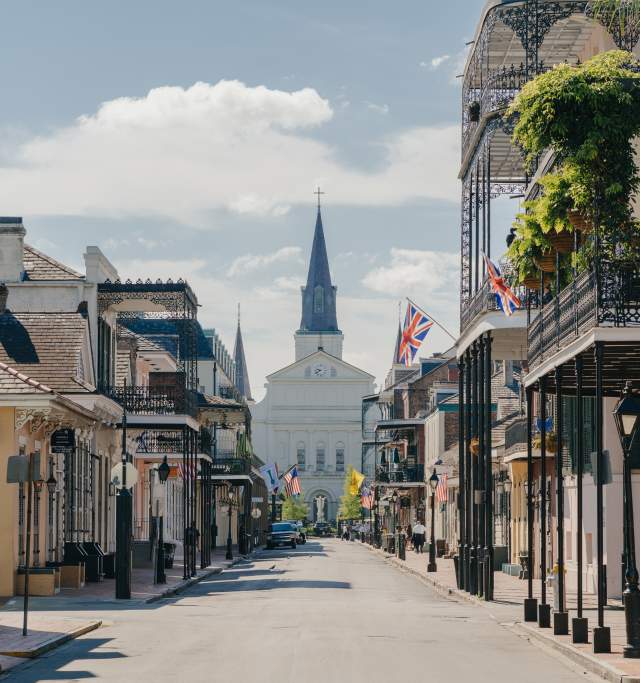
Despite the heat, summer offers a different kind of charm. The summer months often see fewer crowds at major attractions compared to the peak spring and fall seasons, meaning shorter lines and a more relaxed experience at popular sites like the French Quarter or the National WWII Museum. The city’s vibrant nightlife continues unabated, with live music spilling out of clubs on Frenchmen Street nightly. It’s also a great time to explore the city’s culinary landscape, as many of the top restaurants may have slightly easier reservation availability.
Summer also hosts several significant events, though typically smaller in scale than spring festivals. The Essence Festival of Culture, usually held in early July, is a major draw for music lovers, particularly those interested in R&B, soul, and hip-hop, and it often features inspiring speakers and cultural discussions. The heat encourages indoor activities, and many locals embrace the summer by enjoying swamp tours on the bayou or seeking out cool relief on the Mississippi River.
The Golden Hue: Autumn in New Orleans
As the summer heat subsides, New Orleans enters one of its most appealing periods: autumn. The weather becomes beautifully temperate, and the city’s cultural calendar remains robust, offering a perfect blend of comfortable exploration and engaging activities.
Ideal Temperatures and Outdoor Comfort
September through November typically sees temperatures in the 60s and 70s Fahrenheit (15-25°C), with lower humidity than the summer months. This creates an exceptionally pleasant atmosphere for outdoor activities. Walking tours of the Garden District to admire its magnificent antebellum mansions become more enjoyable, as do boat tours through the nearby swamps and bayous. The crisp air is also perfect for exploring the city’s numerous parks, such as City Park, which offers walking paths, botanical gardens, and historic oak trees.
A Season of Culture and Culinary Delights
Autumn in New Orleans is a prime time for experiencing the city’s renowned food scene. The cooler weather makes dining al fresco a pleasure, and many restaurants host special events and tasting menus that highlight the seasonal bounty of Louisiana. The city’s culinary reputation is well-earned, and this season provides an excellent opportunity to sample everything from gumbo and jambalaya to fresh seafood and decadent beignets at iconic establishments like Café Du Monde.
The cultural calendar remains active. While large-scale festivals might be less frequent than in the spring, the fall boasts events like the Oak Street Po-Boy Festival, a celebration of the beloved local sandwich, and the Voodoo Music + Arts Experience, a Halloween weekend music festival that draws major acts from various genres. These events, coupled with the ongoing live music scene, ensure that New Orleans buzzes with energy. The slightly cooler evenings are perfect for enjoying jazz clubs or attending a performance at the historic Saenger Theatre.
The Festive Chill: Winter in New Orleans
Winter in New Orleans offers a distinct experience, often milder than in many other parts of the country, yet infused with a unique festive spirit. While it’s not beach weather, it provides a comfortable climate for enjoying the city’s indoor and outdoor attractions, particularly during its most famous celebration.
Mild Temperatures and Fewer Crowds
December, January, and February in New Orleans typically bring average temperatures in the 50s and 60s Fahrenheit (10-20°C). While occasional cold snaps can occur, the overall climate is far from harsh. This period is often characterized by fewer tourists than spring and fall, making it an excellent time for a more intimate and authentic experience of the city. Attractions are generally less crowded, and accommodation prices may be more favorable, especially outside of the Mardi Gras season.
The Magic of Mardi Gras
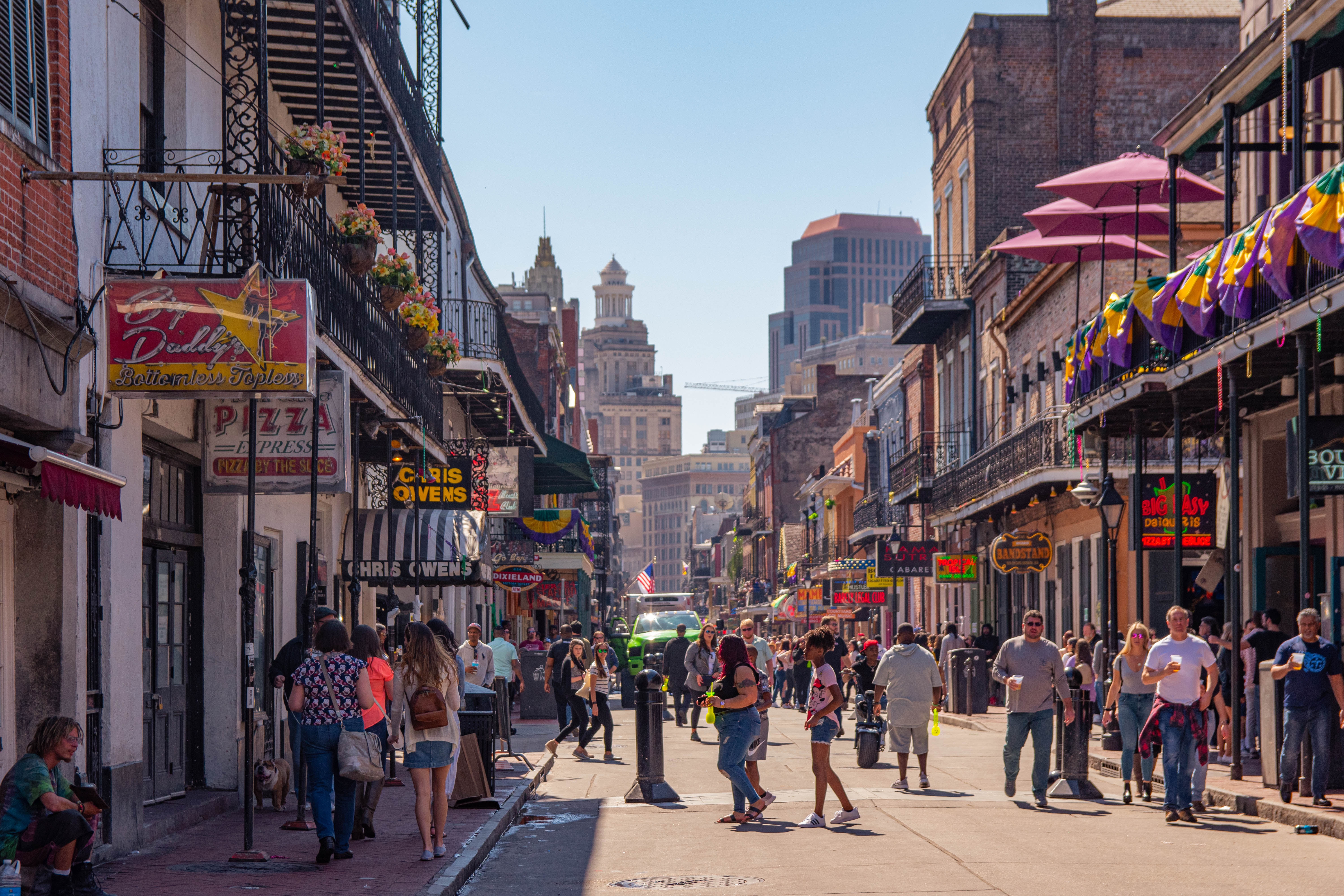
The undisputed highlight of winter in New Orleans is Mardi Gras, the world-renowned carnival season. While Fat Tuesday itself falls on a specific date determined by Easter, the festivities begin weeks in advance, with parades rolling through the city streets on weekends and leading up to the main event. Experiencing Mardi Gras is a sensory explosion of vibrant costumes, elaborate floats, infectious music, and the iconic throwing of beads. The energy is palpable, transforming the entire city into a spectacular party.
Beyond the grandeur of Mardi Gras, winter offers opportunities for exploring historical sites like the St. Louis Cathedral or taking a guided tour of a historic cemetery. The city’s culinary scene remains a major draw, with cozy restaurants offering warming dishes perfect for the cooler evenings. The live music venues continue to hum with activity, providing a soundtrack to any visit. For those seeking a more serene experience, visiting during the early weeks of January, before the Mardi Gras season fully kicks into high gear, can offer a charming and relaxed introduction to the city.
LifeOutOfTheBox is a participant in the Amazon Services LLC Associates Program, an affiliate advertising program designed to provide a means for sites to earn advertising fees by advertising and linking to Amazon.com. Amazon, the Amazon logo, AmazonSupply, and the AmazonSupply logo are trademarks of Amazon.com, Inc. or its affiliates. As an Amazon Associate we earn affiliate commissions from qualifying purchases.