
Hurricane Katrina made landfall in southeastern Louisiana on August 29, 2005. This catastrophic event profoundly reshaped the landscape and the spirit of New Orleans, leaving an indelible mark on its history and its future. While the storm itself was a singular, devastating event, its aftermath and the subsequent recovery efforts represent a complex, multi-faceted narrative that continues to resonate. For anyone interested in understanding the resilience and the enduring charm of this vibrant city, grasping the timeline and the impact of Katrina is essential. This period marked a critical turning point, testing the city’s infrastructure, its community bonds, and its capacity to rebuild.

The Storm’s Arrival and Immediate Devastation
The genesis of Hurricane Katrina as a tropical storm in the Bahamas on August 23, 2005, marked the beginning of a journey that would culminate in one of the most destructive natural disasters in United States history. As it strengthened rapidly over the warm waters of the Gulf of Mexico, its projected path shifted, setting a course directly for the Louisiana coast. By the morning of August 29, 2005, Katrina had intensified into a Category 5 hurricane, boasting sustained winds of over 170 mph. Though it slightly weakened to a Category 3 storm before making landfall near Buras, Louisiana, its immense power was undiminished.
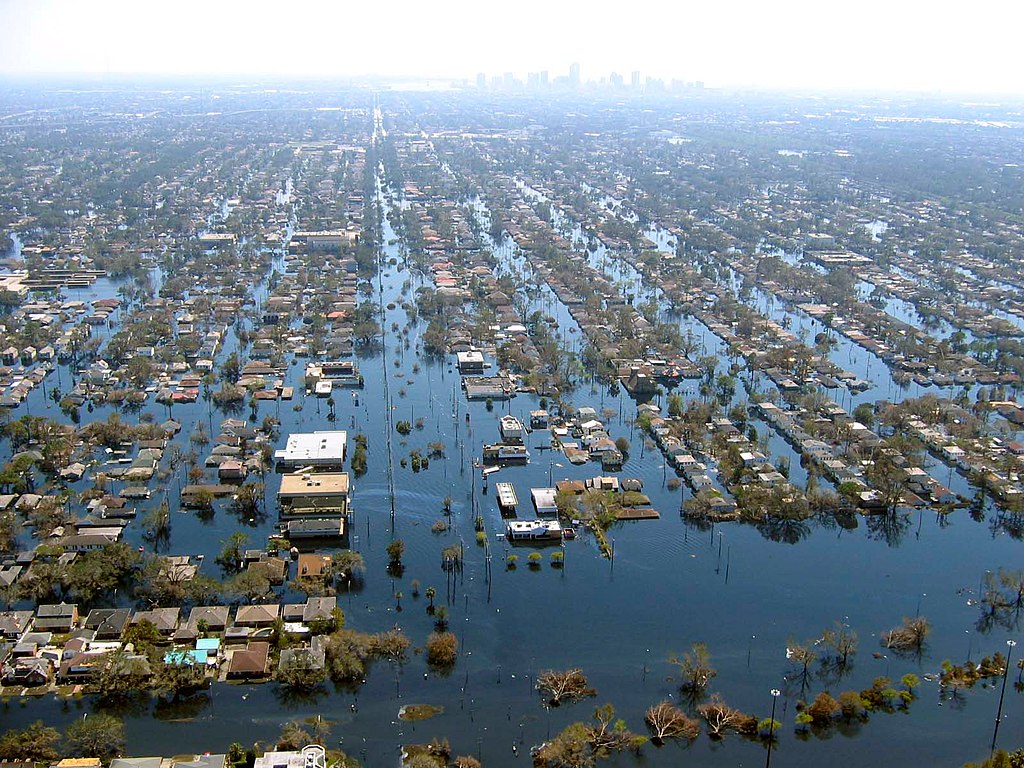
The impact on New Orleans was immediate and catastrophic. While the direct winds were severe, the most devastating aspect of Katrina’s arrival was its storm surge. The city, largely situated below sea level and protected by an intricate levee system, became vulnerable as the surging waters overwhelmed these defenses. Breaches in the levee system led to widespread flooding, submerging approximately 80% of the city. For days, vast areas of New Orleans remained under several feet of water, displacing hundreds of thousands of residents and creating scenes of immense hardship and loss. The iconic French Quarter, while experiencing some flooding, largely withstood the initial onslaught better than many other neighborhoods, a testament to its slightly higher elevation and its robust construction.
The Role of the Levees
The system of levees and floodwalls, designed to protect New Orleans from storm surge, was the critical infrastructure that failed. Initial assessments and subsequent investigations revealed that while the storm surge itself was immense, the catastrophic flooding was exacerbated by design flaws and inadequate maintenance of some of the protective barriers. The breaches were not isolated incidents but occurred at multiple points, leading to a cascading failure that overwhelmed the city’s drainage capabilities. The failure of the levee system became a focal point of blame and led to significant reforms in flood control management and infrastructure investment. The engineering and upkeep of these vital defenses remain a cornerstone of the city’s ongoing efforts to mitigate future risks.
Evacuation Efforts and Their Challenges
In anticipation of the hurricane, evacuation orders were issued for vulnerable areas, including much of New Orleans. However, these efforts were plagued by numerous challenges. Many residents, particularly those without personal transportation or financial means, were unable to evacuate. The city’s public transportation system was limited, and the sheer scale of the impending storm overwhelmed available resources. The Superdome, designated as a “refuge of last resort,” became a symbol of the evacuation’s failures, as tens of thousands of people sought shelter there with inadequate supplies, sanitation, and security. The images broadcast worldwide of people stranded on rooftops and in floodwaters painted a grim picture of the unfolding crisis.
The Aftermath: A City Transformed
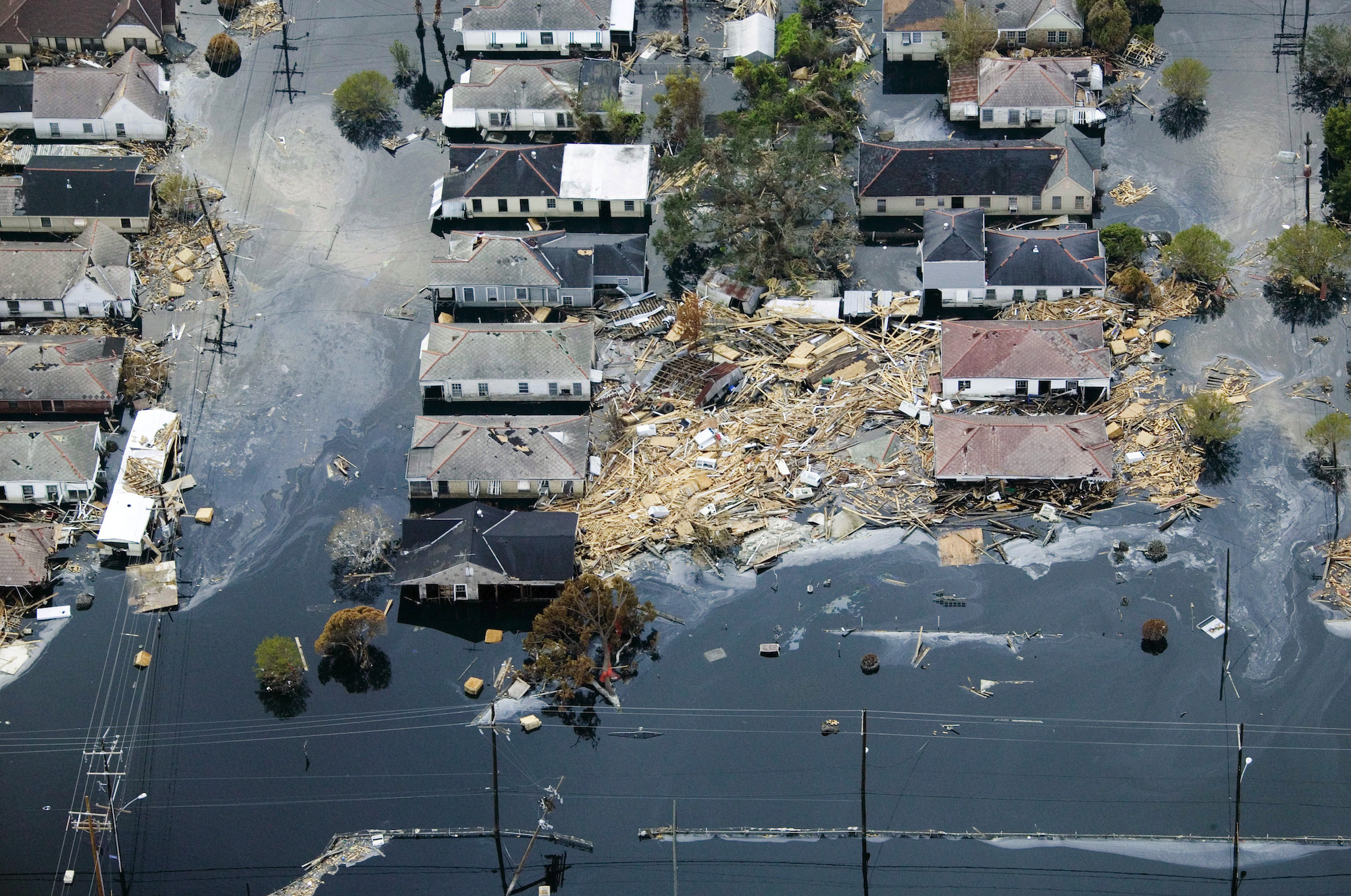
The immediate aftermath of Hurricane Katrina was characterized by widespread devastation, humanitarian crisis, and a profound sense of loss. As the floodwaters slowly receded, the true extent of the damage became apparent. Homes were destroyed, businesses were shuttered, and essential infrastructure was crippled. The fabric of the community was torn, with residents scattered across the country, uncertain of their futures and longing for their beloved city. The cultural heart of New Orleans, known for its vibrant music scene, its unique cuisine, and its rich history, faced an existential threat.
The Human Toll and Displacement
The human toll of Hurricane Katrina was immense, with over 1,800 lives lost. Beyond the tragic fatalities, hundreds of thousands of residents were displaced, creating a refugee crisis within the United States. Many found themselves in temporary shelters, facing uncertainty about their return and the rebuilding of their lives. This displacement had a profound impact on the demographic and social landscape of New Orleans, altering its neighborhoods and its community dynamics for years to come. The resilience of the displaced population, however, also became a defining characteristic of this period, as individuals and families worked to re-establish themselves and maintain connections to their heritage.
Infrastructure Collapse and the Long Road to Recovery
The damage to New Orleans’s infrastructure was staggering. Power grids were down, water and sewage systems were inoperable, and communication networks were severely disrupted. The iconic streetcar lines, crucial for many residents, were damaged. The port, a vital economic engine, was closed for an extended period. The rebuilding process was slow and arduous, requiring massive federal aid, tireless efforts from local agencies, and the unwavering dedication of community members. Restoring basic services and rebuilding homes and businesses became the immediate priorities, laying the foundation for a long and challenging recovery.
New Orleans Today: Resilience and Remembrance
Years after Hurricane Katrina made landfall on August 29, 2005, New Orleans stands as a testament to human resilience and the enduring power of community. While the scars of the storm are still visible in some areas, the city has undergone a remarkable transformation, embracing its past while forging a vibrant future. The experience of Katrina has deeply influenced how the city approaches preparedness, infrastructure, and community engagement, fostering a renewed sense of collective responsibility.
The Rebuilding Process and Community Spirit
The rebuilding of New Orleans was not merely a physical reconstruction; it was a rebuilding of spirit and identity. Residents, often referred to as “Kevinites” or “Katrina survivors,” returned to their beloved city, bringing with them an unwavering determination to restore it. Volunteers from across the nation and the globe contributed to the recovery efforts, demonstrating a global outpouring of support. Local organizations and community leaders played pivotal roles in coordinating relief, rebuilding homes, and revitalizing neighborhoods. This collective effort fostered a stronger sense of unity and purpose that continues to define the city. Many new community initiatives and non-profits emerged from the ashes, focused on rebuilding homes, providing support services, and preserving the unique cultural heritage.
Preserving History and Commemorating the Event
The legacy of Hurricane Katrina is deeply woven into the narrative of New Orleans. Various memorials and museums have been established to commemorate the event, honor the victims, and educate future generations about its impact. The Katrina Memorial stands as a poignant reminder of the lives lost, and the Lower Ninth Ward Living Museum documents the stories of survival and rebuilding in one of the hardest-hit neighborhoods. These landmarks serve as vital spaces for reflection, remembrance, and understanding the profound lessons learned from the disaster. The city’s commitment to preserving its history ensures that the experiences of Katrina are never forgotten, informing its present and guiding its future. The ongoing efforts to maintain and improve the flood protection systems are a direct result of the lessons learned.
The Enduring Appeal of New Orleans
Despite the devastating impact of Hurricane Katrina, the allure of New Orleans has only grown stronger. Its vibrant culture, characterized by its jazz music, its distinctive Creole and Cajun cuisine, its historic architecture, and its unique Mardi Gras traditions, continues to draw visitors from around the globe. The city has embraced its resilience, transforming its narrative of tragedy into one of perseverance and revival. From the lively streets of the French Quarter to the soul-stirring music clubs of Frenchmen Street, New Orleans offers an experience unlike any other. The spirit of its people, their ability to find joy and celebration even in the face of adversity, is perhaps the city’s greatest and most enduring attraction. The recovery has seen many historic buildings meticulously restored, and new cultural venues emerge, further enriching the visitor experience.
LifeOutOfTheBox is a participant in the Amazon Services LLC Associates Program, an affiliate advertising program designed to provide a means for sites to earn advertising fees by advertising and linking to Amazon.com. Amazon, the Amazon logo, AmazonSupply, and the AmazonSupply logo are trademarks of Amazon.com, Inc. or its affiliates. As an Amazon Associate we earn affiliate commissions from qualifying purchases.