
The devastating impact of Hurricane Katrina on New Orleans is a period etched into the collective memory of the United States and the world. While the storm’s aftermath is a complex tapestry of resilience and tragedy, the fundamental question of its timing remains crucial for understanding its historical context and the subsequent efforts to rebuild. The peak of Hurricane Katrina’s destructive force in New Orleans occurred in the final days of August 2005. Specifically, the storm made landfall on the Gulf Coast of the United States on August 29, 2005.
This date marks the beginning of a harrowing period for the city, characterized by catastrophic flooding due to levee failures, widespread destruction, and a massive displacement of its population. Understanding the precise timeline of Hurricane Katrina’s arrival and its immediate impact is essential for anyone seeking to grasp the scale of the disaster and the monumental recovery efforts that followed. It allows for a more informed appreciation of the city’s enduring spirit and its ongoing journey to reclaim its vibrant cultural identity.

The Precursors to Disaster
The events leading up to Hurricane Katrina’s landfall were a series of escalating warnings and a growing sense of unease. While the storm itself was a natural phenomenon, the vulnerability of New Orleans to such an event had been a subject of concern for years. The city’s unique geography, situated below sea level and surrounded by bodies of water, made it inherently susceptible to flooding.
Early Storm Development and Tracking
The nascent stages of what would become Hurricane Katrina began to form over the Bahamas in mid-August 2005. Initially a tropical depression, it rapidly intensified, becoming a tropical storm and then a hurricane. Forecasters closely monitored its trajectory, with initial predictions suggesting a path that would skirt the Florida coast.
Evacuation Orders and Initial Responses
As the storm’s path became more clearly defined and its intensity increased, evacuation orders began to be issued for coastal areas. For New Orleans, a mandatory evacuation was eventually ordered for the city and its surrounding parishes. However, the scale of the evacuation posed significant challenges. Not all residents had the means to leave, and for those without personal transportation, relying on public transportation or awaiting assistance presented a considerable hurdle. The city’s geography, with its numerous waterways and low elevation, meant that even a moderate storm could pose a severe threat. The decision to issue a mandatory evacuation was made on August 28, 2005, a critical step that, unfortunately, was not fully realized by a significant portion of the population before the storm’s full fury was unleashed.
Landfall and Immediate Impact
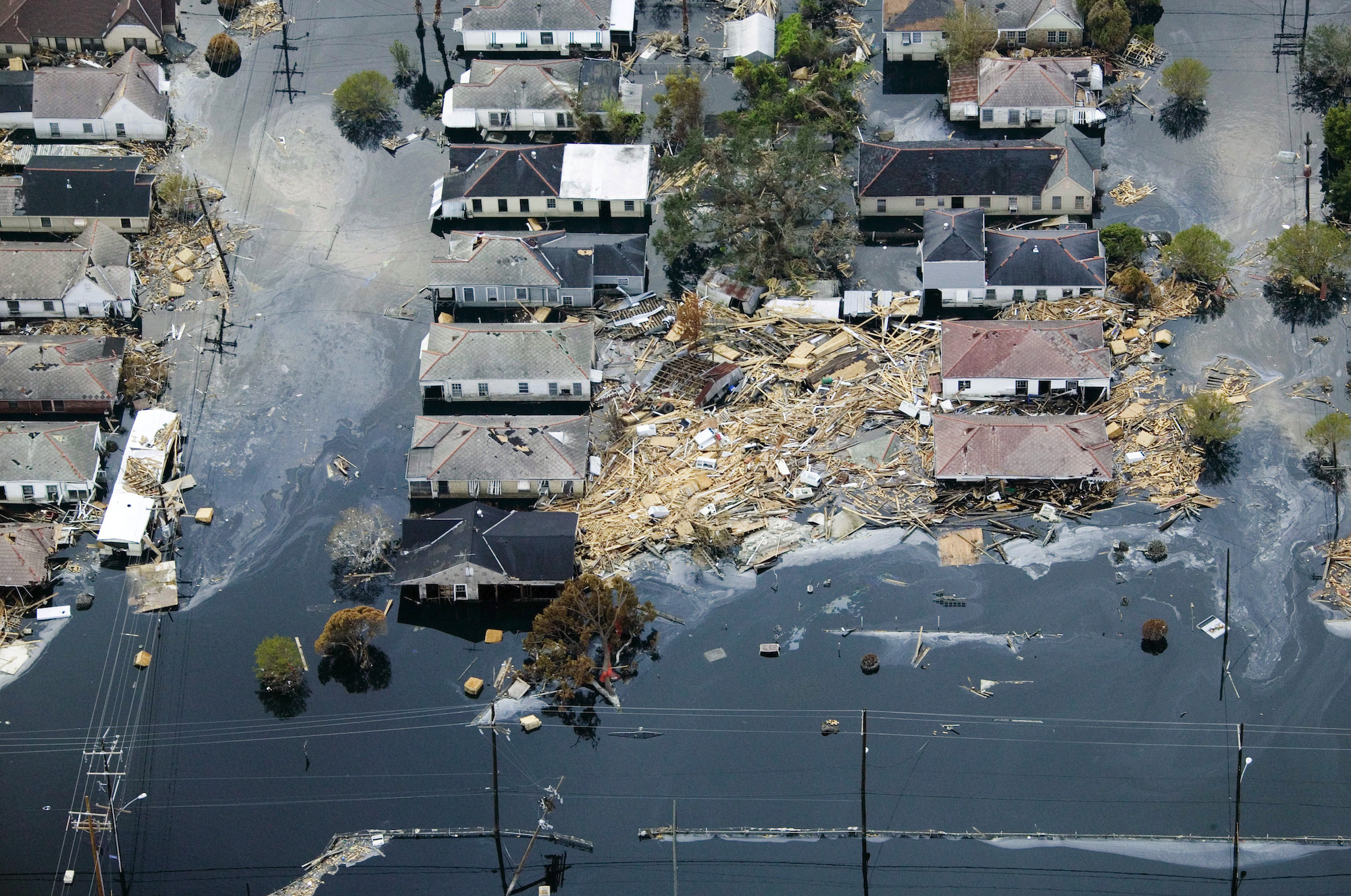
The day of August 29, 2005, marked the moment Hurricane Katrina made its devastating landfall. The storm’s immense power, coupled with critical failures in the city’s levee system, unleashed a catastrophic flood that would redefine the landscape of New Orleans for years to come.
The Eye of the Storm and Coastal Fury
Hurricane Katrina made its initial landfall on the morning of August 29, 2005, near Buras, Louisiana, as a Category 3 hurricane. The storm surge was immense, inundating coastal communities with wall of water that reshaped the coastline. The winds, at their peak, were ferocious, tearing roofs from buildings and uprooting trees. However, the most devastating aspect of the storm for New Orleans was not the direct impact of the winds, but the subsequent flooding caused by breaches in the city’s protective levee system.
Levee Failures and Catastrophic Flooding
As Hurricane Katrina moved inland, its powerful storm surge pushed against the meticulously engineered levee system designed to protect New Orleans from the waters of Lake Pontchartrain and the Mississippi River. Tragically, these levees, some of which were already known to have structural weaknesses, began to fail in multiple locations. By the evening of August 29, 2005, and into the following days, large sections of New Orleans were submerged under several feet of water. Some areas experienced flooding up to 15 to 20 feet deep. This widespread inundation trapped residents, destroyed homes and businesses, and rendered much of the city uninhabitable. The failures were not isolated incidents but a systemic collapse of the flood protection infrastructure.
The Days Following the Storm
The immediate aftermath of Hurricane Katrina was a period of immense crisis, characterized by widespread destruction, stranded populations, and a desperate struggle for survival and rescue. The scale of the disaster overwhelmed initial response efforts, leading to days of widespread suffering and a profound sense of isolation for many.
Rescue Operations and Stranded Populations
In the days following the landfall and the catastrophic flooding, the focus shifted to rescue operations. As floodwaters rose, thousands of residents found themselves trapped on rooftops, in attics, or on higher ground, desperately awaiting assistance. The U.S. Coast Guard, National Guard, and numerous other emergency response agencies worked tirelessly, using helicopters, boats, and high-water vehicles to reach those in need. However, the sheer number of people requiring rescue, combined with the vast areas affected and the damaged infrastructure, made these efforts incredibly challenging. Makeshift shelters, such as the Louisiana Superdome and the Ernest N. Morial Convention Center, became overcrowded and lacked adequate resources, further exacerbating the humanitarian crisis.

Displacement and the Long Road Ahead
The flooding forced the evacuation of nearly 80% of New Orleans. Residents were dispersed across the country, seeking refuge with family, friends, or in temporary shelters. This mass displacement had profound social and economic consequences, tearing apart communities and scattering the vibrant cultural fabric of the city. The immediate aftermath was defined by the search for basic necessities, the reunification of families, and the dawning realization of the monumental task of rebuilding that lay ahead. The question of “when was Hurricane Katrina in New Orleans?” is thus not just about a date, but about the cascade of events that began on August 29, 2005, and continue to shape the city’s narrative today.
LifeOutOfTheBox is a participant in the Amazon Services LLC Associates Program, an affiliate advertising program designed to provide a means for sites to earn advertising fees by advertising and linking to Amazon.com. Amazon, the Amazon logo, AmazonSupply, and the AmazonSupply logo are trademarks of Amazon.com, Inc. or its affiliates. As an Amazon Associate we earn affiliate commissions from qualifying purchases.