
California’s coast and its inland forests are home to some of the most awe-inspiring natural wonders on Earth: the ancient redwood trees. These colossal giants, the tallest living things on the planet, draw visitors from around the globe, eager to stand in their shadow and marvel at their resilience. Understanding where to find these magnificent specimens is key to planning an unforgettable journey into the heart of California’s wild beauty. The primary locations for experiencing redwoods fall into two main categories: the coastal redwood forests and the giant sequoia groves, each offering a distinct yet equally breathtaking encounter with these arboreal titans.
Coastal Redwood Forests: The Realm of the Coast Redwood
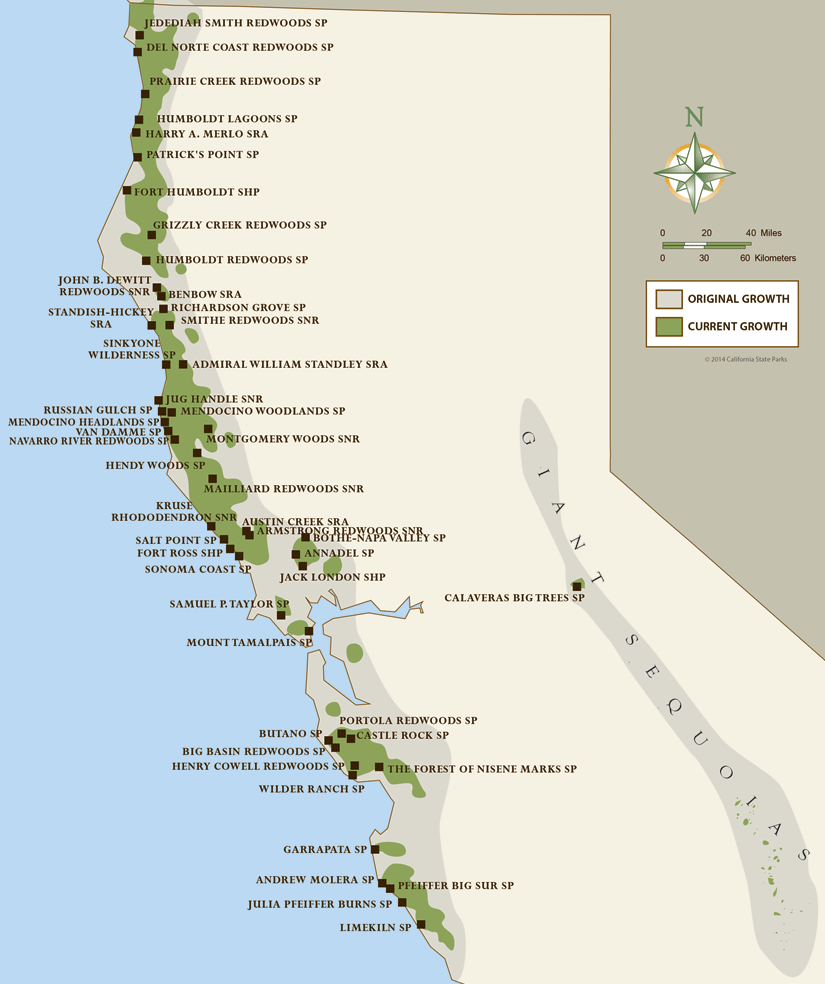
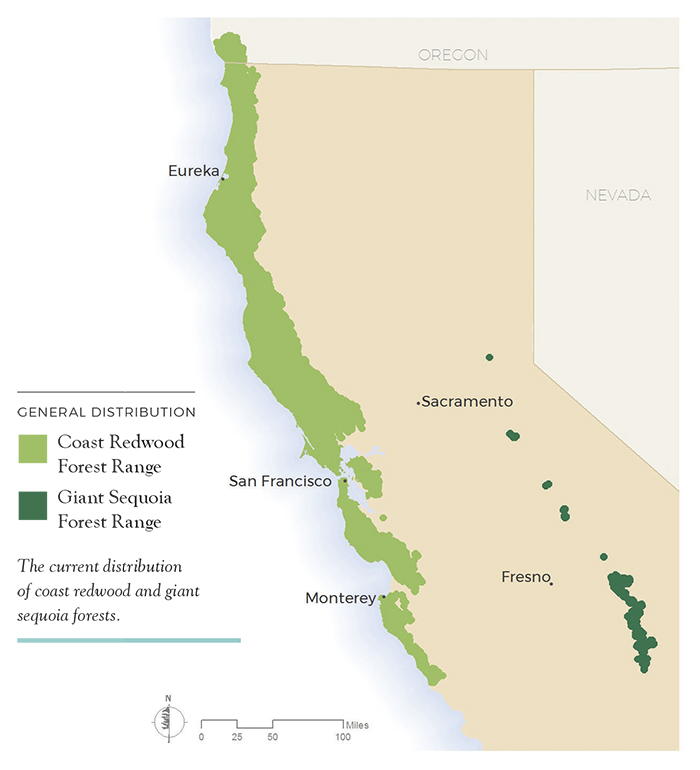
The coast redwoods, Sequoia sempervirens, are renowned for their incredible height, reaching skyward over 300 feet. These slender giants thrive in the cool, moist environment of Northern California’s coastal fog belt, where the Pacific Ocean’s influence nurtures their growth. Their natural range stretches approximately 450 miles from central California’s Big Sur region northwards into southern Oregon. Within California, several key areas are celebrated for their dense and accessible redwood forests, offering unparalleled opportunities for exploration and immersion.
Redwood National and State Parks: A World Heritage Site
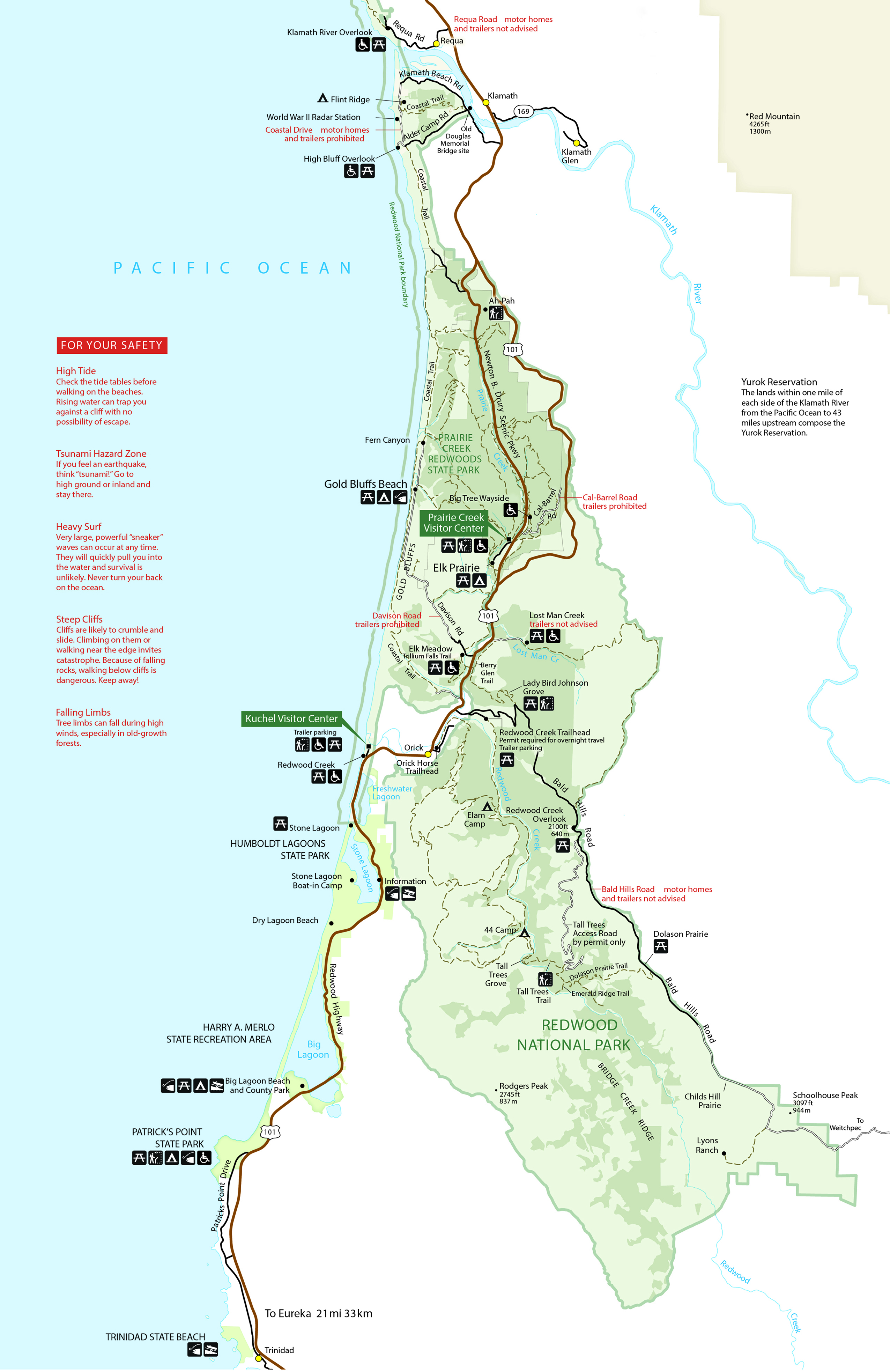
Perhaps the most iconic destination for experiencing coast redwoods is the Redwood National and State Parks. This unique conglomeration of federally and state-managed lands protects nearly half of all remaining old-growth coast redwoods. Established to preserve these ancient forests, the parks offer a comprehensive visitor experience, from scenic drives to extensive hiking trails.
- Jedediah Smith Redwoods State Park: Located in the far north of California, near Crescent City, this park is famous for its exceptionally tall trees and the pristine Smith River. Stout Grove, with its easily accessible loop trail, is a prime example of the park’s majestic beauty. Driving through Howland Hill Road, a winding, unpaved road, provides an intimate perspective of the towering redwoods.
- Del Norte Coast Redwoods State Park: Adjacent to Jedediah Smith, this park offers rugged coastal scenery alongside its redwood groves. Trails here often lead to dramatic ocean overlooks, combining the grandeur of the trees with the power of the sea. The dam at the north end of the park offers a starting point for hikes into dense forests.
- Prairie Creek Redwoods State Park: This park is renowned for its rolling prairies where Roosevelt elk often graze among the redwoods, creating a surreal and picturesque scene. Fern Canyon, a narrow canyon with walls covered in vibrant ferns, is a unique highlight, accessible via a scenic drive or hike. Newton B. Drury Parkway offers a spectacular drive through the heart of the park, with numerous pull-offs for short walks.
- Lady Bird Johnson Redwoods State Park: Named in honor of the former First Lady’s commitment to natural beautification, this park provides opportunities to walk among giants and learn about conservation efforts. It’s a more tranquil experience, offering a serene escape.
Humboldt Redwoods State Park: The Avenue of the Giants
Further south, Humboldt Redwoods State Park protects the largest remaining contiguous tract of old-growth coast redwood forest. Its centerpiece is the legendary Avenue of the Giants, a 31-mile scenic alternative to Highway 101. This iconic drive winds through the heart of the redwood empire, with numerous opportunities to stop, wander among the colossal trees, and visit unique roadside attractions.
- Founders Grove: Home to the Founders Tree, this grove is a popular starting point for exploring the park’s giants. The easy loop trail allows visitors to appreciate the scale and majesty of the redwoods without strenuous effort.
- Dyerville Giant: While tragically fallen in 1991, the Dyerville Giant’s massive trunk still lies in its original location, a testament to the sheer size these trees can achieve. Standing beside it offers a profound sense of scale.
- Immortal Tree: This remarkably resilient tree has survived numerous challenges, including lightning strikes and logging attempts, symbolizing the enduring spirit of the redwoods.
Other Notable Coastal Redwood Locations
Beyond these major parks, numerous other state parks, county parks, and private holdings protect significant stands of coast redwoods.
- Big Basin Redwoods State Park: Located in the Santa Cruz Mountains, south of San Francisco, Big Basin was California’s first state park. While heavily impacted by wildfires in recent years, it is undergoing restoration and remains a vital sanctuary for coast redwoods, offering a different ecological context with its chaparral and oak woodlands interspersed among the giants.
- Henry Cowell Redwoods State Park: Near Santa Cruz, this park provides an accessible and highly rewarding redwood experience. The Redwood Grove Loop Trail is a flat, wheelchair-accessible path that winds through a magnificent old-growth redwood grove.
- Muir Woods National Monument: Situated just north of San Francisco, Muir Woods National Monument offers a convenient and iconic redwood encounter for visitors to the Bay Area. Its proximity to San Francisco makes it a popular destination, showcasing towering redwoods along accessible trails. Advance reservations are often required for parking and shuttle access.
Giant Sequoia Groves: The Domain of the Giant Sequoia
While the coast redwoods are the tallest, the giant sequoias, Sequoiadendron giganteum, are the most massive trees by volume on Earth. These ancient behemoths, characterized by their immense girth and reddish-brown bark, grow exclusively on the western slopes of the Sierra Nevada mountain range in California. Their habitat is confined to a series of scattered groves at elevations between 5,000 and 7,000 feet, offering a vastly different landscape and experience compared to their coastal cousins.
Sequoia National Park and Kings Canyon National Park: The Land of Giants
The most famous and accessible giant sequoia groves are protected within Sequoia National Park and its adjacent Kings Canyon National Park. These parks, often managed as a single unit, are home to the largest trees in the world.
- General Sherman Tree: Located in the Giant Forest of Sequoia National Park, the General Sherman Tree is the largest living tree on Earth by volume. A well-maintained trail leads visitors to this unparalleled natural wonder, allowing them to stand in awe of its colossal size. The Giant Forest itself is home to a dense collection of giant sequoias, offering several scenic loops and trails.
- Congress Trail: Starting from the General Sherman Tree, the Congress Trail is a paved, relatively flat loop that meanders through the Giant Forest, passing significant sequoias such as the President Tree and the Senate and Congress groups. It provides an immersive experience within the heart of the sequoia grove.
- Grant Grove: In Kings Canyon National Park, Grant Grove is home to the General Grant Tree, which is the second-largest giant sequoia and has been designated the “Nation’s Christmas Tree.” The grove itself is a beautiful and accessible introduction to these magnificent trees.
- Cedar Grove: While not primarily a sequoia grove, Cedar Grove in Kings Canyon offers a stunning glaciated canyon landscape, and visitors can find scattered giant sequoias in the surrounding areas.
Yosemite National Park: Iconic Groves in a Famous Setting
Yosemite National Park, one of America’s most iconic national parks, also harbors significant giant sequoia groves, offering visitors a chance to see these giants amidst the park’s famous granite cliffs and waterfalls.
- Mariposa Grove: The largest sequoia grove in Yosemite, Mariposa Grove is home to over 500 mature giant sequoias, including the Grizzly Giant and the California Tunnel Tree. A shuttle system operates during peak season, transporting visitors from a parking area to the grove, where various trails allow exploration.
- Tuolumne Grove: This smaller grove, located near the Tioga Pass Road, offers a more tranquil experience. Visitors can hike down into the grove, passing through a historic tunnel tree that has long since fallen.
- Merced Grove: The smallest of Yosemite’s three main sequoia groves, Merced Grove is a peaceful and less-visited destination, offering a quiet immersion in the ancient forest.
Other Giant Sequoia Locations
Beyond the national parks, a few other locations in the Sierra Nevada protect smaller, but still significant, giant sequoia groves. These are often less developed and offer a more remote wilderness experience.
- Calaveras Big Trees State Park: Located in the Stanislaus National Forest, this park was one of the first places where the public could see giant sequoias. It features two distinct groves, the North Grove and the South Grove, with well-maintained trails.
- Plumas National Forest: Some smaller, less accessible groves can be found within the Plumas National Forest, often requiring a more strenuous hike for access.
Whether you seek the towering elegance of the coast redwoods or the monumental girth of the giant sequoias, California offers a profound connection to Earth’s ancient and majestic arboreal heritage. Planning your visit to these extraordinary locations promises an experience of wonder and inspiration that lingers long after you depart.
LifeOutOfTheBox is a participant in the Amazon Services LLC Associates Program, an affiliate advertising program designed to provide a means for sites to earn advertising fees by advertising and linking to Amazon.com. Amazon, the Amazon logo, AmazonSupply, and the AmazonSupply logo are trademarks of Amazon.com, Inc. or its affiliates. As an Amazon Associate we earn affiliate commissions from qualifying purchases.