
California, a land synonymous with sunshine, innovation, and breathtaking natural beauty, also rests on a geological fault line. This precarious position, while responsible for some of the state’s most stunning landscapes like Yosemite National Park and the majestic Sierra Nevada mountains, also makes it susceptible to seismic activity. The looming question for residents and visitors alike is not if a major earthquake will strike, but when. Understanding the science behind these predictions, the potential impacts, and how to prepare is crucial for anyone planning to experience the allure of California.
The Science of Seismic Prediction in California
The Golden State sits atop the notorious San Andreas Fault, a transformational boundary where the Pacific Plate and the North American Plate grind past each other. This immense geological pressure builds up over time, and when released, it causes the ground to shake. While predicting the exact moment of an earthquake remains an elusive goal for seismologists worldwide, scientific understanding of fault behavior has advanced significantly.

Understanding Fault Lines and Plate Tectonics
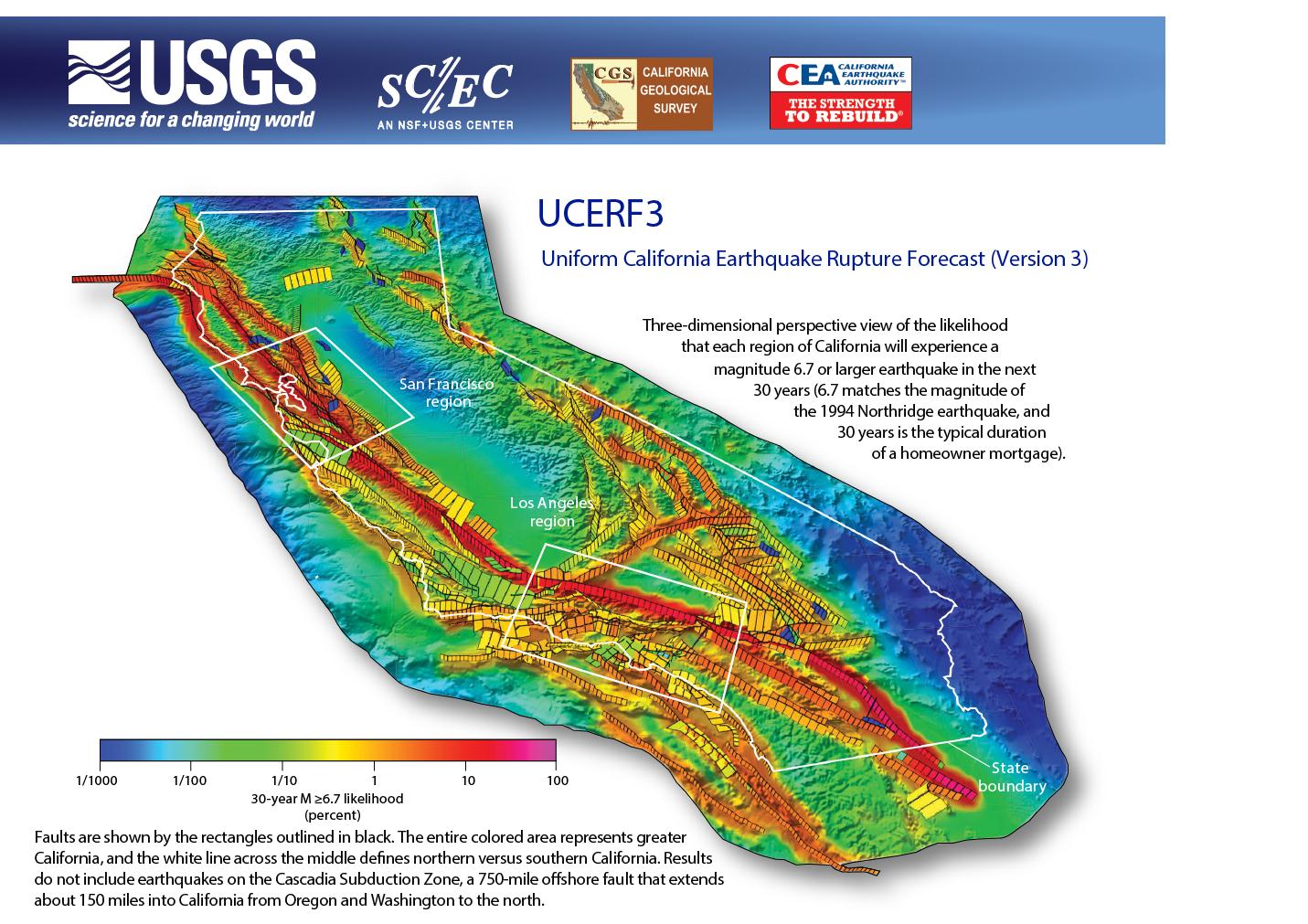
California is crisscrossed by numerous fault lines, with the San Andreas Fault being the most significant. This massive crack in the Earth’s crust stretches for over 800 miles, from near Cape Mendocino in the north to the Salton Sea in the south. Movement along this fault can trigger earthquakes of varying magnitudes. Other important fault systems include the Hayward Fault in the San Francisco Bay Area and the Garlock Fault north of Los Angeles. Plate tectonics dictates the constant, slow movement of these massive lithospheric plates, building up stress that is eventually released as seismic energy.
Probabilistic Forecasting and the “Big One”
Seismologists employ probabilistic forecasting to estimate the likelihood of earthquakes occurring within a specific region and timeframe. These forecasts are based on historical earthquake data, geological studies of fault slip rates, and analyses of strain accumulation. The term “The Big One” often refers to a hypothetical, large-magnitude earthquake (typically magnitude 7.8 or higher) that is expected to rupture a significant segment of the San Andreas Fault. While the precise timing is unknown, scientific consensus suggests that such an event is inevitable. Studies by the United States Geological Survey (USGS) and other research institutions provide estimates for the probability of major earthquakes hitting different regions of California within the next few decades. For instance, the southern San Andreas Fault is considered a high-priority area for a major rupture.
Advances in Earthquake Monitoring
While immediate prediction remains elusive, advancements in earthquake monitoring have greatly improved our ability to detect and understand seismic events as they happen. Dense networks of seismometers across California allow scientists to rapidly detect an earthquake’s initial waves. This information can be used for early warning systems, providing precious seconds or minutes of notice before stronger shaking arrives in more distant areas. Technologies like GPS and strainmeters also help monitor the subtle deformation of the Earth’s crust, providing insights into stress buildup along fault lines. These tools are critical for research and for improving our overall understanding of seismic hazards.
Potential Impacts of a Major California Earthquake
The implications of a large earthquake in California extend far beyond the immediate shaking. The scale of destruction, economic disruption, and societal challenges would be immense, affecting millions of people and impacting a significant portion of the national economy.
Infrastructure and Structural Damage
Major earthquakes can cause catastrophic damage to buildings, bridges, highways, and utilities. Older structures, particularly those not built to modern seismic codes, are most vulnerable. Liquefaction, a process where saturated soil temporarily loses strength and acts like a liquid during shaking, can cause buildings to sink or tilt, especially in areas with high water tables like parts of Los Angeles and the San Francisco Bay Area. The failure of lifelines – water, sewer, gas, and electrical systems – can cripple communities and hinder emergency response efforts. Bridges collapsing, highways buckling, and widespread power outages are all realistic scenarios.
Human Impact and Emergency Response
The human toll from a major earthquake could be significant, with potential for widespread injuries and fatalities. Overcrowded urban areas and densely populated coastal cities like San Diego are particularly at risk. Emergency services, including hospitals, fire departments, and law enforcement, would be severely strained. Access to clean water, food, and shelter would become critical needs for a displaced population. Communication networks could be disrupted, making it difficult for people to contact loved ones or for authorities to coordinate relief efforts.
Economic and Social Disruption
California is a global economic powerhouse, and a major earthquake would have profound economic consequences. The cost of repair and rebuilding could run into hundreds of billions of dollars. Business operations would be halted, supply chains disrupted, and the tourism industry, a vital part of the state’s economy, would face significant setbacks. The social fabric of affected communities could be strained, with long-term recovery and resilience becoming paramount.
Preparing for the Inevitable: Personal and Community Strategies
While the timing of the next “Big One” is uncertain, preparedness is key to mitigating its impact. Individuals, families, and communities in California can take proactive steps to enhance their safety and resilience.
Personal Preparedness: The “Drop, Cover, Hold On” Mantra
The most fundamental advice for earthquake safety is to practice the “Drop, Cover, and Hold On” technique. During shaking:
- Drop to the ground.
- Cover your head and neck with your arms and crawl under a sturdy table or desk. If no shelter is available, move to an interior wall and cover your head and neck.
- Hold On to your shelter until the shaking stops.
Beyond this immediate action, individuals should assemble emergency kits containing essential supplies like water, non-perishable food, a first-aid kit, medications, a flashlight, batteries, and a multi-tool. Securing heavy furniture and water heaters in homes can prevent them from toppling during an earthquake. Developing a family communication plan is also vital, designating an out-of-state contact person who family members can check in with if local communication lines are down.
Community Resilience and Infrastructure Hardening
Preparedness is not solely an individual responsibility; it extends to community-level initiatives. Local governments and emergency management agencies play a crucial role in developing and practicing earthquake response plans. This includes ensuring that critical infrastructure, such as hospitals and emergency centers, are seismically retrofitted and equipped. Public awareness campaigns are essential to educate residents about earthquake risks and preparedness measures. Encouraging businesses to develop continuity plans and supporting initiatives that strengthen community bonds can enhance overall resilience. For those planning a visit, understanding the local preparedness efforts and knowing where designated shelters are located can provide an added layer of security.
Understanding Building Codes and Seismic Retrofitting
California has some of the strictest building codes in the world, designed to ensure new construction can withstand seismic forces. However, a significant portion of existing structures were built before these modern standards were in place. Seismic retrofitting, the process of strengthening older buildings to improve their earthquake resistance, is a critical undertaking. Homeowners can explore options for retrofitting their homes, such as reinforcing foundations, strengthening cripple walls, and installing flexible utility connections. Apartment dwellers and those living in older multi-unit buildings should inquire about their building’s seismic safety features and any ongoing retrofitting efforts.
Planning Your California Adventures with Seismic Awareness
The allure of California – from the vibrant energy of San Francisco to the sun-drenched beaches of Southern California – continues to draw millions of visitors each year. While the prospect of an earthquake is a natural concern, it need not deter exploration. By incorporating seismic awareness into travel plans, visitors can enjoy their experiences while also being prepared.
Choosing Accommodation Wisely
When booking accommodations, whether it’s a luxury resort in Napa Valley, a boutique hotel in West Hollywood, or a vacation rental near Disneyland, consider the building’s age and seismic retrofitting. Many modern hotels and resorts in California are built to stringent seismic standards. However, it’s always prudent to inquire about a property’s earthquake preparedness, such as the availability of emergency information for guests and the location of emergency exits. Familiarizing yourself with the hotel’s safety procedures upon arrival is a wise step.
Navigating California’s Landscape Safely
Exploring California offers an endless array of experiences, from hiking in the Redwood National and State Parks to exploring the museums of Los Angeles or enjoying the wine country of Sonoma. During your travels, be aware of your surroundings. In outdoor settings, identify potential hazards like falling rocks or trees. If you are visiting natural landmarks like Death Valley National Park or the Big Sur coastline, heed any posted warnings or advisories regarding geological instability. Knowing basic earthquake safety and having a plan can enhance peace of mind while you immerse yourself in the Golden State’s wonders.

Staying Informed and Connected
Before and during your trip to California, staying informed is paramount. Familiarize yourself with the latest seismic advisories from the USGS and local emergency management agencies. Many smartphones have built-in earthquake alert systems. Understanding the local emergency communication channels and having a plan for how to reconnect with travel companions if separated can be invaluable. By integrating preparedness into the travel experience, visitors can fully appreciate the beauty and excitement of California with an informed sense of security.
LifeOutOfTheBox is a participant in the Amazon Services LLC Associates Program, an affiliate advertising program designed to provide a means for sites to earn advertising fees by advertising and linking to Amazon.com. Amazon, the Amazon logo, AmazonSupply, and the AmazonSupply logo are trademarks of Amazon.com, Inc. or its affiliates. As an Amazon Associate we earn affiliate commissions from qualifying purchases.