
New Orleans, a city renowned for its vibrant culture, unparalleled cuisine, and rich history, has had the distinct honor of hosting the ultimate spectacle in American football, the Super Bowl, on multiple occasions. Each time the National Football League’s championship game has descended upon the Crescent City, it has been an event that reverberates far beyond the gridiron, infusing the metropolis with an electric atmosphere and showcasing its unique charms to a global audience. Understanding the history of these Super Bowl appearances provides a fascinating glimpse into how New Orleans has consistently risen to the challenge of hosting one of the world’s most watched sporting events, highlighting its enduring appeal as a premier destination for major gatherings and its capacity to deliver an unforgettable experience for fans, players, and visitors alike.
A History of Gridiron Glory in the Big Easy
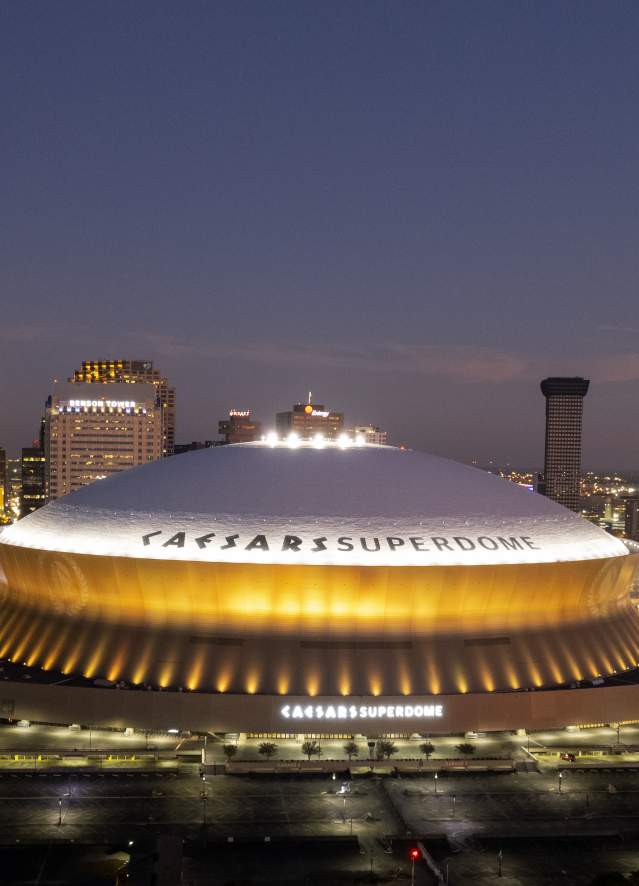
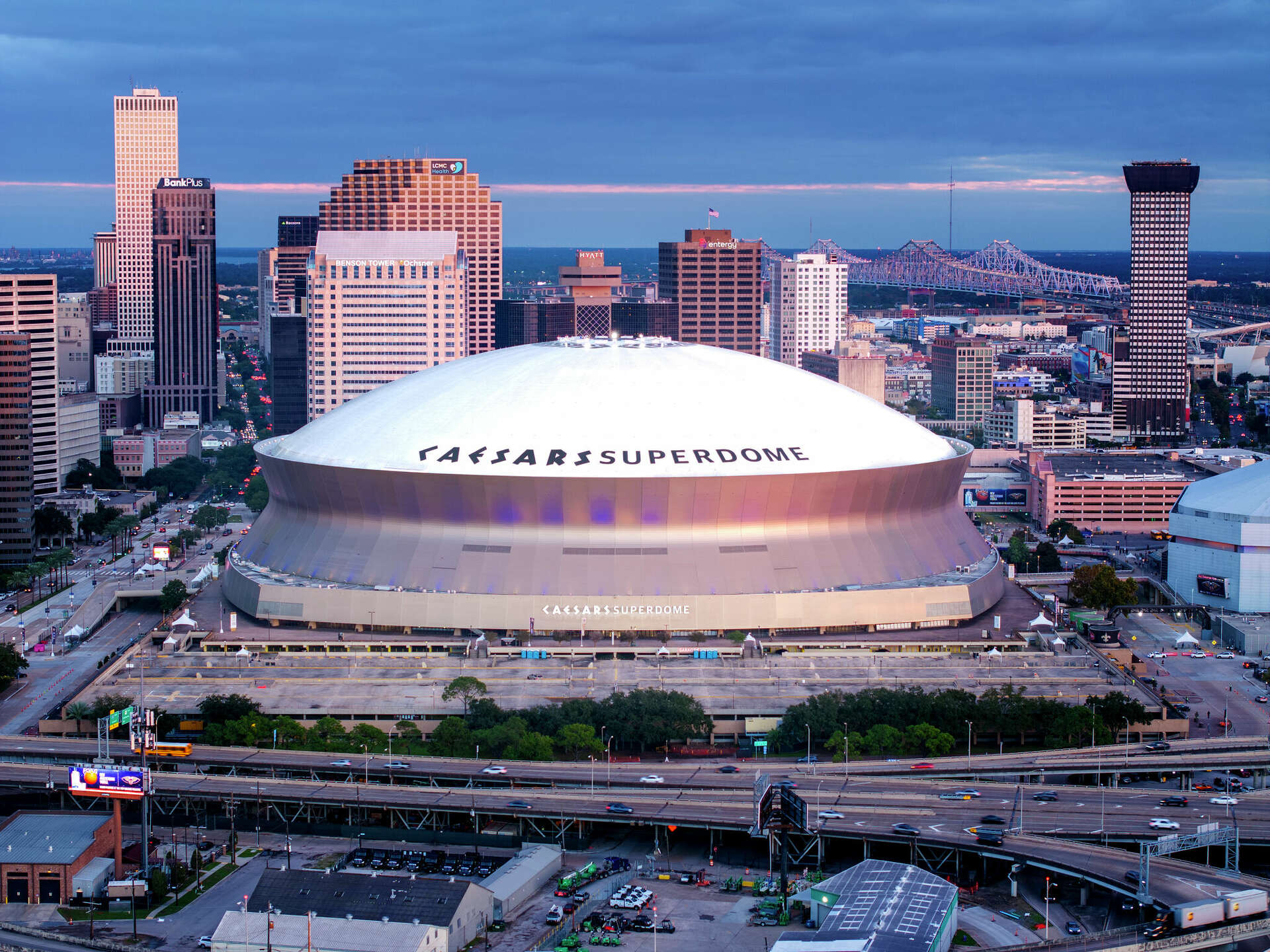
The allure of New Orleans as a Super Bowl host city is rooted in its infrastructure, its unparalleled hospitality, and its deep connection to American culture. The Mercedes-Benz Superdome, a landmark of architectural innovation and a symbol of the city’s resilience, has served as the hallowed ground for many of these championship contests. Its capacity and state-of-the-art facilities make it an ideal venue for an event of this magnitude, capable of accommodating tens of thousands of passionate fans and the complex logistical demands of the game. Beyond the stadium’s walls, the city’s inherent spirit of celebration, its world-class dining scene, and its vibrant music and arts landscape provide a captivating backdrop, transforming the Super Bowl into a multifaceted cultural festival.
The Inaugural New Orleans Super Bowl
The first Super Bowl to grace the shores of New Orleans was Super Bowl IV, played on January 11, 1970. This historic contest pitted the Kansas City Chiefs of the American Football League against the Minnesota Vikings of the National Football League. The game, held at Tulane Stadium (which has since been demolished), saw the Chiefs emerge victorious with a score of 23-7, marking a significant achievement for the AFL in the nascent years of the Super Bowl as a unified championship. This initial foray into hosting the NFL’s pinnacle event set the stage for future Super Bowls and cemented New Orleans’ reputation as a capable and enthusiastic host city. The city’s Mardi Gras-like atmosphere undoubtedly contributed to the festive environment surrounding the game, offering a preview of the unique fan experience that would become synonymous with Super Bowls in the Crescent City.
A String of Super Bowl Appearances
Since that inaugural event, New Orleans has hosted the Super Bowl an impressive number of times, solidifying its status as one of the most frequent and celebrated venues for the championship. The city’s consistent ability to provide an exceptional experience for the NFL, its teams, and its fans has led to its selection time and again.
-
Super Bowl VI (1972): Played on January 16, 1972, at Tulane Stadium. This game featured the Dallas Cowboys defeating the Miami Dolphins 24-3. It was the first Super Bowl played in January in New Orleans.
-
Super Bowl IX (1975): Held on January 12, 1975, at Tulane Stadium. The Pittsburgh Steelers claimed their first Super Bowl title by defeating the Minnesota Vikings 16-6.
-
Super Bowl XII (1978): This Super Bowl took place on January 15, 1978, marking the first time the game was held in the newly opened Louisiana Superdome. The Dallas Cowboys secured another victory, beating the Denver Broncos 27-10. The advent of the Superdome brought a new era of Super Bowl hosting to the city, offering a modern, climate-controlled environment.
-
Super Bowl XV (1981): Played on January 25, 1981, in the Louisiana Superdome. The Oakland Raiders defeated the Philadelphia Eagles 27-10.

-
Super Bowl XX (1986): This highly anticipated game was held on January 26, 1986, in the Louisiana Superdome. The dominant Chicago Bears delivered a resounding performance, crushing the New England Patriots 46-10 in what is often remembered as one of the most lopsided Super Bowl victories.
-
Super Bowl XXXI (1997): On January 26, 1997, the Louisiana Superdome hosted another championship clash. The Green Bay Packers defeated the New England Patriots 35-21, with [Brett Favre](https://lifeoutofthebox.com/brett- Favre) earning MVP honors.
-
Super Bowl XXXVI (2002): This Super Bowl took place on February 3, 2002, in the Louisiana Superdome. In a thrilling upset, the New England Patriots, led by a young Tom Brady, defeated the heavily favored St. Louis Rams 20-17 with a last-second field goal.
-
Super Bowl XLVII (2013): The most recent Super Bowl hosted by New Orleans was Super Bowl XLVII, held on February 3, 2013, in the newly renovated Mercedes-Benz Superdome. The game featured a unique matchup between brothers John Harbaugh (head coach of the Baltimore Ravens) and Jim Harbaugh (head coach of the San Francisco 49ers). The Baltimore Ravens ultimately triumphed 34-31 in a game famously interrupted by a power outage in the stadium, an event that has become part of Super Bowl lore.
The Super Bowl Experience in New Orleans
Hosting the Super Bowl is not merely about providing a venue for a football game; it is about immersing attendees in the distinctive culture and spirit of New Orleans. The city’s reputation for unparalleled hospitality ensures that visitors, from the participating teams to the legions of fans, are treated to an authentic and memorable experience. The Super Bowl week in New Orleans transforms the city into a hub of activity.
Culinary Delights and Musical Rhythms
The gastronomic landscape of New Orleans is world-renowned, and Super Bowl visitors have the opportunity to indulge in its iconic dishes. From classic Gumbo and Jambalaya to fresh seafood and the beloved Beignets at Café Du Monde, the culinary offerings are as diverse as they are delicious. The city’s vibrant music scene, particularly its strong ties to Jazz, provides a constant soundtrack to the festivities. Venues across the city, from the iconic French Quarter to the intimate clubs of Frenchmen Street, pulse with live music, offering a perfect complement to the excitement of the game.
City-Wide Celebrations and Attractions
Beyond the confines of the Mercedes-Benz Superdome, New Orleans embraces the Super Bowl with city-wide celebrations. Fan villages, official NFL events, and local festivals spring up, offering entertainment, interactive experiences, and opportunities to soak in the unique New Orleans ambiance. The city’s historic architecture, its charming streetcar lines, and its picturesque neighborhoods, such as the Garden District, provide endless opportunities for exploration and sightseeing. The nearby Mississippi River also offers scenic cruises and a different perspective of the city’s beauty. Visitors can take tours of historic cemeteries, explore museums dedicated to the region’s rich history and art, or simply wander through the vibrant streets, absorbing the infectious energy of the city.
Looking Ahead: Future Super Bowl Prospects
The enduring success of New Orleans as a Super Bowl host city is a testament to its capabilities and its unwavering appeal. The Mercedes-Benz Superdome remains a premier venue, and the city’s infrastructure and hospitality services are well-equipped to handle the demands of such a large-scale event. The passionate embrace of the game by the local community, coupled with the city’s unique cultural assets, creates an atmosphere that is unmatched by any other potential host. While specific future dates are subject to the NFL’s scheduling, the city’s track record and its commitment to excellence make it a perennial contender for hosting future Super Bowls, promising more memorable moments and another spectacular showcase of all that makes New Orleans a truly extraordinary destination.
LifeOutOfTheBox is a participant in the Amazon Services LLC Associates Program, an affiliate advertising program designed to provide a means for sites to earn advertising fees by advertising and linking to Amazon.com. Amazon, the Amazon logo, AmazonSupply, and the AmazonSupply logo are trademarks of Amazon.com, Inc. or its affiliates. As an Amazon Associate we earn affiliate commissions from qualifying purchases.