
When discussing the rich tapestry of Chicago’s vibrant sporting scene, the Chicago Cubs occupy a special place. Their storied history, the iconic ivy-covered walls of Wrigley Field, and the passionate fanbase all contribute to an enduring legacy. Beyond the players and the hallowed grounds, the strategic mind guiding the team is paramount to their success. While the question “Who Is The Chicago Cubs Coach?” might seem straightforward, delving into the roles and responsibilities within a Major League Baseball organization reveals a nuanced picture of leadership and expertise. The primary figure often referred to as “the coach” is, in fact, the Manager, a position that carries immense weight in shaping team performance, player development, and overall strategy.
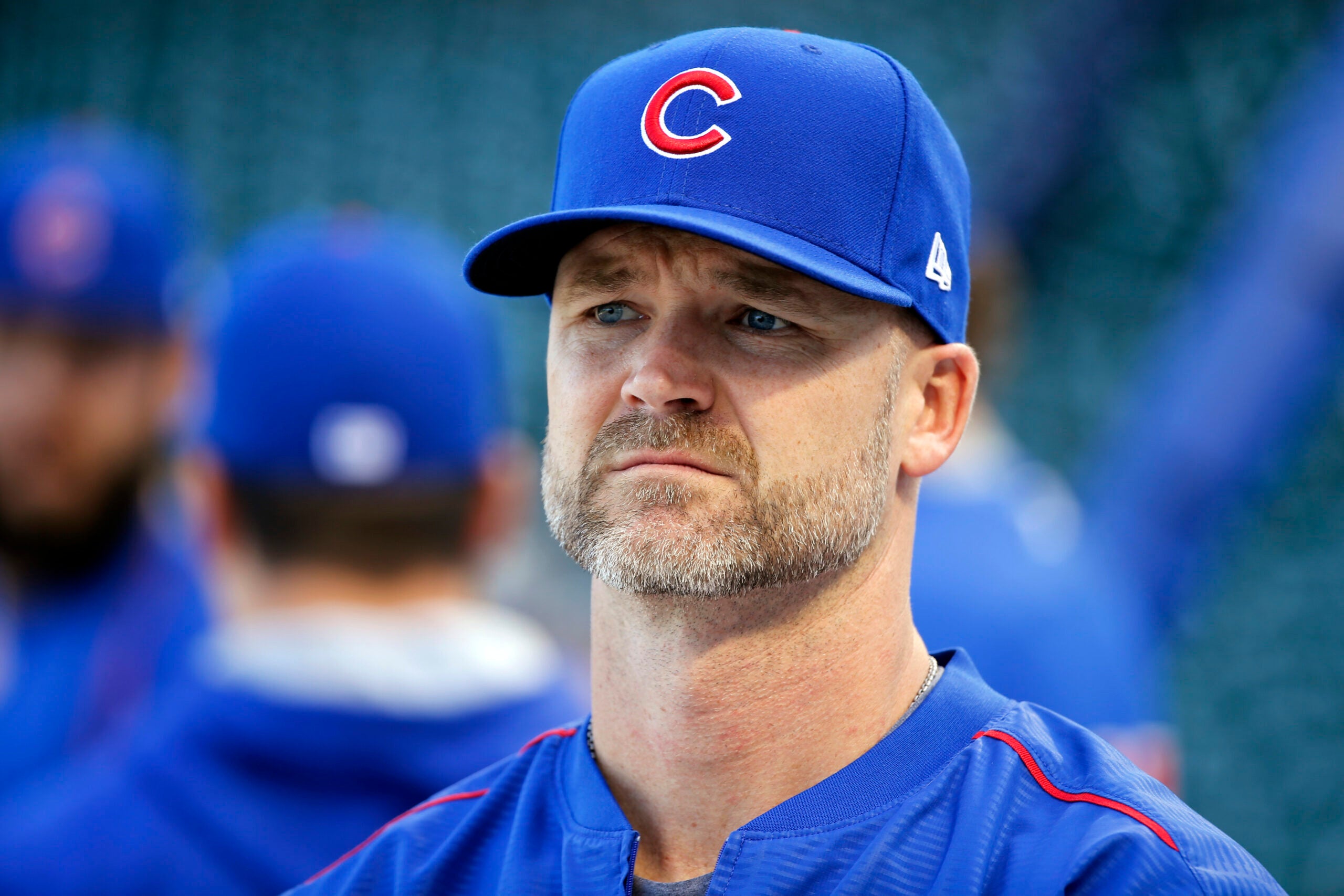
The Manager: The Captain of the Dugout
The Manager of the Chicago Cubs is the individual entrusted with the ultimate on-field decision-making authority. This role transcends that of a traditional coach; it’s a blend of strategist, motivator, and disciplinarian. The Manager is responsible for setting the lineup, making in-game pitching changes, calling for defensive shifts, and managing the overall morale and cohesion of the clubhouse. Their influence extends far beyond the nine innings of a single game, encompassing the long-term vision for the team and its players.
Strategic Decision-Making on Game Day
The Manager’s most visible contributions occur during games. Every decision, from when to pinch-hit to when to bring in a reliever, is scrutinized by fans, media, and the organization. Modern baseball analytics plays an increasingly significant role, and a successful Manager must be adept at integrating statistical insights with their own intuition and experience. This involves understanding player matchups, recognizing opposing tendencies, and making calculated risks to gain an advantage. The pressure to perform is immense, as a single wrong move can have ripple effects throughout the game and even the season.
Player Development and Management
Beyond day-to-day game management, the Manager is a key figure in player development. They work closely with coaches to identify areas where individual players need to improve, both technically and mentally. Building trust and rapport with each player is crucial. The Manager must understand each player’s strengths and weaknesses, their psychological makeup, and how to best utilize their talents. This involves creating an environment where players feel supported, challenged, and motivated to reach their full potential. Managing personalities and egos within a professional sports team is a significant aspect of the role, requiring strong interpersonal skills and a deep understanding of human psychology.
The Managerial Staff and Their Roles
While the Manager is the public face of leadership, they are supported by a dedicated team of coaches, each specializing in a particular aspect of the game. This coaching staff is integral to the Manager’s success, providing specialized instruction and support to the players.
The Hitting Coach
The Hitting Coach focuses on improving the offensive capabilities of the team. This involves analyzing swings, developing batting approaches, and implementing drills to enhance power, contact, and situational hitting. They work with hitters to identify their strengths and weaknesses, develop game plans against opposing pitchers, and instill confidence at the plate.
The Pitching Coach
The Pitching Coach is responsible for the development and performance of the team’s pitching staff. This includes working on mechanics, pitch selection, velocity, control, and mental preparation. They collaborate with the Manager on bullpen management, identifying matchups, and ensuring pitchers are physically and mentally ready to perform.
The Bench Coach
The Bench Coach often serves as the Manager’s right-hand person. They are typically involved in game planning, scouting opponents, and relaying information from the dugout to players. The Bench Coach is often the liaison between the Manager and the players, ensuring communication is clear and effective.

The Third Base Coach and First Base Coach
These coaches have distinct on-field responsibilities during games. The Third Base Coach is responsible for making decisions on runners advancing to home plate, often balancing the desire to score with the risk of an out. The First Base Coach assists runners in advancing and provides feedback on plays involving the first baseman.
Other Specialized Coaches
Depending on the team’s structure, there may also be specialized coaches for areas like baserunning, infield play, and outfield play, further contributing to the comprehensive development of the roster.
The Coaching Philosophy of the Chicago Cubs
The managerial position within any Major League Baseball team, and certainly for a franchise as storied as the Chicago Cubs, is deeply intertwined with a particular coaching philosophy. This philosophy shapes the team’s approach to the game, its culture, and its strategic direction. Historically, the Cubs have often sought managers who embody a strong work ethic, a deep understanding of baseball fundamentals, and the ability to connect with players on a personal level.
Evolution of Managerial Styles
Over the years, the role of the Manager has evolved. While old-school managers relied heavily on intuition and experience, modern managers are increasingly incorporating data analytics and sports science into their decision-making. The ideal manager today often possesses a blend of these approaches, understanding the value of advanced metrics while still valuing the human element of the game. This adaptability is crucial in a sport that is constantly innovating.
Building a Winning Culture
A significant aspect of a Manager’s success lies in their ability to cultivate a winning culture within the clubhouse. This involves fostering teamwork, accountability, and a shared commitment to excellence. A strong leader can inspire players to perform at their best, even during challenging times, and instill a belief in the team’s ability to achieve its goals. This culture is not built overnight; it is a continuous process of reinforcement and development.
Navigating the Chicago Baseball Landscape
For fans and those interested in the tourism and lifestyle aspects of Chicago, understanding the coaching structure of the Chicago Cubs adds another layer of appreciation for the sport. Knowing who is at the helm, and the philosophy they bring, can influence how one perceives the team’s performance and its place within the broader context of Chicago’s rich sporting heritage.
The Impact on Fan Experience
The Manager and their coaching staff can significantly impact the fan experience. A team that plays with passion, discipline, and strategic acumen is more enjoyable to watch. The ebb and flow of a season, dictated in part by managerial decisions, creates narratives that fans follow closely. Whether it’s celebrating a hard-fought victory or dissecting a tough loss, the leadership in the dugout is a central element of the fan engagement.

The Manager as a Public Figure
The Manager of the Chicago Cubs is not just an internal figure; they are a public face of the organization. They interact with the media, represent the team in public forums, and often become recognizable personalities in their own right. Their demeanor, communication style, and public perception can influence how the team is viewed by the city and beyond. This public role requires a level of composure and professionalism that goes beyond the technical aspects of baseball.
In conclusion, the question of “Who Is The Chicago Cubs Coach?” leads us to the multifaceted role of the Manager and the indispensable support of their coaching staff. They are the architects of strategy, the mentors of talent, and the custodians of team culture, all contributing to the enduring allure of the Chicago Cubs and their pursuit of baseball glory. The dynamic interplay between the Manager, coaches, and players is a core component of the captivating drama that unfolds on the diamond at Wrigley Field and across the league.
LifeOutOfTheBox is a participant in the Amazon Services LLC Associates Program, an affiliate advertising program designed to provide a means for sites to earn advertising fees by advertising and linking to Amazon.com. Amazon, the Amazon logo, AmazonSupply, and the AmazonSupply logo are trademarks of Amazon.com, Inc. or its affiliates. As an Amazon Associate we earn affiliate commissions from qualifying purchases.