
Understanding the Purity of New York City’s Water Supply
For many travelers arriving in the bustling metropolis of New York City, immediate concerns often revolve around basic necessities, and water is paramount. The question, “Can I drink the tap water in New York?” is a common one, especially for those accustomed to purchasing bottled water at home or while abroad. The good news for visitors is that the tap water in New York City is not only safe to drink but is also renowned for its exceptional quality, often surpassing that of many commercially bottled options. This perception is rooted in a robust and well-maintained public water system that prioritizes the health and well-being of its residents and millions of annual visitors.
The New York City Department of Environmental Protection (DEP) is responsible for managing an intricate network that supplies an astounding average of 1.3 billion gallons of water daily to the five boroughs and a portion of Putnam County. This water is sourced from a vast watershed located upstate, spanning over 2,000 square miles across Delaware County, Schoharie County, and Ulster County. The upstate location of these reservoirs is a critical factor in the water’s natural purity. The Catskill Mountains and Delaware River watershed, in particular, is largely undeveloped, characterized by forests, mountains, and pristine lakes. This natural environment acts as a powerful filtration system, minimizing the need for extensive chemical treatments that are often required in more industrialized regions.
The Journey from Source to Tap: A Testament to Engineering and Purity
The journey of New York City’s water from its upstate sources to the taps of Manhattan, Brooklyn, Queens, the Bronx, and Staten Island is a marvel of engineering and environmental stewardship. The primary sources are the Catskill/Delaware Watershed and the Croton Watershed. The Catskill/Delaware system is the largest and provides the highest quality water, contributing approximately 90% of the city’s supply. This system relies on a series of reservoirs, including the Ashokan Reservoir, Kensico Reservoir, and Rondout Reservoir.
The water travels through a sophisticated aqueduct system, the Catskill Aqueduct and the Delaware Aqueduct, which are engineering feats in themselves, some dating back over a century. These aqueducts are largely unlined tunnels bored deep into the bedrock, which helps to maintain the water’s pristine quality by preventing contamination and the introduction of impurities. Once the water reaches the city, it undergoes rigorous testing and monitoring by the DEP. While the upstate watershed is managed to preserve its natural purity, the water is disinfected with chlorine and ultraviolet light to neutralize any potential harmful microorganisms. This multi-barrier approach ensures that the water delivered to your hotel room at the Plaza Hotel or your Airbnb in the West Village is safe and refreshing.
Stringent Testing and Quality Control
The commitment to water quality in New York City is not merely a matter of public relations; it is backed by a comprehensive testing regimen. The DEP conducts tens of thousands of tests annually at various points along the journey from the reservoirs to consumers’ taps. These tests analyze for a wide range of potential contaminants, including bacteria, viruses, heavy metals, and other chemical substances. The results of these tests are publicly available, demonstrating a transparency that builds confidence in the water supply. The city’s water consistently meets or exceeds federal and state drinking water standards, a benchmark that many bottled water brands struggle to maintain. This meticulous attention to detail ensures that every glass of tap water consumed in New York is a testament to the city’s dedication to public health.
Dispelling Myths and Embracing Sustainability
For many travelers, the reliance on bottled water is a habit formed by necessity in regions where tap water quality is questionable. However, in New York City, this habit not only is unnecessary but also carries a significant environmental footprint. The production, transportation, and disposal of plastic water bottles contribute to pollution, greenhouse gas emissions, and landfill waste. By choosing to drink tap water, visitors can make a conscious and simple choice to support a more sustainable travel experience. This aligns with New York’s broader initiatives towards environmental responsibility and green tourism, a growing trend among conscious travelers exploring iconic landmarks like the Statue of Liberty or the Empire State Building.
The perception of tap water as inferior is often a lingering misconception. In reality, the taste of New York City tap water is generally clean and crisp, with minimal chlorine presence, thanks to the natural filtration of the upstate watershed and the efficient treatment processes. Some visitors might notice subtle differences in taste due to the mineral content, which varies slightly depending on the specific reservoir the water is drawn from at any given time. However, these variations are minor and do not compromise the safety or potability of the water. For those who prefer a cooler temperature, simply ask your server at a restaurant in Times Square for a glass of tap water with ice, or utilize the ice machines in your hotel room at properties like the Marriott Marquis.

The Environmental Imperative: Choosing Tap Over Bottled
The decision to drink tap water in New York is a small but impactful way to reduce your personal environmental footprint during your visit. Consider the lifecycle of a single-use plastic water bottle: it begins with the extraction of fossil fuels, proceeds through energy-intensive manufacturing, requires transportation to distribution centers and then to retail locations, and finally, after a brief period of use, often ends up in a landfill or, worse, polluting our oceans and landscapes.
According to the Environmental Protection Agency (EPA), the production of bottled water often uses more water than is contained within the bottle itself. Furthermore, the energy required to produce and transport bottled water can result in a carbon footprint significantly higher than that of tap water. By opting for tap water, you are directly contributing to the reduction of plastic waste and the conservation of natural resources. This eco-conscious choice is increasingly important for travelers who wish to minimize their impact on the destinations they explore, from the concrete jungle of Manhattan to the natural beauty of Central Park.
Reusable Bottles: A Traveler’s Best Friend
To further enhance the sustainability of your trip, consider packing a reusable water bottle. Most establishments in New York City, including cafes, restaurants, and public facilities, offer access to tap water. Many hotels also provide water refill stations or encourage guests to use their in-room faucets. Carrying a reusable bottle not only saves you money on purchasing bottled water but also significantly cuts down on single-use plastic waste. It’s a simple yet effective strategy for responsible travel, allowing you to stay hydrated throughout your explorations, whether you’re walking across the Brooklyn Bridge or exploring the galleries of the Metropolitan Museum of Art.
Practical Advice for the Discerning Traveler
While the safety and quality of New York City tap water are well-established, a few practical tips can enhance the experience for visitors. In most hotels and restaurants, when you order water, you will likely be served bottled water by default. To ensure you receive tap water, simply specify your preference. For example, you can say, “I’d like tap water, please,” or “Could I have a glass of tap water?” This straightforward request is usually met without issue.
If you are concerned about the taste or simply prefer filtered water, many establishments offer filtered tap water as an option. Some hotels may also have water filtration systems in rooms or communal areas. Another excellent option is to carry a portable water filter or a water bottle with an integrated filter, which can provide an extra layer of assurance and enhance the taste if you have a particularly sensitive palate. This approach allows you to enjoy the benefits of tap water while catering to personal preferences.
Navigating Restaurants and Hotels
When dining out, don’t hesitate to ask for tap water. Most servers are accustomed to this request and will be happy to comply. If you’re at a more upscale restaurant, they may offer both still and sparkling bottled water alongside tap water. Making your preference clear from the outset will ensure you receive what you desire. Many establishments are increasingly aware of the environmental impact of bottled water and are happy to accommodate requests for tap water. This conscious effort by travelers can subtly influence industry practices towards greater sustainability.
In hotels, the convenience of in-room refrigerators stocked with bottled water can be tempting. However, remember that your room’s faucet dispenses the same high-quality water that is distributed throughout the city. If you’re staying in a suite or apartment-style accommodation, you will likely have a kitchen faucet, which also provides potable tap water. If the water pressure or temperature isn’t to your liking immediately, let it run for a moment to achieve your desired coolness. This simple act of running the water can also help to flush out any stagnant water that may have been sitting in the pipes.

Public Water Fountains and Refill Stations
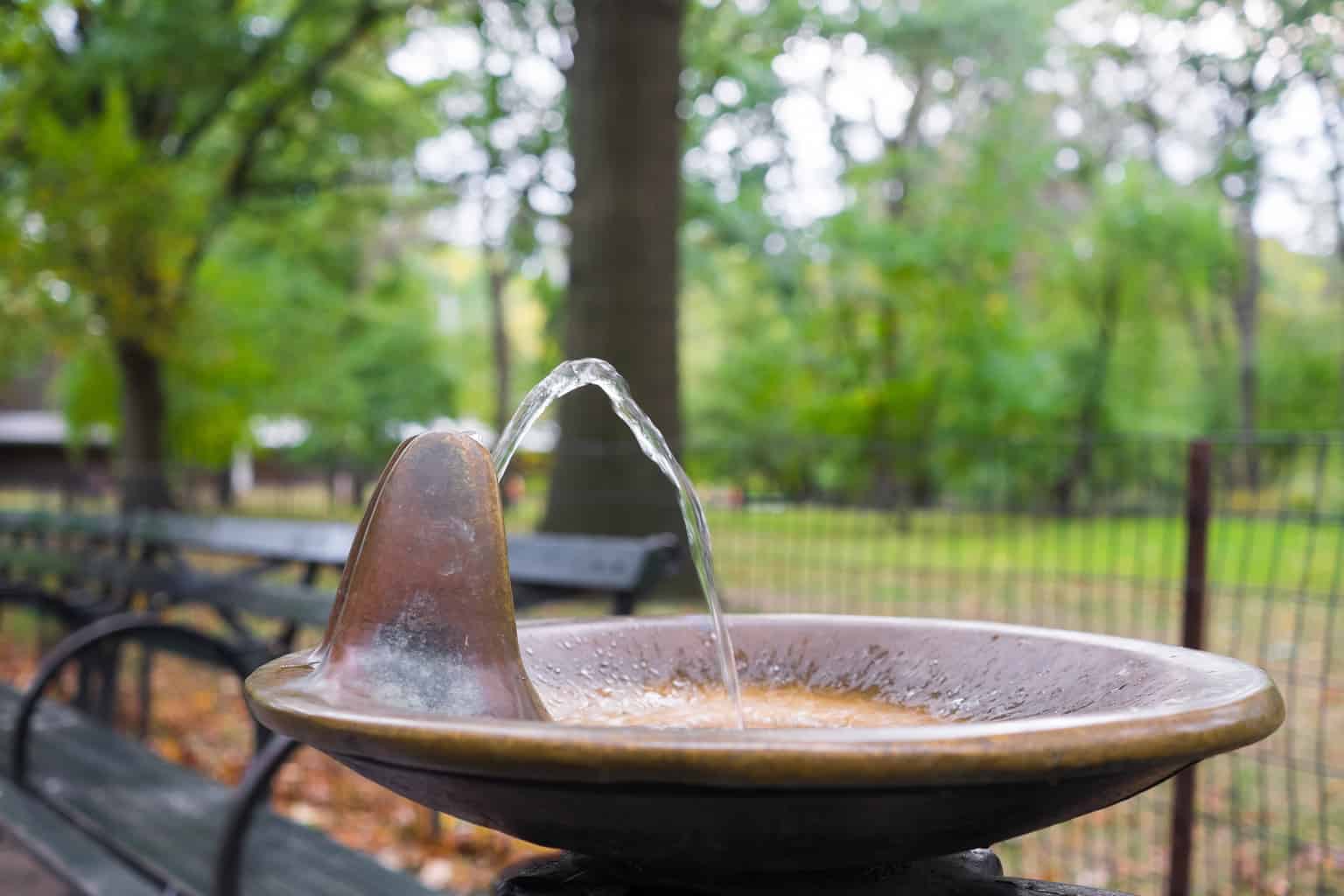
New York City is equipped with numerous public water fountains, particularly in parks and around major tourist attractions. These fountains provide a readily accessible and free source of drinking water, further encouraging the use of reusable bottles. While many older fountains are still in operation, the city has been updating and installing new, modern fountains that often include bottle-filling spouts. Keeping an eye out for these facilities can help you stay hydrated throughout your day of sightseeing, from exploring the High Line to visiting the American Museum of Natural History. Embracing the tap water in New York is not just a practical decision; it’s a smart, sustainable, and refreshing choice for any traveler.
LifeOutOfTheBox is a participant in the Amazon Services LLC Associates Program, an affiliate advertising program designed to provide a means for sites to earn advertising fees by advertising and linking to Amazon.com. Amazon, the Amazon logo, AmazonSupply, and the AmazonSupply logo are trademarks of Amazon.com, Inc. or its affiliates. As an Amazon Associate we earn affiliate commissions from qualifying purchases.