
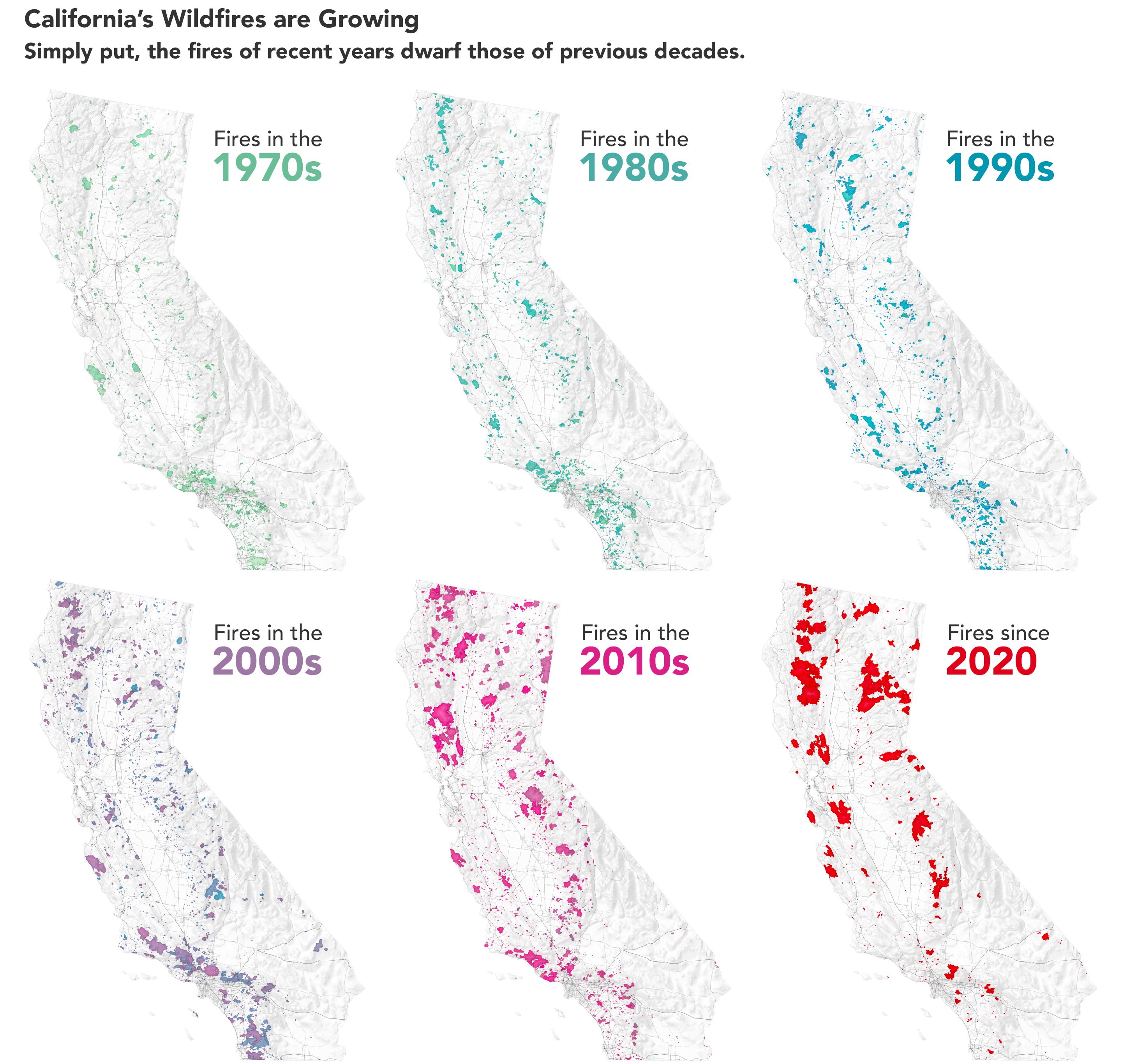
California, a land of unparalleled natural beauty, iconic cities like San Francisco and Los Angeles, and world-renowned attractions, has long been a dream destination for travelers worldwide. From the majestic redwoods of Northern California to the sun-drenched beaches of the south, the Golden State offers an incredible array of experiences. However, in recent years, the escalating frequency and intensity of wildfires have introduced a complex layer of concern for both residents and prospective visitors. The question “Are California fires getting worse?” is not merely an environmental query; it’s a critical consideration for anyone planning to explore this vibrant state, reshaping travel patterns, risk assessments, and the very essence of a California getaway.
The Evolving Landscape of California Travel Amidst Wildfire Concerns
The perception of travel to California has undoubtedly shifted. What was once primarily a consideration of traffic and crowds now frequently includes a glance at fire maps and air quality reports. While catastrophic wildfires have always been a natural, albeit destructive, part of the state’s ecosystem, the current era sees them burning hotter, faster, and across larger areas, often encroaching upon populated regions and prime tourist destinations. This intensification can be attributed to a confluence of factors, including prolonged drought conditions exacerbated by climate change, historical forest management practices that led to fuel accumulation, and increased development in the wildland-urban interface.
For travelers, this evolving reality means that peak travel seasons, particularly late summer and fall, now overlap with what has become known as “fire season.” This necessitates a more proactive and informed approach to trip planning. Destinations previously considered idyllic and remote may now be at risk, or their accessibility might be compromised. The psychological impact on travelers is also significant, as the specter of fire can cast a shadow over what should be a carefree vacation. Understanding this new landscape is the first step in navigating travel to California responsibly and safely.
Understanding the Risk: What Travelers Need to Know
For travelers, knowledge is paramount when considering a trip to California. While the state is vast and not uniformly affected, understanding the nuances of wildfire risk is crucial for informed decision-making.
Fire Season Realities
Traditionally, California’s fire season began in late summer and extended through autumn, peaking with the onset of dry, Santa Ana or Diablo winds. However, climate change has effectively stretched this period, creating conditions where significant fires can erupt earlier in the summer and persist well into winter months, sometimes even year-round in drought-stricken areas. This expanded window means that popular travel times, such as summer vacations and fall foliage tours, are increasingly likely to coincide with active fire threats. Travelers planning trips during these months should remain hyper-aware of weather forecasts, drought conditions, and official alerts. Key agencies like CAL FIRE (the California Department of Forestry and Fire Protection) provide real-time updates that are invaluable resources.
Direct vs. Indirect Impacts on Travel
Wildfires can impact travel in both direct and indirect ways, and understanding the distinction helps travelers assess risk more accurately.
Direct Impacts
Direct impacts are often the most immediate and visible. These include the destruction of homes, businesses, and natural attractions. Road closures due to active fires, smoke, or damage can severely disrupt travel routes, making certain areas inaccessible. Evacuation orders, if issued for a traveler’s immediate vicinity, necessitate immediate departure, potentially leading to canceled accommodations, lost bookings, and emergency relocation. In extreme cases, wildfires can directly threaten lives and property, including hotels and resorts, as seen with incidents near Lake Tahoe or in wine country regions like Napa Valley and Sonoma County.
Indirect Impacts
Indirect impacts are often more widespread and can affect areas far from the immediate fire zone. The most common indirect effect is poor air quality due to smoke. Smoke plumes can travel hundreds of miles, causing hazy skies, reduced visibility, and significant health concerns, particularly for individuals with respiratory conditions. This can severely diminish the enjoyment of outdoor activities, from hiking in National Parks to exploring urban areas. Air quality alerts, often indicated by the Air Quality Index (AQI), become an essential tool for travelers. Furthermore, the psychological stress of being in or near a fire-affected region, even if not directly threatened, can detract from a relaxing vacation experience.
Navigating California Safely During Fire Season

Traveling to California during fire season is certainly possible and still incredibly rewarding, but it requires a heightened level of preparedness and flexibility.
Pre-Trip Planning and Research
Thorough research before departure is crucial. Travelers should:
- Monitor Fire Maps and Official Alerts: Regularly check websites like CAL FIRE Incidents, the National Interagency Fire Center (NIFC), and local emergency management agencies for real-time updates on active fires, containment levels, and evacuation orders.
- Check Air Quality Forecasts: Use resources like AirNow.gov to monitor air quality for planned destinations. Prolonged periods of unhealthy air quality might warrant adjusting itineraries or choosing indoor activities.
- Consider Travel Insurance: Purchase comprehensive travel insurance that covers cancellations, delays, or medical emergencies due to natural disasters. It’s vital to read the policy details carefully to understand what is covered.
- Flexible Bookings: Whenever possible, opt for refundable flights, accommodations, and tours. This provides the necessary flexibility to change plans if conditions worsen or if an area becomes unsafe.
On-the-Ground Preparedness
Once in California, staying informed and prepared is an ongoing responsibility.
- Stay Connected to Local News: Follow local news outlets, radio stations, and social media accounts for up-to-the-minute information specific to your location.
- Sign Up for Local Alerts: Many counties offer opt-in emergency alert systems that can notify you of evacuations or other critical information via text or phone call.
- Know Evacuation Routes: If staying in a wildland-urban interface area, familiarize yourself with primary and secondary evacuation routes.
- Carry an Emergency Kit: Keep a small emergency kit in your vehicle with essentials like water, non-perishable food, a first-aid kit, a flashlight, and N95 masks for smoke protection.
- Protect Your Health: If air quality is poor, limit strenuous outdoor activities and stay indoors with windows closed. Consider wearing an N95 mask outdoors if necessary.
Impact on Iconic California Destinations
Wildfires have had a profound and often heartbreaking impact on some of California’s most cherished destinations, altering the travel experience and demanding resilience from both the environment and local communities.
National Parks and Wilderness Areas
California’s magnificent National Parks and vast wilderness areas are frequently on the front lines of wildfire activity.
- Yosemite National Park: While the iconic Yosemite Valley is often spared direct flames, surrounding forests have burned, leading to park closures, road closures (like parts of Tioga Pass), and significant smoke intrusion that obscures the famous vistas of El Capitan and Half Dome, drastically impacting the visitor experience.
- Sequoia National Park and Kings Canyon National Park: These parks, home to ancient giant sequoia groves, have faced severe threats, with some groves experiencing devastating fire damage. This not only impacts the ecological landscape but also the historical and awe-inspiring draw for visitors.
- Big Sur: The dramatic coastline of Big Sur has seen numerous fires, leading to prolonged closures of Highway 1, the primary artery for exploring this picturesque region. Recovery can be slow, affecting access to popular spots like Pfeiffer Big Sur State Park and Julia Pfeiffer Burns State Park.
- Lake Tahoe: The Tahoe Basin has also been directly threatened, causing widespread evacuations and impacting the region’s vibrant outdoor tourism economy, from ski resorts to summer lake activities.
While these areas are resilient and committed to recovery, travelers should expect potential changes, including closed trails, altered landscapes, and restrictions during periods of high fire danger.
Coastal and Urban Areas
Even California’s bustling coastal cities and urban centers are not immune to the effects of wildfires. While rarely facing direct flame threats, they frequently experience the indirect impacts, primarily poor air quality. For instance, smoke from fires burning in the Sierra Nevada or coastal ranges can drift into San Francisco or Los Angeles, turning bright blue skies into an eerie orange haze. This significantly impacts outdoor activities—beach visits, city tours, and hiking in urban parks become less appealing, forcing travelers to seek indoor alternatives. Events may be canceled, and the general ambiance of a city can be dulled. The economic ripple effect can be felt by businesses relying on outdoor tourism and events.

The Future of Travel in the Golden State
Despite the challenges, California remains a captivating destination, and its tourism industry is actively adapting. The increased awareness surrounding wildfires has spurred greater investment in prevention, early detection systems, and sustainable land management practices. Travelers themselves are becoming more informed and responsible, often choosing to support local economies during recovery periods, understanding that safe travel is about responsible engagement.
The future of travel in California will undoubtedly involve a continued evolution in how visitors plan and experience the state. It will mean being more vigilant, flexible, and perhaps more appreciative of the efforts underway to protect California’s natural treasures. While the fires are indeed getting worse in terms of frequency and intensity, the spirit of adventure and the allure of the Golden State endure. With proper planning and an understanding of the risks, travelers can continue to safely explore the diverse landscapes and vibrant cultures that make California an unforgettable destination.
LifeOutOfTheBox is a participant in the Amazon Services LLC Associates Program, an affiliate advertising program designed to provide a means for sites to earn advertising fees by advertising and linking to Amazon.com. Amazon, the Amazon logo, AmazonSupply, and the AmazonSupply logo are trademarks of Amazon.com, Inc. or its affiliates. As an Amazon Associate we earn affiliate commissions from qualifying purchases.