
Understanding Buffalo’s Climate: A Traveler’s Essential
When planning a trip to Buffalo, New York, understanding its climate is paramount to ensuring a comfortable and enjoyable experience. Known for its proximity to the Great Lakes, particularly Lake Erie, Buffalo experiences distinct seasons, each with its own unique character and temperature profile. The city’s location also makes it susceptible to the phenomenon known as “lake-effect snow,” which can significantly impact temperature readings and overall weather conditions, especially during the winter months.
The question “How cold is it in Buffalo, New York right now?” is more than just a simple temperature query; it’s an inquiry into the broader atmospheric conditions that define a visit. This involves not only the ambient air temperature but also factors like wind chill, humidity, and the presence of precipitation. For a traveler, knowing these nuances can mean the difference between packing light for a crisp autumn stroll and preparing for a full-blown blizzard.
Seasonal Temperature Averages and Extremes
Buffalo’s weather is characterized by significant seasonal variation. Summers are typically warm and humid, with average temperatures in the low to mid-70s Fahrenheit (around 21-24°C). However, heatwaves can push temperatures into the 90s (above 32°C). Winters, on the other hand, are notoriously cold and snowy. Average January temperatures hover around 25°F (-4°C), but wind chills can make it feel much colder. Snowfall is abundant, with an average annual accumulation of over 95 inches. Spring and autumn offer more moderate temperatures, serving as transitional periods where weather can be unpredictable. For instance, a spring day might feel like winter one day and summer the next.
Winter: The Chill and the Snowfall
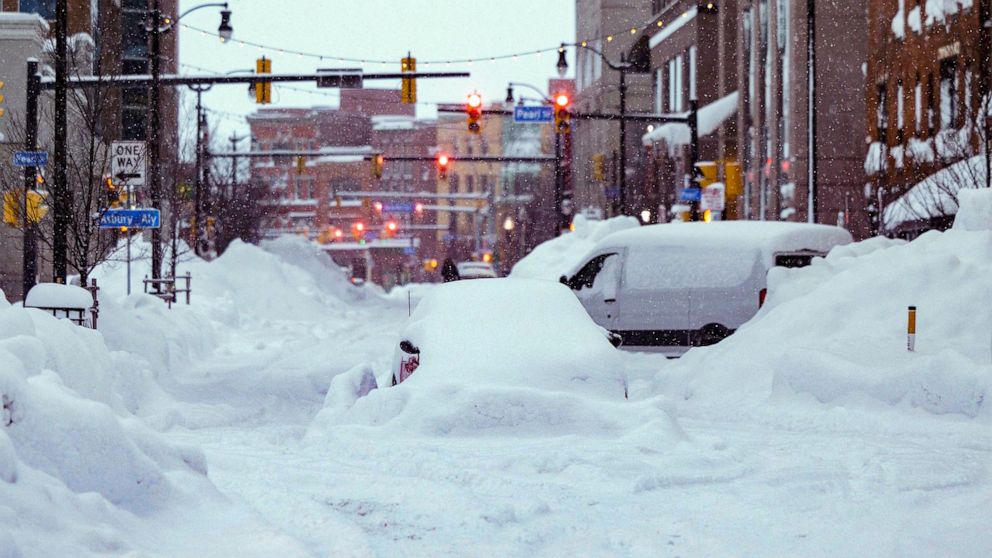
Winter in Buffalo is a defining aspect of its identity. The cold air masses originating from Canada often sweep across the Great Lakes, picking up moisture and depositing it as snow on the eastern shores. This phenomenon, lake-effect snow, is responsible for Buffalo’s reputation as a snow-belt city. Temperatures frequently dip below freezing, and prolonged periods of sub-zero (Fahrenheit) temperatures are not uncommon. Wind chill is a critical factor during these months, as it can significantly lower the perceived temperature, making outdoor activities hazardous without proper gear. When asking about the current temperature, considering the wind chill is essential for an accurate picture of how cold it truly is.
Spring and Autumn: Transitional Beauty and Variability
Spring in Buffalo begins to thaw the winter’s grip, with temperatures gradually rising from the 30s and 40s Fahrenheit (0-10°C) in March to the 60s and 70s Fahrenheit (15-24°C) by May. While it brings blooming flowers and longer daylight hours, spring can be unpredictable, with late snowfalls or cold snaps still possible. Similarly, autumn is a picturesque time, with vibrant foliage transforming the landscapes around Niagara Falls and throughout the region. Temperatures cool down from the 60s and 70s Fahrenheit (15-24°C) in September to the 30s and 40s Fahrenheit (0-10°C) in November. Travelers during these seasons should pack layers to adapt to fluctuating temperatures and potential rain showers.
Summer: Warmth and Humidity
Summers in Buffalo are generally pleasant and warm, making it an ideal time for outdoor exploration. July and August typically see average highs in the mid-70s Fahrenheit (around 24°C), with occasional heatwaves pushing temperatures into the uncomfortable 90s (above 32°C). Humidity levels can also rise during the summer, making the heat feel more intense. Thunderstorms are common during this season, often bringing brief but heavy rainfall.
Navigating Buffalo’s Weather for Your Visit
Understanding the current weather in Buffalo is vital for practical travel planning. It dictates everything from the clothing you’ll need to pack to the types of activities you can comfortably pursue. Beyond the immediate temperature, considering other meteorological factors can help you make informed decisions.
The Impact of Wind Chill
Wind chill is a crucial element when assessing how cold it feels, especially during Buffalo’s winters. It’s a measure of how cold the air feels to exposed skin, factoring in both the air temperature and the speed of the wind. A temperature of 20°F (-7°C) might feel like 0°F (-18°C) or even colder with a strong wind. For travelers, this means that even if the thermometer reads a seemingly manageable temperature, the wind can make it feel considerably more severe. Proper layering, including windproof outer garments, is essential for combating the effects of wind chill.
Precipitation: Snow, Rain, and Their Impact
Precipitation plays a significant role in Buffalo’s weather and its impact on travel. During winter, heavy snowfall, often exacerbated by lake-effect snow, can lead to travel disruptions, road closures, and necessitate adjustments to itineraries. While stunning to behold, significant snow accumulation requires preparedness. In other seasons, rain showers can be frequent, particularly during spring and summer thunderstorms. Packing a waterproof jacket and umbrella is always a prudent decision when visiting Buffalo at any time of year.
Preparing for Lake-Effect Snow
Lake-effect snow is a defining characteristic of Buffalo’s winter. It occurs when cold air masses move over the relatively warmer waters of Lake Erie. As the air passes over the lake, it picks up moisture and heat, then rises and cools as it reaches the land, causing heavy snow showers. These snow bands can be highly localized and intense, sometimes dropping several feet of snow in a matter of hours. Travelers should monitor weather forecasts closely during winter months for alerts regarding lake-effect snow, as it can significantly impact transportation and outdoor activities. Rental car companies may offer winter tires, and checking road conditions with the New York State Department of Transportation is advisable.

Humidity and Its Role in Perceived Temperature
While not as pronounced as in some southern cities, humidity can still influence the perceived temperature in Buffalo, particularly during the summer months. High humidity can make warm temperatures feel hotter and more oppressive, while also making cooler temperatures feel damp and chilling. Understanding the humidity levels can help in choosing appropriate clothing and planning activities that take advantage of cooler indoor environments if necessary.
Essential Packing Considerations for Buffalo’s Climate
To ensure your visit to Buffalo is as comfortable as possible, your packing list should be meticulously tailored to the expected weather conditions. Even a quick check of the current temperature can provide the baseline, but a deeper understanding of the climate’s nuances will lead to more practical choices.
Winter Wardrobe Essentials
For those visiting Buffalo during the winter, a robust cold-weather wardrobe is non-negotiable. This includes:
- Insulated, waterproof outerwear: A heavy-duty coat that can withstand wind and moisture is essential.
- Warm layers: Thermal base layers, sweaters, and fleece jackets are crucial for trapping body heat.
- Waterproof boots with good traction: Essential for navigating snowy and icy conditions.
- Warm accessories: A thick hat, insulated gloves or mittens, and a scarf or neck gaiter are vital for protecting extremities.
- Moisture-wicking socks: Wool or synthetic socks are preferable to cotton, which can become cold and wet.
Transitional Season Packing
During spring and autumn, packing in layers is the most effective strategy.
- Medium-weight jacket: A jacket that offers protection from wind and light rain, such as a shell or a softshell, is ideal.
- Sweaters and long-sleeved shirts: For layering under the jacket.
- Versatile pants: Jeans or durable trousers that can be worn in a variety of temperatures.
- Comfortable walking shoes: Waterproofing is a bonus for unpredictable weather.
- Umbrella: Always a good idea for unexpected showers.
Summer Clothing Recommendations
Buffalo summers are generally warm, but it’s wise to be prepared for occasional heat and humidity.
- Lightweight, breathable clothing: Cotton or linen shirts, shorts, and skirts are suitable.
- A light jacket or cardigan: For cooler evenings or air-conditioned interiors.
- Comfortable walking shoes or sandals: For exploring the city and its attractions.
- Sun protection: Sunscreen, sunglasses, and a hat are recommended, especially for outdoor activities.
Real-Time Weather and Planning Your Activities
The most direct answer to “How cold is it in Buffalo, New York right now?” comes from checking current weather reports. However, understanding the broader climatic patterns allows for more effective long-term planning.
Reliable Weather Resources
Before and during your trip, utilize reliable weather forecasting services. Websites and apps from reputable meteorological organizations provide up-to-the-minute data on temperature, wind chill, precipitation, and forecasts. Local news outlets in Buffalo often provide detailed local weather updates, which can be particularly useful for understanding immediate conditions and potential travel impacts.

Adjusting Activities Based on Weather
- Winter: If it’s extremely cold or snowy, consider indoor attractions like the Buffalo History Museum, the Albright-Knox Art Gallery, or enjoy the warmth of a local restaurant. If the weather is mild enough for outdoor exploration, the Canalside area offers winter activities like ice skating.
- Spring/Autumn: These seasons are excellent for exploring the Frank Lloyd Wright’s Darwin D. Martin House or taking a scenic drive along Lake Erie. Always have a backup indoor plan in case of rain or sudden temperature drops.
- Summer: Warm weather is perfect for visiting Niagara Falls, exploring Delaware Park, or enjoying outdoor events at Canalside. Be prepared for humidity and potential thunderstorms by staying hydrated and seeking shelter if needed.
By actively monitoring the weather and understanding Buffalo’s climate, travelers can transform a potentially challenging meteorological landscape into an opportunity for a uniquely memorable visit. The question of “how cold” is just the beginning of a comprehensive travel preparation strategy.
LifeOutOfTheBox is a participant in the Amazon Services LLC Associates Program, an affiliate advertising program designed to provide a means for sites to earn advertising fees by advertising and linking to Amazon.com. Amazon, the Amazon logo, AmazonSupply, and the AmazonSupply logo are trademarks of Amazon.com, Inc. or its affiliates. As an Amazon Associate we earn affiliate commissions from qualifying purchases.