
The Boston fern (Nephrolepis exaltata) stands as an enduring emblem of classic horticulture, celebrated for its cascading fronds and lush, verdant appeal. While frequently gracing interiors as a beloved houseplant, its true splendor often emerges when cultivated outdoors, transforming patios, porches, and garden nooks into vibrant, natural sanctuaries. Embracing outdoor fern care is more than just a gardening task; it’s a lifestyle choice that invites tranquility, beauty, and a deeper connection with nature into your daily living spaces. Creating an outdoor haven with these elegant plants enriches your environment, offering a verdant backdrop for relaxation, entertaining, and simply enjoying the serenity of your home.
Cultivating an Outdoor Oasis with Boston Ferns
Bringing a Boston fern outdoors is an invitation to elevate your exterior décor and foster a dynamic natural environment right on your doorstep. The transition from indoor potted plant to an integral part of your outdoor living area requires thoughtful consideration of its specific needs, ensuring it thrives and contributes to the serene ambiance you desire. This cultivation is about more than just plant survival; it’s about crafting a living landscape that reflects a commitment to beauty and well-being.
Choosing the Perfect Spot: Light, Shade, and Shelter
The cornerstone of a flourishing outdoor Boston fern is its placement. These ferns are forest dwellers by nature, accustomed to the dappled light filtering through tree canopies, which translates to a strong preference for partial to full shade when outside. Direct, intense sunlight, especially during the scorching afternoon hours, is the archenemy of a Boston fern, capable of scorching its delicate fronds and leading to dehydration.
Ideal locations include north-facing porches, shaded patios, under the canopy of mature trees, or beneath an awning or pergola. The goal is to provide bright, indirect light throughout the day. Morning sun, before it becomes too intense, can be beneficial, but prolonged exposure should be avoided. In addition to light, shelter from strong winds is crucial. Harsh winds can quickly dry out the fern’s fronds and soil, causing stress and damage. A sheltered spot will help maintain the consistent humidity that Boston ferns adore. For instance, homeowners in sun-drenched regions like Arizona or parts of Texas must be particularly diligent in finding adequately shaded and protected locations to ensure their ferns don’t succumb to the intense heat and dry winds.
The Right Container and Soil: Foundation for Flourishing
The choice of container and growing medium plays a pivotal role in the success of your outdoor Boston fern. Selecting the right vessel ensures adequate drainage and provides ample space for its root system to expand. Terracotta pots, while aesthetically pleasing, can dry out more quickly than plastic or glazed ceramic pots, requiring more frequent watering. Consider the material in relation to your climate; in hotter areas, a less porous material might be beneficial to retain moisture. Ensure any pot has drainage holes to prevent waterlogging, which is detrimental to fern health.
As for the soil, Boston ferns thrive in a well-draining, rich, and slightly acidic potting mix. A good quality peat-based potting mix amended with perlite or vermiculite for enhanced drainage and aeration is ideal. This combination provides the necessary nutrients while preventing the roots from sitting in soggy conditions, which can lead to root rot. Regularly checking the soil’s moisture content and texture will become an intuitive part of your daily routine, connecting you more deeply with the plant’s needs and the rhythms of nature. This attentiveness is a key aspect of the gardening lifestyle, fostering patience and observation.
The Daily Ritual: Watering and Feeding for Lush Growth
Caring for an outdoor Boston fern quickly becomes a mindful ritual, a small but significant part of your daily rhythm that encourages a sense of calm and accomplishment. Understanding its hydration and nutritional needs ensures vibrant, healthy growth, contributing to a lush and inviting outdoor space. This deliberate engagement with your plants fosters a quiet discipline and a profound appreciation for living things.
Hydration Habits: Understanding Your Fern’s Thirst
Boston ferns are notorious for their love of moisture. When grown outdoors, especially during warmer months, they require consistent and thorough watering. The rule of thumb is to keep the soil consistently moist but never waterlogged. This often translates to daily watering, and sometimes twice a day during peak summer heat or in arid climates.
To gauge your fern’s thirst, simply stick your finger about an inch into the soil. If it feels dry, it’s time to water. Water until you see it draining from the bottom of the pot, ensuring the entire root ball is saturated. Humidity is equally vital for these tropical plants. In dry climates or during periods of low humidity, consider misting your fern’s fronds daily with soft water, or placing its pot on a pebble tray filled with water (ensuring the pot doesn’t sit directly in the water). Grouping ferns with other plants can also create a localized microclimate with higher humidity. Cities like New Orleans or Orlando, with their naturally high humidity, often provide an ideal environment for outdoor ferns, making their care somewhat less demanding on the misting front.

Nourishment for Vigor: Fertilizing Tips
While good soil provides an initial boost, regular feeding ensures your Boston fern maintains its vibrant green hue and vigorous growth throughout the growing season. During spring and summer, when the fern is actively growing, fertilize every 2-4 weeks with a balanced liquid fertilizer diluted to half strength. An all-purpose fertilizer with an NPK ratio like 20-20-20 or 10-10-10 is generally suitable.
Avoid over-fertilizing, as this can lead to salt buildup in the soil, potentially burning the roots and causing frond tip browning. Always water thoroughly before and after fertilizing to help distribute the nutrients and prevent root shock. As autumn approaches and temperatures begin to drop, reduce the frequency of fertilization, eventually ceasing altogether as the fern prepares for a period of dormancy. This careful attention to nutrient cycles is a hallmark of dedicated gardening, transforming your outdoor space into a dynamic display of life.
Protecting Your Investment: Pests, Diseases, and Winter Prep
Maintaining the health and vitality of your outdoor Boston fern is an ongoing commitment, one that rewards you with an enduring display of lush greenery. This commitment extends to safeguarding it from potential threats and preparing it for seasonal transitions, ensuring that your living décor remains a source of joy and beauty year after year. This proactive approach is part of the holistic lifestyle of a dedicated gardener, embracing responsibility and foresight.
Common Challenges and Organic Solutions
Even with the best care, outdoor plants can encounter challenges. Boston ferns are generally robust, but they can be susceptible to a few common pests and diseases.
Pests: Mealybugs, spider mites, and scale insects are the usual suspects. Inspect your fern regularly, particularly the undersides of the fronds. If detected early, a strong spray of water can dislodge many pests. For more persistent infestations, a horticultural oil or insecticidal soap, applied according to product instructions, usually proves effective. These organic solutions minimize harm to beneficial insects and the environment, aligning with a sustainable lifestyle.
Diseases: Fungal issues, often caused by overly wet conditions or poor air circulation, can manifest as leaf spots or frond blight. Ensuring proper drainage, avoiding overhead watering late in the day, and providing adequate spacing between plants can prevent most fungal problems. If fungal issues arise, removing affected fronds and applying a natural fungicide can help.
Transitioning Indoors: Winterizing Your Outdoor Fern
Unless you live in a perpetually warm climate (USDA hardiness zones 9-11), your outdoor Boston fern will need to be brought indoors before the first frost. This transition is a critical step in preserving your plant and extending its life as a cherished part of your home environment.
Before bringing your fern inside, thoroughly inspect it for pests. Treat any infestations to prevent them from spreading to your other houseplants. Give the fern a good shower to wash off any lingering insects or dust.
Once inside, choose a spot that mimics its outdoor preference: bright, indirect light, away from drafts and heating vents which can dry out the air. The ideal indoor temperature range is typically between 65-75°F (18-24°C). Indoor humidity will likely be lower than outside, so continue with regular misting or use a pebble tray. Reduce watering frequency, as the fern’s growth will slow during winter, but don’t let the soil dry out completely. This careful winterization ensures your fern can endure the colder months and be ready to grace your outdoor spaces again in spring, completing its annual cycle as a beautiful, living companion. For those in milder zones like coastal California or southern Florida, this indoor transition might be unnecessary, allowing them to enjoy their ferns outdoors year-round.
Enjoying Your Outdoor Boston Fern
The true reward of cultivating an outdoor Boston fern lies not just in the act of care, but in the enduring beauty and serenity it brings to your home and lifestyle. These resilient plants become more than just greenery; they are living sculptures that enhance your personal sanctuary, offering a constant source of visual pleasure and a gentle reminder of nature’s calming presence.
Enhancing Your Outdoor Living Spaces
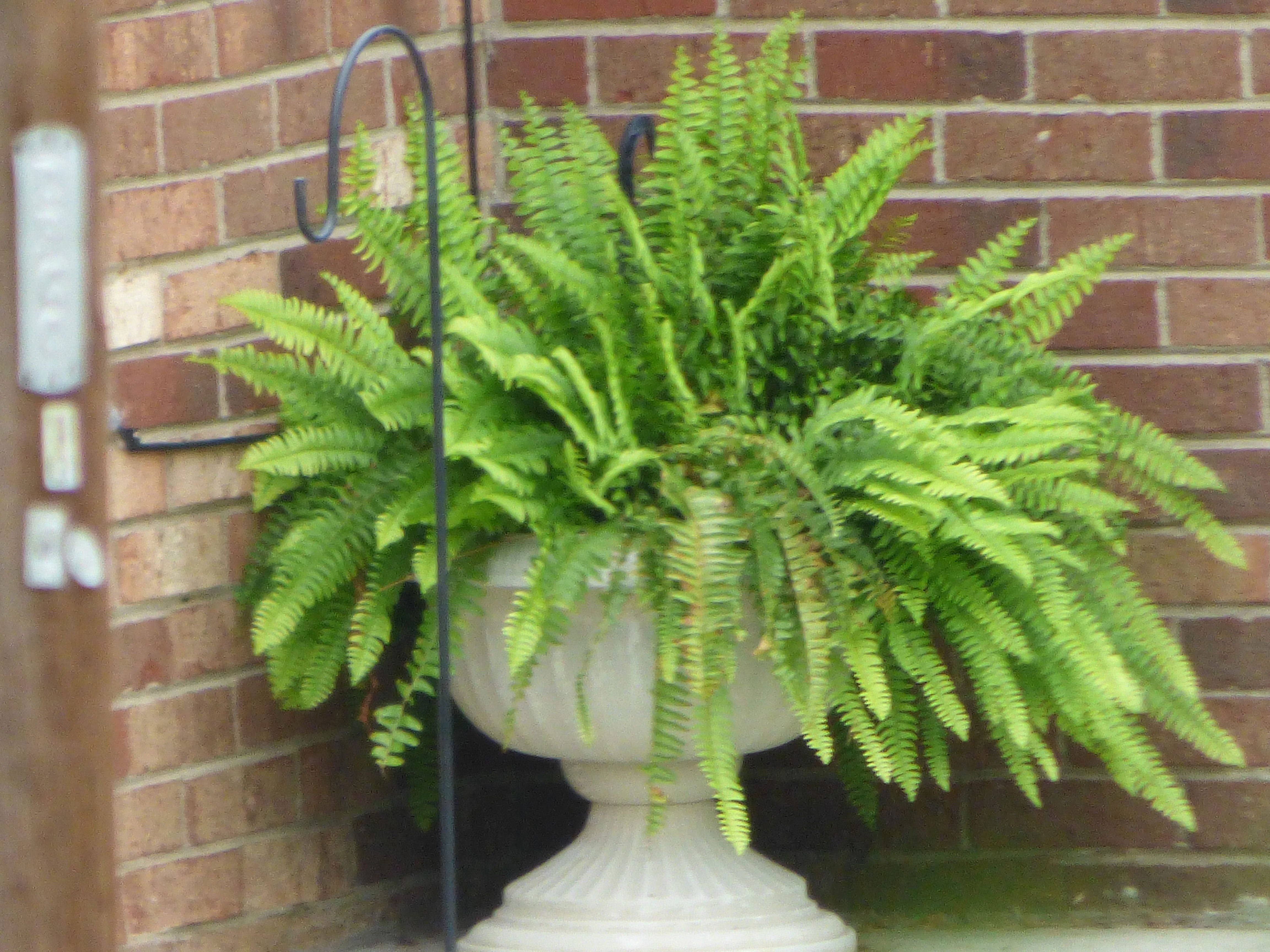
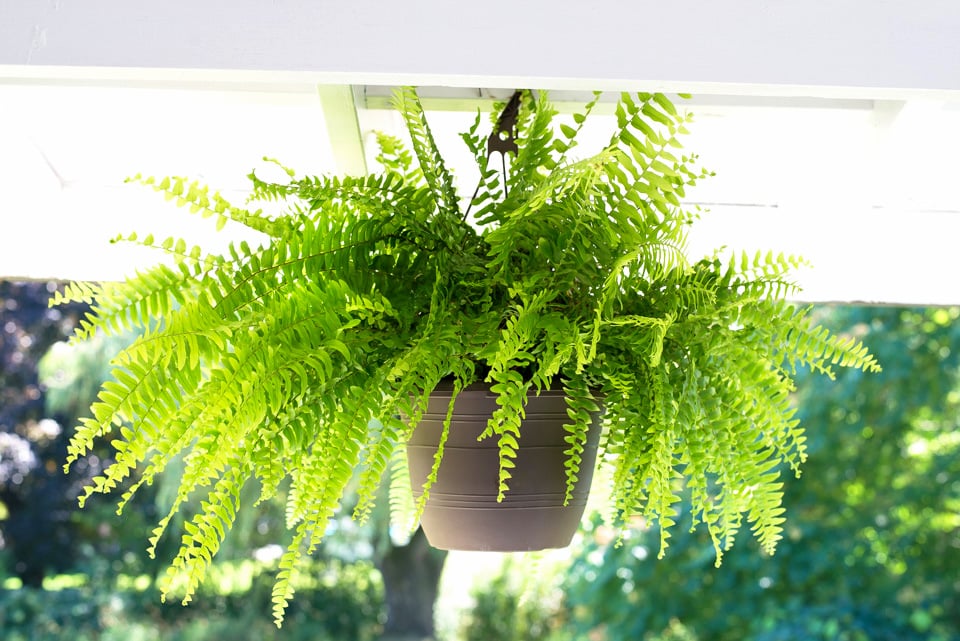
A well-cared-for Boston fern instantly elevates the aesthetic of any outdoor area. Its lush, vibrant green fronds provide a stunning contrast to architectural elements, patio furniture, and other plants. Hanging baskets brimming with cascading Boston ferns can soften harsh lines, add vertical interest, and create a sense of enclosure and privacy. Placed on pedestals or in decorative pots, they define focal points and infuse elegance into seating areas. Imagine sipping your morning coffee or unwinding after a long day surrounded by the graceful, flowing foliage of these ferns—it’s an experience that transcends simple gardening and becomes an integral part of a refined outdoor living lifestyle. Whether creating a cozy corner on a small balcony in New York City or adorning a expansive patio in Santa Barbara, the Boston fern offers unparalleled versatility and charm.
The Rewarding Journey of Fern Cultivation
Beyond their visual appeal, outdoor Boston ferns offer a deep sense of satisfaction that comes from nurturing life. The consistent attention, the observation of new fronds unfurling, and the joy of seeing your plants thrive under your care contribute to a fulfilling hobby. This engagement with nature fosters patience, mindfulness, and a heightened appreciation for the subtle cycles of growth and change. It’s a journey that connects you to the natural world, even within an urban setting, enriching your personal well-being. The simple act of tending to your ferns can be a meditative practice, providing a peaceful escape from daily stresses. Ultimately, caring for a Boston fern outside is an investment in your surroundings and your spirit, a testament to the enduring power of nature to beautify and bring joy to everyday life.
LifeOutOfTheBox is a participant in the Amazon Services LLC Associates Program, an affiliate advertising program designed to provide a means for sites to earn advertising fees by advertising and linking to Amazon.com. Amazon, the Amazon logo, AmazonSupply, and the AmazonSupply logo are trademarks of Amazon.com, Inc. or its affiliates. As an Amazon Associate we earn affiliate commissions from qualifying purchases.