
Navigating the intricacies of business dissolution can be as complex as establishing a thriving enterprise. For limited liability companies (LLCs) operating within the Empire State, understanding the formal process of dissolution is paramount. This guide aims to demystify the steps required to officially wind down an LLC in New York, ensuring compliance with state regulations and protecting members from future liabilities. Dissolving an LLC is not merely a matter of ceasing operations; it involves a structured procedure that addresses outstanding obligations, distributes remaining assets, and formally notifies the New York Department of State.
The Formal Dissolution Process in New York
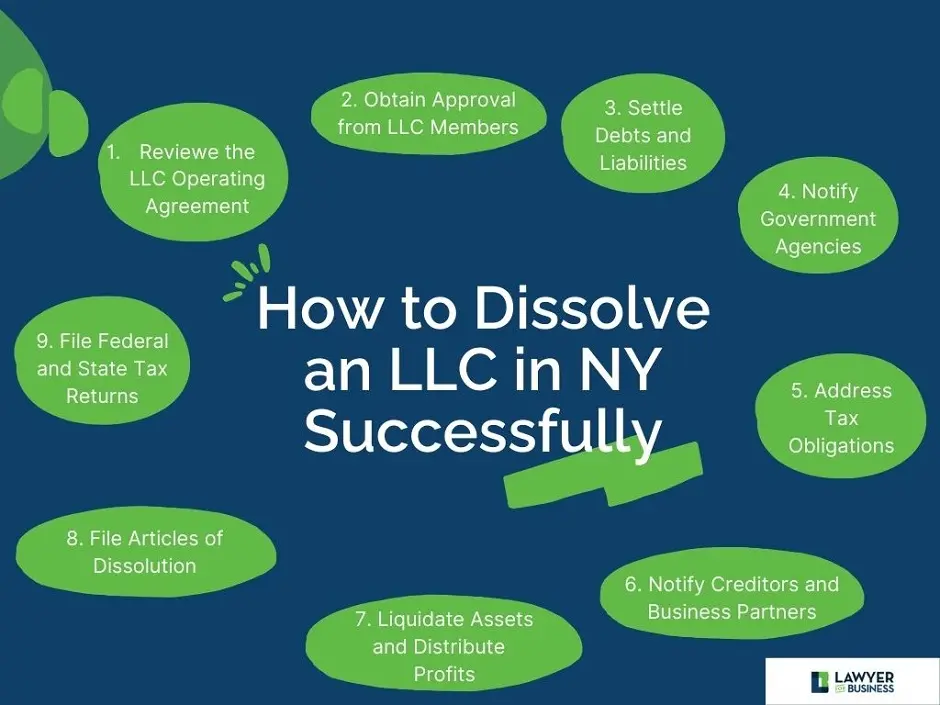
The journey to dissolve an LLC in New York typically begins with an internal decision followed by a series of official filings and actions. This process is governed by the New York Limited Liability Company Law. While the specifics can vary slightly depending on the operating agreement and the nature of the business, the core steps remain consistent. It is crucial to approach this process with diligence and accuracy to avoid potential legal or financial repercussions.
Initiating Dissolution
The first step in dissolving an LLC in New York is to formally initiate the dissolution process. This is generally accomplished through a vote of the members. The required percentage of votes needed to approve dissolution is typically outlined in the LLC’s operating agreement. If the operating agreement does not specify a voting threshold, New York law generally requires a majority vote of the members.
Once the decision to dissolve is made, a formal resolution should be documented, signed by the members, and kept with the LLC’s official records. This resolution serves as the internal authorization for commencing the winding-up process.
Filing the Certificate of Dissolution
The most critical official step in dissolving an LLC in New York is filing a Certificate of Dissolution with the New York Department of State. This document officially notifies the state that the LLC is ceasing its operations.
The Certificate of Dissolution must contain specific information, including:
- The name of the LLC as it appears on its Articles of Organization.
- The date on which the dissolution was authorized.
- A statement confirming that the LLC has been dissolved.
- The name and address of the person authorized to receive process on behalf of the LLC during the winding-up period, if applicable.
This certificate can be filed online through the Department of State’s website or by mail. There is a filing fee associated with this document. Prompt and accurate filing is essential to mark the official beginning of the dissolution proceedings.
Winding Up the LLC’s Affairs
Following the adoption of the dissolution resolution and the filing of the Certificate of Dissolution, the LLC enters the “winding-up” phase. This is a period where the business ceases its normal operations and focuses on concluding its affairs. This phase involves several key activities aimed at settling all outstanding matters.
Settling Debts and Liabilities
One of the primary responsibilities during the winding-up phase is to address all outstanding debts and liabilities of the LLC. This includes paying off any loans, trade payables, outstanding invoices, and other financial obligations. It is imperative to identify all creditors and notify them of the dissolution. New York law mandates that a dissolved LLC must make provisions for the satisfaction of any known liabilities. This might involve paying them directly, making arrangements for their payment, or setting aside funds to cover them.
Distributing Remaining Assets
After all debts and liabilities have been settled or provided for, any remaining assets of the LLC are distributed among its members. The distribution plan is typically outlined in the operating agreement. If the operating agreement is silent on this matter, New York law generally dictates that assets are distributed in accordance with the members’ capital contributions.
Notifying Creditors and Other Parties
While not always a strict legal requirement for LLC dissolution in New York, it is highly recommended to provide formal written notice to known creditors and other relevant parties (such as contract counterparties or government agencies) of the LLC’s dissolution and the commencement of the winding-up process. This proactive approach can help prevent future claims against the members.
Filing Final Tax Returns
The LLC must file final federal, state, and local tax returns. This includes income tax returns and any other applicable tax filings. The tax returns should be marked as “final” to indicate that the business has ceased operations. It is advisable to consult with a tax professional to ensure all tax obligations are met accurately and in a timely manner.
Post-Dissolution Procedures and Considerations
Even after the formal dissolution process is complete and the Certificate of Dissolution is filed, there are lingering considerations and potential ongoing responsibilities. Proper closure ensures that the LLC is truly defunct and that members are protected from unforeseen liabilities.
Revocation of Business Licenses and Permits
The LLC should ensure that all business licenses, permits, and registrations it held are properly canceled or surrendered. This might include local business licenses, state professional licenses, or federal permits. Failure to do so could result in ongoing fees or penalties.
Maintaining Records
It is advisable to retain important business records for a period after dissolution, as mandated by New York law or suggested by best practices. This includes financial records, tax returns, legal documents, and correspondence. These records may be needed for tax audits, legal disputes, or other unforeseen circumstances. The duration for which records should be kept can vary, but a common recommendation is several years.
Potential for Reinstatement
In certain circumstances, if the dissolution process was completed prematurely or if there was a desire to continue the business, an LLC in New York may have the option to be reinstated. However, this is typically a complex process with specific legal requirements and timelines. It is crucial to understand the implications of dissolution before proceeding, as reinstatement is not always guaranteed or straightforward.
Dissolving an LLC with Outstanding Debts or Assets
Dissolving an LLC with outstanding debts or assets requires careful attention to New York law. As previously mentioned, all known liabilities must be satisfied or provided for before assets can be distributed. If there are insufficient assets to cover all debts, the LLC may need to cease operations without distributing assets, and creditors would then have the option to pursue legal action. If there are debts but also assets, the process involves liquidating assets to pay debts, with any surplus distributed to members. If there are assets but no debts, the assets are distributed directly to the members according to the operating agreement.
When to Seek Professional Guidance
The dissolution of an LLC, while a clear legal process, can present complexities that are best managed with expert assistance. Engaging legal counsel and tax professionals can significantly streamline the process and mitigate risks.
The Role of Legal Counsel
An attorney specializing in business law can provide invaluable guidance throughout the dissolution process. They can:
- Review the LLC’s operating agreement to ensure compliance with its terms.
- Advise on the proper procedures for member votes and resolutions.
- Assist in drafting the Certificate of Dissolution and other required documents.
- Provide counsel on dealing with creditors and potential claims.
- Ensure that all legal requirements of New York LLC law are met.
The Importance of Tax Professionals
Tax professionals, such as Certified Public Accountants (CPAs), are essential for navigating the final tax obligations of a dissolved LLC. They can:
- Help determine the final tax year of the LLC.
- Assist in preparing and filing final federal, state, and local tax returns.
- Advise on any tax implications related to the distribution of assets.
- Ensure compliance with New York state tax regulations.
By collaborating with these professionals, LLC members can ensure that the dissolution of their New York LLC is conducted efficiently, accurately, and in full compliance with all applicable laws and regulations, offering peace of mind as they transition to new ventures or retire from business operations.
LifeOutOfTheBox is a participant in the Amazon Services LLC Associates Program, an affiliate advertising program designed to provide a means for sites to earn advertising fees by advertising and linking to Amazon.com. Amazon, the Amazon logo, AmazonSupply, and the AmazonSupply logo are trademarks of Amazon.com, Inc. or its affiliates. As an Amazon Associate we earn affiliate commissions from qualifying purchases.