
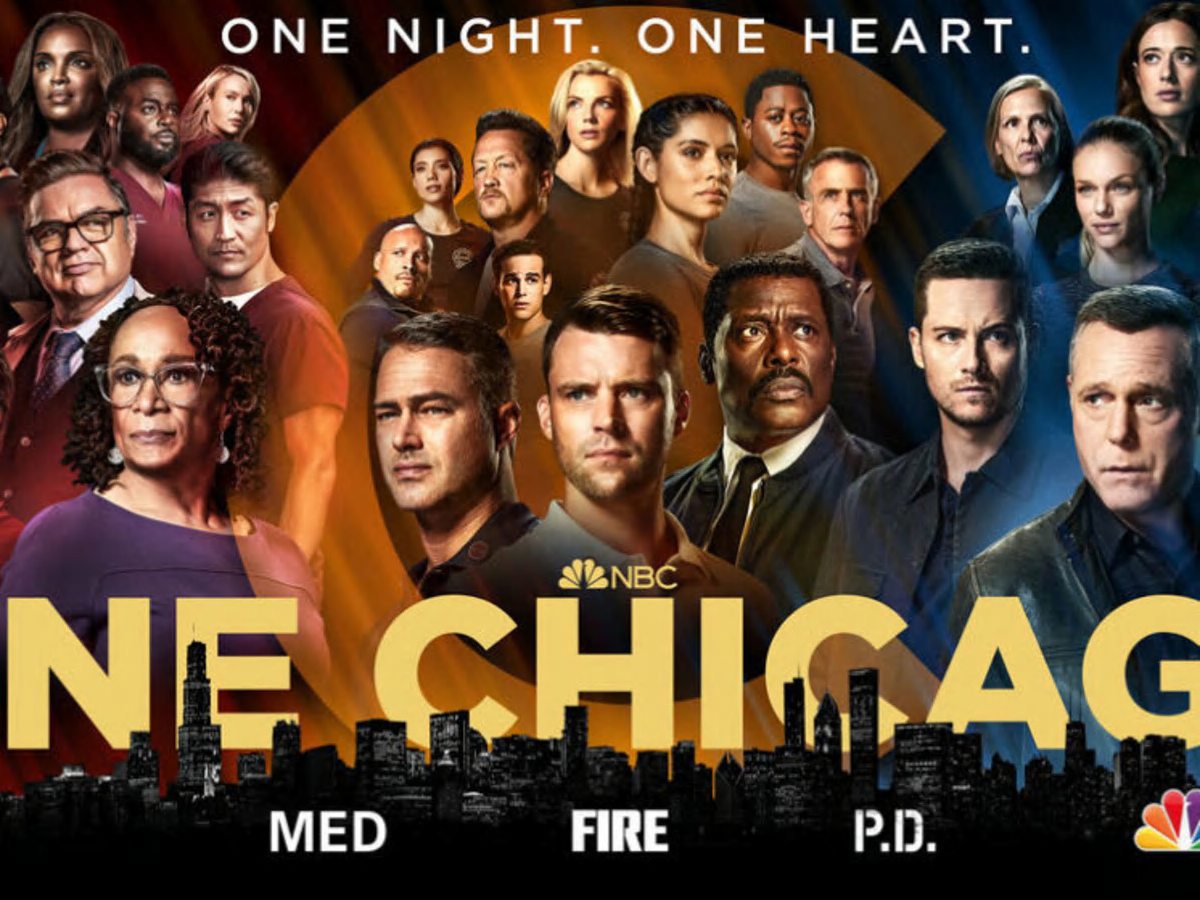
The concept of a “crossover” often conjures images of different narrative universes colliding, bringing together beloved characters and storylines from disparate sources. In the realm of television, particularly within the vast and interconnected world of Dick Wolf productions, “crossovers” have become a significant event, offering fans a unique opportunity to see their favorite law enforcement officers and medical professionals interact. The series that frequently engage in these ambitious narrative amalgams are the Chicago-based franchises: Chicago Fire, Chicago P.D., and Chicago Med. For viewers eager to experience these monumental events in their most coherent and impactful order, understanding the chronological flow and thematic connections is paramount. This guide aims to demystify the viewing order of Chicago Crossover events, ensuring a seamless and immersive experience for every fan.
Navigating the Chicago Universe: A Chronological Approach
The most logical and rewarding way to watch Chicago Crossover events is to follow the general chronological order in which the episodes aired. This approach respects the unfolding narratives, character development, and the natural progression of plot points that often carry over between the shows. The three primary series form the core of these crossovers, and their interconnectedness is established from the very beginning.
The Genesis of Interconnectivity
While direct, multi-series crossovers weren’t as frequent in the initial seasons, the seeds of a shared universe were sown early on. Chicago Fire, as the foundational series, often served as the point of entry for characters from the other shows. Understanding this origin point is crucial for appreciating the depth of later interactions.
- Early Encounters and Establishing the World: The initial interactions between the characters of Chicago Fire and the nascent Chicago P.D. were often driven by cases that required the expertise of both the firehouse and the police department. These early appearances were more like guest spots, allowing viewers to familiarize themselves with the parallel lives of these Chicago-based professionals.
- The Birth of Chicago Med: With the introduction of Chicago Med, the universe expanded to encompass the city’s medical facilities. This added a crucial third pillar to the interconnected narrative, allowing for more complex scenarios where fire and police personnel might require medical attention, or where medical professionals get involved in investigations through their patients.
The Anatomy of a Modern Crossover
As the series matured, so did their crossover events. These became more elaborate, often spanning multiple episodes across all three shows within a single week or a concentrated period. These modern crossovers are designed as a singular, extended storyline, with each episode contributing a vital piece to the larger puzzle.
- The “One Story, Three Shows” Model: The most impactful crossovers follow a clear narrative arc that begins in one show, continues in another, and concludes in the third. The order in which these episodes air within a specific week is almost always the intended viewing order for that particular crossover event. For example, a crossover might start with a fire that leads to a criminal investigation, which then involves patient care.
- Identifying Crossover Weeks: Networks typically promote these events heavily, often airing them consecutively. Keeping an eye on the broadcast schedule or seeking out dedicated “crossover order” guides for specific seasons can help pinpoint these crucial weeks.
Essential Viewing Order for Major Crossovers
While a comprehensive list of every single brief character appearance would be exhaustive, focusing on the significant multi-episode arcs will provide the most satisfying experience. The following is a general guideline for how to approach these major events, emphasizing the typical flow.
Early Crossover Implementations (Seasons 1-3 of [Chicago Fire], Seasons 1-2 of [Chicago P.D.])
During the initial years, crossovers were more organic, with characters popping in and out.
- Chicago Fire Season 2, Episode 4: “Tonight’s the Night”: This episode marked a significant early crossover where characters from Chicago P.D. made a more substantial appearance.
- Chicago P.D. Season 1, Episode 8: “At All Costs”: This episode directly followed up on events initiated in Chicago Fire, solidifying the connection between the two series.
The Triad of Interconnectedness (Introduction of [Chicago Med] and beyond)
Once Chicago Med joined the fray, the three-way crossovers became the hallmark of the franchise.
- Early Three-Way Crossover Example (Hypothetical based on typical structure):
- Chicago Fire: The inciting incident occurs – perhaps a large-scale emergency or accident requiring the full resources of the fire department. Characters from Chicago P.D. might arrive on the scene to manage the fallout or begin an investigation related to the event.
- Chicago P.D.: The investigation takes center stage. Detectives delve deeper into the circumstances of the incident, uncovering criminal activity. This often leads them to hospitals for interviews or to seek information that could be vital to their case.
- Chicago Med: The medical consequences of the incident are explored. Doctors and nurses treat the injured, and in doing so, may encounter evidence, witnesses, or even perpetrators. This is where the narrative often converges, with characters from all three shows interacting within the hospital setting.

- Specific Season Examples:
- Season 4 of Chicago Fire, Season 2 of Chicago P.D., and Season 1 of Chicago Med: This period saw more integrated crossovers. For instance, a specific storyline might begin with a fire, then an investigation into arson, leading to patients with unique injuries. The exact order is crucial and usually dictated by the weekly broadcast schedule.
- Later Seasons (Seasons 5+ of [Chicago Fire], 3+ of [Chicago P.D.], 2+ of [Chicago Med] and beyond): The crossovers became even more ambitious, sometimes featuring major plotlines that affected characters across all three series for extended periods. A common pattern emerged: an event that necessitated immediate firefighting response, followed by a complex police investigation, and concluding with the medical aftermath and related patient care.
Beyond the Chronology: Character Arcs and Thematic Resonance
While strict chronological viewing is key, understanding the underlying character development and thematic threads can enhance the experience. Crossovers are not just plot devices; they are opportunities to see characters outside their usual environments and under different kinds of pressure.
The Interplay of Emergency Services
The core of the Chicago Crossover is the seamless interaction between the city’s first responders. Each series offers a unique perspective on crisis management.
- The Immediate Response (Chicago Fire): This series focuses on the bravery and immediate action required at the scene of emergencies – fires, rescues, and medical crises. Their actions often create the situations that necessitate the other two shows’ involvement.
- The Investigation (Chicago P.D.): This show delves into the aftermath of crises, uncovering the causes and bringing perpetrators to justice. They rely on information from the scenes and the medical outcomes.
- The Healing and Science (Chicago Med): This series highlights the critical work of doctors and nurses in saving lives and understanding the human element of these events. They provide vital medical information and witness accounts.
Character Dynamics Across the Universe
Crossovers are also a chance to see established character relationships tested and new ones formed.
- Personal Connections: Friends and colleagues from one show might find themselves needing the help or support of someone in another. A detective might lean on a doctor for insights into a victim’s injuries, or a firefighter might rely on a police officer for protection at a dangerous scene.
- Professional Respect and Friction: The collaborations aren’t always smooth. Differences in protocol, personality clashes, and competing priorities can create dramatic tension, making the resolutions all the more impactful.
Tips for Optimal Crossover Viewing
To maximize the enjoyment of these interconnected narratives, consider these practical tips:
Stay Updated on Current Seasons
The most straightforward way to follow crossovers is to watch the shows as they air within a given season. Networks typically schedule major crossover events to air consecutively, making the intended order clear.
Utilize Fan Resources and Guides
The passionate fanbase of the One Chicago universe often creates detailed viewing guides. Websites and forums dedicated to the shows frequently compile these orders, especially for past seasons, to help new viewers catch up or for dedicated fans to rewatch.
Understand the “Why” Behind the Order
When you see a crossover, ask yourself why the story began in a particular show. What elements were essential to establish the stakes and introduce the core conflict? Understanding this narrative logic will help you appreciate the careful construction of these multi-episode arcs. For example, an arson investigation logically begins with the fire department’s response to the blaze, followed by the police’s examination of the crime scene and subsequent investigation, and finally, the medical implications for any victims.

Embrace the Journey
Ultimately, watching Chicago Crossover events is an immersive experience designed to pull viewers into a larger narrative tapestry. By respecting the chronological order, understanding the roles of each series, and appreciating the character dynamics, you can fully engage with these exciting and ambitious storytelling endeavors that make the One Chicago universe so compelling. The intricate weaving of lives, threats, and resolutions across Chicago Fire, Chicago P.D., and Chicago Med offers a unique and thrilling viewing experience that continues to captivate audiences season after season.
LifeOutOfTheBox is a participant in the Amazon Services LLC Associates Program, an affiliate advertising program designed to provide a means for sites to earn advertising fees by advertising and linking to Amazon.com. Amazon, the Amazon logo, AmazonSupply, and the AmazonSupply logo are trademarks of Amazon.com, Inc. or its affiliates. As an Amazon Associate we earn affiliate commissions from qualifying purchases.