
The allure of a perfectly grilled New York Strip Steak is undeniable. It’s a quintessential experience for any culinary enthusiast, a centerpiece that can elevate a casual backyard barbecue to a gourmet event. Mastering the art of grilling this particular cut requires understanding its characteristics and employing techniques that coax out its inherent flavor and tender texture. This guide delves into the essential steps, from selecting the right steak to achieving that coveted sear and juicy interior, ensuring your next grilling endeavor is a resounding success.
Selecting the Perfect Cut
The foundation of an exceptional grilled New York Strip Steak lies in the quality of the meat itself. This cut, also known as a Kansas City Strip or Strip Loin, is prized for its balance of tenderness and robust beefy flavor.
Thickness Matters
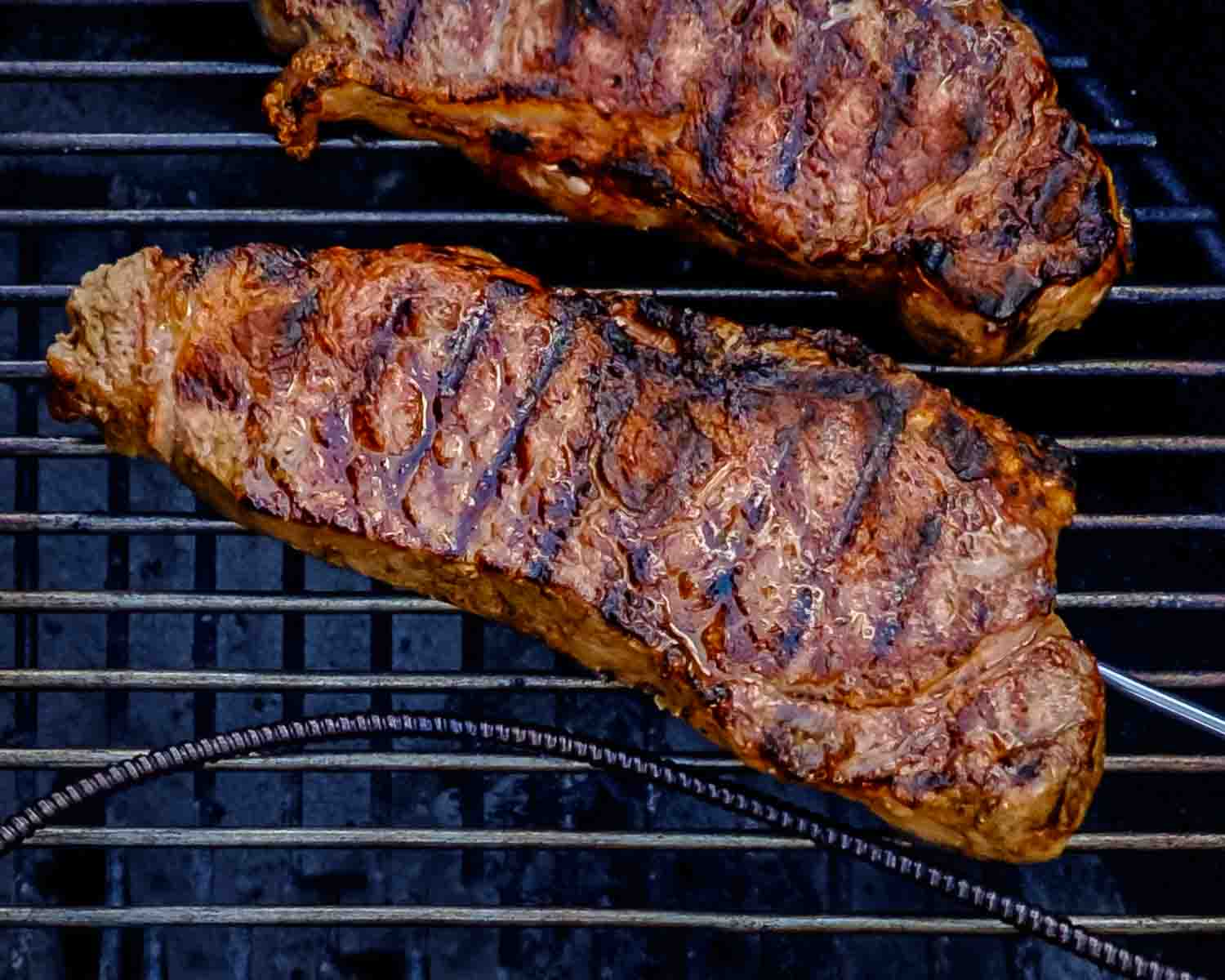
When choosing your New York Strip Steak, aim for a thickness of at least 1 to 1.5 inches. Thicker steaks are more forgiving on the grill, allowing you to develop a beautiful crust without overcooking the interior. Thinner cuts are prone to drying out quickly, making it harder to achieve the desired balance of char and tenderness.
Marbling and Quality
Look for steaks with good marbling – those fine streaks of fat running through the meat. This intramuscular fat melts during cooking, basting the steak from within and contributing significantly to its flavor and moisture. USDA Prime and Choice grades generally offer superior marbling. Consider sourcing from a reputable butcher or a high-quality grocery store to ensure freshness and optimal quality. Grass-fed vs. grain-fed can also influence flavor; explore which you prefer.
Aging Process
Dry-aged or wet-aged New York Strip Steak will offer a more concentrated flavor and tender texture due to the enzymatic breakdown of connective tissues. While it can be more expensive, the difference in taste and texture is often noticeable.
Prepping for the Grill
Proper preparation is as crucial as the grilling itself. These steps ensure the steak is primed for optimal heat absorption and flavor development.
Bringing to Room Temperature
Before the steak hits the grill, it’s essential to bring it to room temperature. Remove it from the refrigerator at least 30 minutes to an hour before cooking (depending on thickness and ambient temperature). A steak that is uniformly warm throughout will cook more evenly, preventing a situation where the outside is overcooked before the inside reaches the desired temperature.
Seasoning
For a New York Strip Steak, simplicity often reigns supreme. High-quality beef shines with minimal seasoning.
- Salt: Generously season all sides of the steak with coarse sea salt or kosher salt just before grilling. The salt not only enhances flavor but also helps create that desirable crust.
- Pepper: Freshly cracked black pepper adds a pungent counterpoint to the richness of the beef. Apply it after the salt, as pepper can sometimes burn if exposed to direct high heat for too long.
- Optional Additions: Some prefer to add a touch of garlic powder or a high-smoke point oil like avocado or grapeseed oil. However, for a true appreciation of the New York Strip Steak, salt and pepper are often sufficient.
Patting Dry
Before seasoning and oiling, gently pat the surface of the steak dry with paper towels. Moisture on the surface will steam the steak rather than sear it, hindering the development of a beautiful, flavorful crust.
The Grilling Process
The grill is where the magic happens. Understanding heat zones and cooking times is key to achieving that perfect medium-rare to medium doneness.
Grilling Setup: Two-Zone Heat
The most effective method for grilling thicker cuts like a New York Strip Steak is to employ a two-zone grilling system.
- Direct Heat Zone: This is the area of the grill with direct flame or hot coals. It’s used for searing and developing a crust.
- Indirect Heat Zone: This is the area of the grill with no direct flame. It’s used for slower cooking, allowing the interior of the steak to reach the desired temperature without burning the exterior.
If using a charcoal grill, pile the coals to one side for the direct zone and leave the other side empty for the indirect zone. For a gas grill, turn one burner to high (direct) and leave the other burner(s) on low or off (indirect).
Searing and Cooking Times
-
Preheat the Grill: Ensure your grill is thoroughly preheated. For charcoal, wait until the coals are covered in a light gray ash. For gas, preheat to medium-high heat. Clean the grates thoroughly to prevent sticking.
-
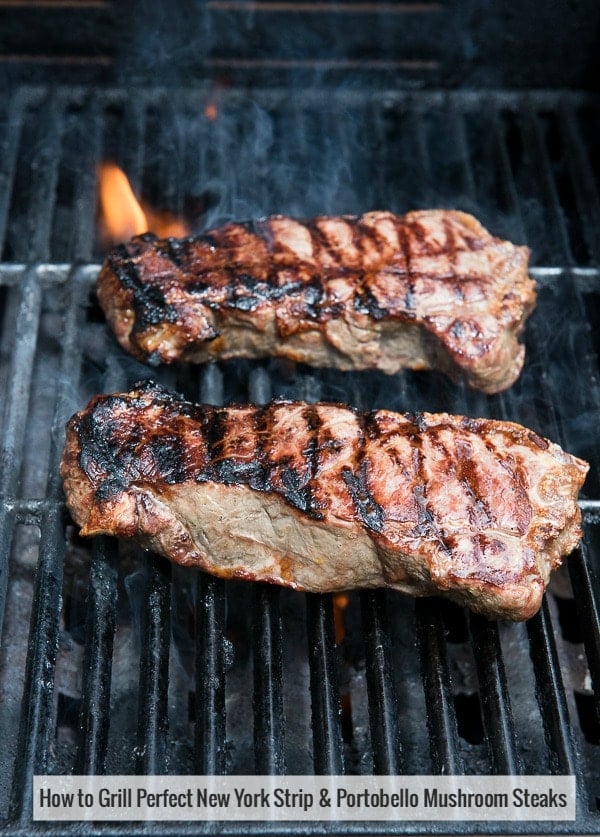
Sear Over Direct Heat: Place the seasoned steak over the direct heat zone. For a 1 to 1.5-inch thick steak, sear for approximately 2-4 minutes per side, until a deep brown crust forms. Resist the urge to move the steak too much during this phase, allowing for even charring.
-
Move to Indirect Heat: Once seared on both sides, move the steak to the indirect heat zone. Close the grill lid to trap heat and allow the steak to cook through to your desired doneness.
-
Monitor Temperature: This is where a reliable meat thermometer is your best friend. Insert it into the thickest part of the steak, avoiding bone or fat pockets.
- Rare: 120-125°F (49-52°C)
- Medium-Rare: 130-135°F (54-57°C) – Often considered ideal for New York Strip.
- Medium: 135-140°F (57-60°C)
- Medium-Well: 140-145°F (60-63°C)
- Well-Done: 160°F+ (71°C+) – Not recommended for this cut.
Remember that the steak’s temperature will rise an additional 5-10 degrees Fahrenheit as it rests. So, pull the steak off the grill when it is 5-10 degrees below your target final temperature.
Flipping and Resting
- Flipping: Use tongs to flip the steak; avoid piercing it with a fork, which can release precious juices. Flip the steak only once or twice during the cooking process.
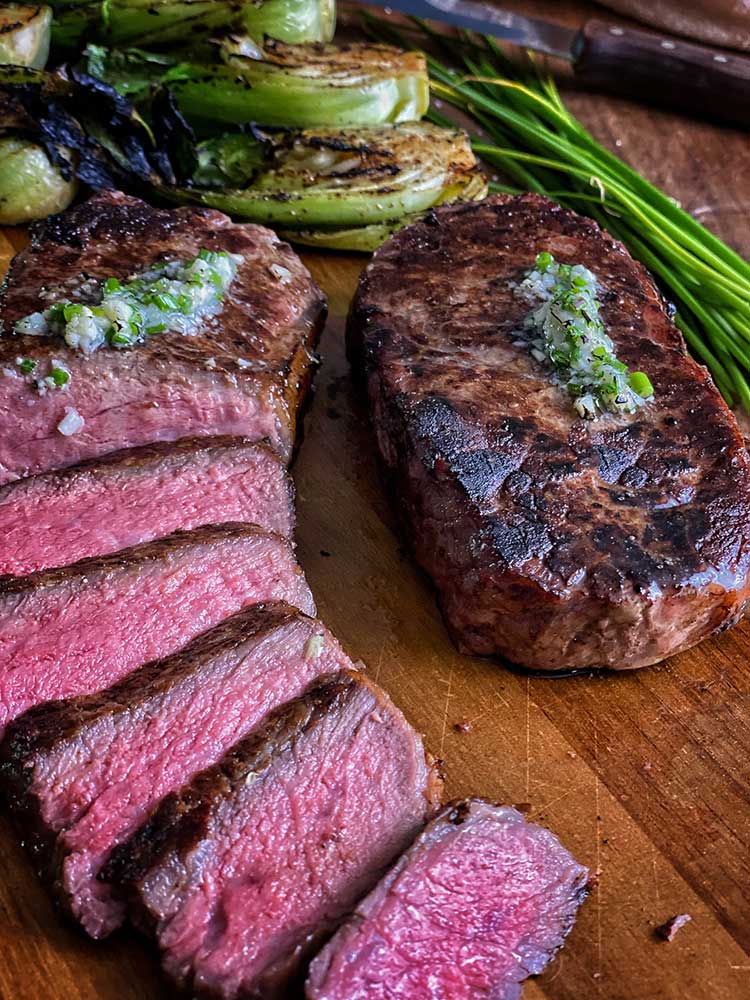
- Resting: Once the steak reaches your target temperature, remove it from the grill and place it on a clean cutting board or plate. Tent it loosely with aluminum foil and let it rest for at least 5-10 minutes. This crucial step allows the juices to redistribute throughout the steak, resulting in a more tender and flavorful bite. Skipping this will lead to juices running out onto the plate, leaving you with a drier steak.
Enhancing the Experience
While a perfectly grilled New York Strip Steak is a triumph on its own, a few finishing touches can elevate it further.
Compound Butters
A dollop of compound butter can add a luxurious layer of flavor. Consider a classic garlic-herb butter (butter, minced garlic, fresh parsley, thyme, and chives) or a bolder option like a blue cheese or horseradish butter. Place a pat of the butter on the hot steak just after it comes off the grill, allowing it to melt and infuse the meat.
Sauces and Accompaniments
While not always necessary for a prime cut, a well-chosen sauce can complement the steak. A simple pan sauce made with deglazed pan juices, a splash of wine, and a touch of butter can be exquisite. Classic steakhouse accompaniments like creamed spinach, mashed potatoes, or grilled asparagus are always excellent choices.
Serving Suggestions
Slice the steak against the grain for maximum tenderness. This breaks up the muscle fibers, making each bite easier to chew. Serve immediately and enjoy the fruits of your grilling labor. Whether you’re serving it at a family gathering or a sophisticated dinner party, a well-executed New York Strip Steak is a crowd-pleaser that speaks to the heart of great outdoor cooking.
LifeOutOfTheBox is a participant in the Amazon Services LLC Associates Program, an affiliate advertising program designed to provide a means for sites to earn advertising fees by advertising and linking to Amazon.com. Amazon, the Amazon logo, AmazonSupply, and the AmazonSupply logo are trademarks of Amazon.com, Inc. or its affiliates. As an Amazon Associate we earn affiliate commissions from qualifying purchases.