
The Sunshine State, a perennial favorite for vacationers and permanent residents alike, offers a compelling lifestyle characterized by warm weather, beautiful beaches, and a vibrant culture. When considering a move or an investment in real estate within Florida, understanding the associated costs is paramount. Among these, property taxes stand out as a significant, albeit often variable, expense. Unlike many other states that rely heavily on income tax, Florida generates a substantial portion of its revenue through property taxes, making them a crucial component of the financial landscape for homeowners. This guide delves into the intricacies of Florida property taxes, exploring what influences their cost, how they are assessed, and strategies homeowners can employ to manage them.
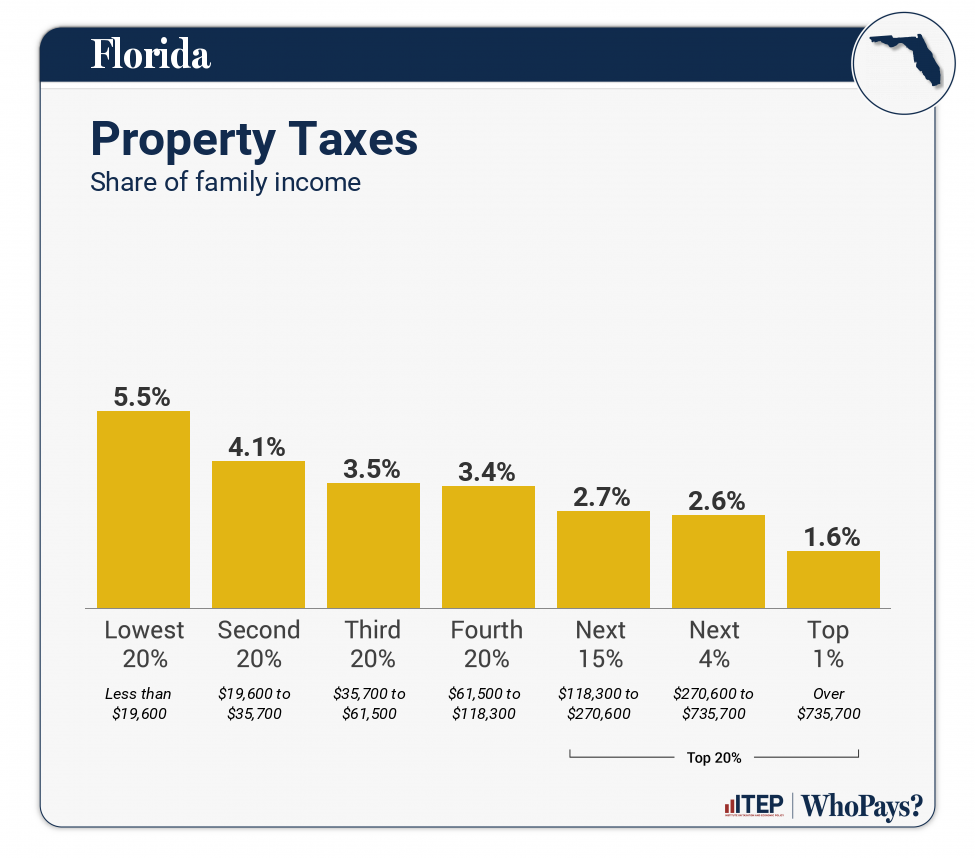
Understanding Florida’s Property Tax System
Florida operates a decentralized property tax system. This means that property taxes are not set at the state level but are determined by local taxing authorities, primarily county property appraiser offices and various special taxing districts. These entities include school districts, cities, counties, and special districts for services like fire protection, water management, and mosquito control. The millage rate, a key determinant of the tax amount, is set annually by each of these taxing authorities.
The Role of the Property Appraiser
Each of Florida’s 67 counties has a Property Appraiser’s office responsible for identifying and valuing all taxable property within their jurisdiction. This valuation, known as the “assessed value,” forms the basis for calculating property taxes. The Appraiser’s office conducts regular assessments to ensure that property values reflect current market conditions. It’s important for homeowners to understand that the assessed value might differ from the market value or the price paid for the property.
Millage Rates and Taxable Value
The millage rate is expressed in mills, with one mill representing $1 of tax for every $1,000 of taxable property value. A millage rate of 10 mills, for instance, means a tax of $10 for every $1,000 of taxable value. The taxable value is derived from the assessed value after deducting any applicable exemptions.
Formula:
Property Tax = (Assessed Value – Exemptions) x Millage Rate
For example, if a home is assessed at $300,000, has homestead exemption reducing the taxable value by $50,000, and the combined millage rate for its location is 25 mills (or 0.025), the annual property tax would be:
($300,000 – $50,000) x 0.025 = $250,000 x 0.025 = $6,250
This example highlights how exemptions can significantly impact the final tax bill.
Factors Influencing Property Tax Rates
Several factors contribute to the variation in property tax rates across Florida:
- Location: Property taxes can vary dramatically from one county to another, and even within different municipalities in the same county. Areas with more extensive public services or higher demand for amenities may have higher millage rates to fund them. For example, property taxes in affluent areas like parts of Miami-Dade County might differ from those in more rural counties.
- Local Government Spending: The budget needs of local governments and special taxing districts directly influence millage rates. Increased demand for schools, police, fire services, or infrastructure projects often leads to higher tax levies.
- Property Value: While not directly setting the tax rate, the assessed value of a property is the other half of the tax calculation. Higher assessed values naturally lead to higher tax bills, even with the same millage rate.
- Types of Property: Different property classifications (residential, commercial, agricultural) may be subject to different assessment ratios and tax treatments.
Property Tax Exemptions in Florida
Florida offers several property tax exemptions designed to reduce the tax burden on homeowners and specific property types. Understanding and applying for these exemptions can lead to substantial savings.
Homestead Exemption
The most common and impactful exemption is the Homestead Exemption. This provides a significant reduction in the taxable value of a primary residence. For the first $25,000 of assessed value, the full amount is exempt. For assessed values between $25,000 and $75,000, an additional exemption of $25,000 applies. For assessed values exceeding $75,000, an additional exemption of $50,000 is applied.
In essence, the first $50,000 of assessed value is generally exempt for homesteaded properties, with an additional exemption up to $25,000 for assessed values above $75,000. To qualify, the property must be the owner’s permanent residence, and an application must be filed with the County Property Appraiser by March 1st of the tax year.

Additional Homestead Exemptions
Beyond the standard homestead exemption, Florida offers additional homestead exemptions for specific individuals:
- Senior Citizen Exemption: Property owners aged 65 and older who meet certain income limitations may qualify for an additional exemption. The specific amount varies by county.
- Disabled Person Exemption: This exemption is available to individuals who are totally and permanently disabled.
- Surviving Spouse Exemption: A surviving spouse may retain the homestead exemption of their deceased spouse under certain conditions.
- Veteran Exemptions: Disabled veterans may qualify for significant exemptions, with the amount often based on their disability rating.
Other Property Tax Exemptions
- Widow(er)s Exemption: Available to widows or widowers who were not remarried.
- Blind Person Exemption: For individuals who are legally blind.
- Tangible Personal Property Exemption: Applies to businesses and their tangible personal property, with a certain value being exempt.
- Religious, Charitable, and Educational Exemptions: Properties owned and used by qualifying non-profit organizations for their intended purposes are typically exempt.
It is crucial for property owners to contact their local County Property Appraiser’s office to understand the specific requirements and application processes for any applicable exemptions.
How Property Taxes Are Assessed and Paid
The process of property tax assessment and payment follows a predictable annual cycle in Florida.
The Assessment Cycle
- January 1st: The tax year begins, and property ownership and value are determined as of this date.
- January 1st – December 31st: Property Appraisers assess and value all taxable properties.
- August: Proposed property tax bills are mailed out, detailing the assessed value, exemptions, and estimated tax liability. Property owners have a period to file appeals if they disagree with the assessed value.
- September – October: The value adjustment boards (VABs) hear appeals from property owners.
- November 1st: Tax bills are officially issued.
- November – March: Property taxes are due. Payments made in November receive a 4% discount, December a 3% discount, January a 2% discount, and February a 1% discount. Taxes paid in March are due at face value.
- April 1st: Unpaid taxes become delinquent and are subject to penalties and interest.
Payment Options
Property owners typically have several options for paying their property taxes:
- Lump Sum Payment: Paying the entire tax bill by the due date, often with a discount if paid early.
- Installment Payments: Many counties offer installment payment plans, allowing homeowners to spread the tax payments over several months, usually with a small interest charge. This can help budget for the expense.
- Escrow Accounts: Many homeowners with mortgages have their property taxes paid through an escrow account managed by their lender. The lender collects a portion of the property tax amount with each monthly mortgage payment and then pays the tax bill on behalf of the homeowner.
Maximizing Savings and Understanding Your Tax Bill
While property taxes are a necessary part of homeownership in Florida, there are ways to manage and potentially reduce this expense.
Staying Informed and Appealing Assessments
- Review Your Notice of Proposed Property Taxes: Carefully examine the annual notice from your County Property Appraiser. Ensure that all personal information, property details, and claimed exemptions are accurate.
- Understand Assessment Limitations: In Florida, for homesteaded properties, the assessed value can only increase by the lower of 3% or the percentage change in the Consumer Price Index (CPI) each year, unless additional improvements are made to the property. This “Save Our Homes” amendment provides a significant buffer against drastic annual increases.
- File an Appeal: If you believe your property’s assessed value is higher than its market value, you have the right to appeal. The appeal process typically involves filing a petition with the Value Adjustment Board (VAB) within a specified timeframe, usually after receiving your proposed tax notice. You will need to present evidence supporting your claim, such as recent appraisals or sales data for comparable properties.

Strategic Considerations for Homeowners
- First-Time Homebuyers: Ensure you understand the impact of property taxes on your monthly housing costs when budgeting for a home purchase. Factor in potential increases over time.
- Retirees: For retirees on fixed incomes, the Florida homestead and senior exemptions can be particularly valuable in managing living expenses.
- Investment Properties: Investment properties do not qualify for homestead exemptions, so their tax liabilities will generally be higher. Always factor these costs into your rental income calculations or resale profit projections.
- Short-Term Rentals: While not directly tied to property tax rates, the popularity of short-term rentals in areas like Orlando or along the coast can influence local government budgets and, consequently, property tax levels.
By understanding the mechanics of Florida property taxes, diligently applying for all eligible exemptions, and staying informed about your local tax environment, homeowners can effectively manage this essential aspect of property ownership in the Sunshine State.
LifeOutOfTheBox is a participant in the Amazon Services LLC Associates Program, an affiliate advertising program designed to provide a means for sites to earn advertising fees by advertising and linking to Amazon.com. Amazon, the Amazon logo, AmazonSupply, and the AmazonSupply logo are trademarks of Amazon.com, Inc. or its affiliates. As an Amazon Associate we earn affiliate commissions from qualifying purchases.