
The question of how long a flight from New York to Atlanta might seem straightforward, but like many travel inquiries, the answer is nuanced. This popular route, connecting two major economic and cultural hubs in the United States, is a frequently traversed path for both business and leisure travelers. Understanding the typical flight duration, the factors that influence it, and how to potentially optimize your travel time is crucial for efficient planning.
Factors Influencing Flight Duration
Several variables contribute to the actual time spent in the air between New York and Atlanta. While the physical distance remains constant, the journey’s length can fluctuate significantly due to operational, environmental, and logistical considerations.
Aircraft Type and Speed
The model of aircraft utilized by an airline plays a role in flight times. Modern, more aerodynamic jetliners generally fly at higher cruising speeds than older or smaller aircraft. For instance, a Boeing 737 or Airbus A320, commonly used on domestic routes like New York to Atlanta, have typical cruising speeds that result in a relatively predictable flight duration. However, variations in load factor (how full the plane is) and even specific configurations of the aircraft can subtly influence performance. Airlines often choose aircraft that balance efficiency, capacity, and range for such routes, aiming for optimal speed without compromising fuel economy or passenger comfort. The precise cruising speed of an aircraft is also managed by air traffic control, which can mandate slower speeds if necessary to maintain separation between flights.
Weather Conditions
Weather is a paramount factor in determining flight times. Headwinds, which are winds blowing against the direction of travel, can significantly increase the time it takes for an aircraft to reach its destination. Conversely, tailwinds, blowing in the same direction as the aircraft, can shorten the flight. The Atlantic coast and the southeastern United States can experience a variety of weather patterns, including thunderstorms, especially during warmer months. These can necessitate diversions or slower flight paths to avoid turbulence, thereby extending the journey. Airports themselves can also experience weather-related delays, but this typically affects departure and arrival times rather than the in-air flight duration itself, though ground delays can sometimes lead to adjustments in the flight plan once airborne.
Air Traffic Control and Airspace Congestion
The skies above the United States, particularly around major metropolitan areas like New York and Atlanta, are highly congested. Air traffic control (ATC) manages the movement of thousands of aircraft daily, prioritizing safety through strict spacing and routing protocols. This can lead to holding patterns before landing, especially at busy airports like Hartsfield-Jackson Atlanta International Airport, which is one of the busiest airports in the world. ATC might also assign slightly longer or indirect routes to maintain efficient flow and avoid conflicts. While these measures are essential for safety, they can add minutes to the overall flight time. The efficiency of ATC operations can also be influenced by staffing levels and technological advancements, though the core principles of maintaining safe separation remain constant.
Flight Path and Altitude
The specific route an aircraft takes, known as the flight path, is determined by a complex interplay of factors including prevailing winds, weather, ATC directives, and optimal fuel efficiency at different altitudes. While a direct “as the crow flies” path is rarely feasible due to terrain, airspace restrictions, and the need to integrate with other air traffic, airlines strive for the most direct and efficient route. Aircraft typically fly at high altitudes where the air is thinner, allowing for greater fuel efficiency and higher speeds. However, the optimal cruising altitude can vary based on the aircraft type, weight, and atmospheric conditions. Minor deviations from the most direct path to avoid turbulence or for traffic management will contribute to the overall flight duration.
Typical Flight Times: Non-Stop vs. Connecting
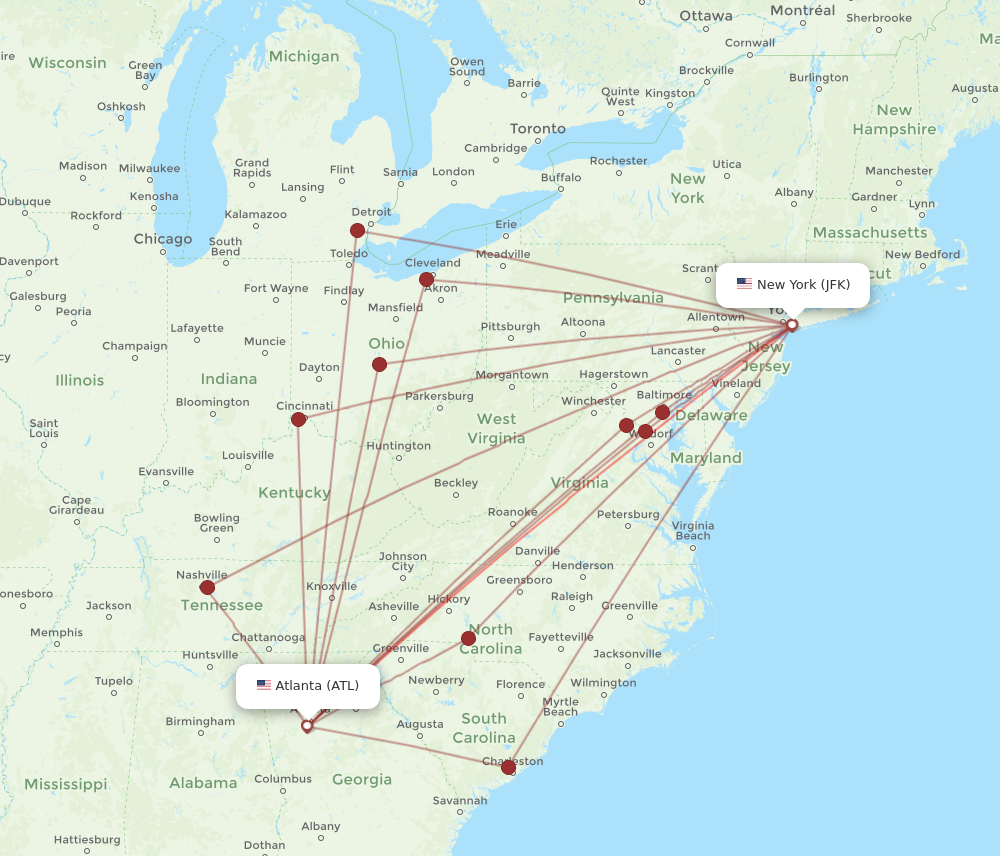
When planning a trip from New York to Atlanta, the choice between a non-stop flight and one with a connection will dramatically impact the total travel time.
Non-Stop Flights
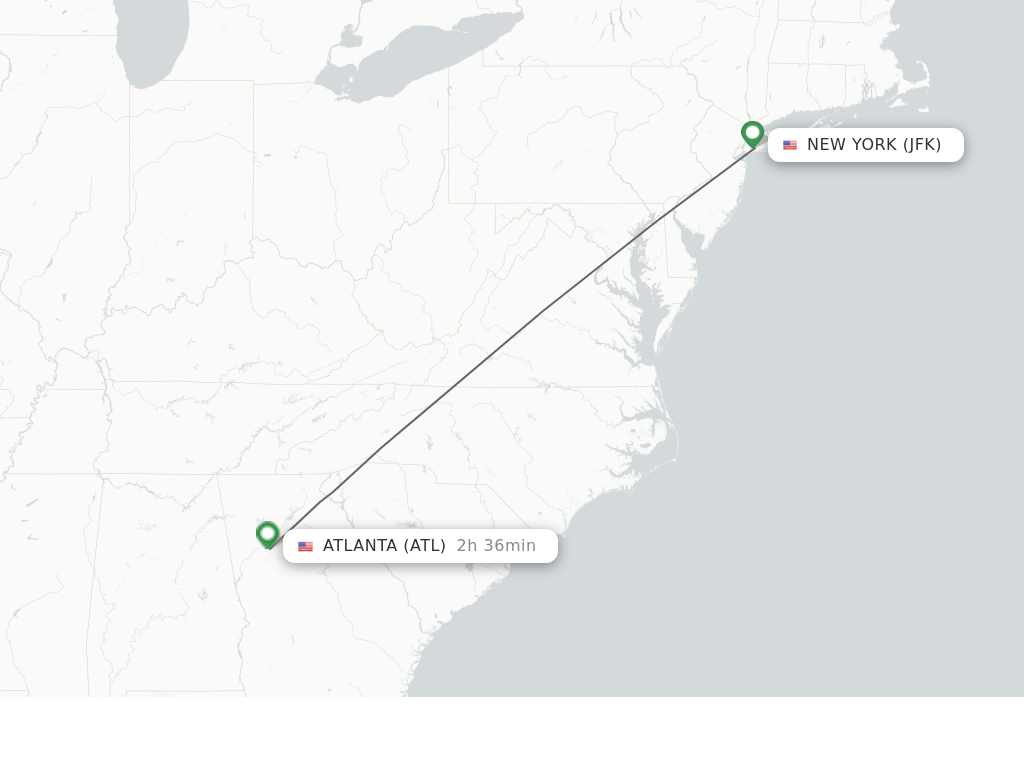
Non-stop flights are the most efficient and popular option for this route. For a direct flight from one of the New York metropolitan area airports (such as John F. Kennedy International Airport, LaGuardia Airport, or Newark Liberty International Airport) to Hartsfield-Jackson Atlanta International Airport, the average flight time is typically between 2 hours and 30 minutes to 3 hours. This duration accounts for the actual time spent in the air, from takeoff to landing. It’s important to remember that this does not include the time spent on the ground for boarding, taxiing, or deplaning. Airlines like Delta Air Lines, American Airlines, and United Airlines frequently operate non-stop services on this route, offering numerous daily departures.
Flights with Connections
Flights with one or more connections will naturally take considerably longer. The total travel time for a connecting flight includes the flight segments themselves, plus the layover time at the intermediate airport. For the New York to Atlanta route, a connecting flight might involve stops in cities like Charlotte, Philadelphia, or Chicago. Depending on the length of the layover, which can range from under an hour to several hours, the total journey can extend to 5, 6, 8 hours, or even longer. While connecting flights might sometimes offer a lower fare, the trade-off is a significantly increased travel duration, which can be tiring and disruptive, especially for shorter trips.
Planning Your Journey: Optimizing Travel Time
While the flight duration itself is largely dictated by the factors above, you can take steps to optimize your overall travel experience and minimize time spent in transit.
Choosing the Right Airport
New York is served by three major international airports: JFK, LGA, and EWR. Each has its own advantages and disadvantages in terms of location, airline operations, and accessibility from different parts of the city. Similarly, Atlanta is overwhelmingly served by Hartsfield-Jackson Atlanta International Airport. When booking, consider not just the flight time but also the travel time to and from your departure and arrival airports, as well as potential traffic congestion. A slightly longer flight from one New York airport might be more convenient overall if it reduces your ground transportation time.
Booking Strategies
When booking your flight, pay close attention to the listed flight duration. Airlines are required to provide an estimated flight time. Look for non-stop options if time is a priority. If you are considering a connecting flight, scrutinize the layover duration. A short layover (under 90 minutes) can be risky, especially at busy hubs, as missed connections can lead to significant delays. Conversely, excessively long layovers can make the trip unnecessarily arduous. Utilizing flight comparison websites can help you see various options and their total travel times at a glance. Booking in advance, especially for peak travel periods, can also often secure better fares and more convenient flight times.

Day of Travel Considerations
The day of the week and time of day can also influence flight schedules and potential delays. Flights during peak travel hours (early morning and late afternoon) or on high-demand days (Fridays and Sundays) may be more susceptible to air traffic congestion and potential weather-related disruptions. Flying mid-week or during off-peak hours can sometimes result in a smoother travel experience. Furthermore, staying informed about weather forecasts for both departure and arrival cities on the day of your flight can help you anticipate potential issues and adjust your plans accordingly. Checking airline status updates before heading to the airport is always a prudent measure.
The flight from New York to Atlanta is a common journey, and understanding the typical flight durations and the variables that affect them is key to a well-planned trip. By considering factors like aircraft type, weather, air traffic, and choosing between non-stop or connecting flights wisely, travelers can better estimate their journey’s length and make informed decisions to ensure a more efficient and enjoyable travel experience.
LifeOutOfTheBox is a participant in the Amazon Services LLC Associates Program, an affiliate advertising program designed to provide a means for sites to earn advertising fees by advertising and linking to Amazon.com. Amazon, the Amazon logo, AmazonSupply, and the AmazonSupply logo are trademarks of Amazon.com, Inc. or its affiliates. As an Amazon Associate we earn affiliate commissions from qualifying purchases.