
Understanding the duration of a flight from New York to Texas is crucial for planning any trip, whether for business, leisure, or a special event. This vast expanse of the United States, stretching from the Atlantic coast to the heart of the continent, presents a journey with several influencing factors. The primary determinants of flight time are the specific airports involved, the type of flight (direct or connecting), and prevailing wind conditions.
Direct Flight Durations: A Snapshot
For travelers seeking the most efficient route, direct flights are the ideal choice. These flights bypass any stops, taking you straight from your departure gate in the New York metropolitan area to your chosen destination in Texas. The length of these non-stop journeys can vary, but generally, you can expect them to fall within a specific range.

East Coast to North Texas: The Dallas/Fort Worth Corridor
Flights from the New York area to the bustling metropolises of Dallas and Fort Worth are among the most common routes. These flights typically last between 3 hours and 30 minutes to 4 hours. Major airports serving the New York region include John F. Kennedy International Airport (JFK), LaGuardia Airport (LGA), and Newark Liberty International Airport (EWR). In Texas, the primary gateway is Dallas/Fort Worth International Airport (DFW), with Dallas Love Field (DAL) also serving many domestic routes, particularly those operated by Southwest Airlines.
New York to Houston: The Energy Capital
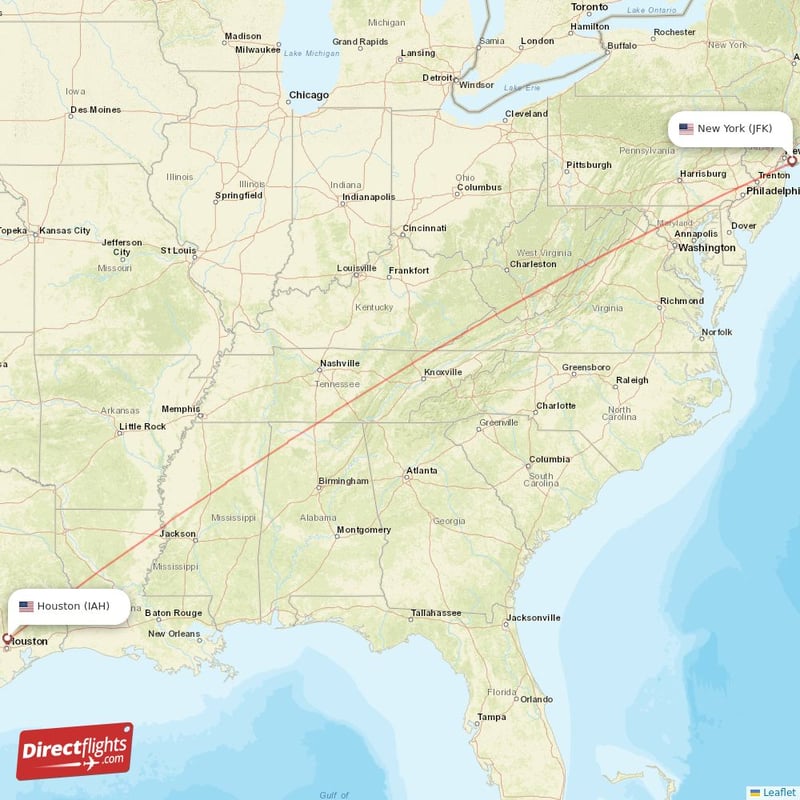
Venturing further south in Texas, flights to Houston also maintain a similar duration. Expect non-stop flights from New York to Houston to be in the range of 3 hours and 45 minutes to 4 hours and 15 minutes. Houston is primarily served by George Bush Intercontinental Airport (IAH), with William P. Hobby Airport (HOU) handling a significant portion of domestic traffic. The slightly longer flight time compared to Dallas/Fort Worth can be attributed to the greater distance and slight adjustments in flight paths.
New York to Other Texas Destinations
While Dallas/Fort Worth and Houston are the most popular flight destinations in Texas from New York, other major cities like Austin and San Antonio also receive direct flights. These routes tend to be slightly shorter or similar in duration to those heading to Dallas/Fort Worth, generally falling between 3 hours and 30 minutes and 4 hours. Austin-Bergstrom International Airport (AUS) serves Austin, and San Antonio International Airport (SAT) serves San Antonio.
Factors Influencing Flight Time
Several variables can subtly alter the actual time spent in the air between New York and Texas. Understanding these can help manage expectations and plan accordingly.
Airport Choice: Departure and Arrival Hubs
The specific airports chosen for departure and arrival play a significant role. For instance, flying from JFK might have a slightly different flight path and thus time compared to departing from EWR, even if the destination airport in Texas is the same. Similarly, the precise location of the Texas airport relative to the New York departure point influences the overall flight distance.
Aircraft Type and Airline Scheduling
While most commercial aircraft flying these routes have comparable cruising speeds, subtle differences can contribute to minor variations in flight duration. Airlines also factor in runway congestion, air traffic control patterns, and optimal cruising altitudes when scheduling their flights. These operational considerations can lead to slight divergences in reported flight times.
Weather Conditions and Wind Patterns
The most significant external factor affecting flight duration is the weather, particularly wind patterns. Flights traveling eastbound typically benefit from tailwinds, reducing flight time. Conversely, westbound flights, such as those from New York to Texas, often encounter headwinds. These headwinds can increase flight time by anywhere from 15 minutes to over an hour, depending on their intensity. Jet streams, powerful air currents found at high altitudes, can significantly influence these wind patterns. A strong headwind can transform a swift journey into a longer one, making it essential to check the forecast and be aware of potential delays.
Connecting Flights: The Longer Journey
For travelers on a tighter budget or those needing to reach smaller cities in Texas not served by direct flights from New York, connecting flights are a common alternative. These itineraries involve a stopover in a third city, adding considerable time to the overall journey.
Typical Layover Durations and Total Travel Time
Connecting flights from New York to Texas can significantly extend travel time. A typical layover can range from 1 hour to 3 hours, though longer layovers are not uncommon, especially for less frequent routes. When factoring in the time spent in the air for each segment of the flight, plus the layover, the total travel time can easily stretch to 6 hours, 8 hours, or even more.
Common Connecting Hubs
Major airports in the central United States frequently serve as connecting hubs for flights between the East Coast and Texas. Common layover cities include:
- Charlotte Douglas International Airport (CLT): A major hub for American Airlines, often used for connections to Dallas/Fort Worth and Austin.
- Hartsfield-Jackson Atlanta International Airport (ATL): One of the busiest airports in the world, serving as a primary hub for Delta Air Lines and a common connection point for many flights to Houston and other Texas cities.
- Chicago O’Hare International Airport (ORD): A significant hub for United Airlines, often used for connections to Houston and Dallas/Fort Worth.
- Nashville International Airport (BNA): While perhaps less common than the larger hubs, BNA can also serve as a connecting point, particularly for flights operated by airlines with a strong presence in the Southeast.
The choice of connecting city can influence the total travel time, with some hubs offering more efficient connections than others. It’s advisable to research flight paths and layover durations carefully when booking connecting flights to minimize overall travel time and potential stress.

Planning Your Texas Adventure
When planning a trip from New York to Texas, consider the following to ensure a smooth travel experience:
- Direct vs. Connecting: If time is of the essence, prioritize direct flights. If budget is the primary concern, connecting flights offer a more economical option, but be prepared for a longer journey.
- Time Zones: Remember that Texas observes Central Standard Time (CST), which is one hour behind New York’s Eastern Standard Time (EST). This time difference should be factored into arrival and departure schedules.
- Airport Choice in Texas: Select the airport that best suits your final destination within Texas. DFW and IAH are major international hubs, while airports like DAL and HOU often cater to domestic traffic and can be more convenient for certain areas.
- Booking in Advance: Booking flights well in advance, especially during peak travel seasons, can secure better fares and flight times.
- Flexibility: If possible, maintain some flexibility with your travel dates and times. Even shifting your departure or arrival by a day or a few hours can sometimes lead to significant savings or a more direct route.
By understanding the nuances of flight durations and the factors that influence them, travelers can better prepare for their journey from the bustling streets of New York to the expansive landscapes and vibrant culture of Texas. Whether you’re heading to the culinary delights of Houston, the live music scene in Austin, or the historic ranches of West Texas, a well-planned flight is the first step to an unforgettable adventure.
LifeOutOfTheBox is a participant in the Amazon Services LLC Associates Program, an affiliate advertising program designed to provide a means for sites to earn advertising fees by advertising and linking to Amazon.com. Amazon, the Amazon logo, AmazonSupply, and the AmazonSupply logo are trademarks of Amazon.com, Inc. or its affiliates. As an Amazon Associate we earn affiliate commissions from qualifying purchases.