
Understanding the intricacies of property tax deadlines in Arizona is a fundamental aspect of responsible homeownership, deeply impacting the financial planning and long-term stability of one’s lifestyle in the Grand Canyon State. Whether you’re a long-time resident, contemplating a move for retirement, or investing in a vacation home, grasping these obligations is crucial for maintaining a seamless and financially sound Arizona lifestyle. Beyond merely knowing the dates, it’s about integrating these financial responsibilities into your annual budget and decision-making processes, ensuring your journey in Arizona is as smooth and stress-free as possible.
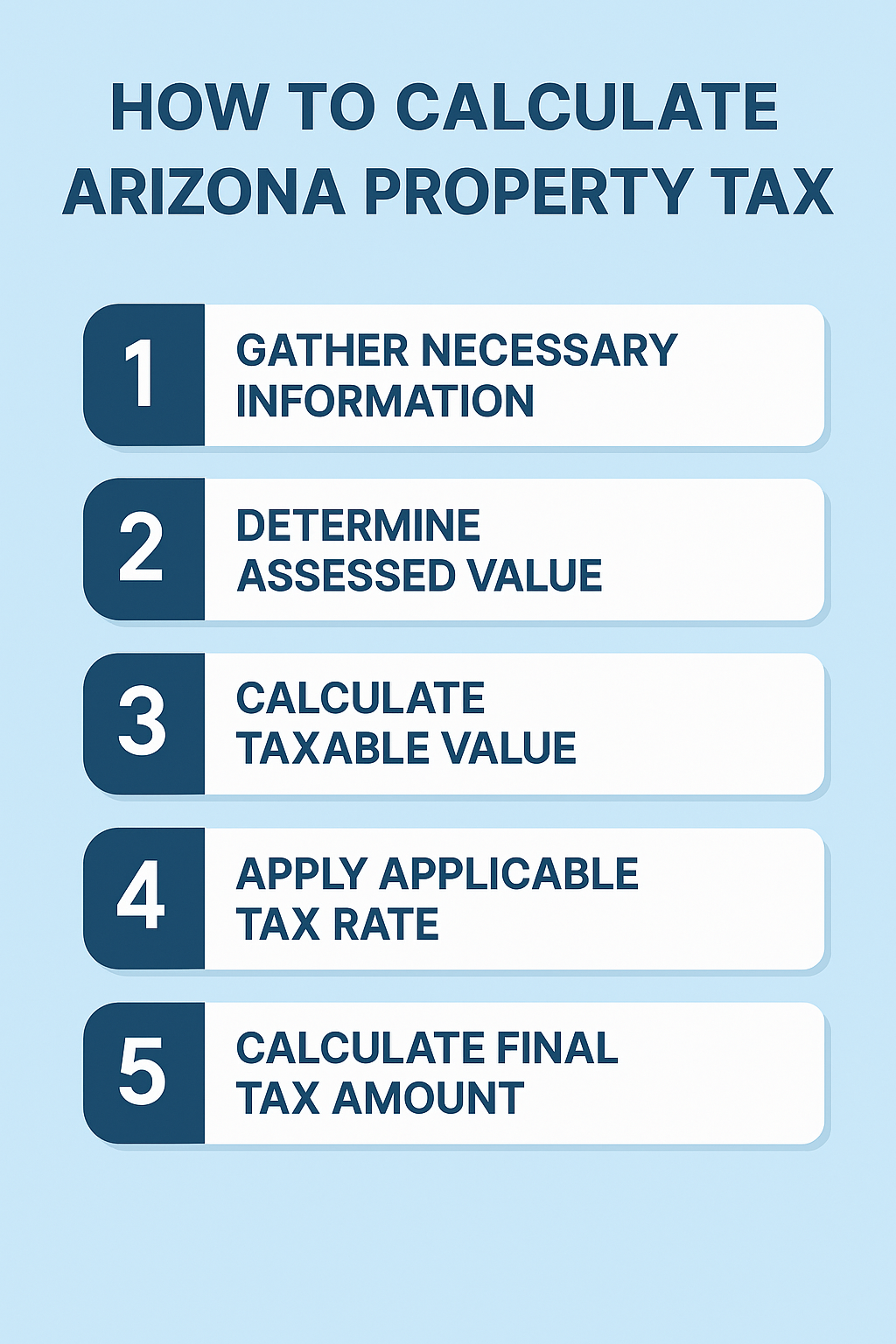
Navigating Arizona Property Tax: A Core Component of Your Lifestyle Budget
For many, the allure of Arizona lies in its vibrant culture, stunning landscapes, and attractive climate, making it a prime destination for various lifestyles—from active retirees seeking sunshine to families establishing roots in dynamic communities like Phoenix or Tucson. However, embracing an Arizona lifestyle also means understanding the financial commitments that come with property ownership. Property taxes are a significant annual expenditure, directly funding local services such as schools, public safety, and infrastructure, all of which contribute to the quality of life enjoyed by residents. Therefore, integrating these payments into your personal or family budget is not just a legal obligation but a strategic financial move that underpins your chosen lifestyle.
Failing to account for property tax deadlines can lead to penalties and undue stress, disrupting the very peace and stability many seek in Arizona. Proactive engagement with the tax calendar ensures that you can allocate funds appropriately, avoid late fees, and maintain good standing with county treasurers. This foresight allows homeowners to fully enjoy the recreational opportunities, community events, and natural beauty that define the Arizona experience, rather than being burdened by unforeseen financial demands. For those considering relocation or a second home, a thorough understanding of these tax obligations is a vital step in evaluating the overall cost of living and making an informed lifestyle choice.
The Annual Property Tax Calendar in Arizona: Key Dates for Homeowners
The property tax cycle in Arizona follows a predictable schedule, designed to provide ample notice for property owners to prepare for their payments. While specific dates can vary slightly depending on weekends or holidays, the general structure remains consistent across all Arizona counties, from Maricopa County to Pima County. Understanding this timeline is fundamental to responsible property management within your Arizona lifestyle.
First Installment: A Fall Consideration
The first installment of your annual property tax bill in Arizona is generally due on October 1st of the current tax year. Tax bills are typically mailed out by county treasurers in September, giving homeowners a few weeks to review their statements and prepare for payment. It’s crucial to mark this date on your calendar and ensure funds are available. If this payment is not received by the county treasurer’s office by November 1st, it becomes delinquent, incurring penalties and interest charges. For those managing multiple properties or balancing various financial commitments, setting up reminders or automatic payments can be an effective strategy to avoid overlooking this important fall deadline.
Second Installment: A Spring Obligation
Following the first payment, the second installment of Arizona property tax is typically due on March 1st of the following calendar year. This means that taxes for a given year are split across two calendar years. For example, taxes for 2023 would have a first installment due October 1, 2023, and a second installment due March 1, 2024. Similar to the first installment, there is a grace period before the payment is considered delinquent. If the second installment is not paid by May 1st, it too becomes delinquent, leading to additional penalties and interest. This spring deadline often coincides with other financial obligations, such as income tax filing, making disciplined budgeting and timely payment particularly important for maintaining your financial peace of mind.
Important Deadlines Beyond Payments
Beyond the payment deadlines, other dates are critical for property owners to understand their tax liability and exercise their rights. Property valuation notices are usually mailed out by county assessors in February. These notices inform owners of the assessed value of their property for the upcoming tax year, which directly influences their tax bill. Homeowners typically have a 60-day window from the mailing date of the notice to file an appeal if they believe their property has been incorrectly valued. This appeals process is a vital component of managing your property’s long-term financial impact and ensuring fair taxation. Staying informed about these non-payment deadlines is an active way to protect your investment and maintain financial control over your Arizona lifestyle.
Navigating Property Tax Assessments and Valuations in Your Arizona Lifestyle
The amount of property tax you owe in Arizona is not static; it’s a dynamic figure influenced by the assessed value of your property and the tax rates set by various taxing authorities. Understanding how your property is valued and how these values translate into your tax bill is essential for prudent financial planning and managing your Arizona lifestyle. Each county assessor is responsible for establishing the full cash value (FCV) and limited property value (LPV) for all taxable properties within their jurisdiction.
The Full Cash Value (FCV) is supposed to represent the market value of your property, what it would likely sell for on the open market. This value is determined annually, taking into account recent sales of comparable properties, property improvements, and general economic conditions. The Limited Property Value (LPV), on the other hand, is a value used to compute primary property taxes. Arizona law limits how much the LPV can increase year over year, typically by no more than 5% annually, regardless of how much the FCV might have risen. This cap offers a degree of stability and predictability for homeowners, protecting them from sudden, drastic increases in their tax bills even if market values surge. Most Arizona property taxes are based on the LPV, not the FCV, which is a key distinction for budgeting your lifestyle expenses.
Deciphering Your Valuation Notice
Around February each year, homeowners receive a “Notice of Value” from their county assessor. This crucial document details the FCV, LPV, and class of your property for the upcoming tax year. It also explains the appeals process and deadline. For those new to Arizona or unfamiliar with property tax nuances, this notice can seem complex. However, taking the time to understand it is an empowering step in managing your finances. Compare the values against your own understanding of your property’s worth and recent sales in your neighborhood. If you believe there’s an error or that your property has been unfairly valued, this is your opportunity to act.
The Process of Appealing an Assessment
Should you disagree with your property’s valuation, Arizona law provides an avenue for appeal. Typically, you have 60 days from the mailing date of the Notice of Value to file a petition with the county assessor. This initial step often involves providing evidence, such as recent appraisals or sales data of comparable properties, to support your claim for a lower valuation. If unsatisfied with the assessor’s decision, you can further appeal to the County Board of Equalization, and subsequently, to the State Board of Equalization or even the Tax Court. While navigating the appeals process requires some effort and documentation, it can result in significant savings on your property tax bill, making it a valuable aspect of proactive financial management for your Arizona lifestyle. Being aware of this process and prepared to engage with it ensures that your property’s valuation accurately reflects its market reality and that your tax burden is fair.
Implications of Late Payments and Exemptions for Your Arizona Living
Understanding the payment deadlines for property taxes in Arizona is paramount, but it’s equally important to be aware of the consequences of failing to meet these deadlines and the potential benefits of various exemptions. Both aspects significantly impact your financial well-being and, by extension, your ability to fully enjoy your chosen lifestyle in the state.
Penalties for Late Payments
If a property tax installment is not paid by its respective delinquency date (November 1st for the first installment and May 1st for the second), the payment is considered late, and penalties begin to accrue. Arizona law stipulates that delinquent property taxes accrue interest at a rate of 16% per year, prorated monthly. This means that for every month or partial month an installment remains unpaid, a portion of that 16% annual interest is added to the outstanding balance. These charges can quickly add up, turning a manageable tax bill into a significant financial burden. Beyond interest, chronic delinquency can lead to further enforcement actions, including the county selling a tax lien on your property. While this doesn’t immediately result in foreclosure, it grants the lien purchaser the right to collect the delinquent taxes, interest, and penalties, and eventually initiate foreclosure proceedings if the lien is not redeemed within a certain period (typically three years). Such scenarios can severely disrupt your lifestyle and financial stability, underscoring the importance of timely payments.
Exploring Available Exemptions
Fortunately, Arizona offers several property tax exemption programs that can help reduce the tax burden for eligible homeowners, making property ownership more accessible and sustainable for certain lifestyles. These exemptions typically apply to specific groups or circumstances and can provide welcome relief to your annual budget.
Senior Exemptions
While Arizona does not have a general homestead exemption that broadly reduces property values for all homeowners, it does offer a “Senior Valuation Protection Option.” This program allows qualifying seniors (typically 65 years or older, with income limits) to “freeze” their property’s Limited Property Value (LPV) for up to three years. This can be particularly beneficial in areas with rapidly increasing property values, offering budget predictability to retirees living on fixed incomes. Eligibility requirements often include age, income limitations, and residency duration.
Disabled Persons Exemptions
Similar to senior exemptions, certain programs may offer relief to disabled residents, often based on income and the extent of disability. These exemptions aim to alleviate financial strain for individuals facing additional costs associated with their health conditions.
Veteran Exemptions
Arizona provides property tax exemptions for qualifying disabled veterans or their surviving spouses. The amount of the exemption depends on the veteran’s disability rating and the property’s assessed value. This program is a recognition of service and sacrifice, significantly easing the financial responsibilities of homeownership for those who have served.

Widow/Widower Exemptions
For qualifying widows and widowers residing in Arizona, there may also be property tax exemptions available, typically with specific income and assessed property value limitations.
To claim any of these exemptions, homeowners must typically file an application with their county assessor’s office by a specific deadline, often in the spring (e.g., March 1st). The application usually requires documentation to verify eligibility, such as proof of age, income, disability status, or veteran service. Proactively researching and applying for these exemptions can significantly impact your annual property tax bill, freeing up resources to enhance your Arizona lifestyle, whether that means enjoying local attractions, pursuing hobbies, or simply living more comfortably. It’s a key step in optimizing your financial plan as an Arizona homeowner.
LifeOutOfTheBox is a participant in the Amazon Services LLC Associates Program, an affiliate advertising program designed to provide a means for sites to earn advertising fees by advertising and linking to Amazon.com. Amazon, the Amazon logo, AmazonSupply, and the AmazonSupply logo are trademarks of Amazon.com, Inc. or its affiliates. As an Amazon Associate we earn affiliate commissions from qualifying purchases.