
Understanding the duration of a flight from Paris to New York is a crucial piece of information for any traveler planning this transatlantic journey. This route, connecting two of the world’s most iconic cities, is a staple for both leisure and business travelers. While the distance might seem straightforward, several factors contribute to the actual time spent in the air, influencing everything from booking decisions to in-flight entertainment choices.
Factors Influencing Flight Duration
The seemingly simple question of flight duration is influenced by a confluence of variables, each playing a significant role in determining the total travel time. These factors range from the inherent physics of aviation to the ever-changing atmospheric conditions and the operational specifics of different airlines.
Jet Streams and Winds
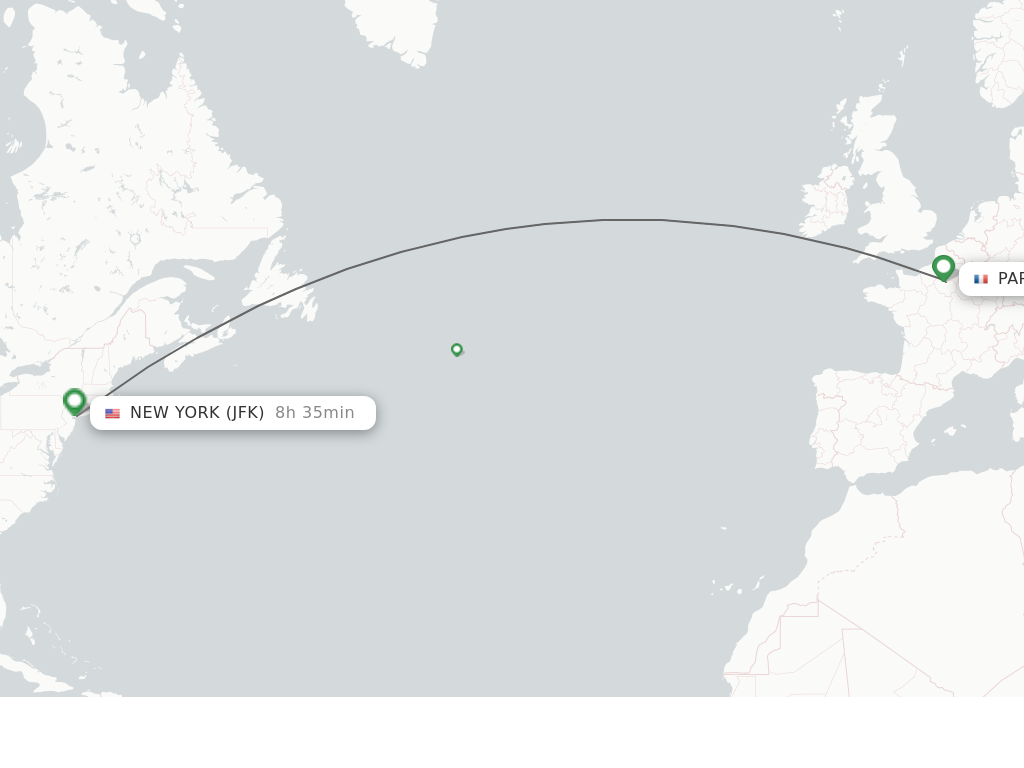
One of the most significant determinants of transatlantic flight times is the presence and strength of jet streams. These are fast-flowing, narrow air currents found in the Earth’s atmosphere. For flights traveling eastward, such as from New York to Paris, jet streams can significantly reduce flight times by acting as a tailwind, pushing the aircraft along at a higher ground speed. Conversely, when flying westward, from Paris to New York, these same jet streams can act as a headwind, increasing flight duration as the aircraft battles against the strong currents. Pilots and air traffic control meticulously monitor jet stream activity to optimize flight paths and minimize travel time and fuel consumption. The precise location and intensity of these atmospheric rivers can shift daily, meaning that a flight on one day might be considerably different in length compared to a flight on another, even with the same aircraft and flight plan.
Aircraft Type and Speed
The specific aircraft model used for the flight plays a notable role in its duration. Modern, long-haul aircraft are designed for efficiency and speed, but variations exist. For instance, a Boeing 777 or an Airbus A350, both common on transatlantic routes, will have different cruising speeds and fuel capacities, which can impact flight planning. Larger aircraft with greater fuel capacity might be able to fly more direct routes without the need for fuel stops, whereas smaller aircraft might have more limited range. The cruising speed of an aircraft is a key factor in calculating block time (the time from gate departure to gate arrival), but the difference in cruising speed between similarly sized commercial airliners is often measured in mere minutes over such a long distance. Nonetheless, for airlines optimizing schedules, even small advantages in speed are factored into their operational efficiency.
Air Traffic Control and Flight Path
The assigned flight path is not always the shortest geographical distance between two points. Air traffic control (ATC) manages the airspace, ensuring safe separation between all aircraft. This can lead to deviations from the most direct route, especially in heavily trafficked corridors. Factors such as prevailing winds, weather systems, and the presence of other aircraft can influence the routes assigned by ATC. Airlines work closely with ATC to secure the most efficient flight paths available, but ultimately, safety and regulatory requirements take precedence. The implementation of airspace modernization initiatives, like the Single European Sky initiative, aims to reduce the impact of ATC on flight times by allowing for more flexible and direct routing.
Airline Operational Decisions
Each airline has its own set of operational parameters and priorities. These can include fuel load decisions, which might affect the aircraft’s weight and thus its efficiency, and the decision on whether to fly at a slightly higher or lower altitude, which can impact both speed and fuel burn due to air density changes. Airlines also factor in buffer times for potential delays, whether from ground operations, weather, or air traffic control. This means that the scheduled flight time might be longer than the pure flight duration to ensure on-time departures and arrivals, contributing to a more reliable schedule for passengers.
Average Flight Times
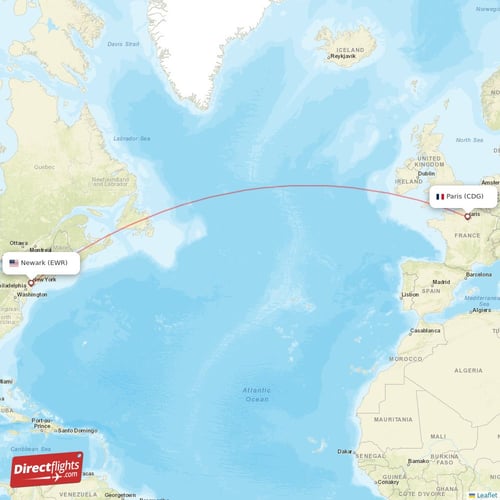
When considering a flight from Paris to New York, it’s important to distinguish between the physical time spent in the air and the total travel time, which includes taxiing and time at the gate. The core flight itself is the primary concern when asking about duration.
Eastbound Flights (New York to Paris)
Flights traveling from New York to Paris are typically shorter than their westbound counterparts. This is largely due to the influence of the prevailing jet streams. These powerful atmospheric currents often flow from west to east, acting as a significant tailwind for aircraft flying across the Atlantic. As a result, an eastbound flight can often be completed in around 6.5 to 7.5 hours of actual flight time. This is the time the aircraft spends airborne from takeoff to touchdown. Airlines leverage these tailwinds to their advantage, allowing for quicker crossings and often resulting in earlier arrival times than scheduled, which can be a pleasant surprise for travelers.
Westbound Flights (Paris to New York)
The return journey, from Paris to New York, generally takes longer. This is primarily because the aircraft is flying against the prevailing jet streams, which are now acting as a headwind. This resistance slows the aircraft’s ground speed, increasing the time required to cover the distance. Consequently, westbound flights typically range from 7.5 to 8.5 hours of flight time. While this might seem like a considerable difference, it’s a natural consequence of atmospheric conditions and a consistent factor on this route. Passengers on westbound flights should anticipate a slightly longer time in the air.
Beyond Flight Time: Total Travel Experience
While the actual flight duration is a key metric, it’s only one part of the overall travel experience between Paris and New York. Passengers need to consider the time spent before boarding and after disembarking to fully understand their journey.
Airport Procedures and Transit
The time spent at the airport before departure and after arrival can significantly add to the total travel time. For international flights, it is generally recommended to arrive at Charles de Gaulle Airport (CDG) or New York John F. Kennedy International Airport (JFK) at least three hours prior to departure. This allows ample time for check-in, security screening, and customs and immigration procedures, especially during peak travel seasons. Upon arrival, passengers will need to clear immigration and customs, collect their luggage, and then navigate to their final destination. This process can take anywhere from 30 minutes to over an hour, depending on the airport’s efficiency and the number of incoming flights.
Time Zone Differences and Jet Lag
The significant time difference between Paris (Central European Time – CET) and New York (Eastern Standard Time – EST) is a crucial factor to consider, particularly regarding jet lag. Paris is typically six hours ahead of New York. This means that a flight departing Paris in the evening might arrive in New York on the same calendar day, albeit in the afternoon or evening local time. Conversely, a flight departing New York in the morning will arrive in Paris late in the evening. Understanding these time zone shifts is essential for planning onward travel, meetings, and adjusting to the new local time to mitigate the effects of jet lag. Strategies such as adjusting sleep schedules before departure and staying hydrated during the flight can help ease the transition.
Choosing the Right Flight
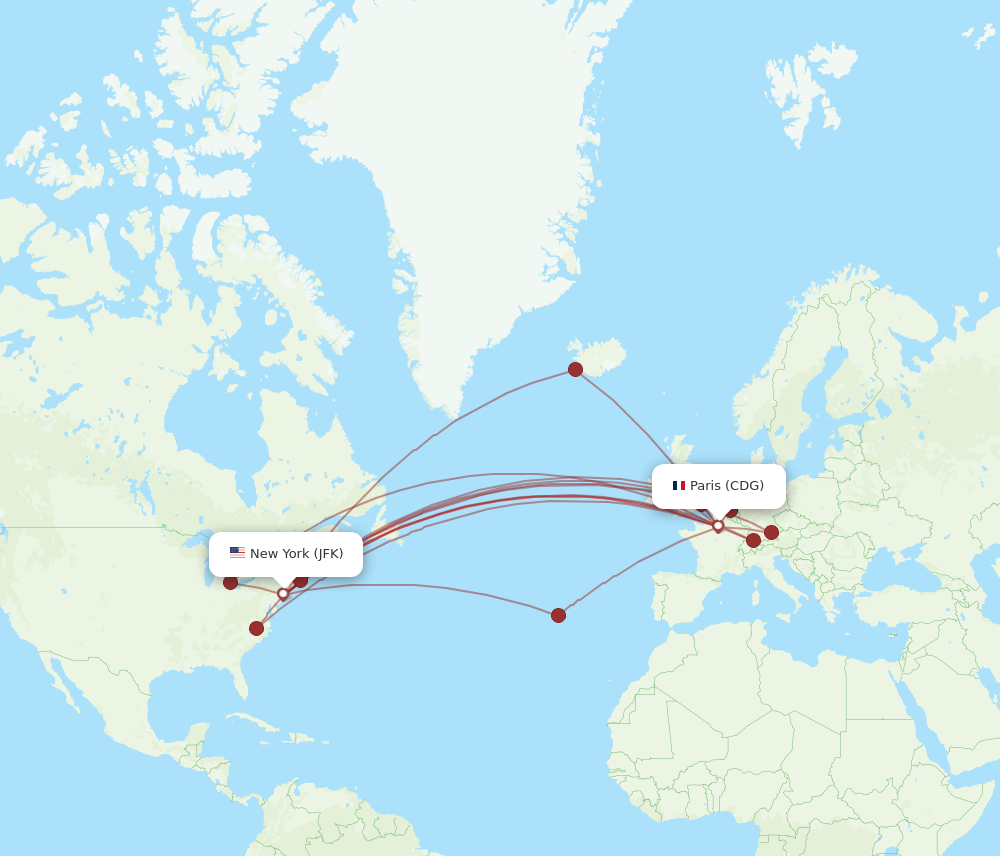
When booking a flight, travelers often look for the shortest duration, but other factors may influence their choice. Airlines like Air France and Delta Air Lines operate this route, and their schedules can vary. Some may offer more direct routing, while others might have slightly longer flights due to operational considerations. Direct flights are almost always preferred for convenience and to avoid the complexities of layovers. Passengers should consult flight comparison websites or airline booking portals to compare available options, paying attention to the scheduled duration and the specific times of departure and arrival. Considering the time zone changes and the potential impact on jet lag can also guide the selection of the most suitable flight. For those seeking a particular experience, such as arriving in the morning to maximize their first day in New York, they might opt for a longer, overnight flight that lands early local time.
LifeOutOfTheBox is a participant in the Amazon Services LLC Associates Program, an affiliate advertising program designed to provide a means for sites to earn advertising fees by advertising and linking to Amazon.com. Amazon, the Amazon logo, AmazonSupply, and the AmazonSupply logo are trademarks of Amazon.com, Inc. or its affiliates. As an Amazon Associate we earn affiliate commissions from qualifying purchases.