
The allure of a cheap flight is undeniable, and for many travelers, the Saver Fare offered by Alaska Airlines presents an attractive entry point into air travel. These fares, positioned as the airline’s most economical option, are designed to offer significant savings, particularly for budget-conscious individuals or those with fixed travel plans. However, the cost-efficiency of a Saver Fare often comes with inherent limitations, especially when it comes to the highly sought-after possibility of an upgrade. Understanding the specifics of Alaska Airlines’ Saver Fare and its upgrade policies is crucial for managing expectations and planning your journey effectively.
Decoding Alaska Airlines’ Saver Fare
Alaska Airlines introduced the Saver Fare to compete with ultra-low-cost carriers while still providing the level of service and network associated with a major airline. These fares are often significantly cheaper than standard Main Cabin tickets, making them a popular choice for travelers prioritizing price above all else. However, the trade-off for these savings manifests in several restrictions that directly impact flexibility and potential upgrades.
The Basics of Saver Fares
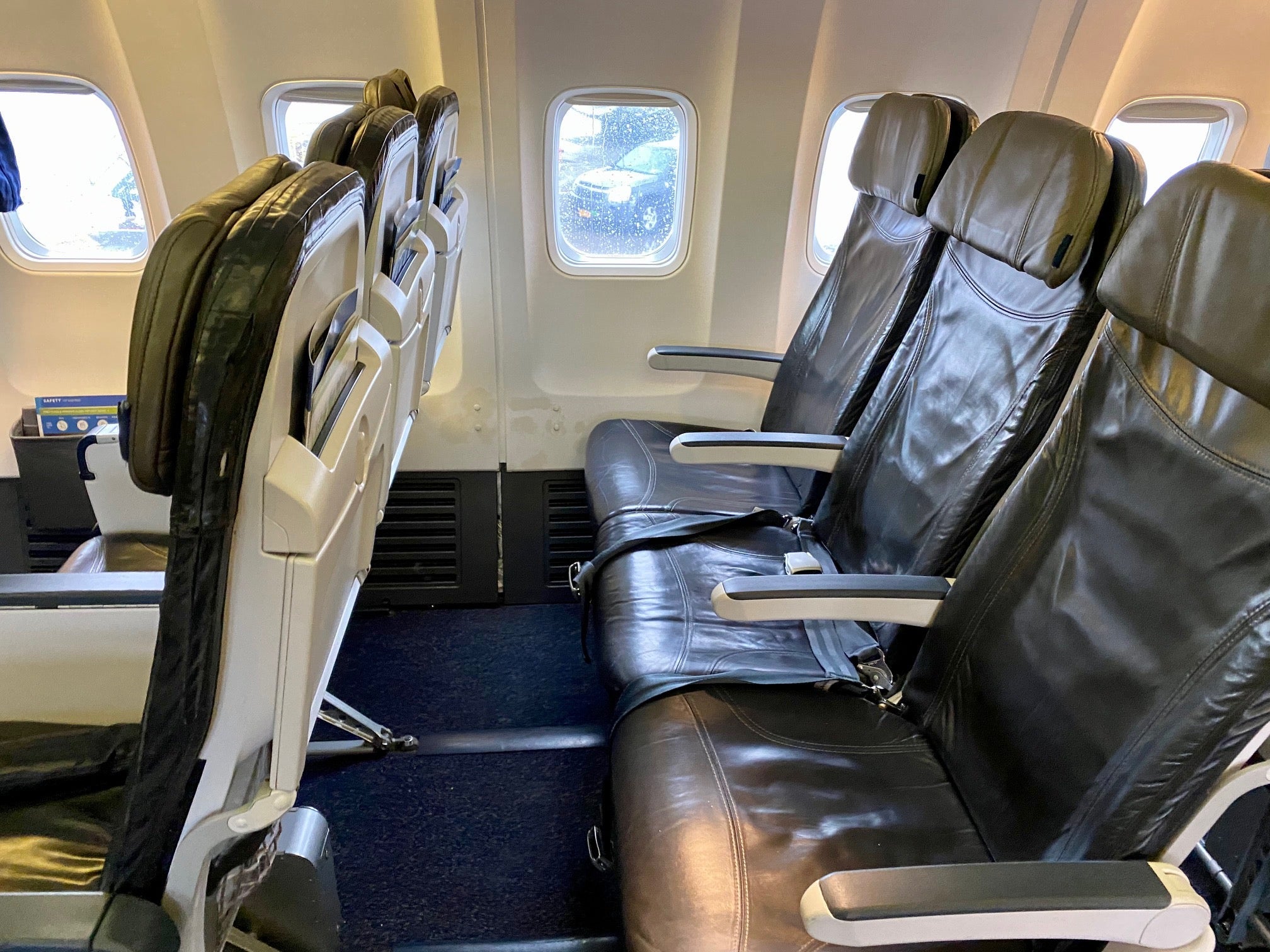
A Saver Fare with Alaska Airlines typically means you are purchasing a non-refundable, non-changeable ticket that comes with specific limitations. While you still earn Mileage Plan miles, the number of miles earned is often reduced compared to other fare types. Crucially, seat assignments are generally not available at the time of booking. Instead, seats are automatically assigned at check-in, often towards the rear of the aircraft. For those traveling in groups, this can mean a higher likelihood of being split up unless you pay for seat assignments at a later stage, provided they are even available. The primary benefit remains the low price, making short, direct flights without checked luggage particularly appealing for this fare class.
Limitations and Trade-offs
Beyond the lack of immediate seat selection, Saver Fares come with other significant restrictions. These fares are entirely non-changeable and non-refundable. If your plans change, you will generally forfeit the value of your ticket. This strict policy is a core component of how Alaska Airlines can offer such competitive pricing. Furthermore, Saver Fares are typically the last to board, which can be a minor inconvenience, particularly if overhead bin space is a concern. The most significant limitation, and the direct answer to our central question, lies in their ineligibility for upgrades, which we will explore in detail.
The Mechanics of Alaska Airlines Upgrades
Upgrading on Alaska Airlines is a valuable perk, primarily for Mileage Plan elite status members, but also sometimes available through paid options or using upgrade certificates. The airline offers a premium cabin experience, typically First Class, on most of its routes, providing amenities like larger seats, enhanced meal service, and dedicated attention from flight attendants.
Upgrade Eligibility for Standard Fares
For travelers holding standard Main Cabin fares, upgrade opportunities exist through several channels. Mileage Plan elite status members (MVP, MVP Gold, MVP Gold 75K, and MVP Gold 100K) receive complimentary upgrades based on availability and status level. Higher-tier elites are prioritized, and upgrades can clear days in advance or at the gate. These complimentary upgrades apply to most fare classes, with the notable exception of Saver Fares. Additionally, travelers can sometimes purchase upgrades at check-in or at the gate if First Class seats remain unsold. Alaska Airlines also issues upgrade certificates to its top-tier elite members, which can be applied to eligible fares to confirm a First Class seat in advance.
The Role of Elite Status and Mileage Plan
Alaska Airlines’ Mileage Plan is highly regarded for its value and the ease with which elite status can translate into tangible benefits, including upgrades. Members earn status by flying a certain number of miles or segments annually, primarily on Alaska Airlines and its Oneworld alliance partners. The higher the status, the better the upgrade priority and the more generous the benefits. For instance, MVP Gold and 75K members receive complimentary upgrades for themselves and a companion, and enjoy priority over lower-tier elites. This system works exceptionally well for travelers who consistently choose Alaska Airlines and purchase standard tickets.
Can a Saver Fare Truly Be Upgraded?
This brings us to the core question: Can you upgrade an Alaska Saver Fare? The unequivocal answer, according to Alaska Airlines’ published policies, is no.

Direct Upgrade Prohibition
Alaska Airlines explicitly states that Saver Fares are not eligible for complimentary upgrades, paid upgrades, or upgrades using miles or certificates. This is a fundamental restriction that differentiates Saver Fares from all other fare classes. The airline designed Saver Fares to be as basic as possible, stripping away flexibility and premium benefits to achieve the lowest price point. Therefore, expecting an upgrade on a Saver Fare, regardless of your elite status or willingness to pay, is a misconception.
Strategic Rebooking as an Alternative
Since direct upgrades from a Saver Fare are not possible, the only theoretical way to get into a premium cabin is to effectively cancel your Saver Fare (forfeiting its value) and then purchase a new, more expensive Main Cabin or First Class ticket. This is not an “upgrade” in the traditional sense, but rather a complete re-purchase. This strategy is rarely economical unless the fare difference is minimal, or your original Saver Fare had a very low value that you’re willing to lose. Given the non-refundable nature of Saver Fares, this option essentially means buying two tickets for the same flight.
The Same-Day Confirmed Change Loophole (or Lack Thereof for Saver)
For standard Main Cabin tickets, Alaska Airlines offers a valuable benefit known as a same-day confirmed change. This allows passengers to switch to an earlier or later flight on the same day for a fee (often waived for elite members), provided there is availability in their original fare class. Sometimes, this can open up new upgrade possibilities on the changed flight. However, Saver Fares are explicitly excluded from same-day confirmed changes as well. Their rigid, non-changeable nature extends to this flexibility option, further solidifying their position as a “use it or lose it” fare type.
Maximizing Your Alaska Airlines Travel Experience
While Saver Fares come with their restrictions, understanding these limitations allows travelers to make more informed decisions and leverage other strategies to enhance their journey on Alaska Airlines.
Weighing the Cost-Benefit of Main Cabin vs. Saver
The decision between a Saver Fare and a Main Cabin ticket often boils down to a personal assessment of cost versus flexibility and potential benefits. If you are certain of your travel dates, flying solo, don’t need to check a bag, and prioritize the absolute lowest price, a Saver Fare can be an excellent choice. However, if there’s any chance your plans might change, if you value seat selection, the ability to make changes, or the potential for an upgrade, the slightly higher cost of a Main Cabin ticket is almost always worth it. The peace of mind and added flexibility often outweigh the initial savings for many travelers.
Strategies for Securing Upgrades on Non-Saver Fares
For those committed to enjoying a First Class experience, focusing on strategies that apply to standard Main Cabin fares is key.
- Earn Elite Status: This is the most consistent path to complimentary upgrades. Loyalty to Alaska Airlines and its Oneworld partners through consistent flying can yield significant rewards.
- Purchase Higher Fare Classes: When buying a Main Cabin ticket, certain higher economy fare classes (e.g., Y, B) have better upgrade priority than lower ones (e.g., K, L). If you’re buying a ticket with the hope of an upgrade, inquire about the fare class.
- Utilize Upgrade Certificates: For MVP Gold 75K and 100K members, these certificates are a powerful tool for confirming upgrades well in advance.
- Monitor Paid Upgrade Offers: Keep an eye out for opportunities to purchase upgrades at check-in or at the gate. These are often dynamically priced and can offer a good value if First Class demand is low.
Leveraging Credit Card Benefits and Partnerships
Alaska Airlines’ co-branded credit cards often come with benefits that enhance the travel experience, though they typically do not directly enable upgrades from Saver Fares. Benefits like free checked bags, priority boarding, and discounted Alaska Lounge access can significantly improve comfort, even if you are in the Main Cabin. Furthermore, Alaska Airlines’ membership in the Oneworld alliance opens up opportunities to earn and redeem miles across a vast global network of carriers, offering more ways to accumulate the activity needed for elite status and subsequent upgrade eligibility on non-Saver Fare bookings. Strategic use of these partnerships can indirectly contribute to better travel experiences down the line.

The Future of Saver Fares and Flexibility
The trend towards differentiated fare classes is prevalent across the airline industry, and Saver Fares are likely here to stay. Airlines rely on these basic economy options to compete on price while still offering more premium products. While some airlines have experimented with allowing basic economy passengers to pay for certain perks like seat selection, the core restriction on upgrades and changes for Saver Fares on Alaska Airlines has remained firm. Travelers should anticipate that the fundamental rules of Saver Fares – low cost, low flexibility, no upgrades – will continue to be the standard. Therefore, making an informed choice at the time of booking is paramount. If an upgrade is a priority, selecting a Main Cabin fare or higher is the only viable path to achieving that enhanced travel experience with Alaska Airlines.
LifeOutOfTheBox is a participant in the Amazon Services LLC Associates Program, an affiliate advertising program designed to provide a means for sites to earn advertising fees by advertising and linking to Amazon.com. Amazon, the Amazon logo, AmazonSupply, and the AmazonSupply logo are trademarks of Amazon.com, Inc. or its affiliates. As an Amazon Associate we earn affiliate commissions from qualifying purchases.