
Planning a tropical escape from the bustling metropolis of New York to the vibrant shores of Jamaica is a dream for many. The allure of turquoise waters, reggae rhythms, and sun-drenched beaches is undeniable. A crucial piece of information for any traveler is understanding the flight duration. While it might seem straightforward, several factors can influence how long your journey will actually take. This guide delves into the typical flight times and the elements that contribute to them, ensuring you can accurately factor travel into your vacation planning.
Understanding Direct vs. Connecting Flights
The most significant determinant of flight duration is whether you opt for a direct flight or one with layovers.

Direct Flights: The Speedy Route
Direct flights offer the most efficient way to travel between New York and Jamaica. These flights depart from a New York area airport, such as John F. Kennedy International Airport (JFK) or Newark Liberty International Airport (EWR), and arrive at one of Jamaica’s main airports, most commonly Sangster International Airport (MBJ) in Montego Bay.
Typical Duration for Direct Flights:
For a direct flight, you can generally expect the travel time to be in the range of 3.5 to 4 hours. This is the airborne time, not including the time spent on the ground for pre-flight boarding, taxiing, and post-flight disembarking and deplaning.
Airlines that frequently operate direct routes include JetBlue, American Airlines, United Airlines, and Spirit Airlines. The specific duration can vary slightly depending on the airline, the aircraft type, and prevailing wind conditions during your flight.
Connecting Flights: The Extended Journey
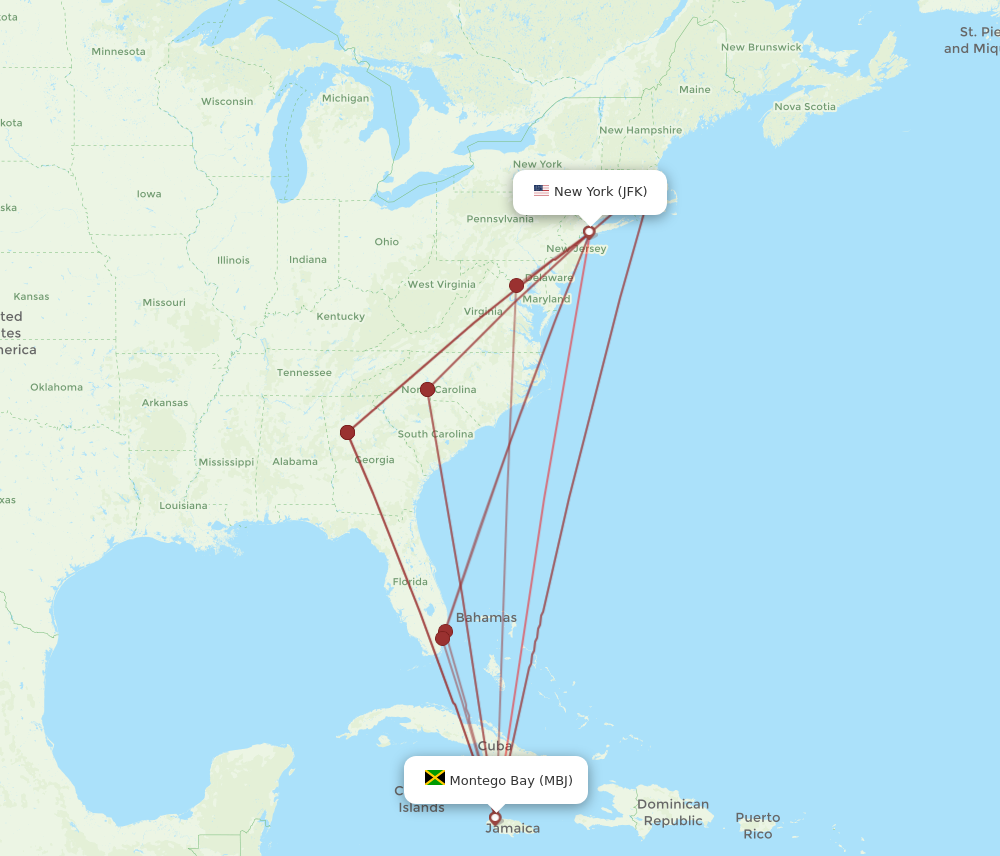
Connecting flights, while sometimes offering a lower price point, invariably add significant time to your journey. These flights involve a stopover in a third city before reaching Jamaica. Common layover points might include cities like Miami, Charlotte, Atlanta, or even further afield depending on the airline’s network.
Factors Influencing Connecting Flight Duration:
- Layover Length: This is the most substantial variable. Layovers can range from a quick 1-2 hours to several hours, or even an overnight stay.
- Layover Location: The geographical location of your layover city will impact the total flight path and thus the total travel time.
- Airline and Route: Different airlines have different hub cities and route structures, which will determine your layover possibilities and their associated durations.
- Time Between Flights: Beyond the scheduled layover, unexpected delays at your origin, during the first leg of the flight, or at the connecting airport can further extend your travel time.
Typical Duration for Connecting Flights:
A flight with one connection can easily stretch the total travel time to anywhere from 6 to 12 hours, and in some cases, even longer. This includes the time spent in the air for both flight segments and the entire duration of the layover. It’s essential to carefully examine the total travel time when booking a connecting flight, as the allure of a cheaper fare might be overshadowed by a significantly longer and potentially more tiring journey.
Factors Influencing Flight Duration
Beyond the direct versus connecting distinction, several other factors can subtly influence the actual time spent in the air.
Wind Conditions
Like any air travel, flights to Jamaica are subject to prevailing wind patterns. The jet stream, a high-altitude air current, can significantly impact flight times.
- Tailwinds: When the wind is blowing in the same direction as your flight path, it can effectively speed up the aircraft, potentially shortening the flight time by 15-30 minutes.
- Headwinds: Conversely, flying against a strong headwind can slow the aircraft down, adding 15-30 minutes or more to the flight duration.
These wind conditions are dynamic and can change, which is why flight times can fluctuate slightly even for the same route on different days. Airlines monitor these conditions closely and adjust flight plans accordingly to optimize for both time and fuel efficiency.
Aircraft Type and Speed
The type of aircraft used for the flight can also play a minor role. Modern, more fuel-efficient jets are designed for optimal cruising speeds. While the difference between various commercial airliners might not be dramatic, it can contribute to marginal variations in flight duration. For example, a Boeing 777 might have a slightly different cruising speed than an Airbus A320, leading to minor discrepancies.
Air Traffic and Routing
The airspace between New York and Jamaica is busy. Air traffic control plays a crucial role in managing the flow of aircraft. Factors such as weather patterns in the flight path, congestion at departure or arrival airports, and the need for specific routing to avoid turbulence or other atmospheric conditions can lead to slight adjustments in the flight path and, consequently, the flight time. Sometimes, controllers might direct aircraft to fly slightly longer routes to maintain safe separation from other planes.
Airport Operations
The time spent on the ground at both the departure and arrival airports is an integral part of the total travel experience, even if not part of the airborne flight time.
- Departure: Boarding procedures, taxiing to the runway, and potential holding patterns before takeoff can add to the overall time before you are truly in the air.
- Arrival: After landing, taxiing to the gate, and disembarking can take additional time, especially at larger or busier airports like Sangster International Airport (MBJ).
While not directly related to the flight duration itself, these ground operations are essential components of the journey from your home in New York to your accommodation in Jamaica.
Planning Your Travel Time Effectively
Understanding these nuances allows for more accurate travel planning, whether you’re coordinating airport transfers, booking connecting transportation in Jamaica, or simply managing your own expectations.
Choosing the Right Flight for Your Schedule
When booking your flight, pay close attention to the total travel time indicated, especially for flights with layovers. If your primary goal is to maximize time on the island and minimize travel stress, a direct flight is almost always the superior choice. If budget is a primary concern and you have flexibility, a connecting flight might be viable, but be sure to factor in the extended time commitment and potential for delays.
Considerations for Arrival and Departure
- Airport Arrival: For international flights, it is generally recommended to arrive at the airport at least three hours before departure. This allows ample time for check-in, security, and reaching your gate without rushing. This applies to both JFK and EWR.
- Ground Transportation: Once you land in Jamaica, whether at Sangster International Airport (MBJ) or Norman Manley International Airport (KIN), factor in time for immigration, baggage claim, and then your onward journey to your resort or accommodation. Pre-booking airport transfers, whether a shared shuttle, private car, or taxi, can streamline this process and reduce waiting times.

Time Zone Differences
Remember that Jamaica observes Eastern Standard Time (EST) during the winter months and Eastern Daylight Time (EDT) during the summer months, mirroring New York. However, Jamaica does not observe daylight saving time. This means that during certain periods of the year, there will be a time difference. For instance, when New York is on EDT, Jamaica is one hour behind. This usually doesn’t affect flight duration calculations but is important for overall scheduling and communication.
By understanding the typical flight durations and the factors that can influence them, you can better prepare for your journey from New York to the beautiful island of Jamaica, ensuring a smoother and more enjoyable start to your vacation. Whether you’re headed to the bustling resorts of Montego Bay, the vibrant nightlife of Negril, or the serene beauty of Ocho Rios, a little planning goes a long way.
LifeOutOfTheBox is a participant in the Amazon Services LLC Associates Program, an affiliate advertising program designed to provide a means for sites to earn advertising fees by advertising and linking to Amazon.com. Amazon, the Amazon logo, AmazonSupply, and the AmazonSupply logo are trademarks of Amazon.com, Inc. or its affiliates. As an Amazon Associate we earn affiliate commissions from qualifying purchases.